Define the result before pricing the work
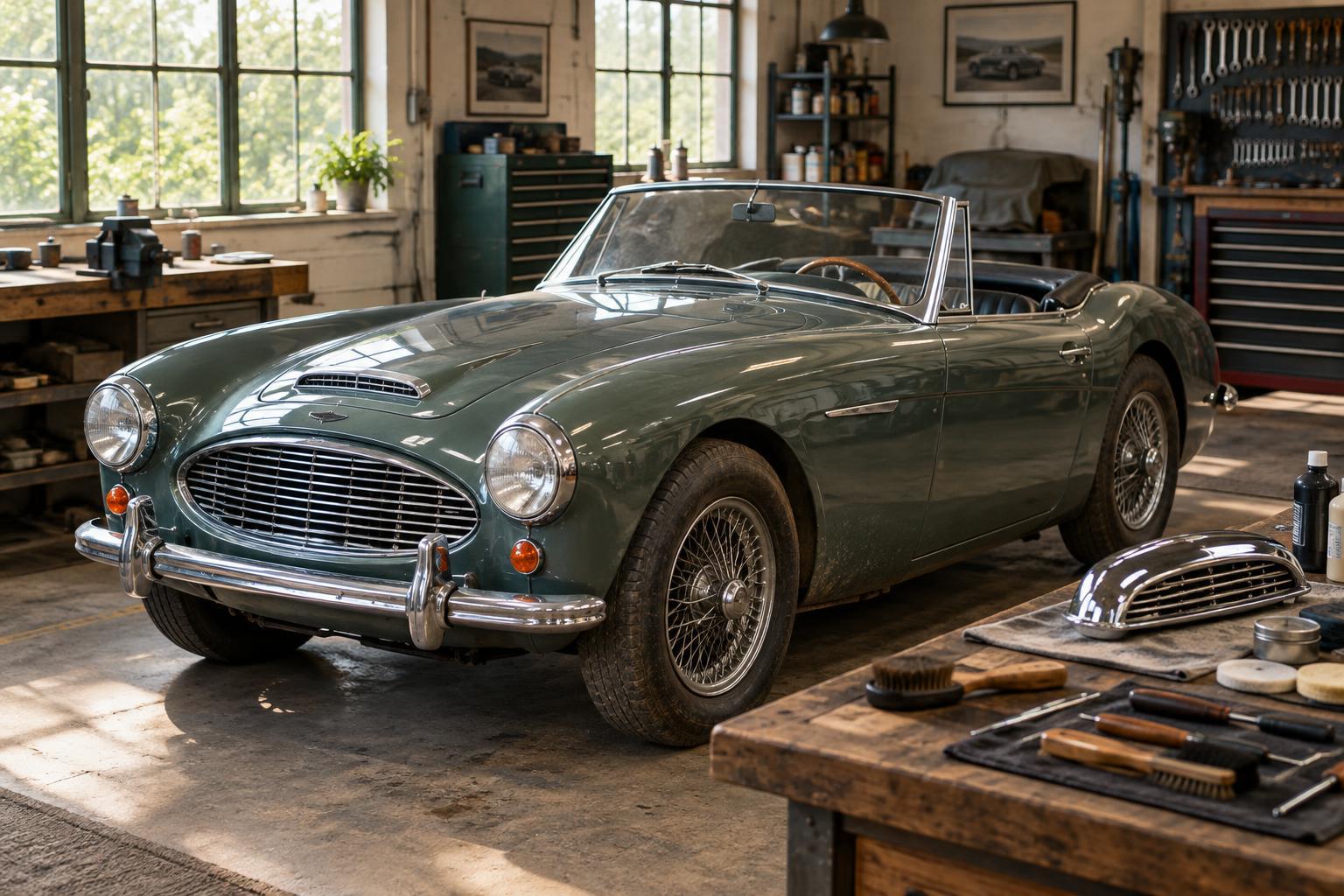
A restoration budget begins with a clear description of the car you want at the end. A sound, enjoyable road car calls for different work from a highly detailed show car. Decide which features matter to you, how often you expect to drive, and where you are willing to retain serviceable original parts. Without that boundary, a small repair can gradually become a full rebuild.
Write down the starting condition as honestly as you can. Note whether the car runs, stops and drives; what is known about its structure; and which systems have not been tested. Gather existing invoices and photographs, but treat gaps in the record as unknowns rather than proof that no work is needed. This is especially important with older British cars, where previous repairs and later modifications may not be obvious from a quick inspection.
Separate known costs from provisional work
Build the first estimate in groups: body and structure, paint and trim, engine and drivetrain, suspension and brakes, electrics, and final assembly and testing. Include parts, materials and labour where each applies. Add transport, storage and specialist services if they will be needed. Keep these lines separate so an increase in one area does not quietly disappear into a single total.
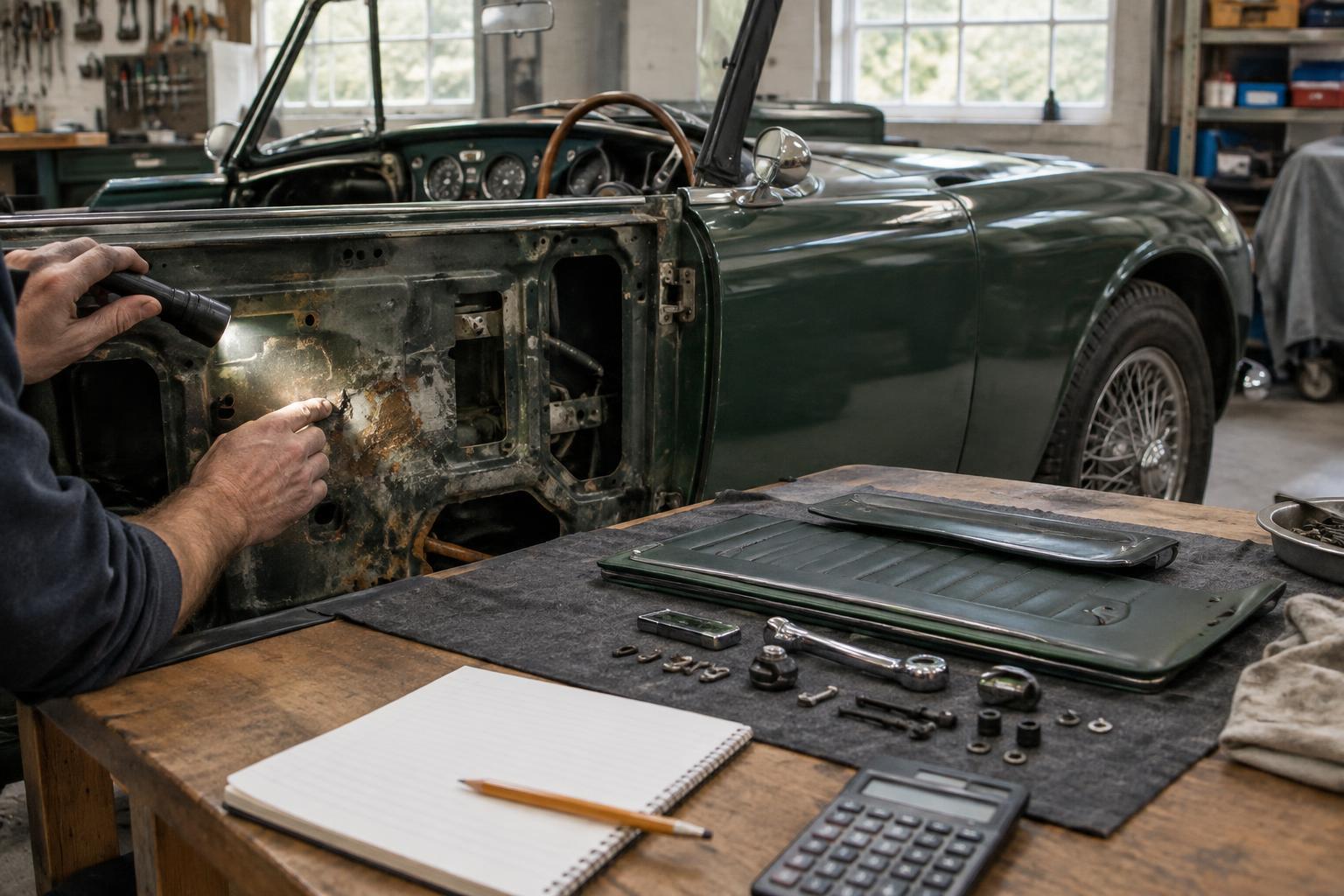
Then mark each item as confirmed, estimated or unknown. A worn seat cover may be easy to see and price, while the condition of a sill beneath its outer panel may remain uncertain. Ask workshops to distinguish between a quote for defined work and an estimate that depends on dismantling. For work you plan to do yourself, include consumables, tools you do not yet own and tasks that may still need a specialist. Your own time may not be a cash expense, but it can determine how long the car remains off the road.
Give hidden work its own allowance
Hidden work is not necessarily a sign that an inspection was poor. Corrosion may extend behind trim or under old filler. Wiring faults can appear only when circuits are used. An engine that turns freely may still need attention once it is opened. Create a separate allowance for discoveries of this kind rather than assuming every provisional estimate will be enough.
The allowance should reflect what remains unseen. A car with documented, accessible repairs presents a different level of uncertainty from one wearing old paint over unknown metalwork. You can also reduce uncertainty before committing to the full project: arrange a careful inspection, test what can safely be tested, and price available parts. Avoid spending the entire allowance on desirable upgrades early in the build. If it is unused near completion, you can decide then whether to improve the finish or keep the money.
Use stages and decision points
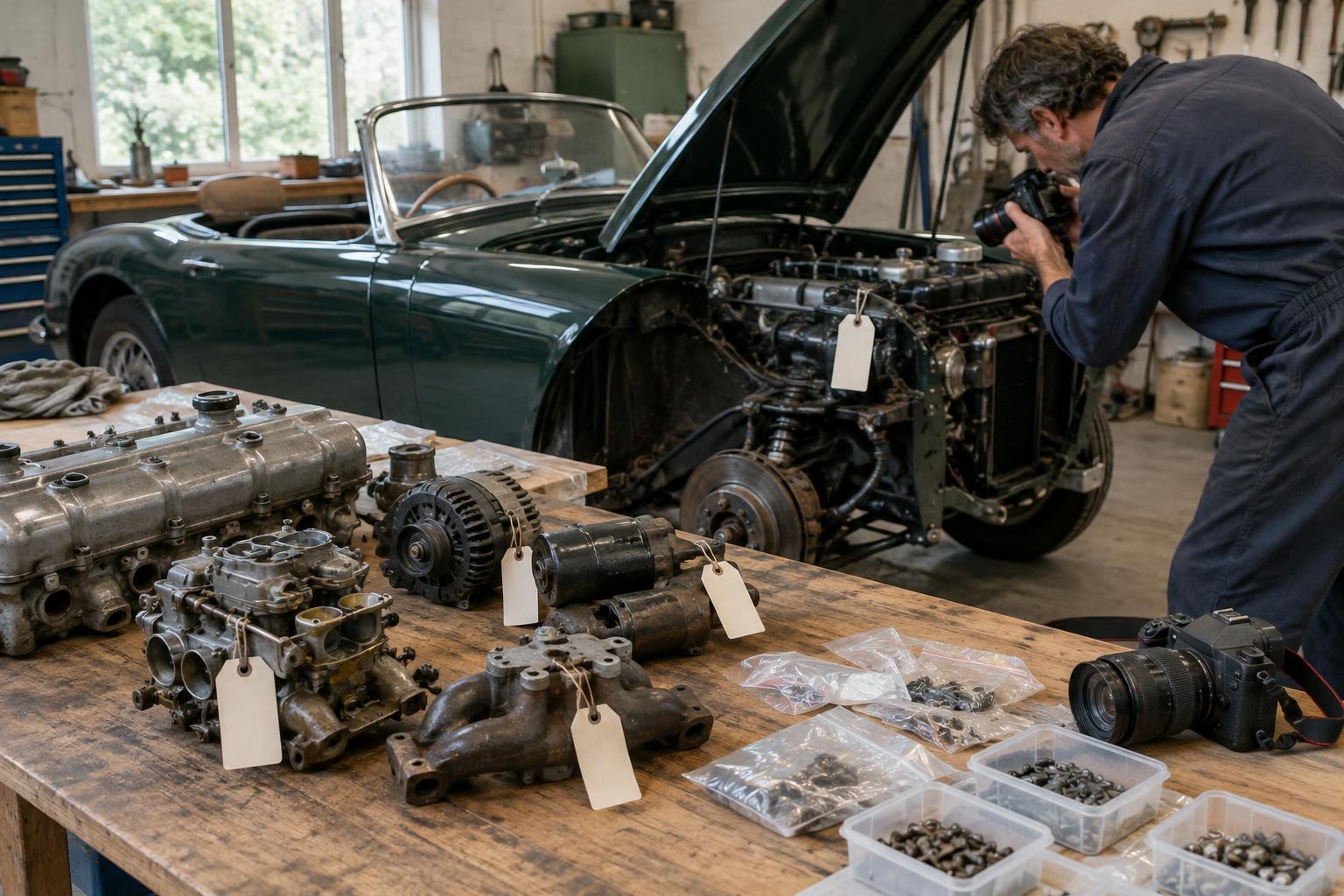
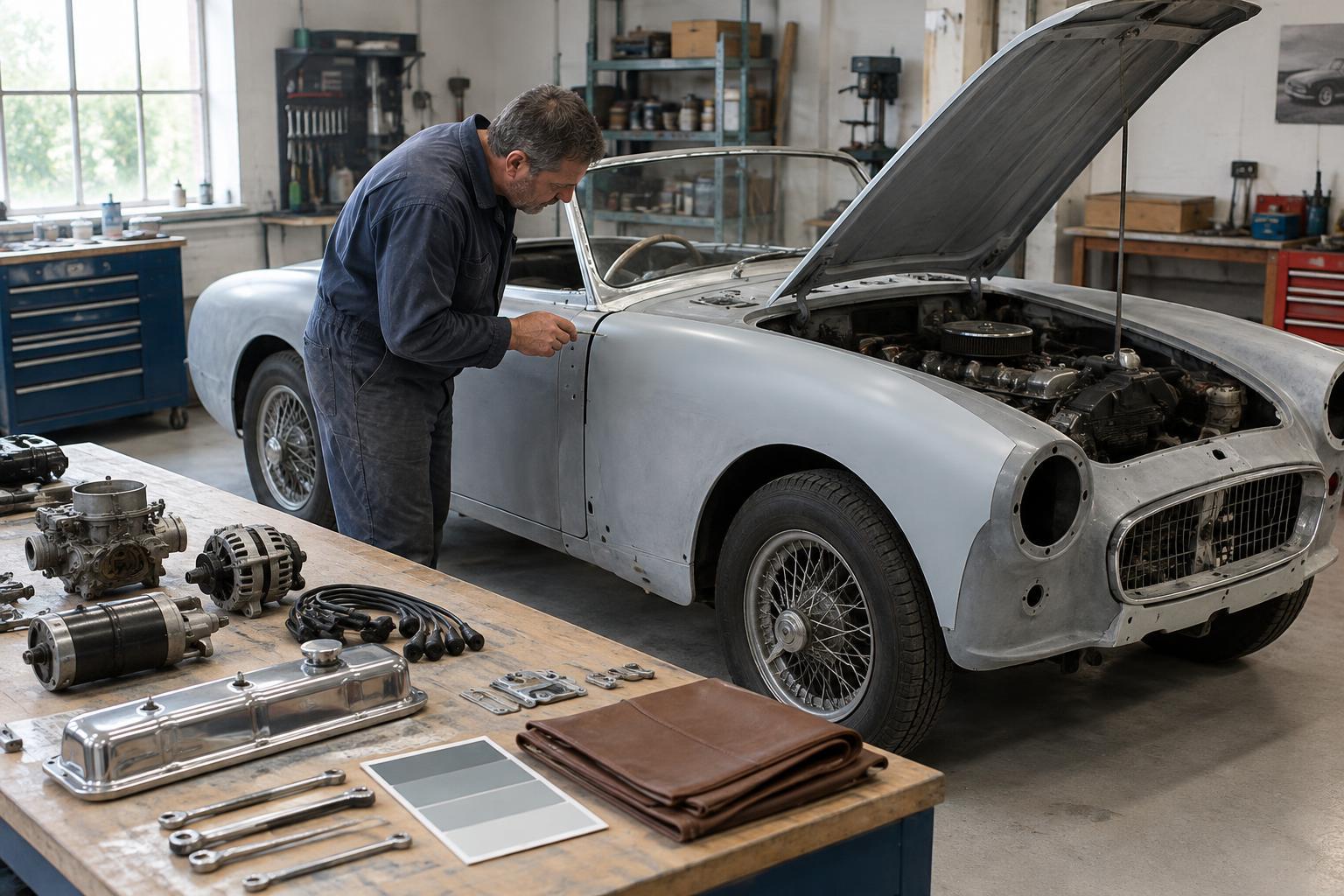
Break the project into stages that reveal information. An initial assessment might be followed by careful dismantling, structural repairs, mechanical work, finishing and reassembly. Before each stage, agree on the intended work and how new findings will be reported. Photographs and a written description can make it easier to decide whether a proposed repair is necessary and whether it changes the overall plan.
Set a pause point for any finding that substantially alters the budget or scope. If extensive corrosion emerges, for example, compare the cost of repairing it with the value the finished car has to you, including the satisfaction of keeping that particular car. You may choose to proceed, change the standard of finish, defer cosmetic work or stop the project. Making that choice deliberately is better than approving one extra job at a time without revisiting the total.
Keep a running budget until the car is usable
Track estimated cost, agreed cost, money spent and expected cost to finish as separate figures. Update them after each discovery and keep invoices and parts orders together. The amount already spent can be emotionally persuasive, but the useful question at every stage is what remains to be done and what it is likely to cost.
Leave room at the end for fitting, adjustments and road testing. A freshly assembled car may need faults corrected or components adjusted before it is dependable on a tour. Prioritise sound structure and safe operation over details that can be improved later, and use qualified specialists for work beyond your experience. A good budget is not a promise that nothing unexpected will happen; it is a way to meet surprises without losing sight of why you started.