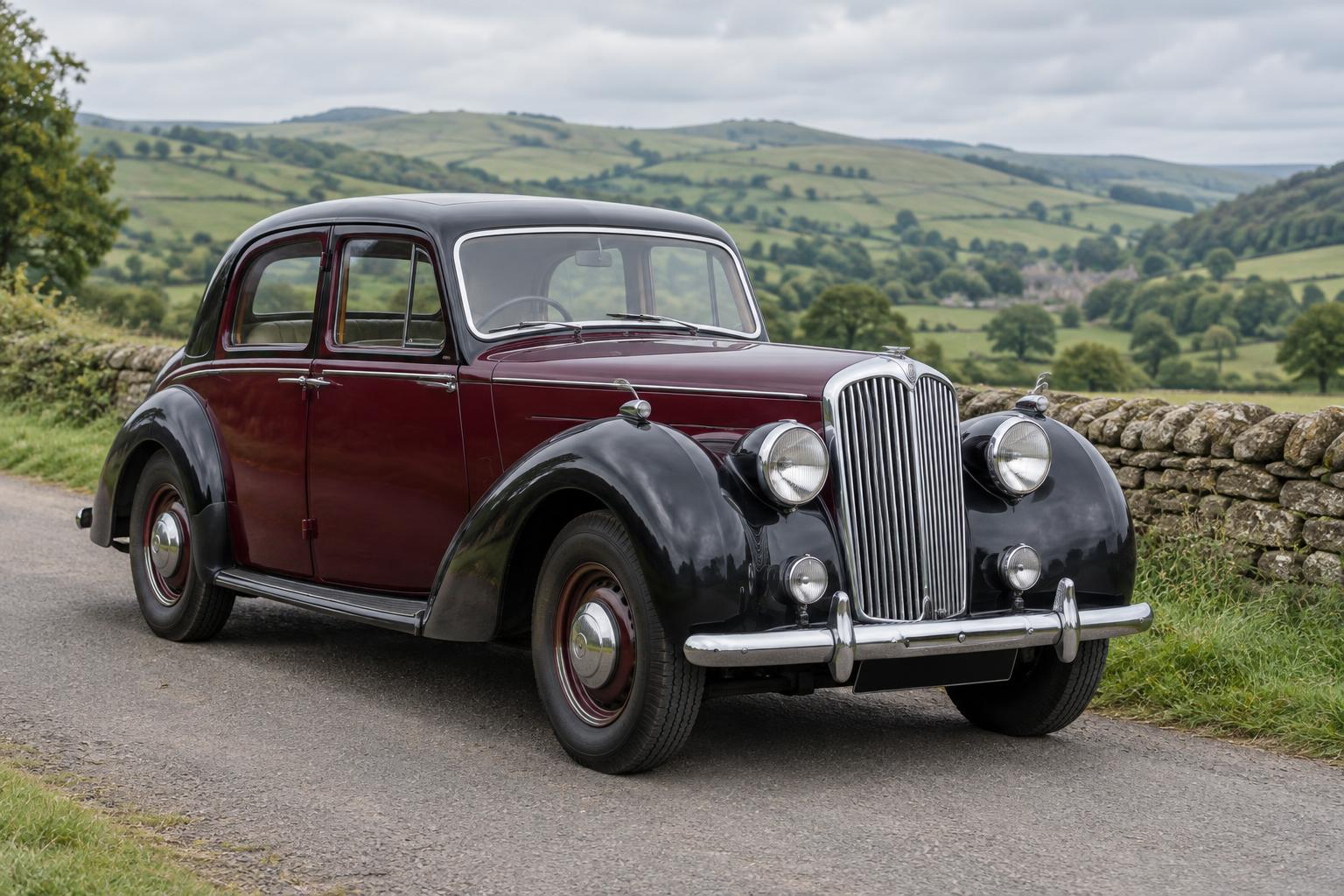
Classic Car HistoryWith upright styling, distinctive Riley grilles and a range of saloon and open bodies, the RM series bridged pre-war design traditions and post-war motoring. Here is how the family developed and what distinguishes its principal versions.
Read article · 3 min↗
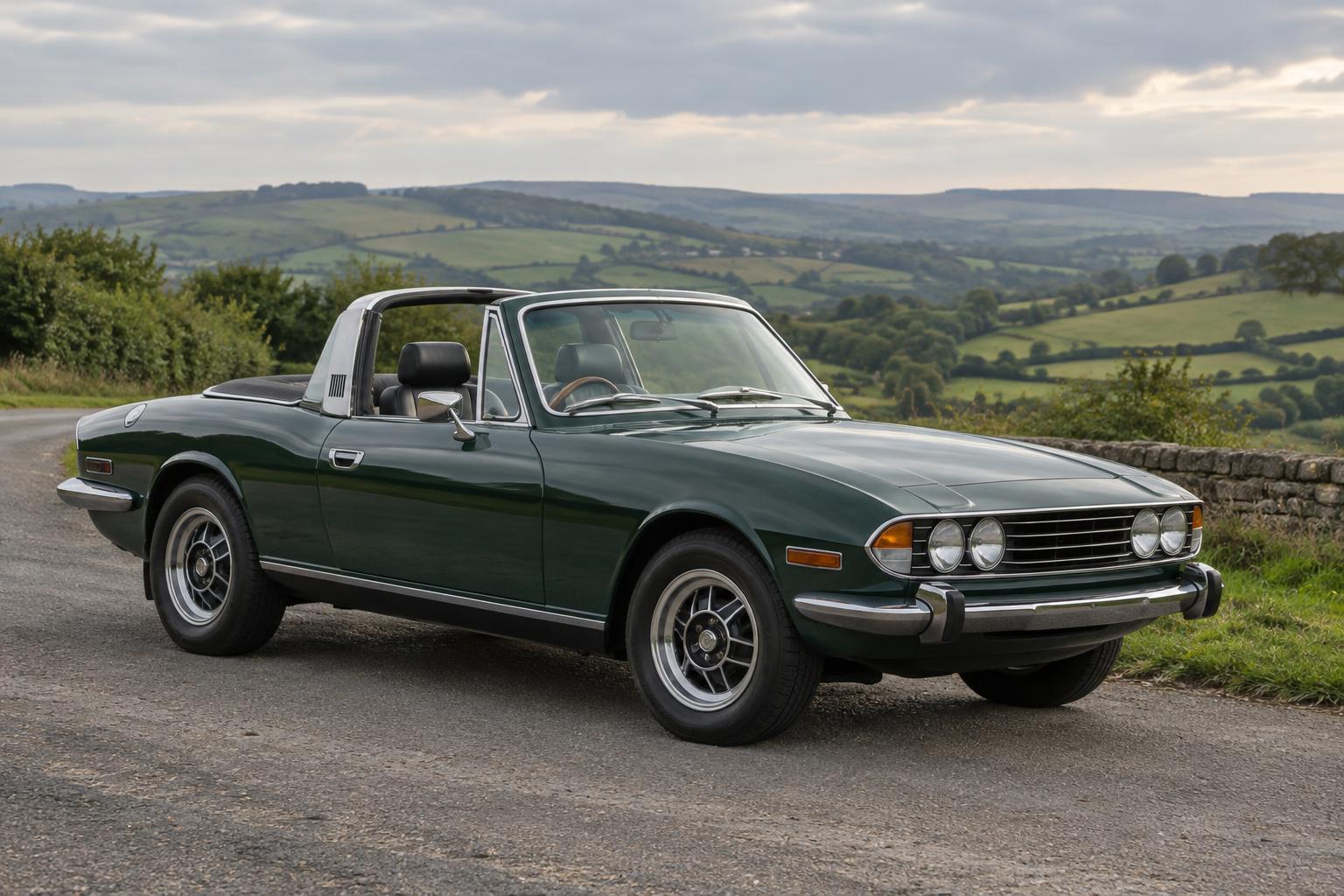
Classic Car HistoryWith four seats, V8 power and a distinctive roof structure, the Triumph Stag took a different path from the small British roadster. Its history shows both the ambition behind the design and the challenges that shaped its reputation.
Read article · 4 min↗
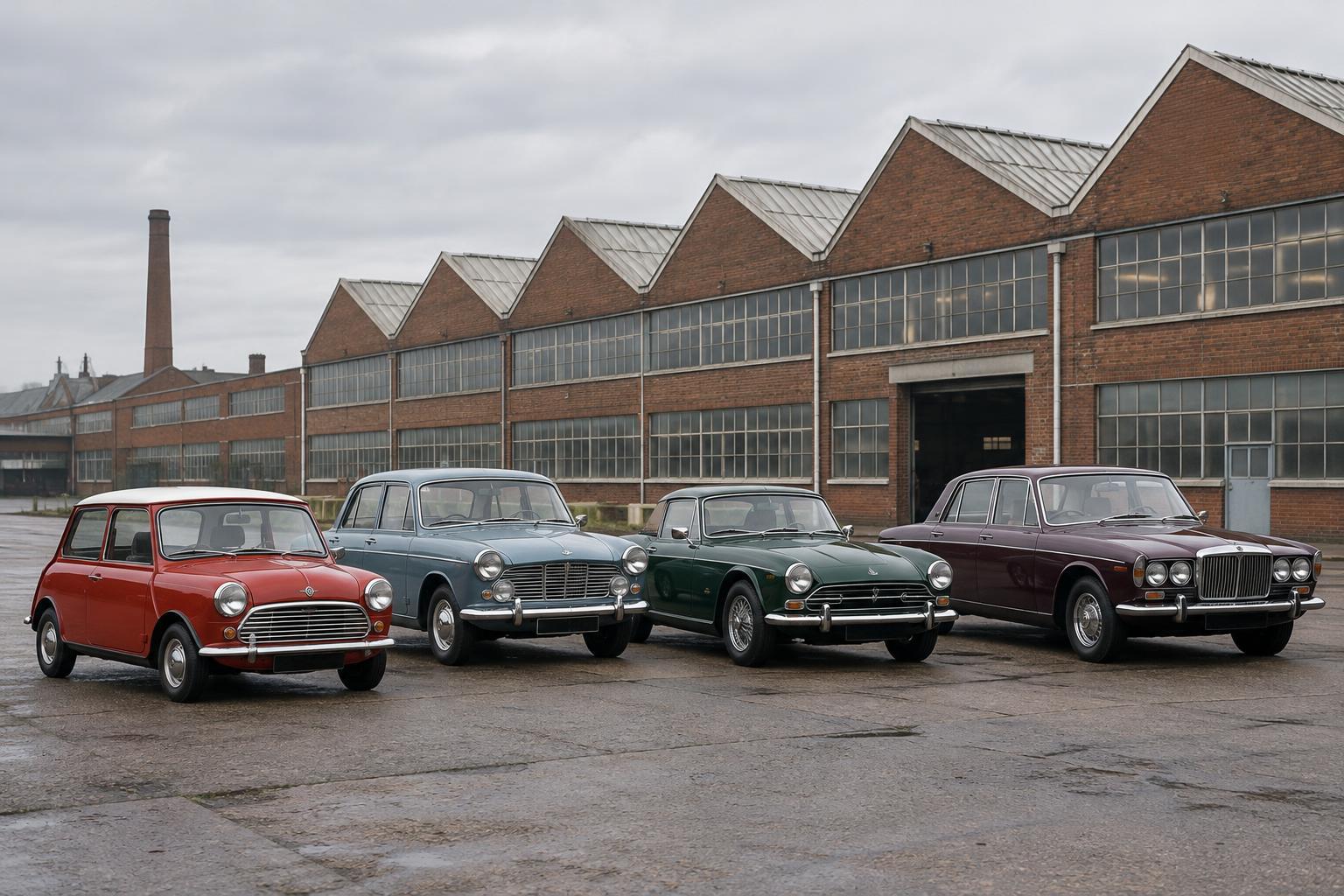
Classic Car HistoryThe creation of British Leyland brought many of Britain’s best-known marques under one roof. The merger promised the scale to compete, but it also joined companies with overlapping ranges and difficult choices ahead. Here is how it changed the cars, factories and identities that classic-car enthusiasts know today.
Read article · 4 min↗
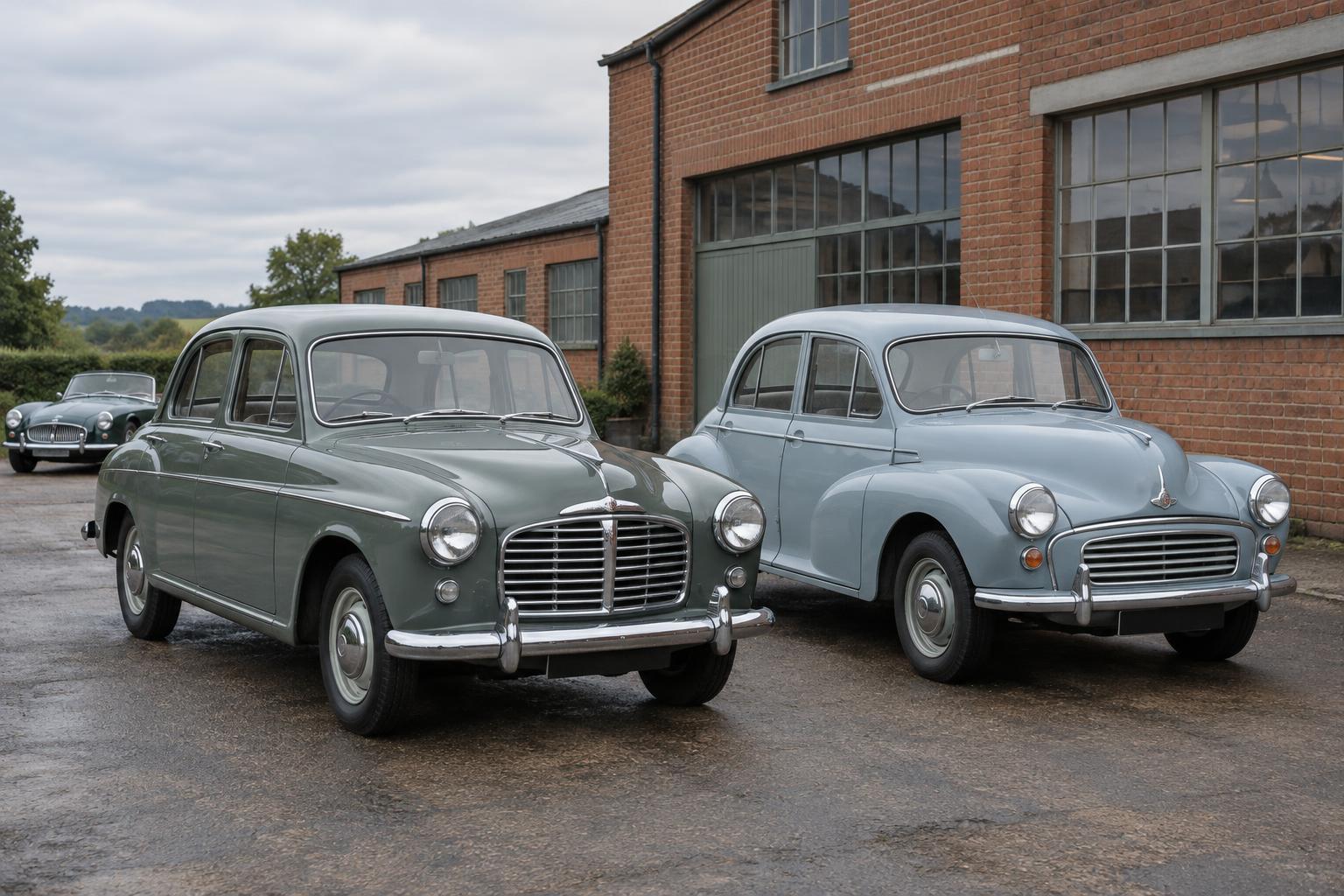
Classic Car HistoryWhen Austin and Morris came together in 1952, familiar British badges remained on showroom cars, but the companies behind them began to share resources and components. Here is how the formation of British Motor Corporation shaped Austin, Morris, MG, Riley and Wolseley.
Read article · 4 min↗
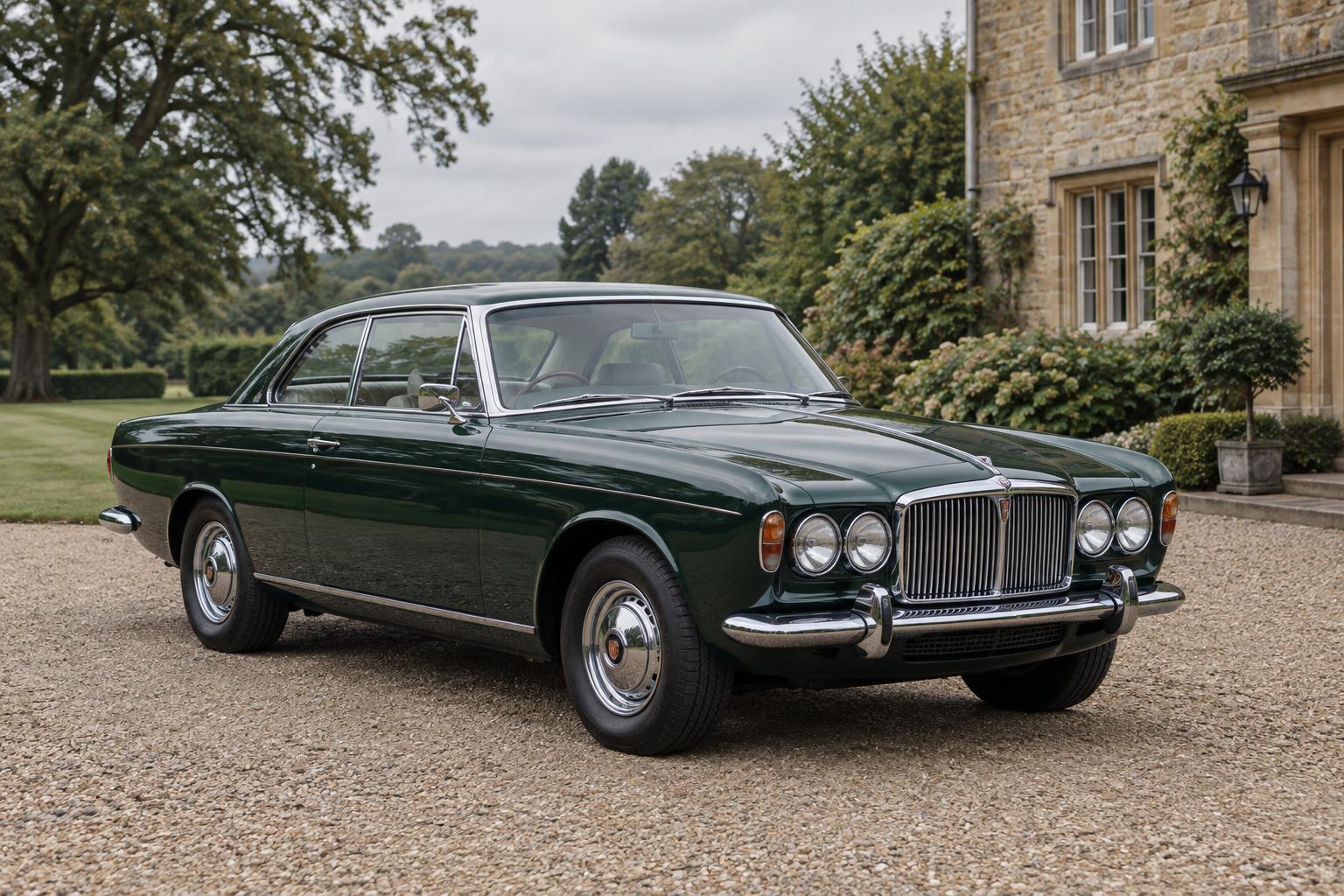
Classic Car HistoryIntroduced in 1958, the Rover P5 combined a spacious saloon body with a restrained sense of occasion. Its later four-door Coupé and V8-powered P5B made it one of Britain’s most recognisable executive cars. Here is how the range developed and what distinguishes its key versions.
Read article · 4 min↗
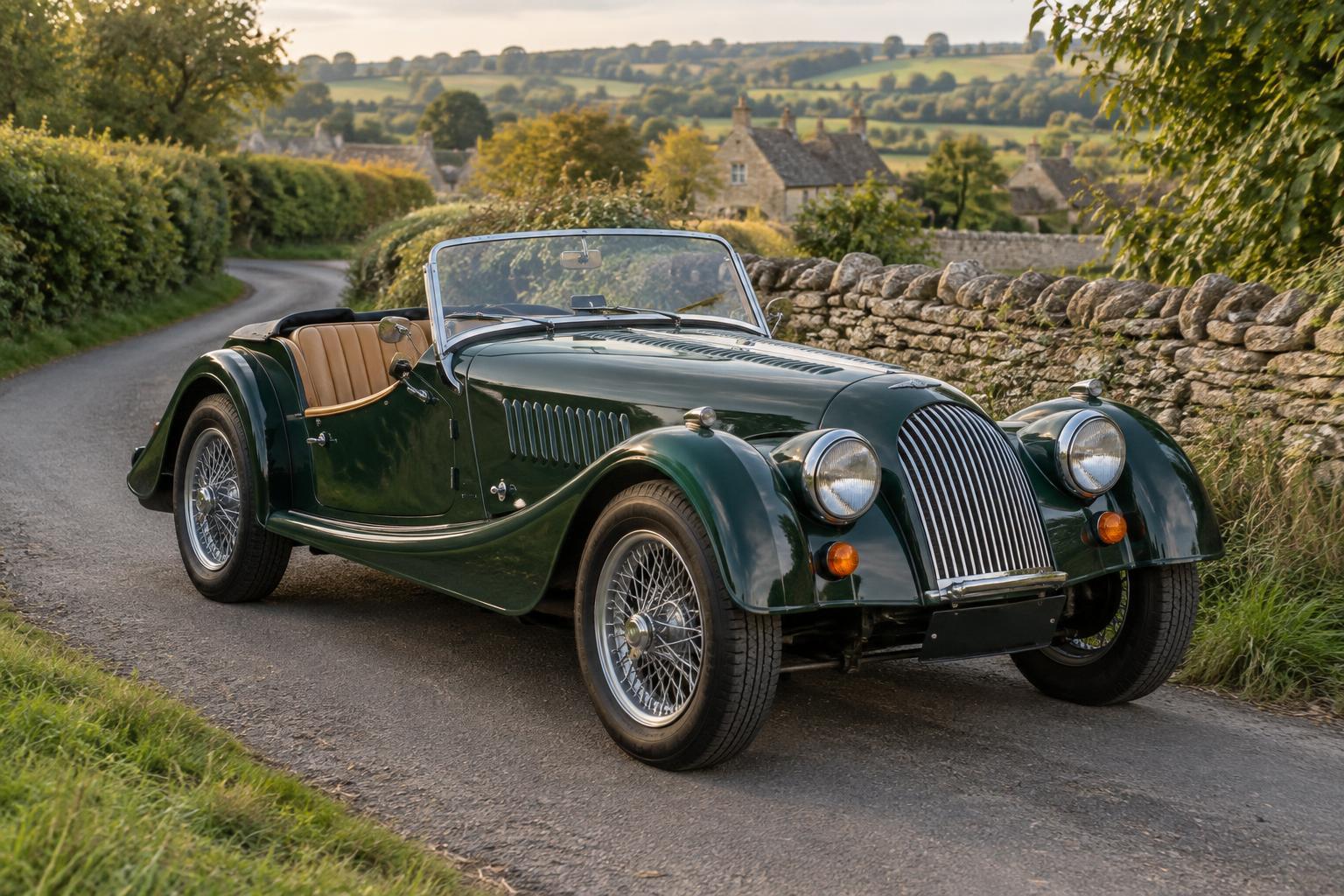
Classic Car HistoryIntroduced in 1936, the Morgan 4/4 brought four wheels and a four-cylinder engine to a maker known for three-wheelers. Its long history is a story of gradual mechanical change, enduring craftsmanship and the pleasures of modest, open-top motoring.
Read article · 4 min↗
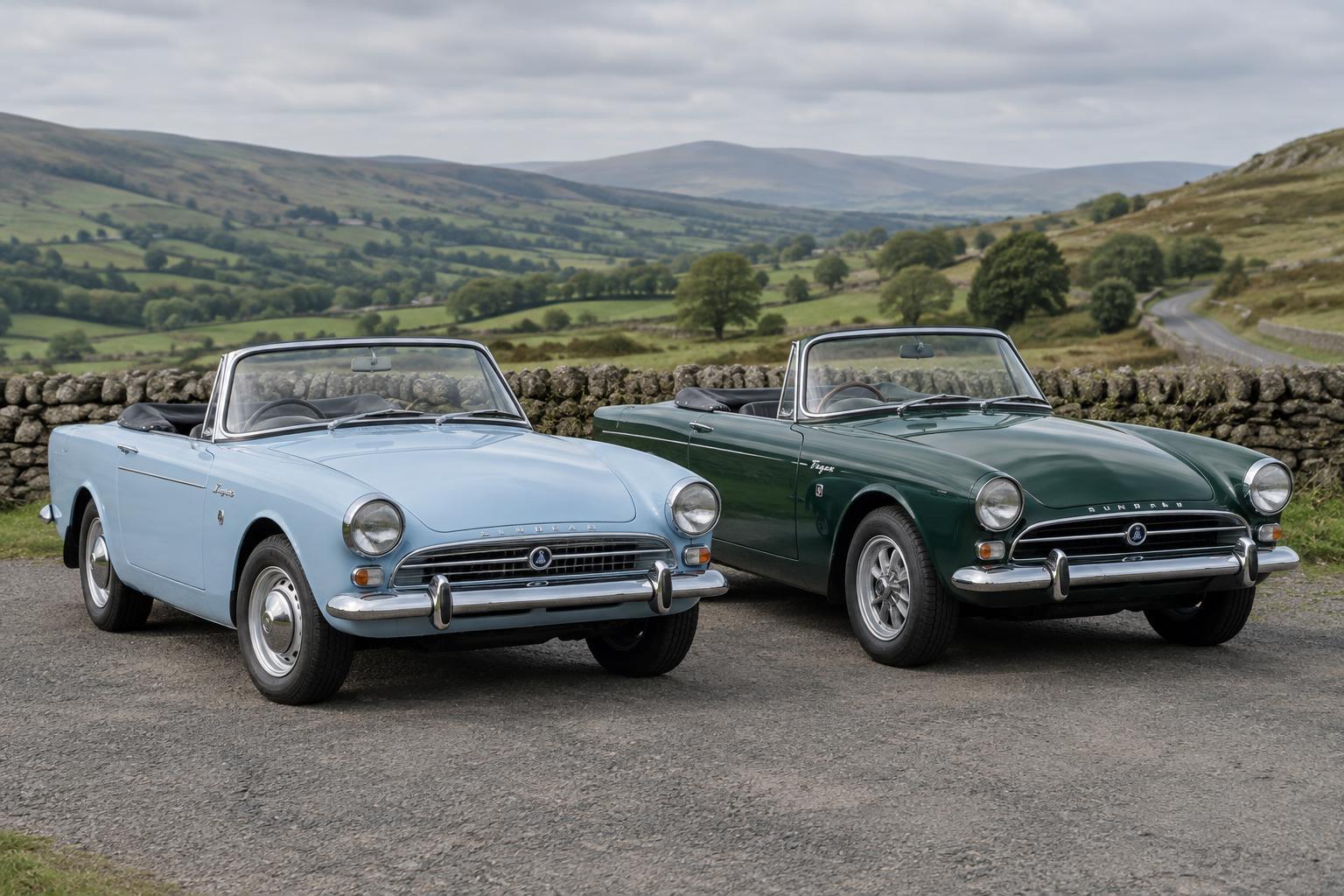
Classic Car HistoryThe Sunbeam Alpine and Tiger share a family resemblance, but their engines give them distinct characters. Explore how Rootes developed the Alpine, why the V8-powered Tiger followed, and what each car offers enthusiasts today.
Read article · 4 min↗
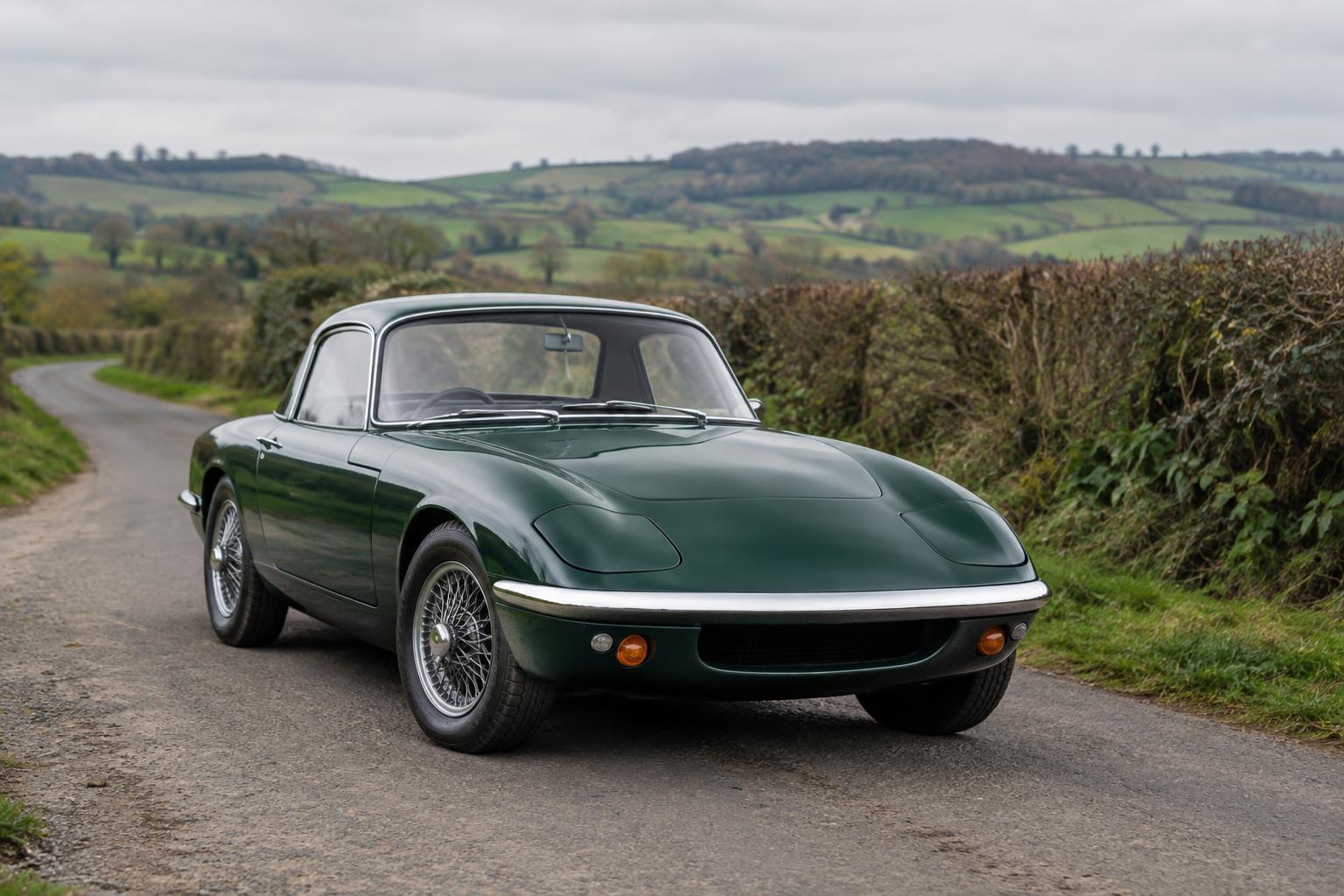
Classic Car HistoryIntroduced in the early 1960s, the original Lotus Elan paired a glassfibre body with a steel backbone chassis and a lively twin-cam engine. Its origins reveal how Lotus turned lightweight thinking into a sports car suited to the road.
Read article · 4 min↗
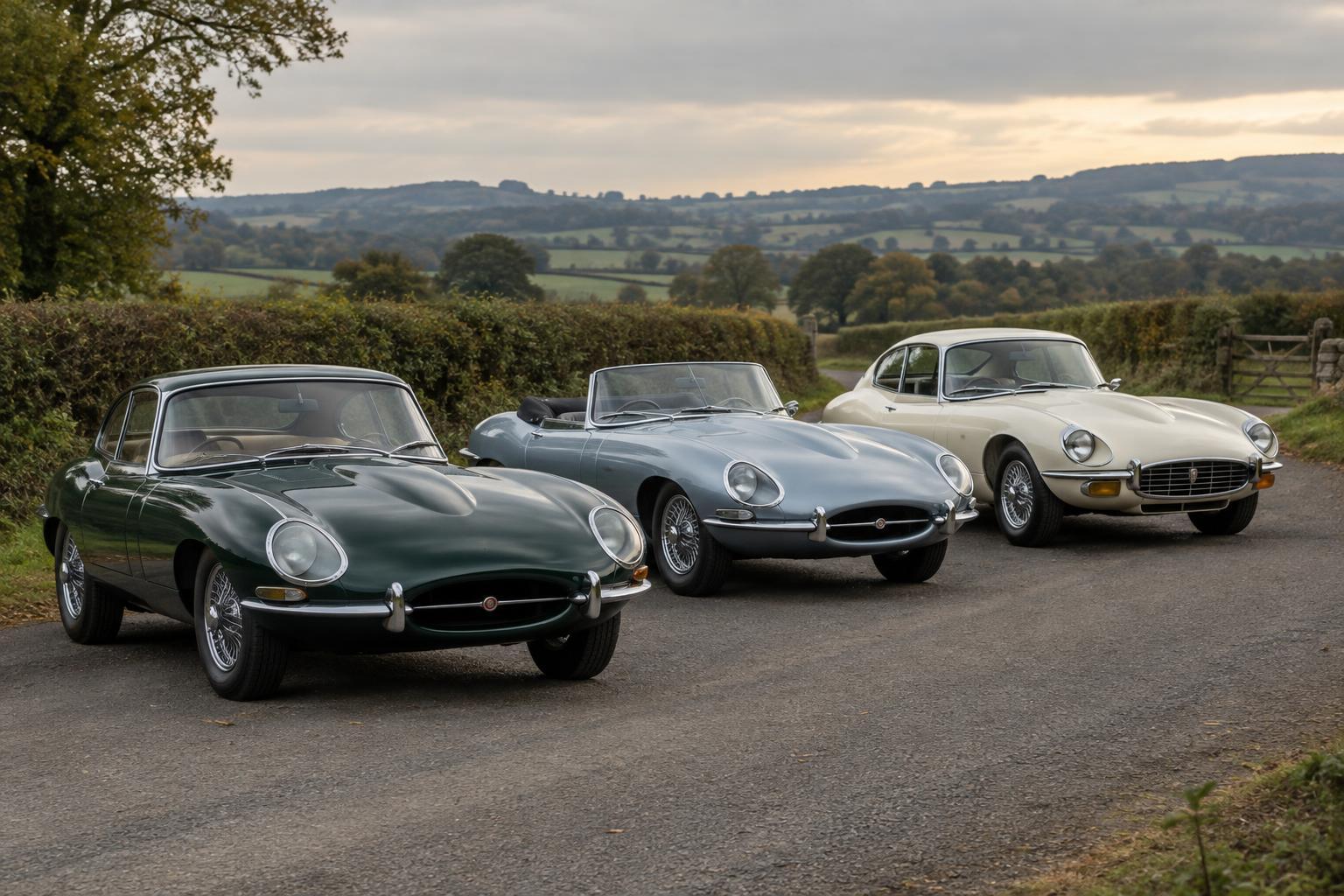
Classic Car HistoryLaunched in 1961, the Jaguar E-Type paired a striking shape with engineering intended for serious road use. Follow its development from the original six-cylinder cars through the more practical Series 2 and the V12-powered Series 3.
Read article · 4 min↗
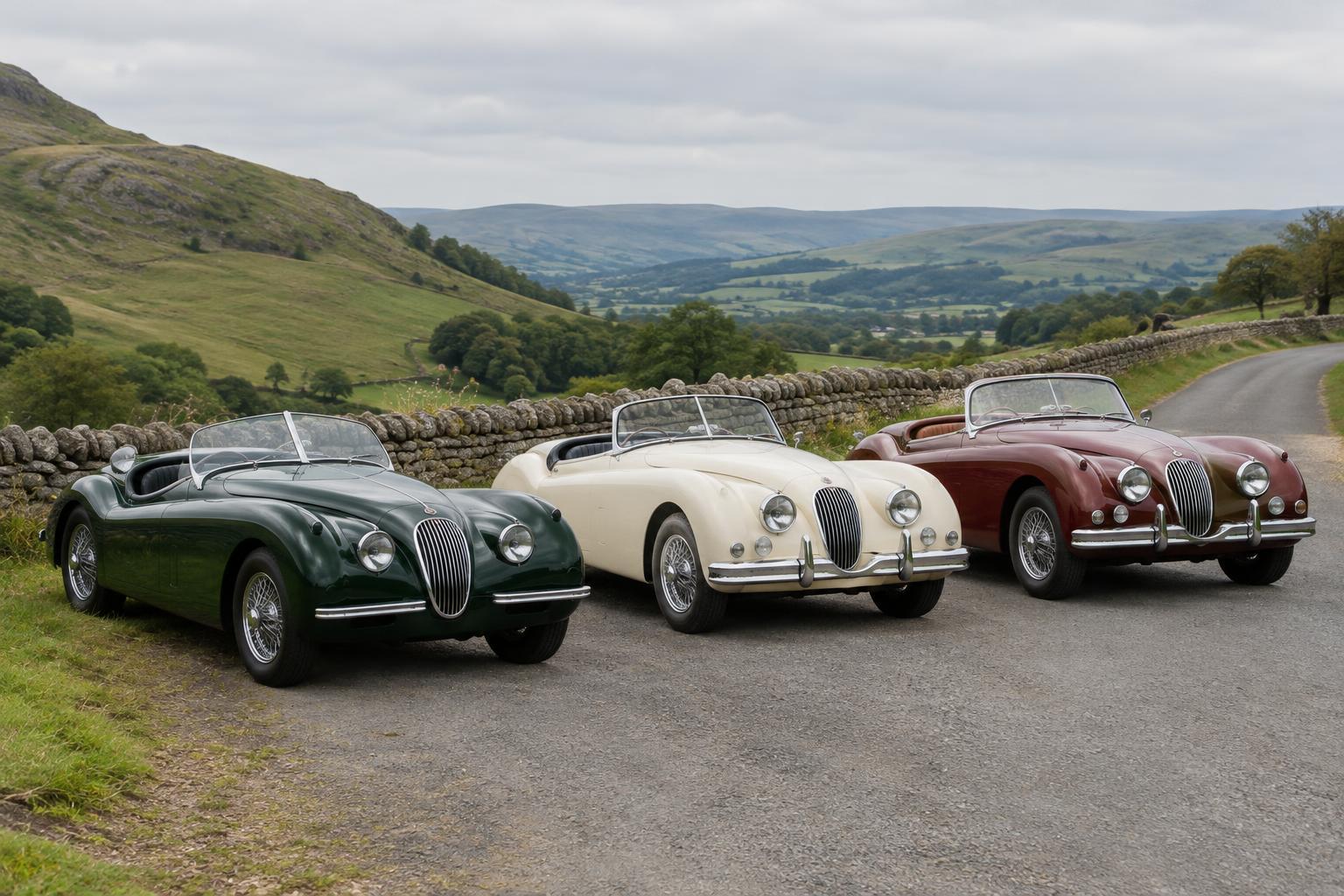
Classic Car HistoryFrom the striking XK120 to the more accommodating XK140 and refined XK150, Jaguar’s postwar sports cars tell a story of steady evolution. Here is how to distinguish the three models and understand what changed along the way.
Read article · 3 min↗
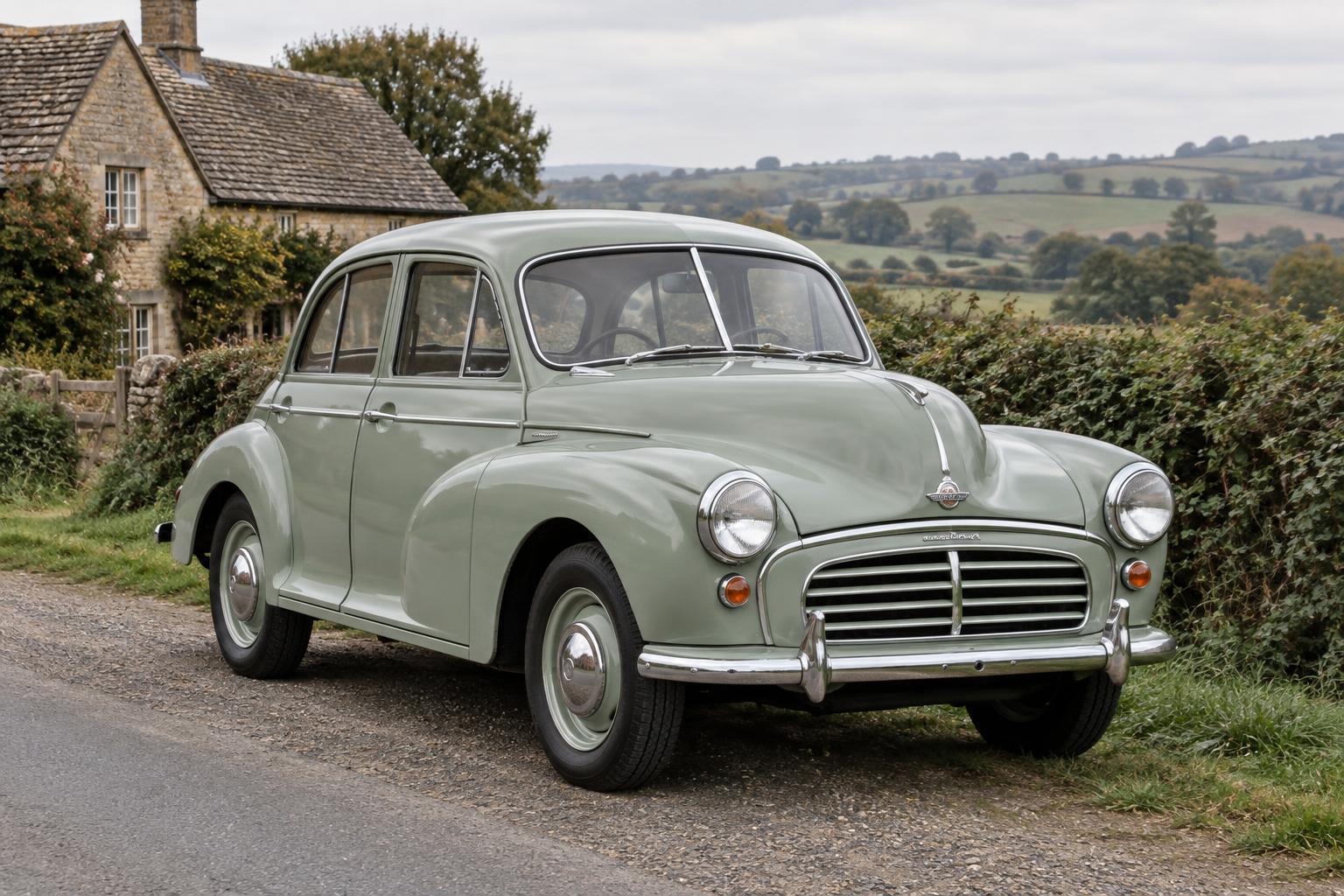
Classic Car HistoryIntroduced in 1948, the Morris Minor combined approachable motoring with a distinctive shape and a surprisingly long working life. Its story runs from everyday family journeys to the preservation of a familiar British classic.
Read article · 4 min↗
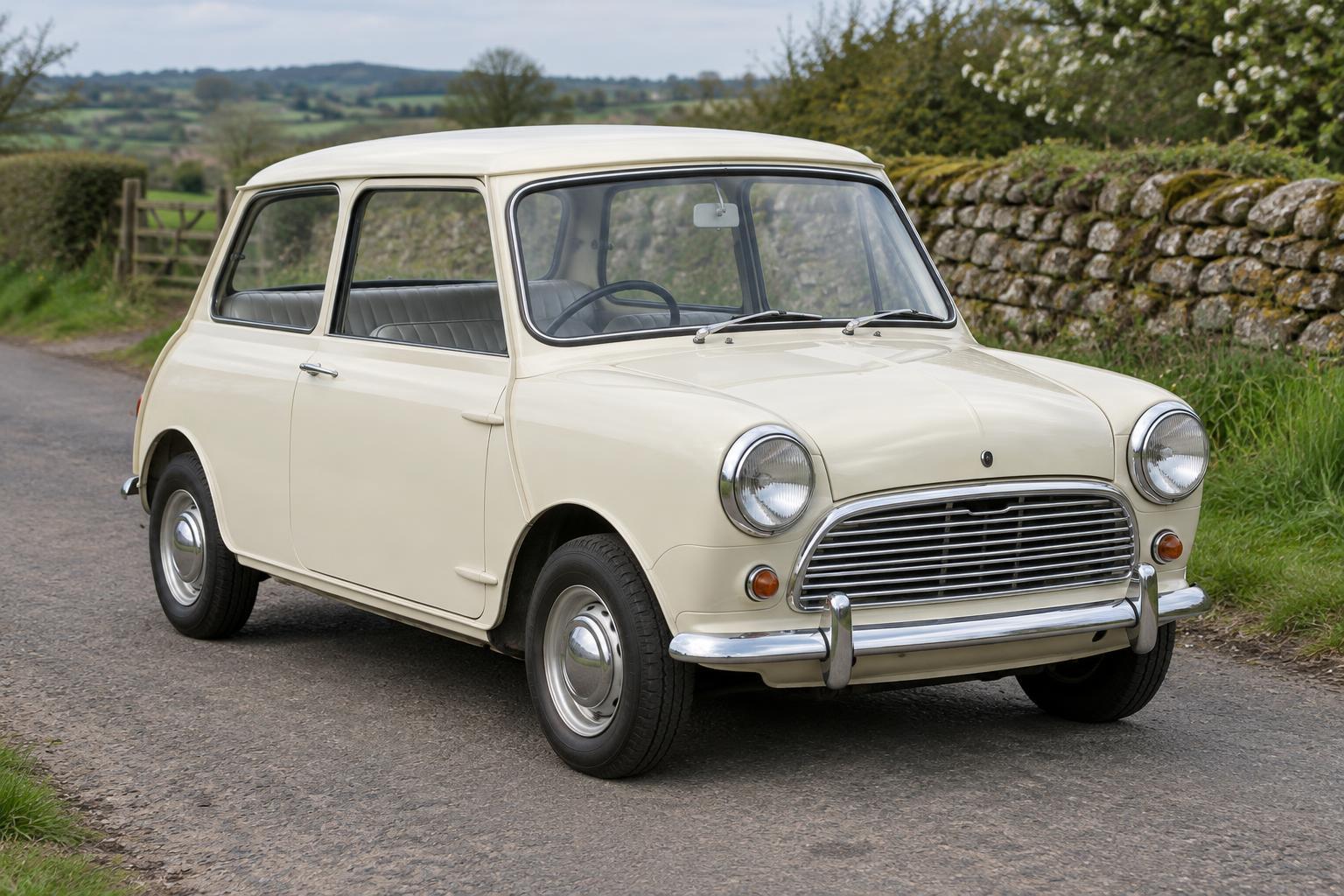
Classic Car HistoryThe original Mini changed British small-car design by putting packaging first. Here is how Alec Issigonis and his team turned a brief for economical transport into a distinctive car, and how the design developed in its early years.
Read article · 4 min↗
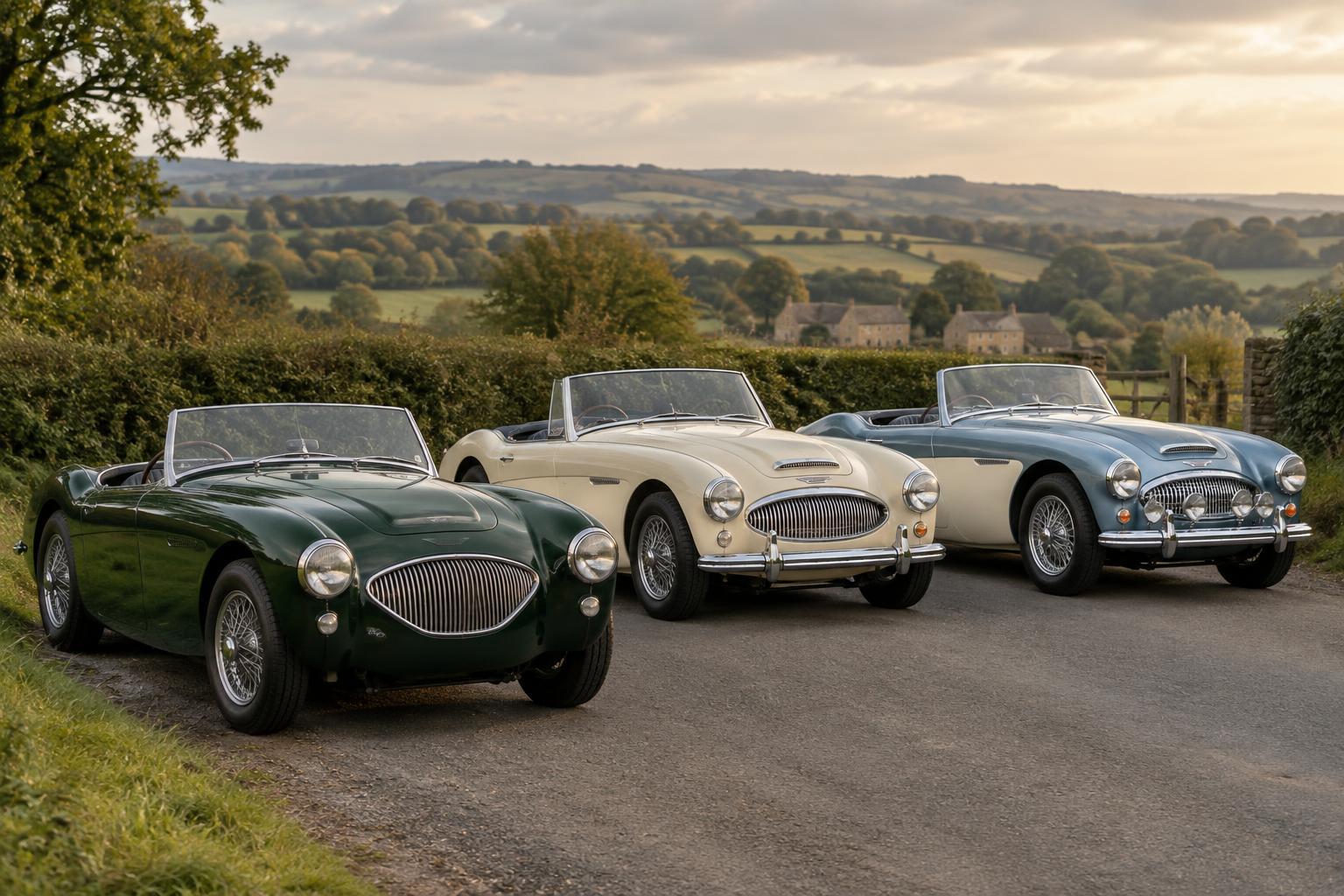
Classic Car HistoryThe Big Healey grew from a lean four-cylinder roadster into a more powerful six-cylinder grand tourer. Follow the key changes from the Austin-Healey 100 through the 100-Six and 3000, and see why each version has a distinct appeal.
Read article · 4 min↗
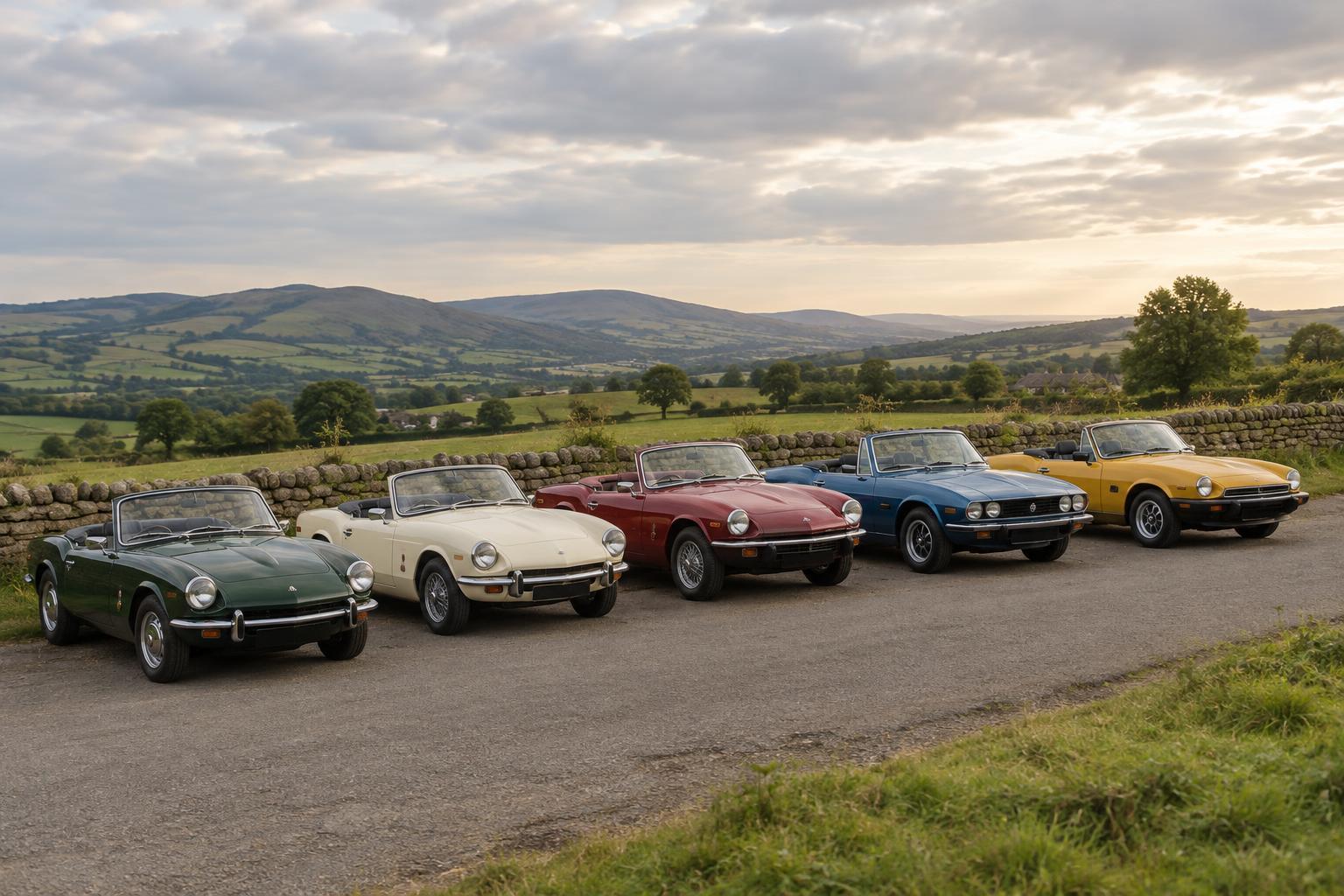
Classic Car HistoryFrom the early 1147 cc cars to the torquier 1500, the Triumph Spitfire evolved through five generations without losing its small-roadster character. Here is how to tell the versions apart and what their changes mean to enthusiasts today.
Read article · 4 min↗
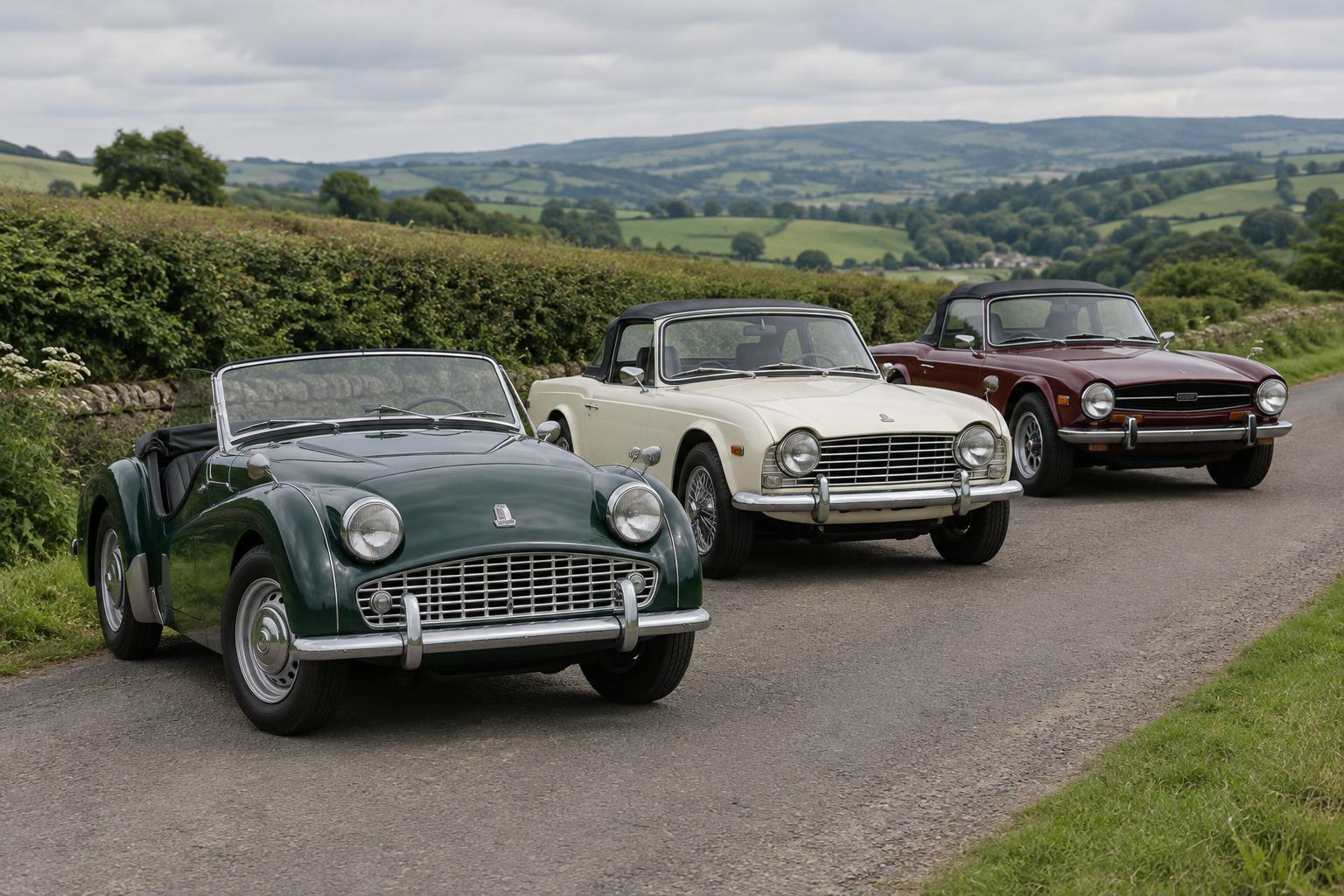
Classic Car HistoryTriumph’s TR series changed from a spare, open two-seater into a more substantial six-cylinder grand tourer. Follow the key steps from TR2 to TR6, and see how styling, engines and suspension shaped each car’s character.
Read article · 4 min↗
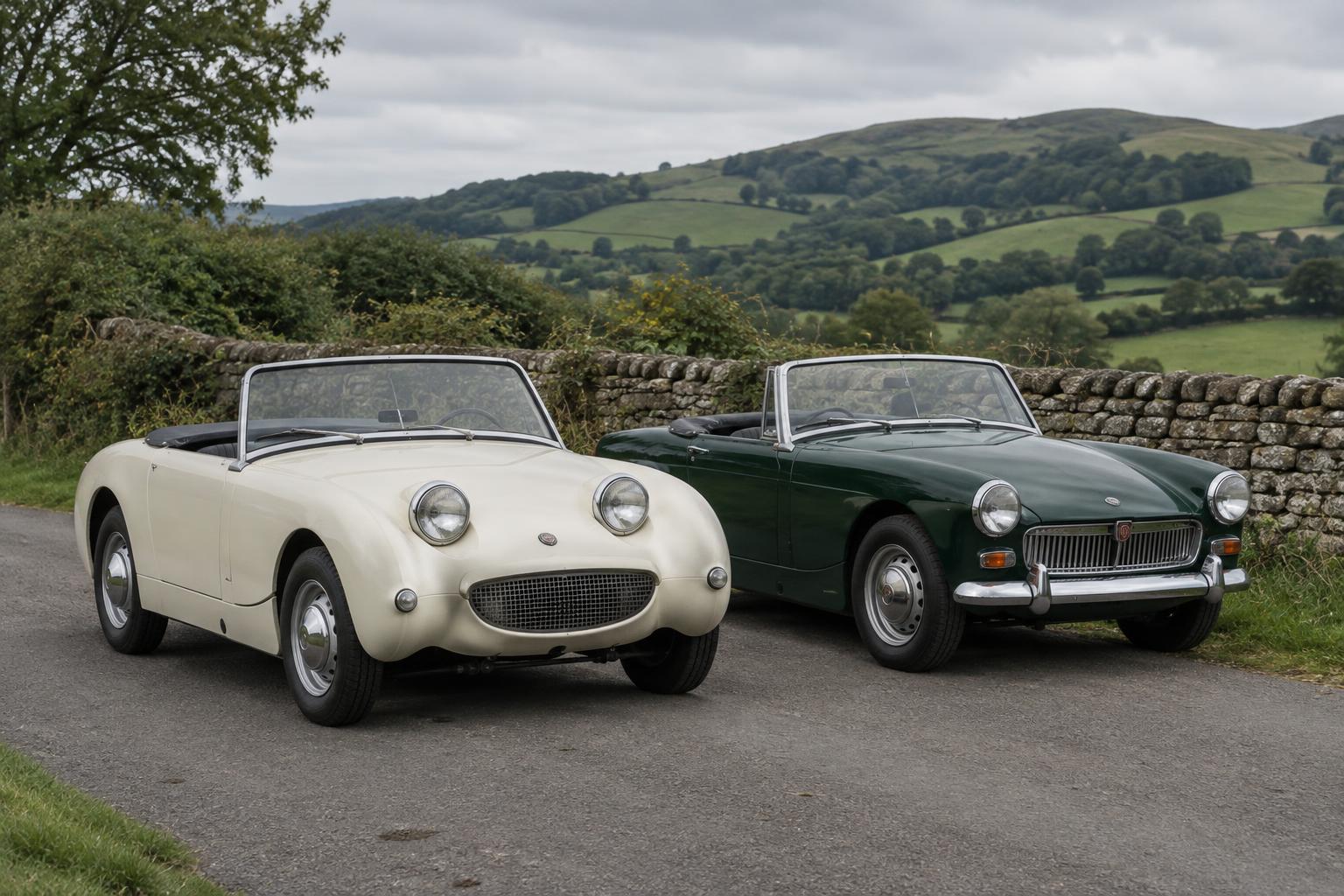
Classic Car HistoryThe Austin-Healey Sprite and MG Midget brought small, lively roadsters to generations of drivers. From the distinctive “Frogeye” Sprite to the later badge-engineered pair, their shared history explains both their enduring appeal and the differences worth knowing.
Read article · 4 min↗
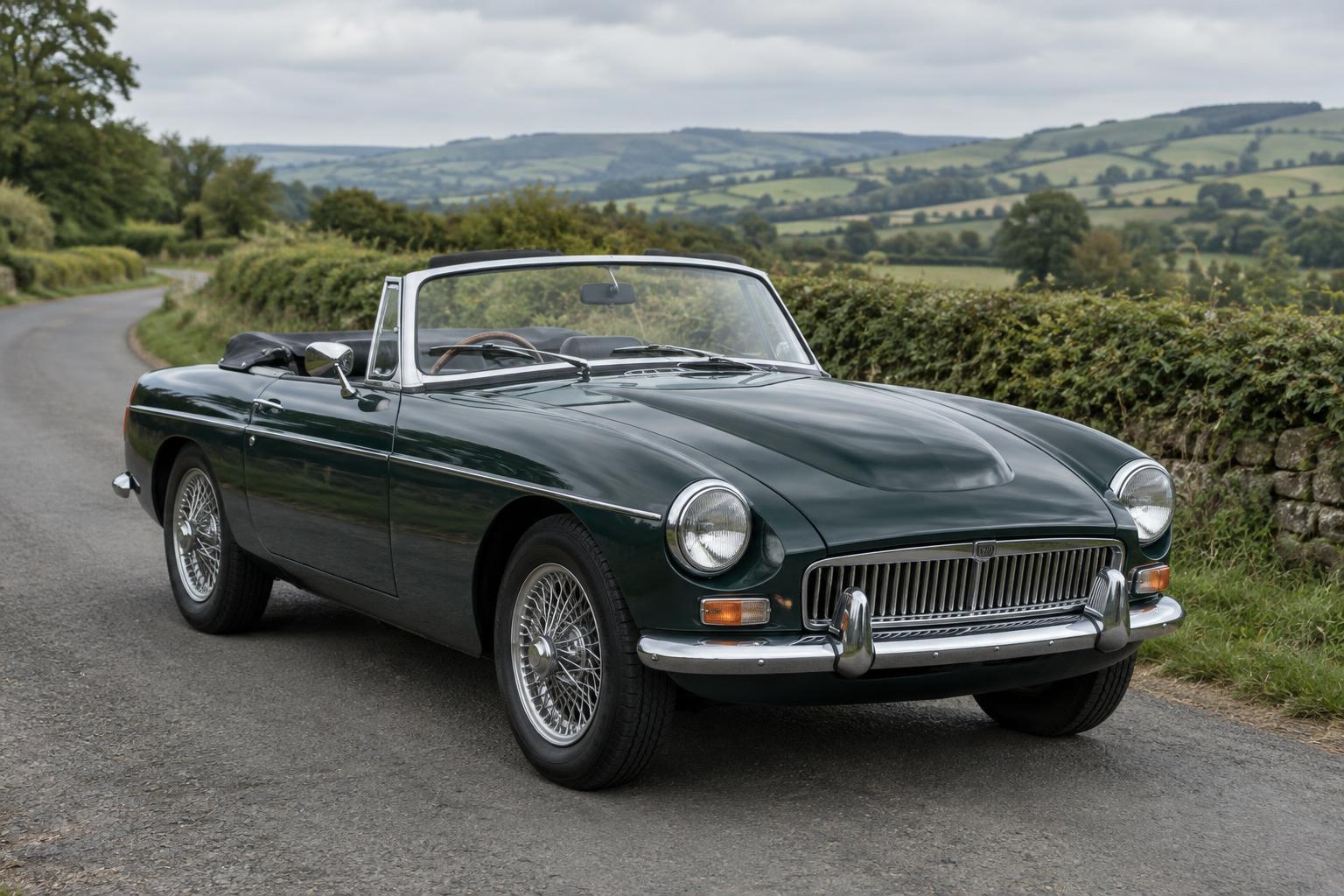
Classic Car HistoryThe MGC paired familiar MGB styling with a larger six-cylinder engine. Its story is about more than extra power: it reflects a search for a comfortable, longer-legged British sports car and the compromises involved in fitting one into an existing design.
Read article · 4 min↗
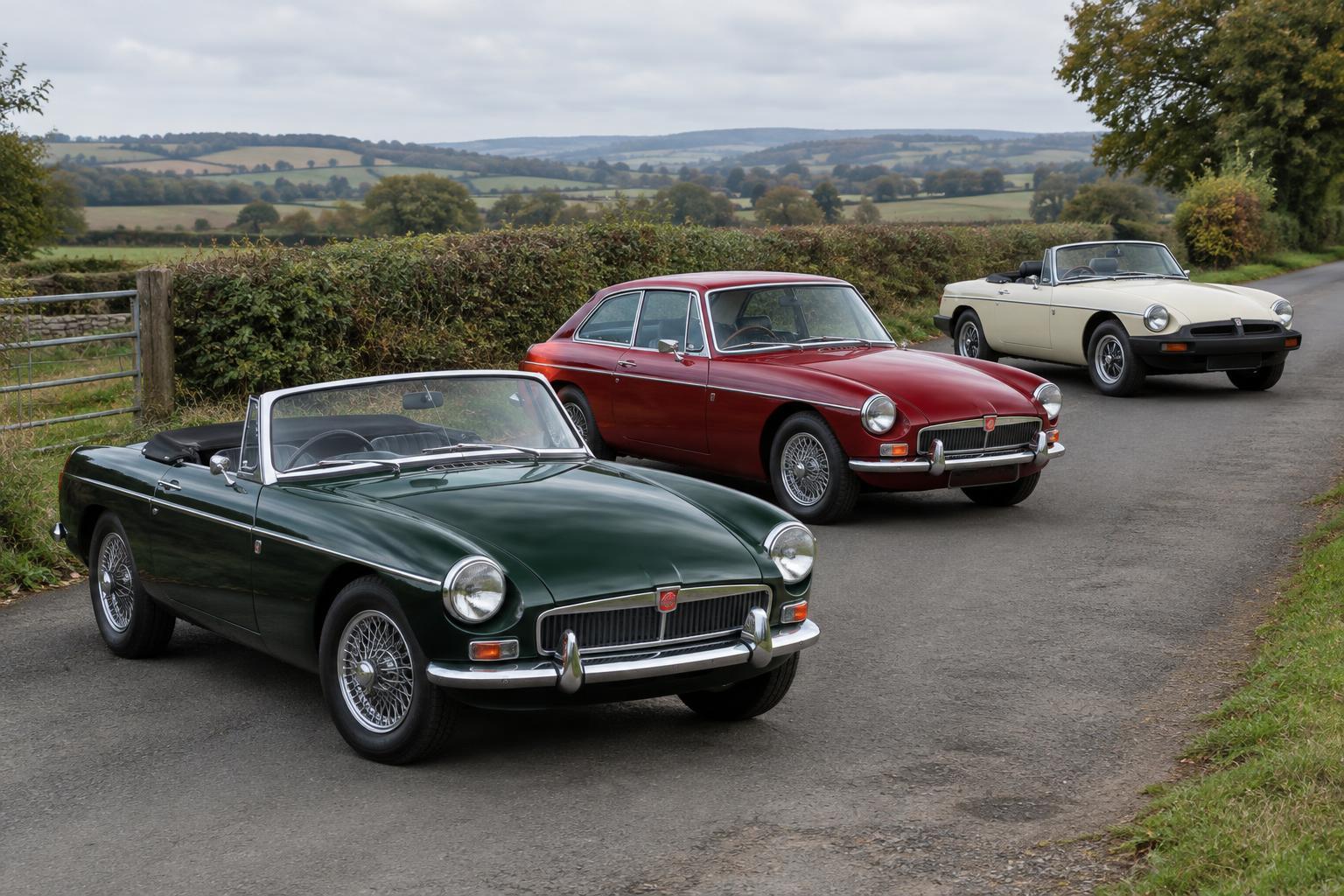
Classic Car HistoryLaunched as a roadster in 1962, the MGB evolved through a GT version, mechanical updates, changing safety and emissions requirements, and a distinctive late-production appearance. Its history is best understood as a series of practical adaptations to a long-lived design.
Read article · 4 min↗
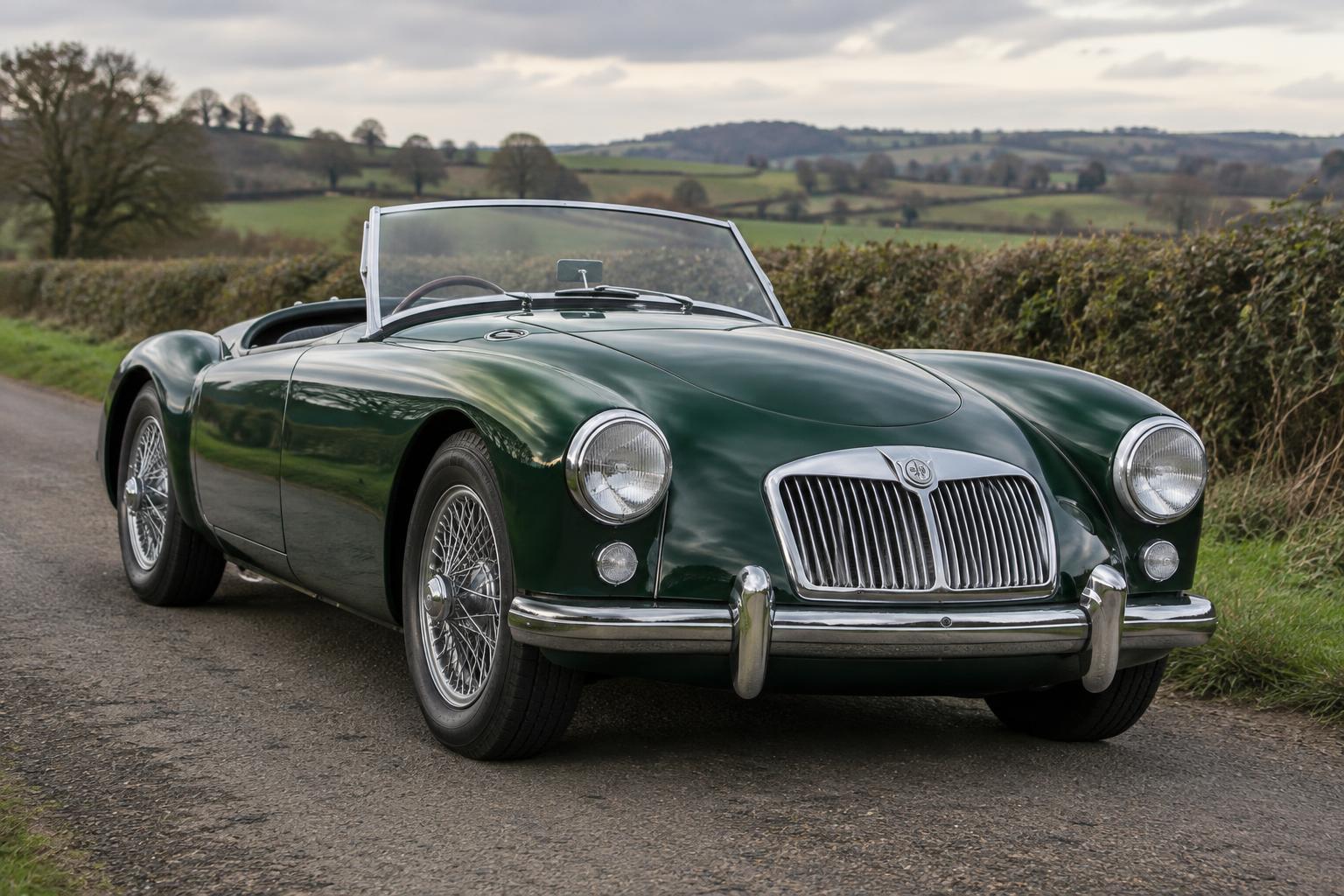
Classic Car HistoryWhen the MGA arrived in 1955, its low bonnet and flowing wings marked a decisive break from MG’s familiar T-series roadsters. The change was more than cosmetic: it reflected new expectations of how a British sports car should look and feel.
Read article · 3 min↗
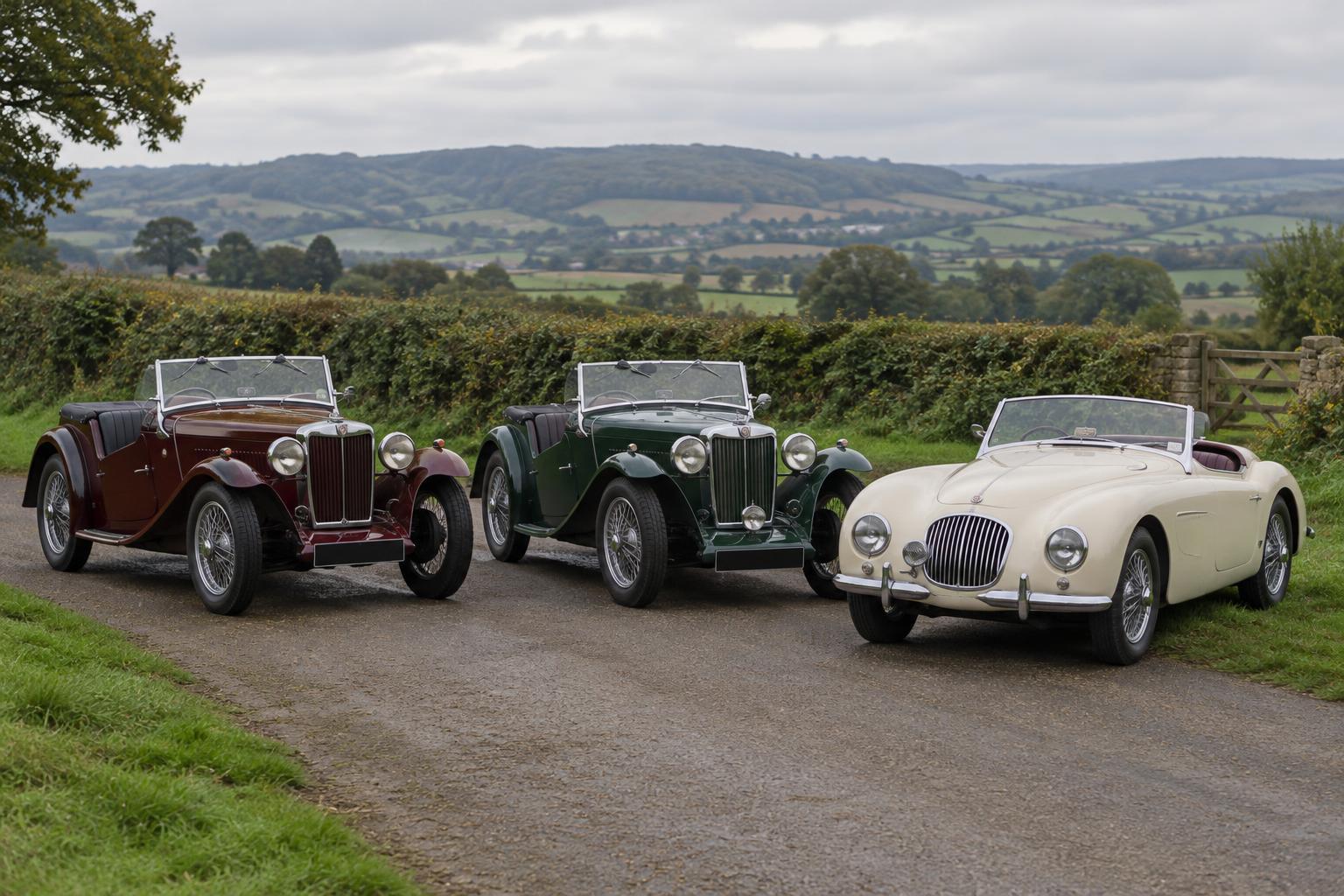
Classic Car HistoryFrom the TA’s arrival before the Second World War to the final TF 1500, the MG T-Series kept the look and feel of an earlier sporting era while changing beneath the surface. Here is how the five models fit together—and why they still appeal to classic-car enthusiasts.
Read article · 4 min↗
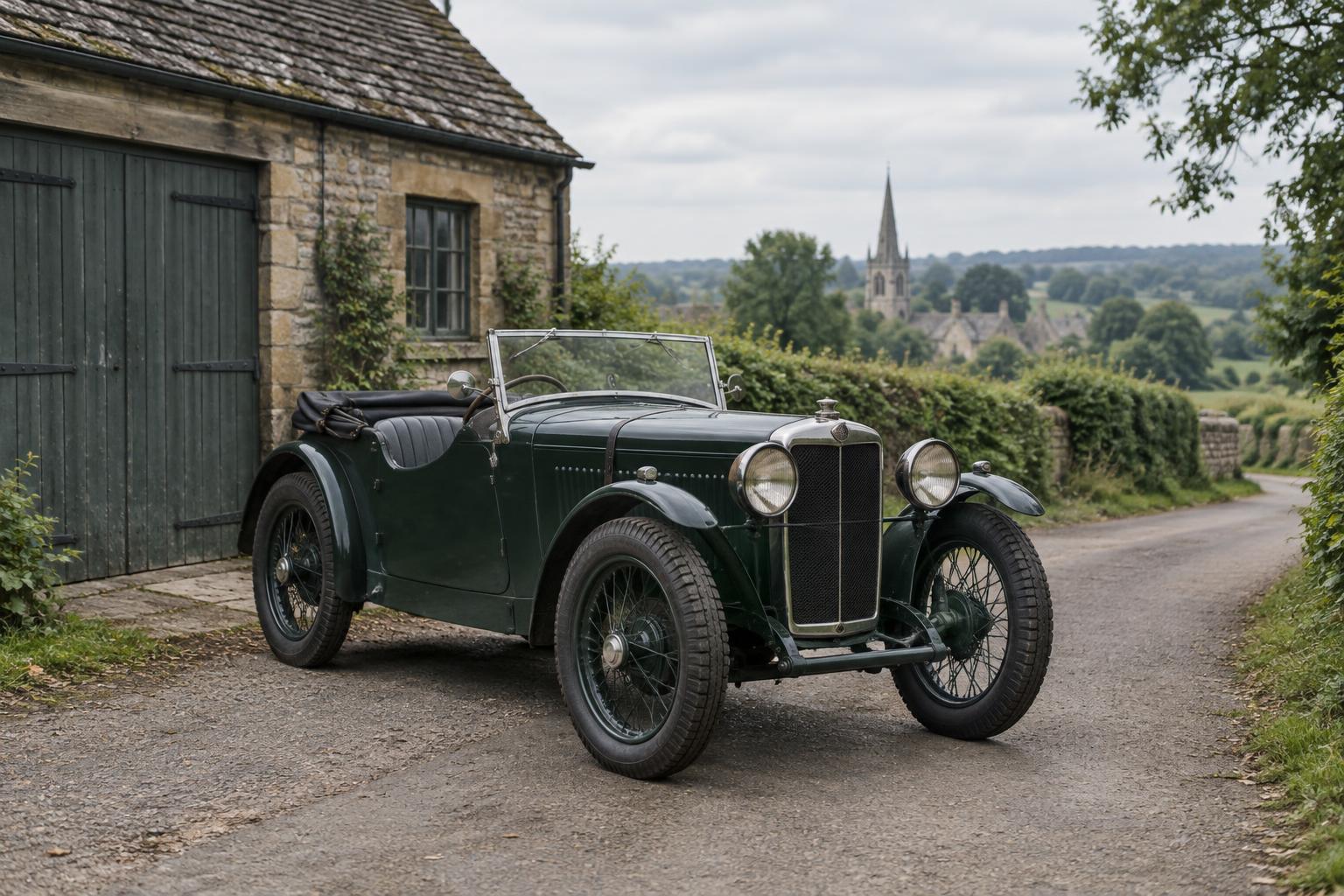
Classic Car HistoryMG began not as a standalone carmaker but as an Oxford garage giving Morris cars a sportier character. Its early history follows the work of Cecil Kimber, the appeal of practical sports cars and the gradual shift toward cars designed and built under the MG name.
Read article · 4 min↗
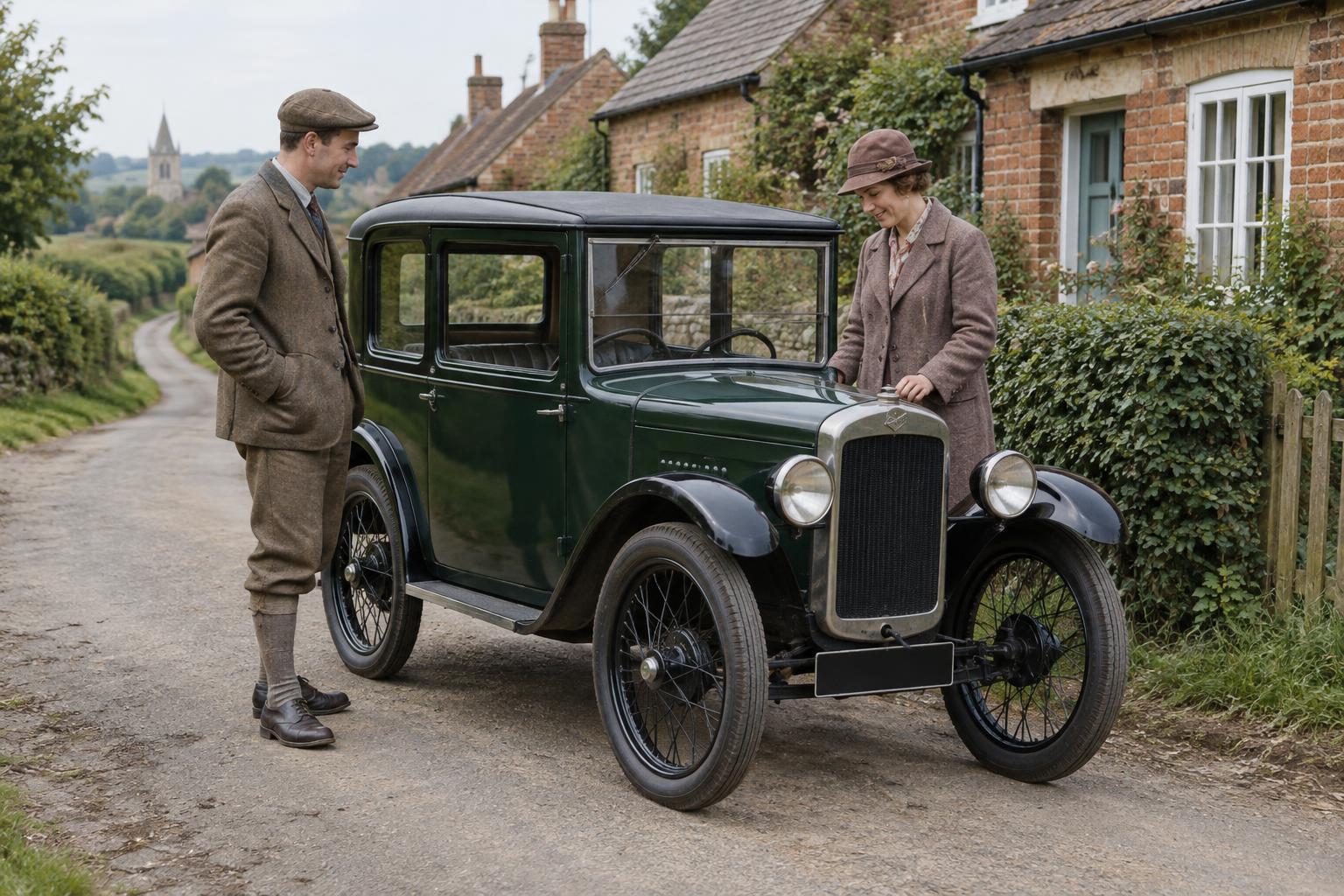
Classic Car HistoryIntroduced in 1922, the Austin Seven offered a compact alternative to larger cars and motorcycle combinations. Its appeal lay not in making motoring cheap for everyone, but in making a practical small car attainable for more British households.
Read article · 3 min↗