A merger intended to create strength
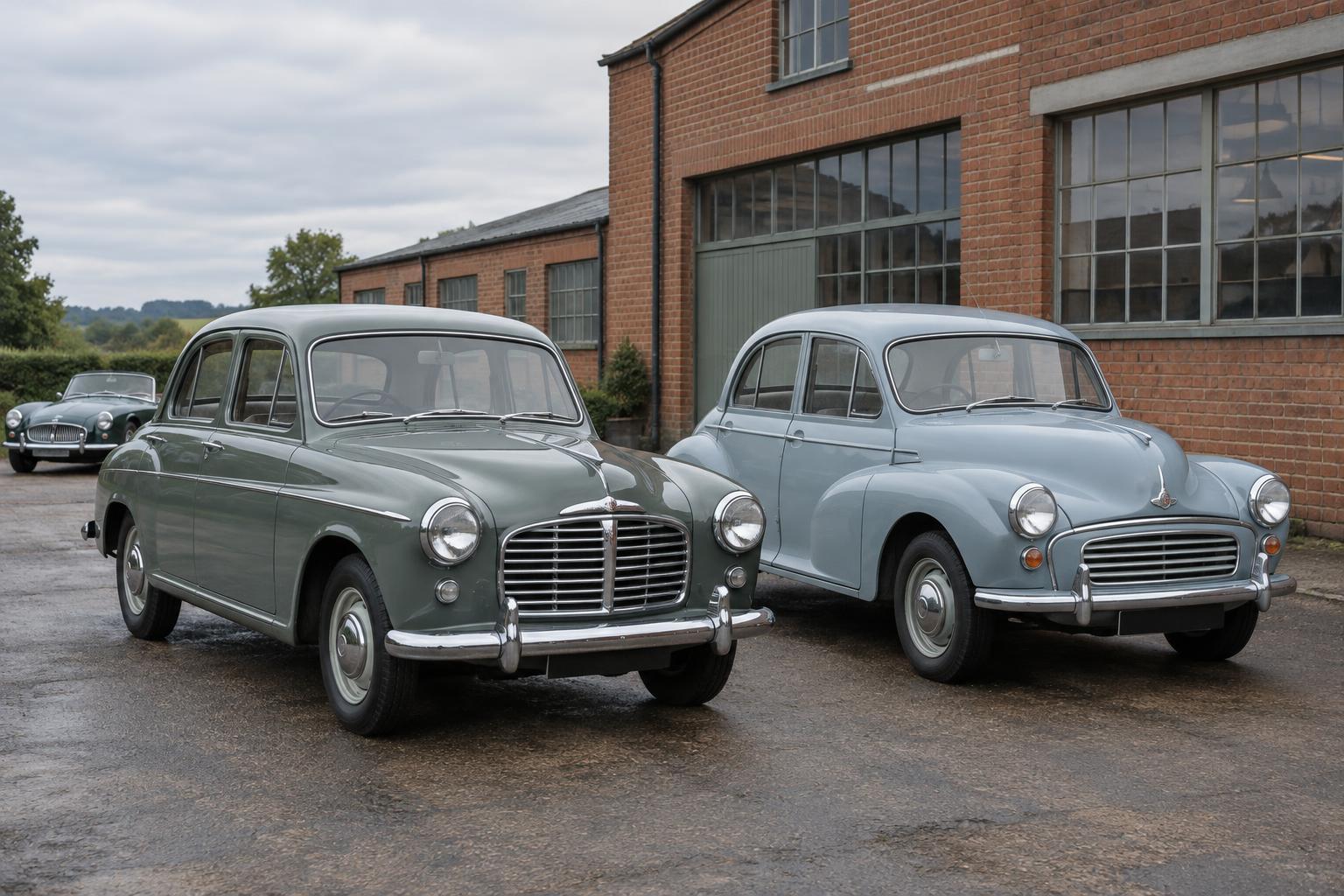
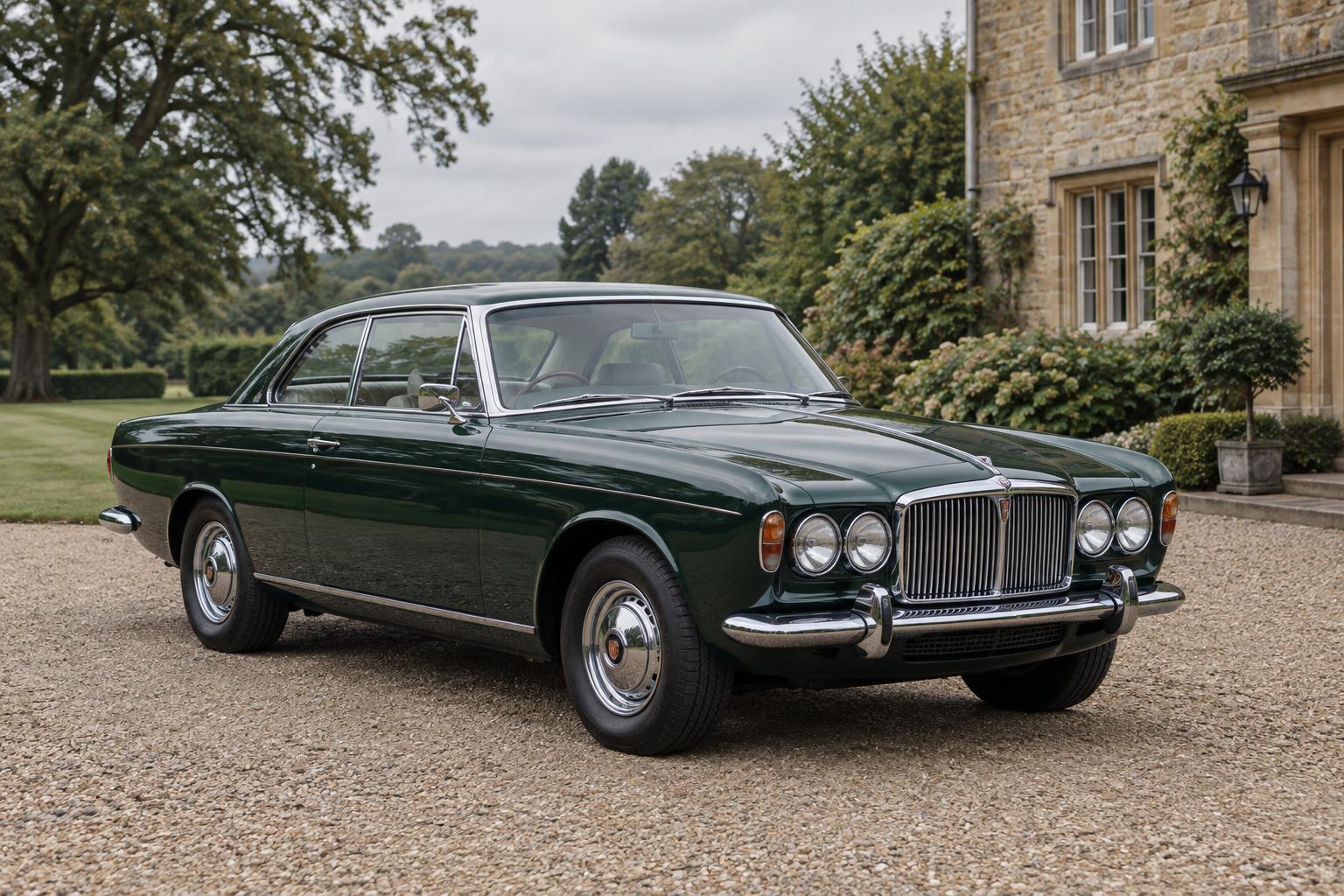
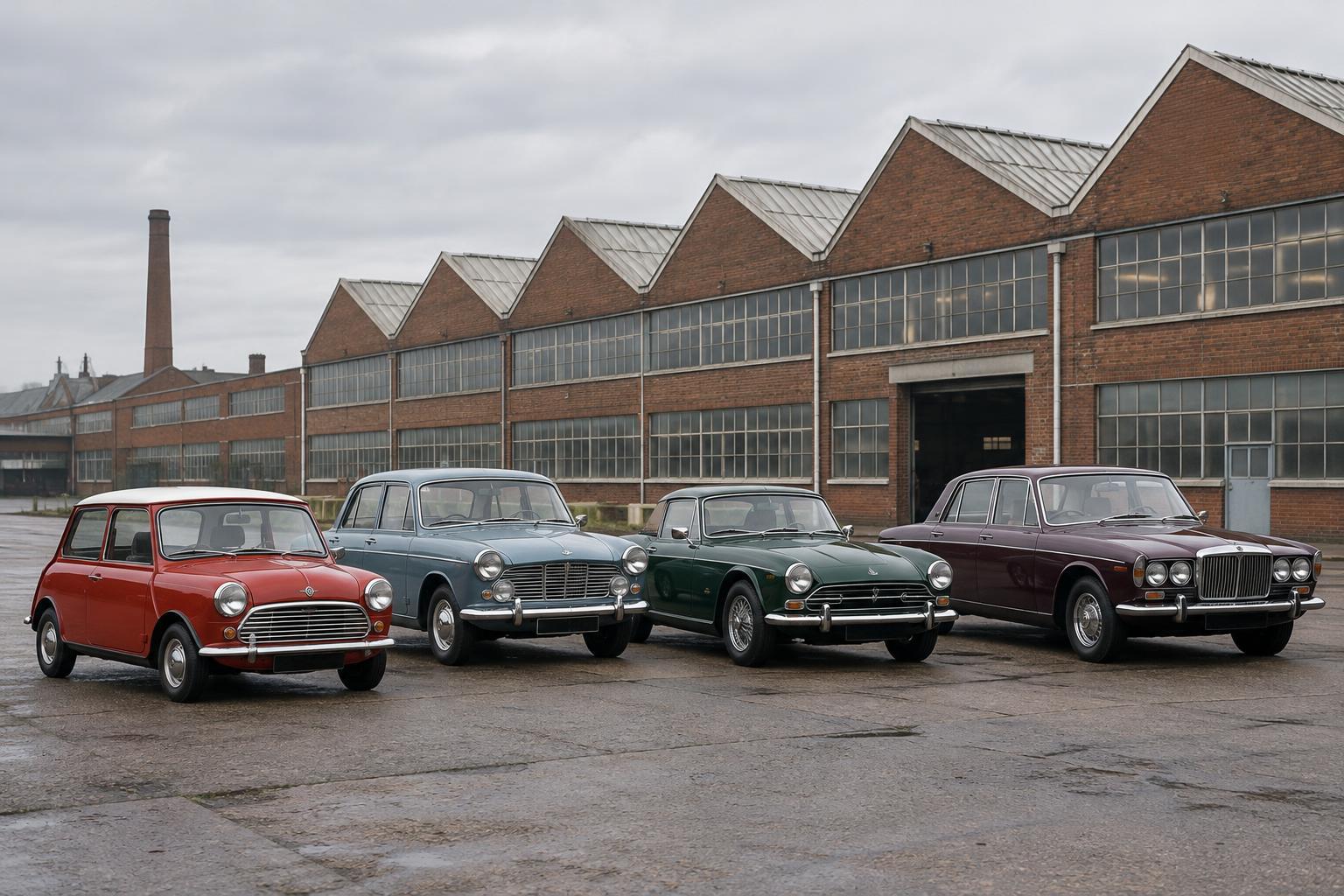
British Leyland Motor Corporation was formed in 1968 by bringing together British Motor Holdings and the Leyland Motor Corporation. The resulting group contained an extraordinary collection of names. Austin, Morris, MG, Jaguar and Daimler came from one side; Triumph, Rover and Land Rover were among the marques on the other. The business also made commercial vehicles. For an enthusiast, the scale of that combined stable is striking. For its managers, it presented an immediate question: how could so many distinct businesses work as one?
The merger was intended to give British manufacturers greater scale at a time when carmaking demanded substantial investment. Developing new models, updating factories and selling cars abroad all required resources. Combining companies offered the prospect of sharing those costs. Yet a larger organisation was not automatically a simpler one. British Leyland inherited different factories, engineering approaches, dealer networks and product plans, as well as cars already competing for similar buyers.
Famous badges, overlapping ranges
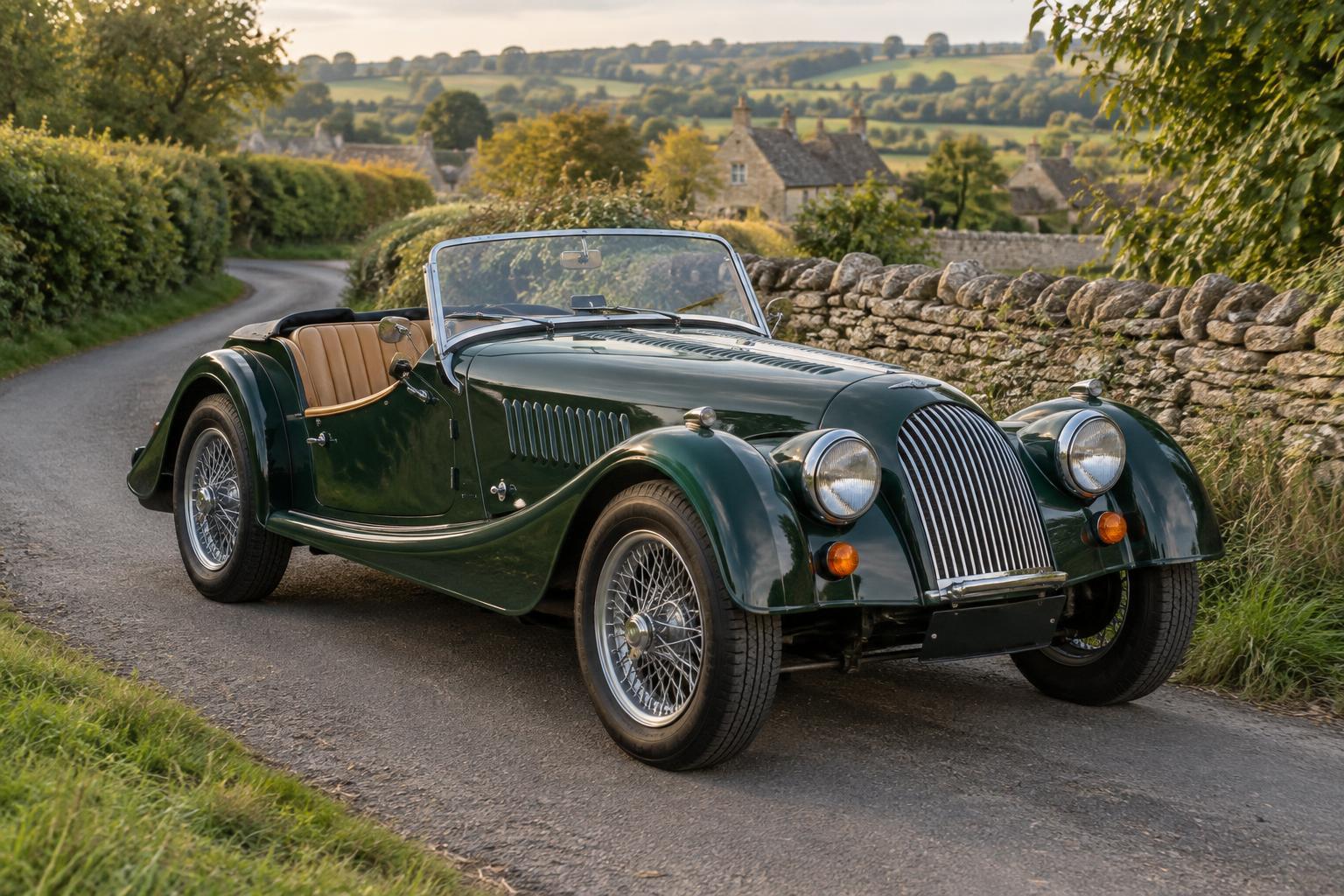
Before the merger, Britain’s marques had built identities that meant something to customers. An MG appealed to buyers looking for an accessible sports car; Triumph offered its own sports cars and saloons; Rover was associated with a different kind of motoring from Austin or Morris. Bringing these badges into one group made it possible to plan a coordinated range, but deciding which models deserved investment could also mean disappointing loyal owners or dealers.
The difficulty was especially visible in sports cars. The MGB and Triumph’s sports-car range did not become the same car simply because their makers now shared a parent company. Existing designs, production arrangements and customer expectations remained. More broadly, the group had to balance the appeal of familiar models against the need for replacements. Some well-loved cars, including the Mini and MGB, had been created before British Leyland existed. Their later histories cannot be understood as products of the merger alone.
Why size did not solve every problem
A merger can make resources available across a business, but it cannot instantly modernise a factory or turn several model programmes into a clear plan. British Leyland faced the practical challenge of coordinating its many operations while paying for new cars and production equipment. Industrial disputes, management difficulties and uneven investment complicated that work. Competition from other manufacturers continued to grow, and buyers could compare British cars with an expanding choice of alternatives.
It is tempting to treat British Leyland as a single explanation for every later problem in the industry. That misses the pressures the group inherited and the differences between its vehicles. Cars built under the British Leyland umbrella ranged from modest family transport to luxury saloons and capable off-road vehicles. Their designs, reception and ownership experiences were not uniform. In 1975, the government took a controlling stake and the business was reorganised, underscoring how difficult it had become to fund and manage the combined operation.
A lasting change to Britain’s motoring map
British Leyland changed the industry partly by changing who made its decisions. Marques that had once belonged to separate companies now had to compete for resources within the same group. Choices about a replacement model, a factory or a badge became connected to the future of other names in the stable. As the business evolved, some identities survived in new forms while others faded from new-car showrooms.
The merger also left a complicated legacy for classic-car enthusiasts. It helps explain why related British cars can have very different characters, why some models remained in production for years, and why a badge’s history does not always follow a neat corporate line. A later car may carry a familiar name without being a direct continuation of the earlier model that made it famous.
How to read a classic car through this history
When looking at a car from the British Leyland era, start with its model history rather than assuming the group designed it from scratch. Ask when the original design appeared, which company began the project and how the car changed during production. Then consider where it sat among the group’s other models. An MGB, a Triumph TR6 and a Rover SD1 tell different stories, even though their production histories overlap with the British Leyland years.
That approach gives a fuller picture than either nostalgia or a blanket verdict on quality. The creation of British Leyland was an ambitious attempt to preserve and strengthen a broad British car industry. It also exposed how hard it was to combine established marques while developing competitive new cars. The classics left behind are reminders of both sides of that story: distinctive engineering and design, alongside the difficult decisions required to sustain them.