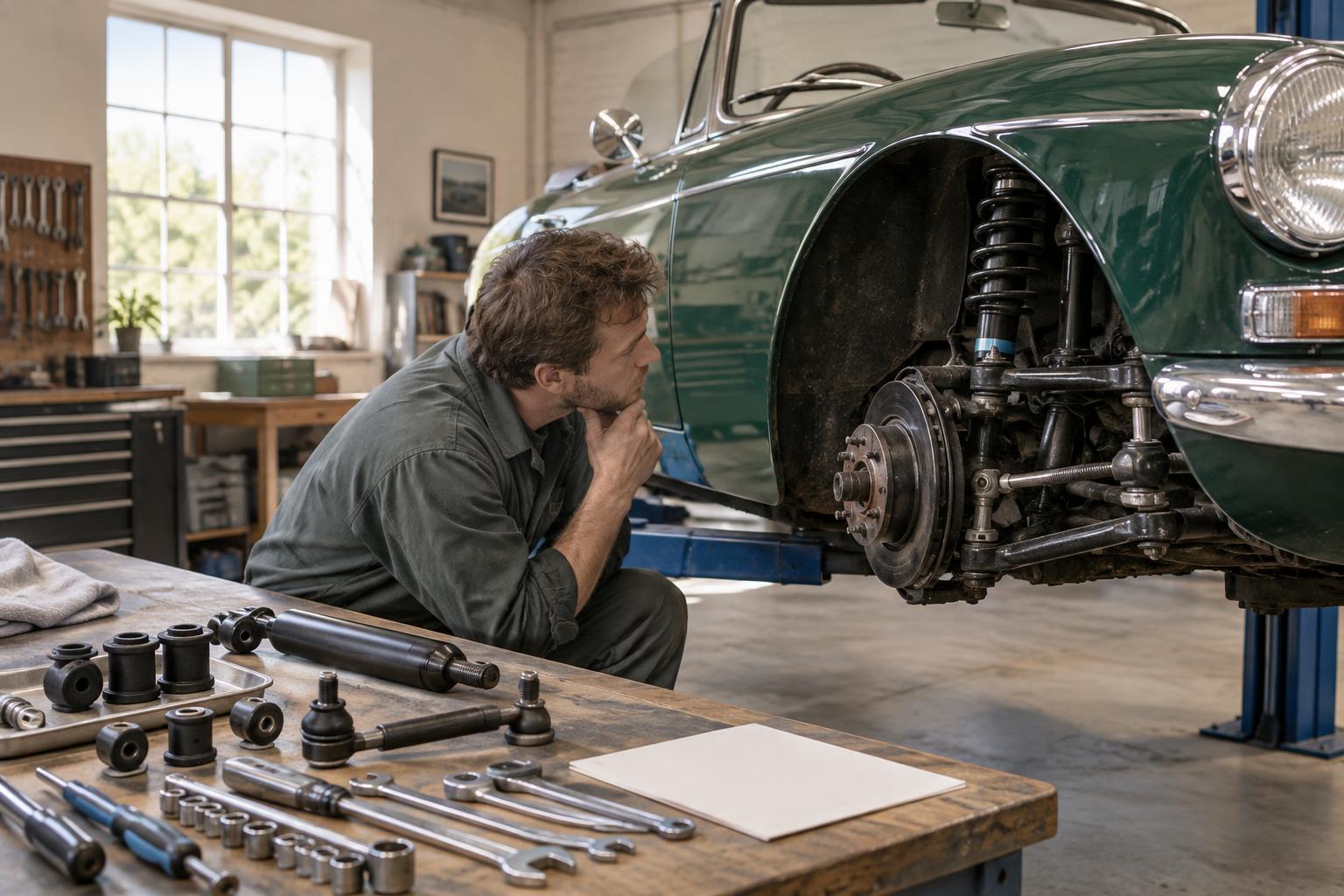
Restoration PlanningA suspension and steering refresh is easier to plan when you assess the whole system before ordering parts. Learn how to define the scope, coordinate work with a wider restoration and check the finished car before regular use.
Read article · 4 min↗
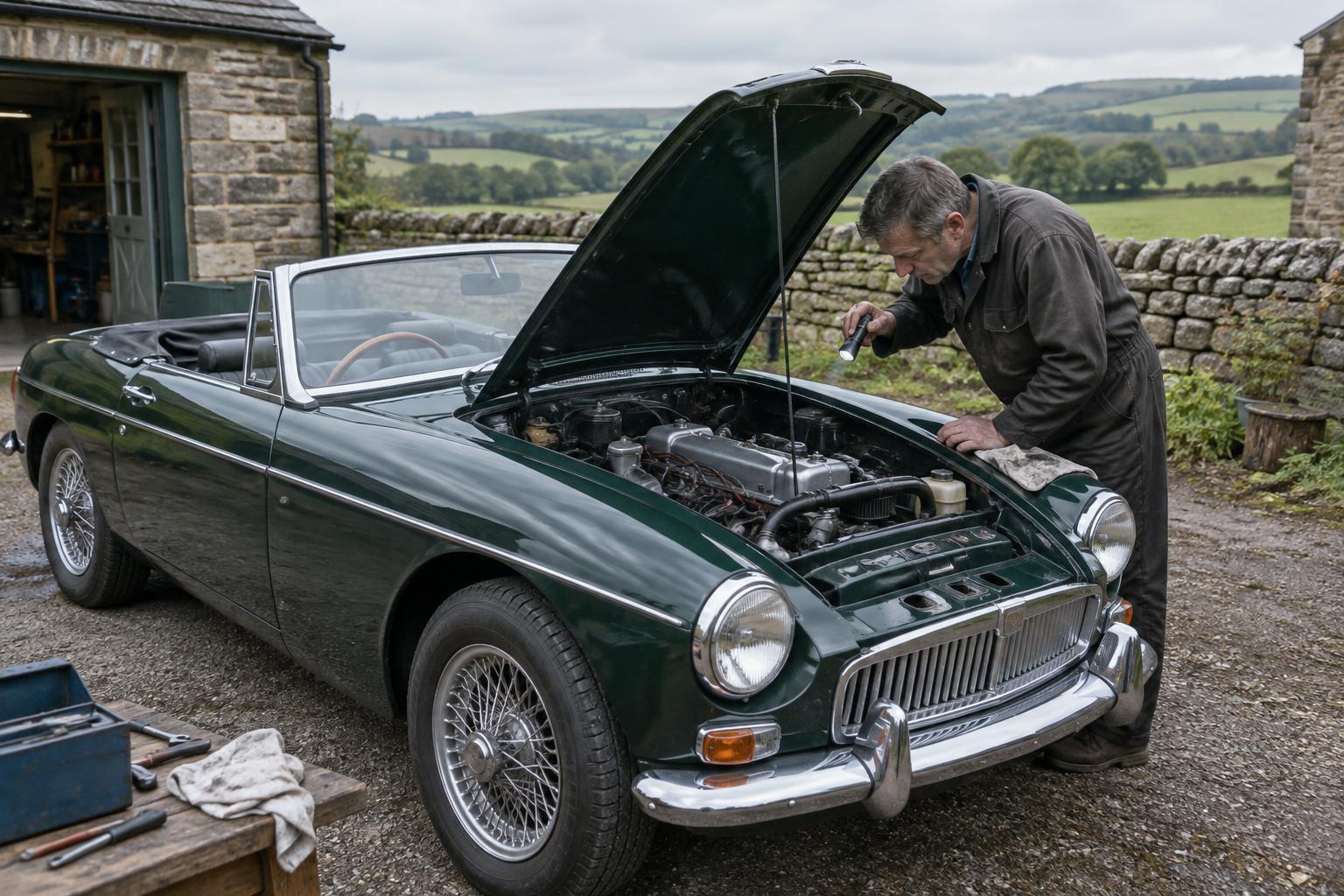
Restoration PlanningA full restoration is not finished when the paint is polished and the engine starts. A staged commissioning plan helps reveal leaks, loose fittings, adjustment needs and driving faults before a classic car is asked to tackle a longer journey.
Read article · 4 min↗
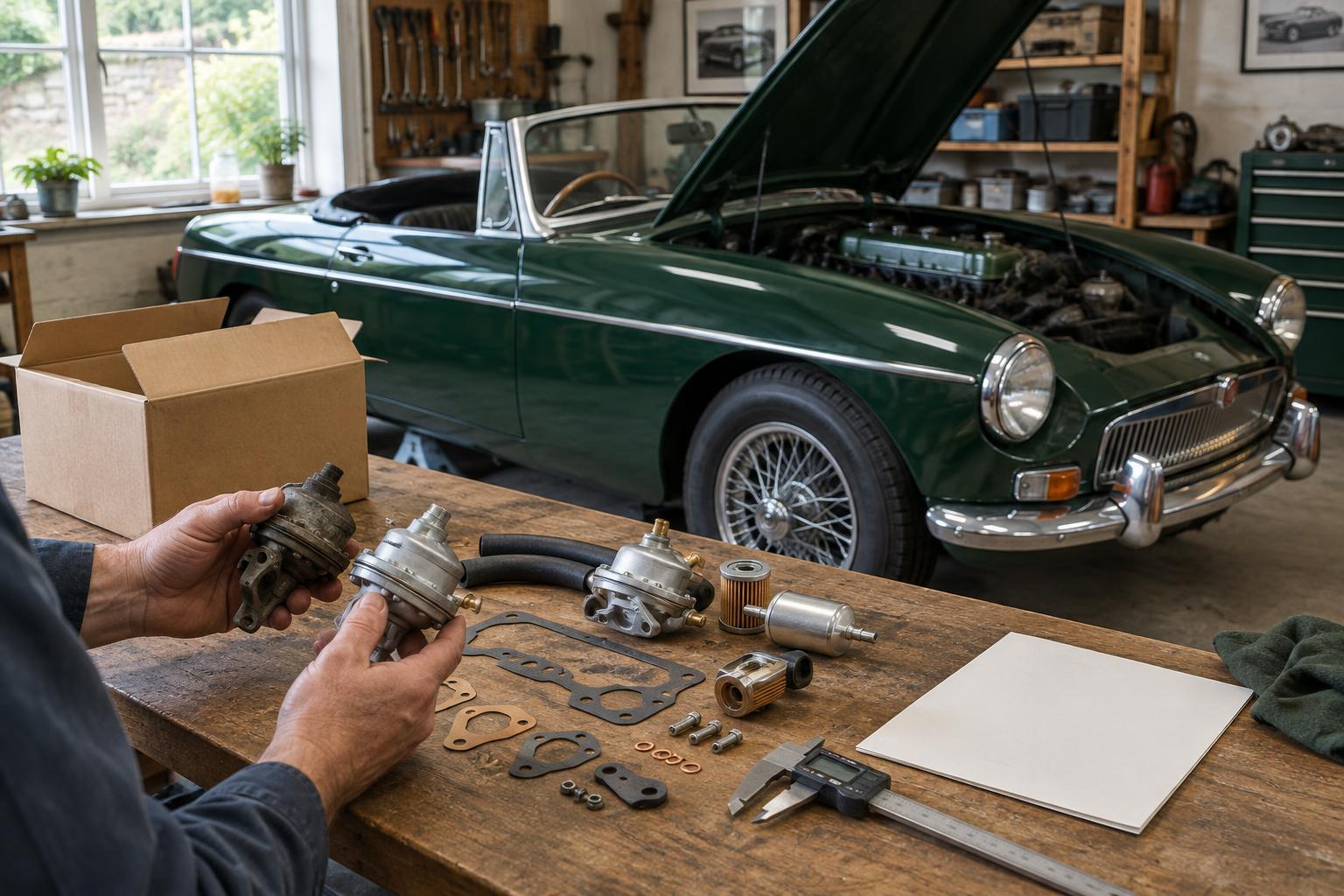
Restoration PlanningA restoration moves more smoothly when parts ordering follows the work rather than interrupting it. Learn how to check fit before buying, identify items that could block progress, track suppliers and deliveries, and keep useful tasks ready while you wait.
Read article · 4 min↗
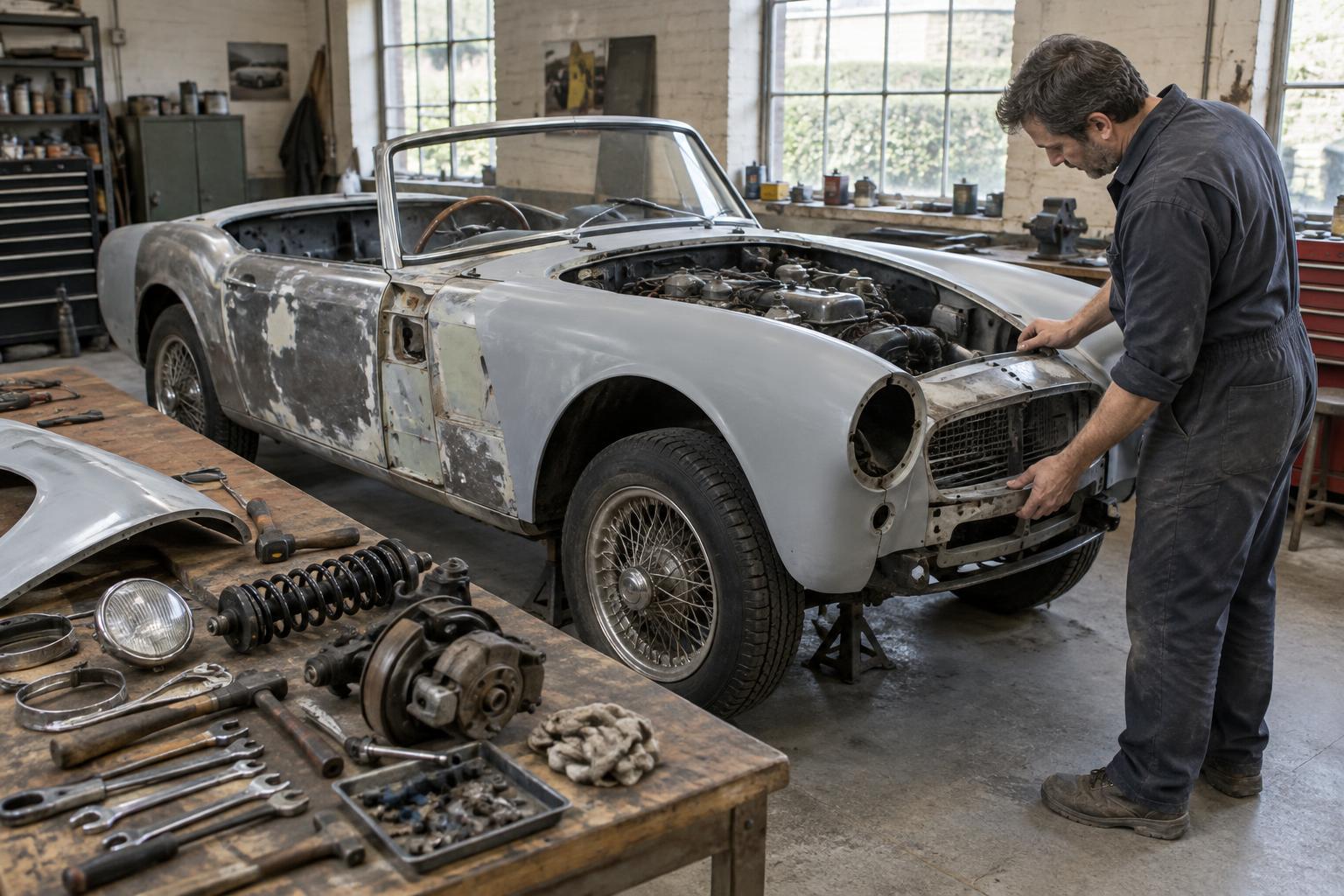
Restoration PlanningA restoration can lose time when good work is done in the wrong order. Learn how to plan inspection, metal repairs, test-fitting, mechanical work and final assembly so each stage supports the next.
Read article · 4 min↗
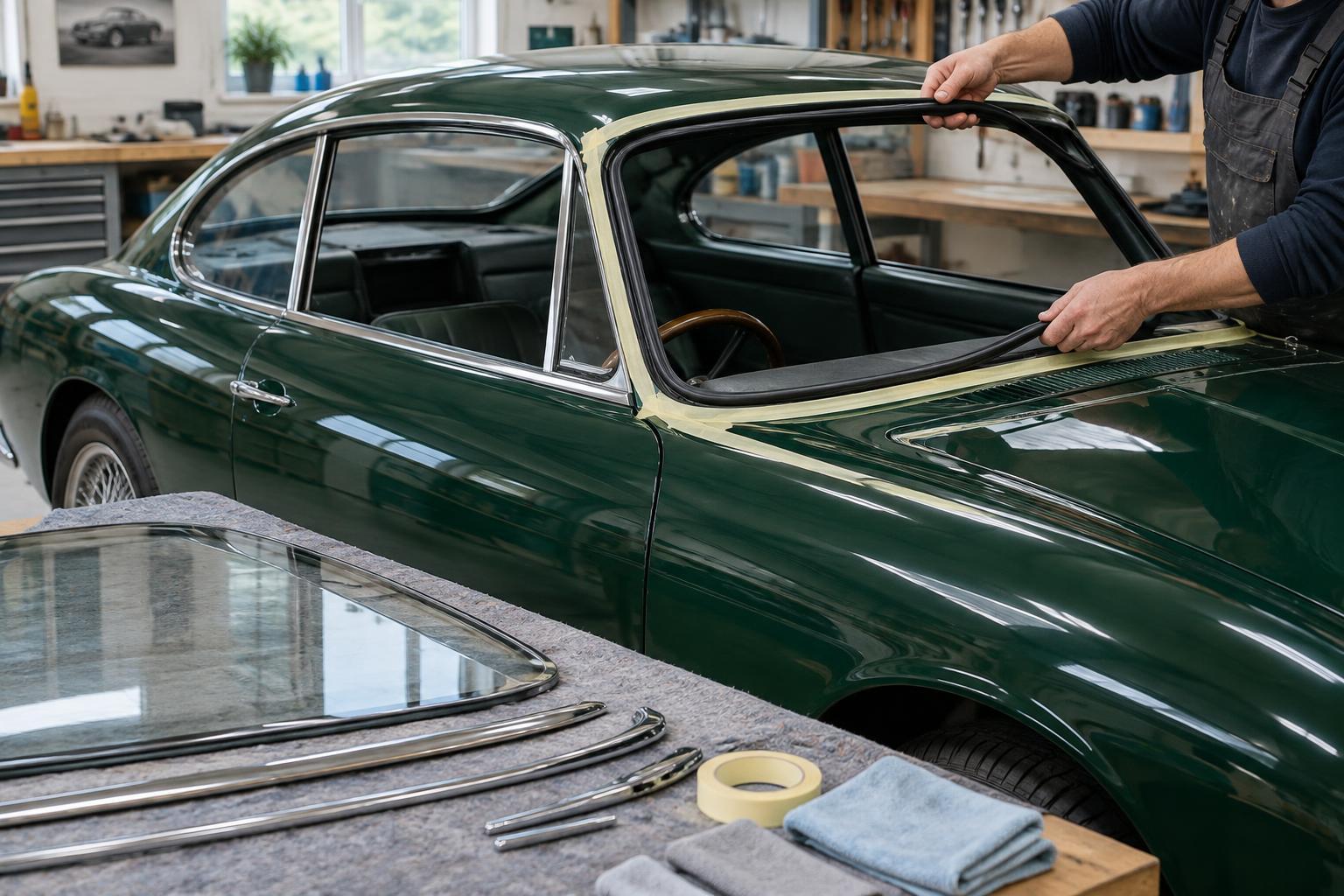
Restoration PlanningFresh paint is only part of a successful classic-car restoration. A careful refit plan helps protect the finish, prevent leaks and avoid forcing glass or trim into openings that are not quite ready. Here is a practical way to organise the work before the first seal goes on.
Read article · 4 min↗
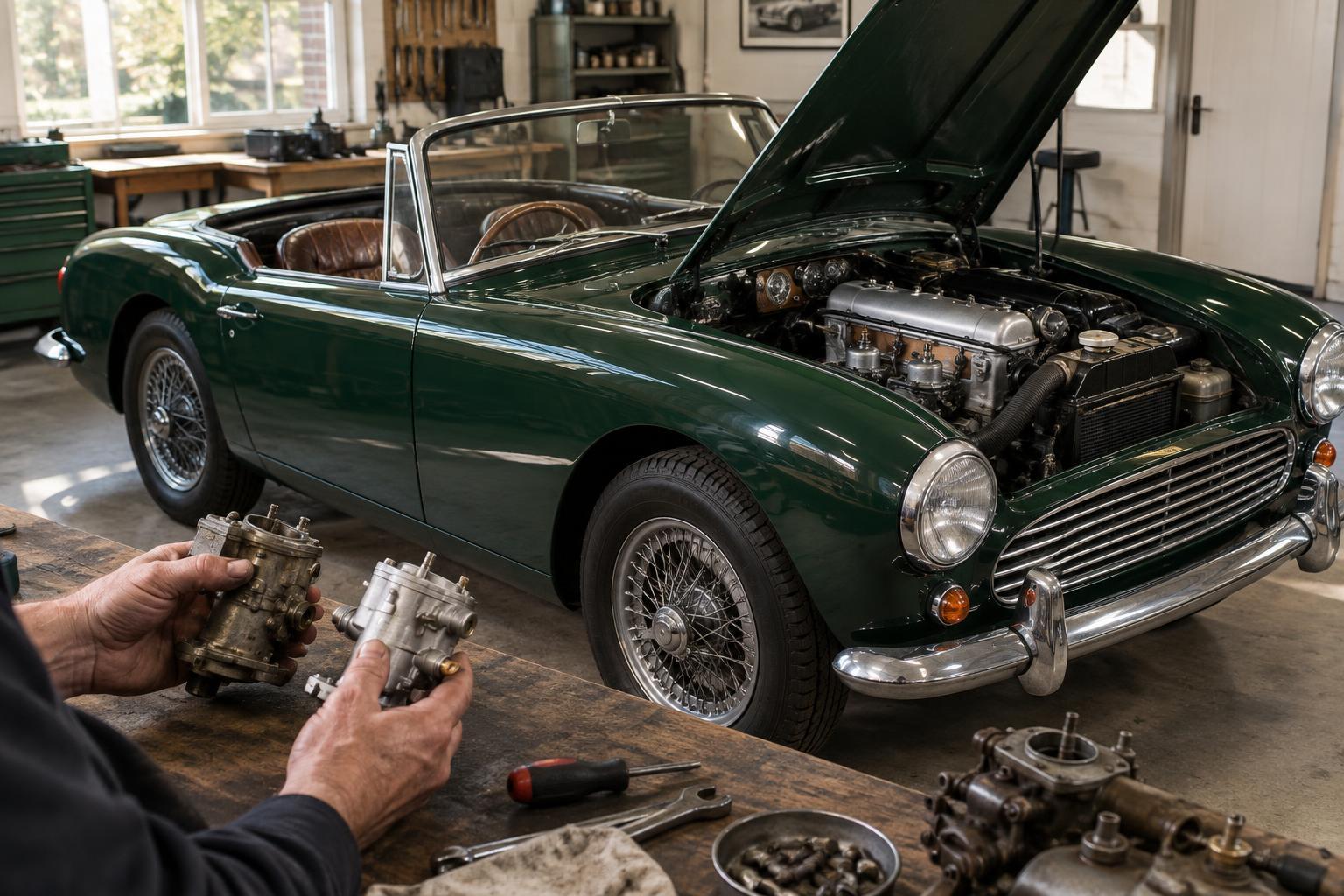
Restoration PlanningRestoring a classic car rarely means choosing between a perfect time capsule and a fully modernised machine. A practical approach starts with the car’s history, intended use and condition, then weighs each proposed change for safety, reliability, character and reversibility.
Read article · 4 min↗
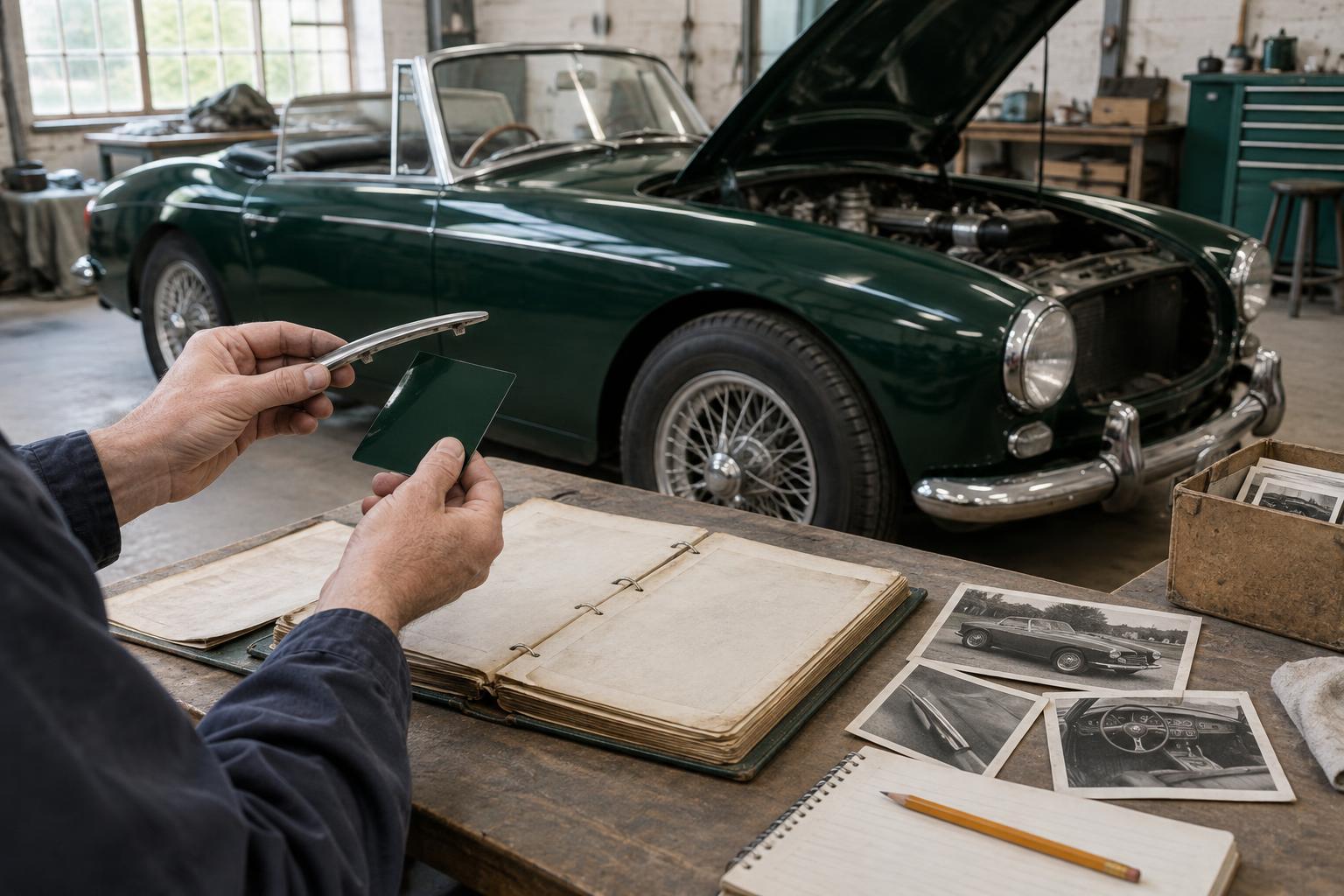
Restoration PlanningFactory specifications can help guide a restoration, but a single manual rarely tells the whole story. Learn how to identify the right reference for a particular car, compare it with surviving evidence and record decisions when original details are uncertain.
Read article · 4 min↗
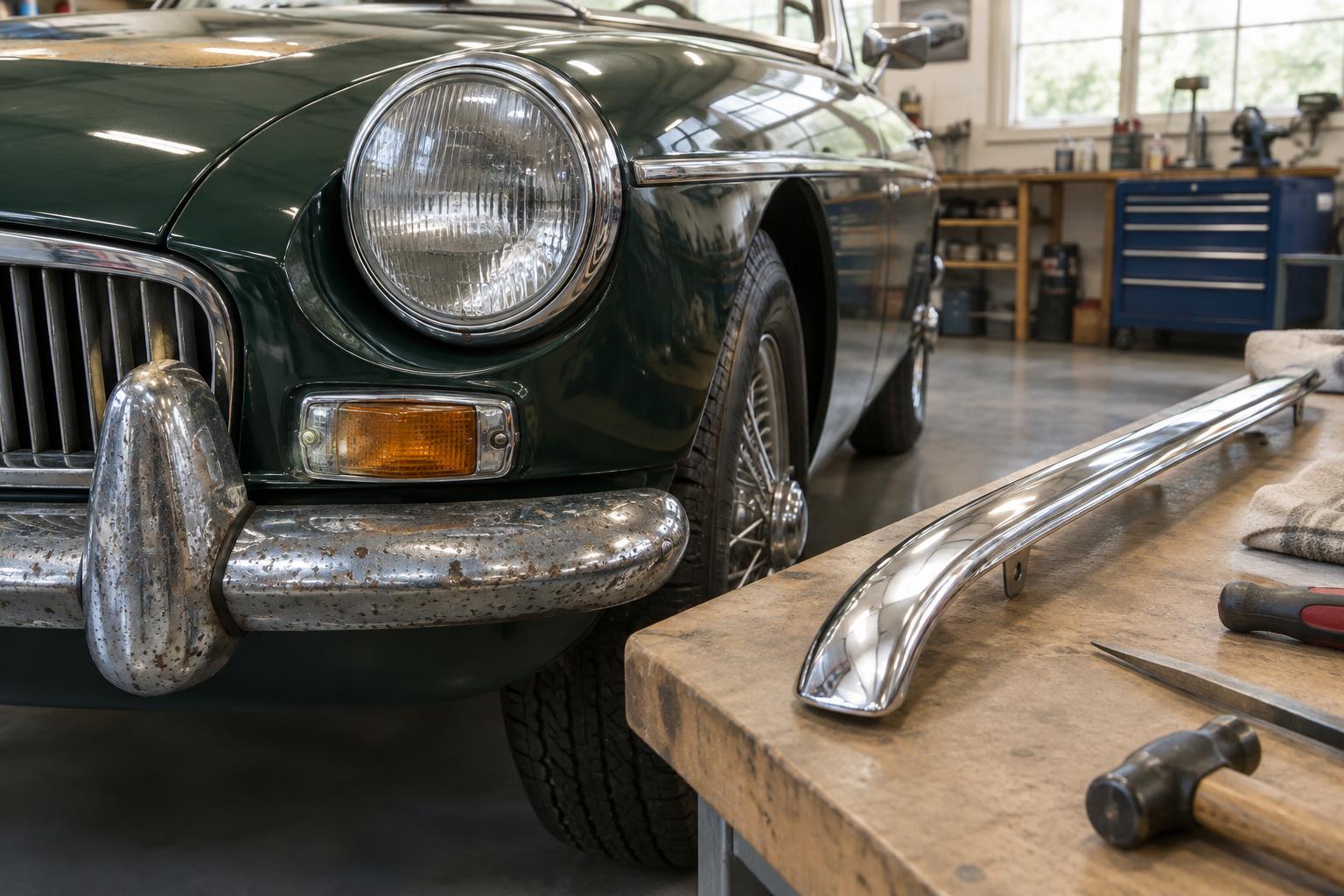
Restoration PlanningPitted chrome can make an otherwise tidy classic look tired, but the best remedy is not always a new part. Compare the condition of the original trim, the likely replating work and the fit of available replacements before committing to a restoration route.
Read article · 4 min↗
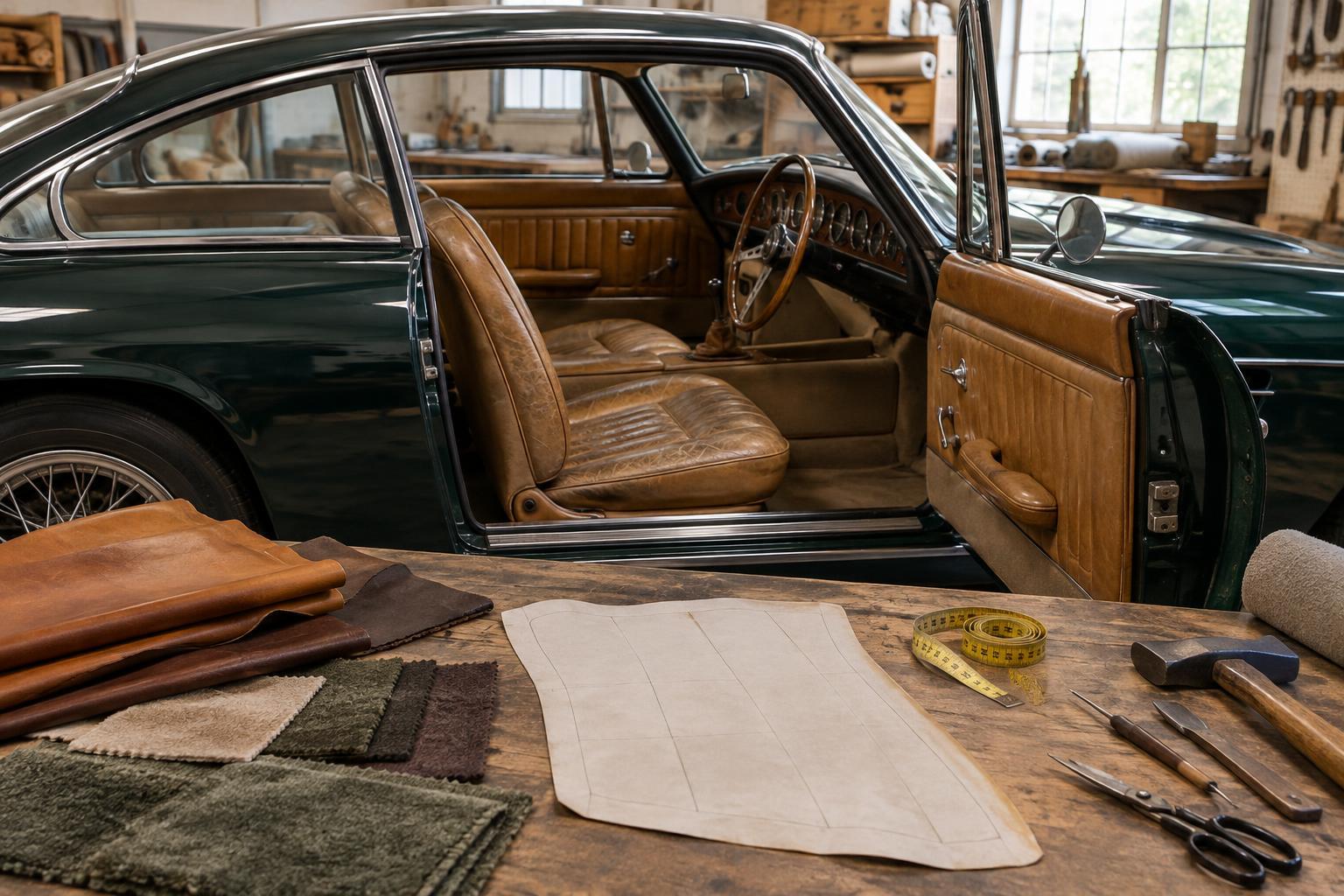
Restoration PlanningA thoughtful retrim begins before the old upholstery comes out. Learn how to document the original interior, choose suitable materials, define the work and build a budget that accounts for hidden repairs and fitting time.
Read article · 4 min↗
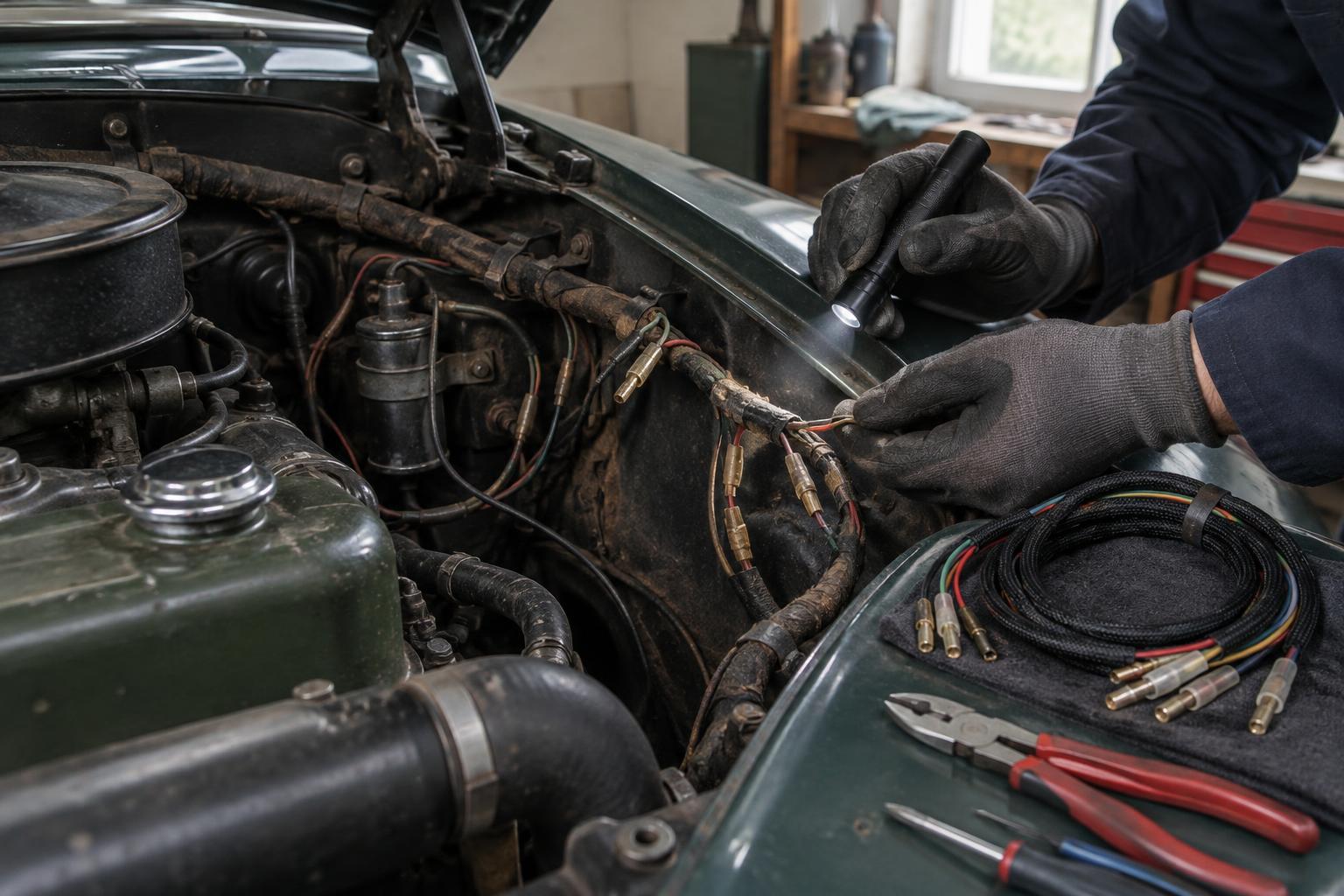
Restoration PlanningAn old wiring loom can look untidy without being beyond repair, while a neat-looking one may hide troublesome joints. Here is a practical way to assess its condition, weigh a local repair against replacement, and plan the work without losing sight of originality or safety.
Read article · 4 min↗
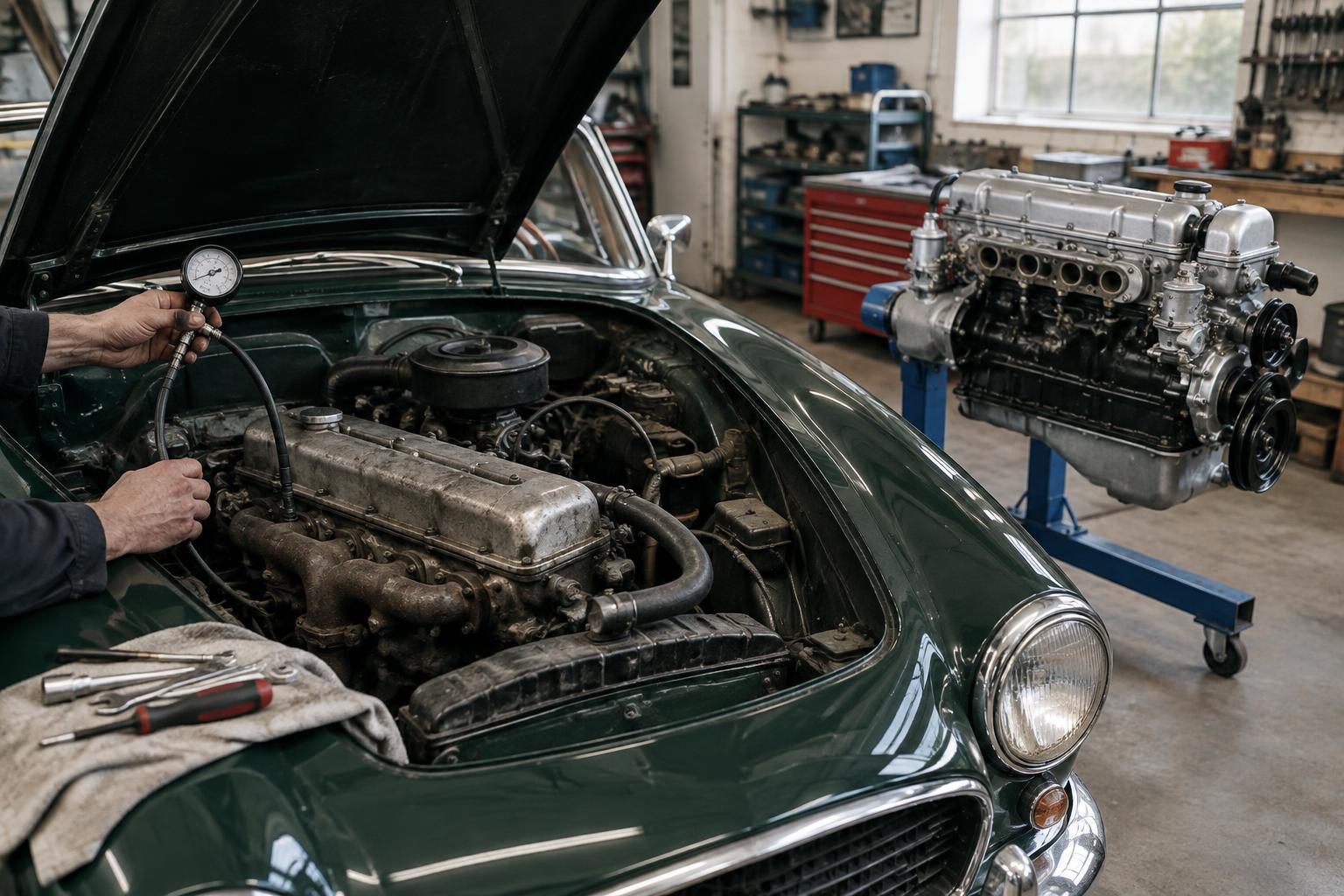
Restoration PlanningA tired engine does not always need a full rebuild, and a replacement unit is not always the quicker route back to the road. Before committing to either, establish what is wrong, what matters about the car’s originality, and what each option actually includes.
Read article · 4 min↗
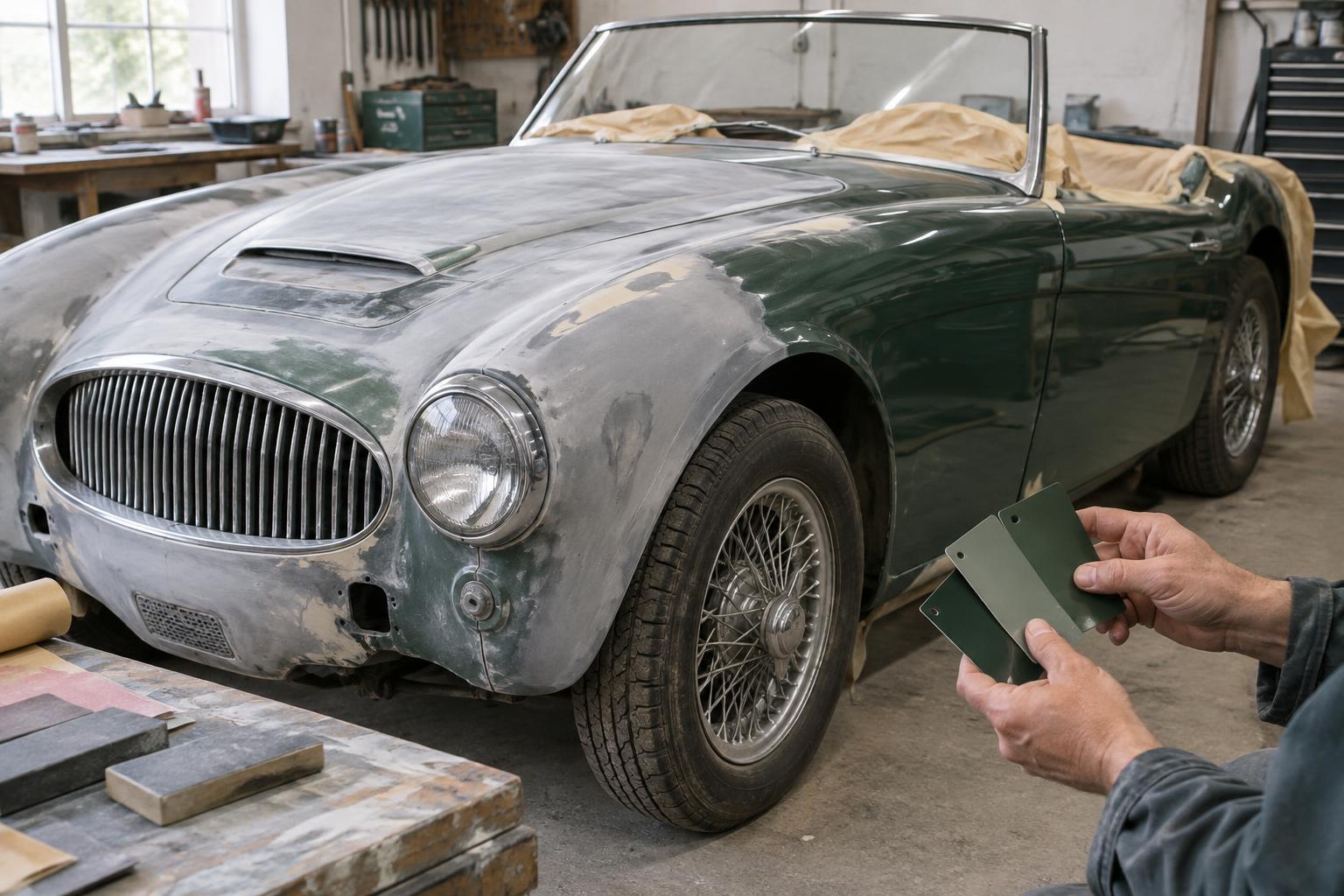
Restoration PlanningA satisfying paint finish starts before the spray gun comes out. Learn how to choose an appropriate colour and finish, assess existing paint, plan preparation and agree the scope of work with a paint shop.
Read article · 4 min↗
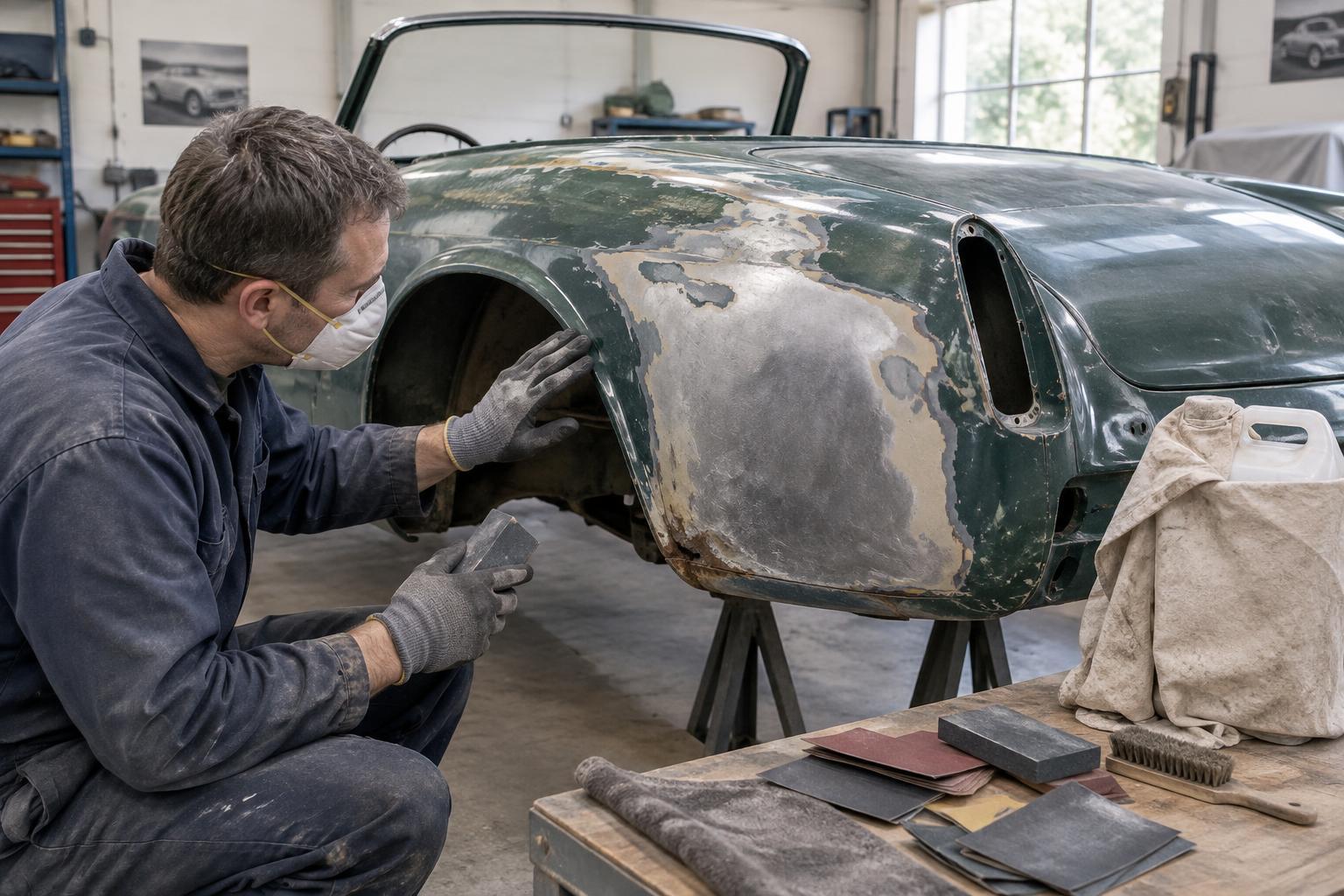
Restoration PlanningHand sanding, chemical stripping, blasting and dipping can all reveal what lies beneath a classic car’s paint. The best choice depends on the shell’s condition, its materials and how soon bare metal can be protected.
Read article · 4 min↗
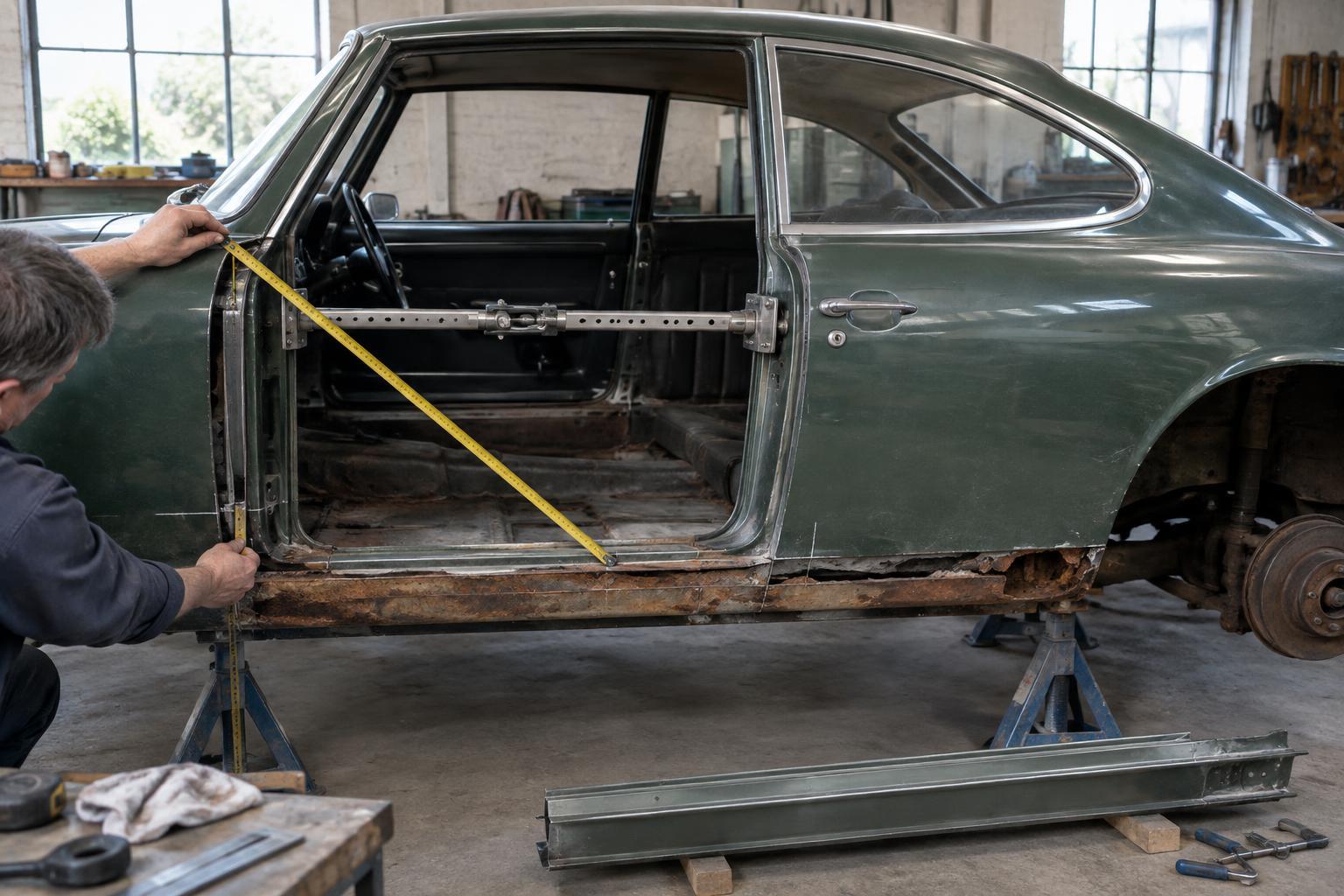
Restoration PlanningStructural rust is rarely just a question of removing bad metal and welding in good. On a classic car, weakened sills, floors or mounting points may be helping to hold a distorted shape. Checking and supporting the bodyshell before cutting helps protect door fit, panel gaps and the position of replacement parts.
Read article · 4 min↗
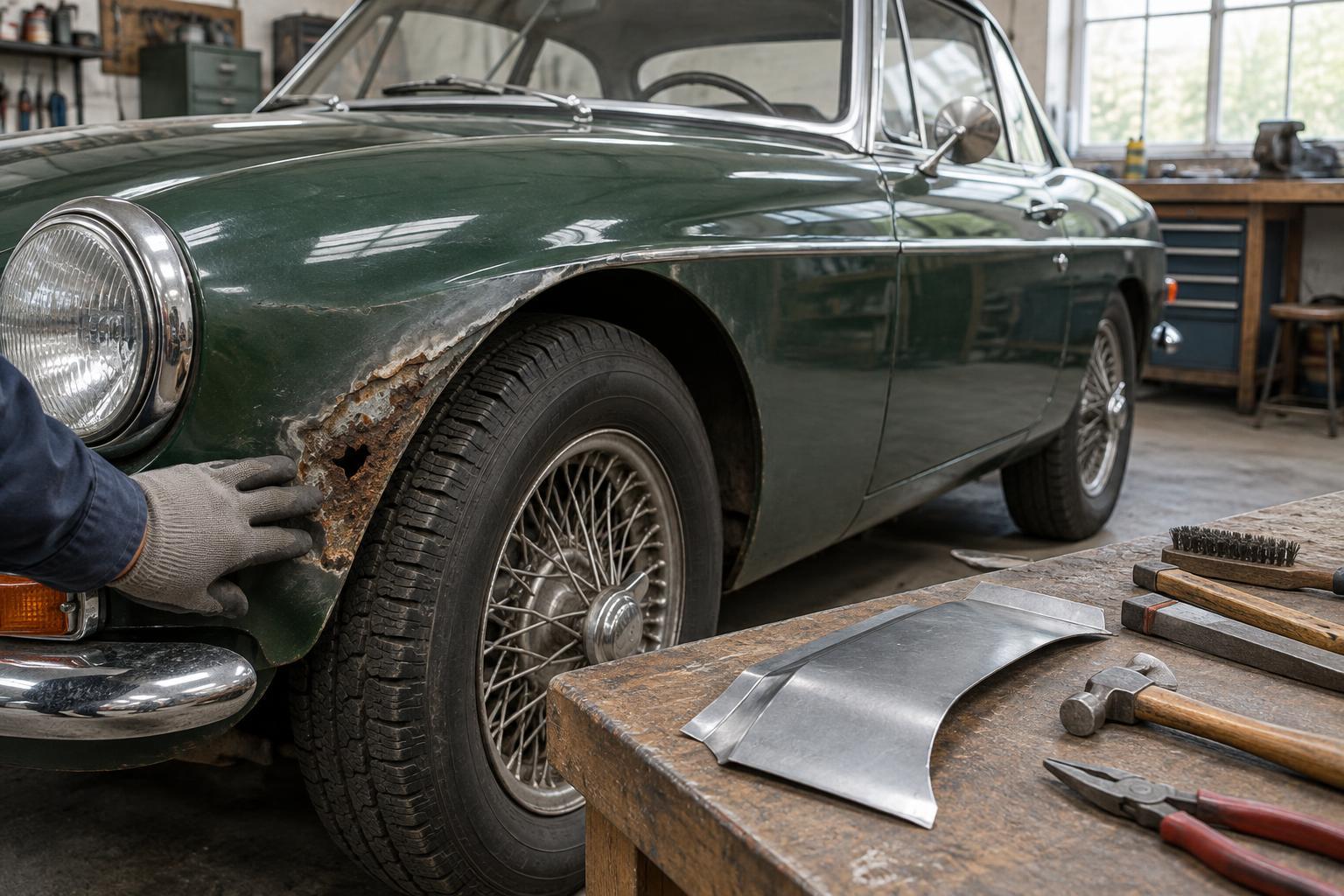
Restoration PlanningA rusty panel does not always need replacing, but a small visible patch can conceal a larger problem. Learn how to assess the extent of corrosion, compare repair with replacement, and plan for a durable finish.
Read article · 4 min↗
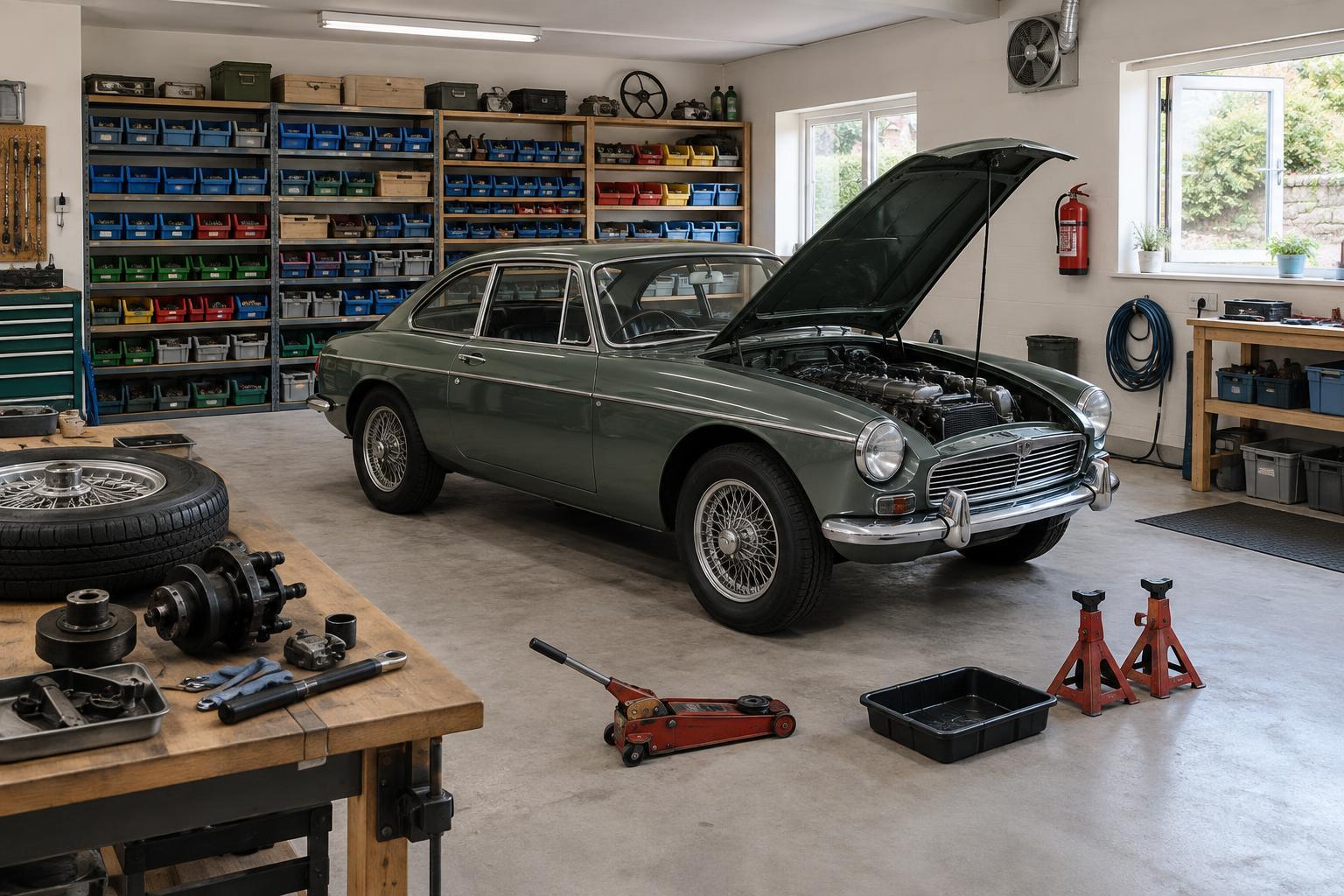
Restoration PlanningA long restoration is easier to manage when the workshop is planned before the car comes apart. Consider space, ventilation, fire prevention, storage and the routines that keep a project safe and workable over time.
Read article · 4 min↗
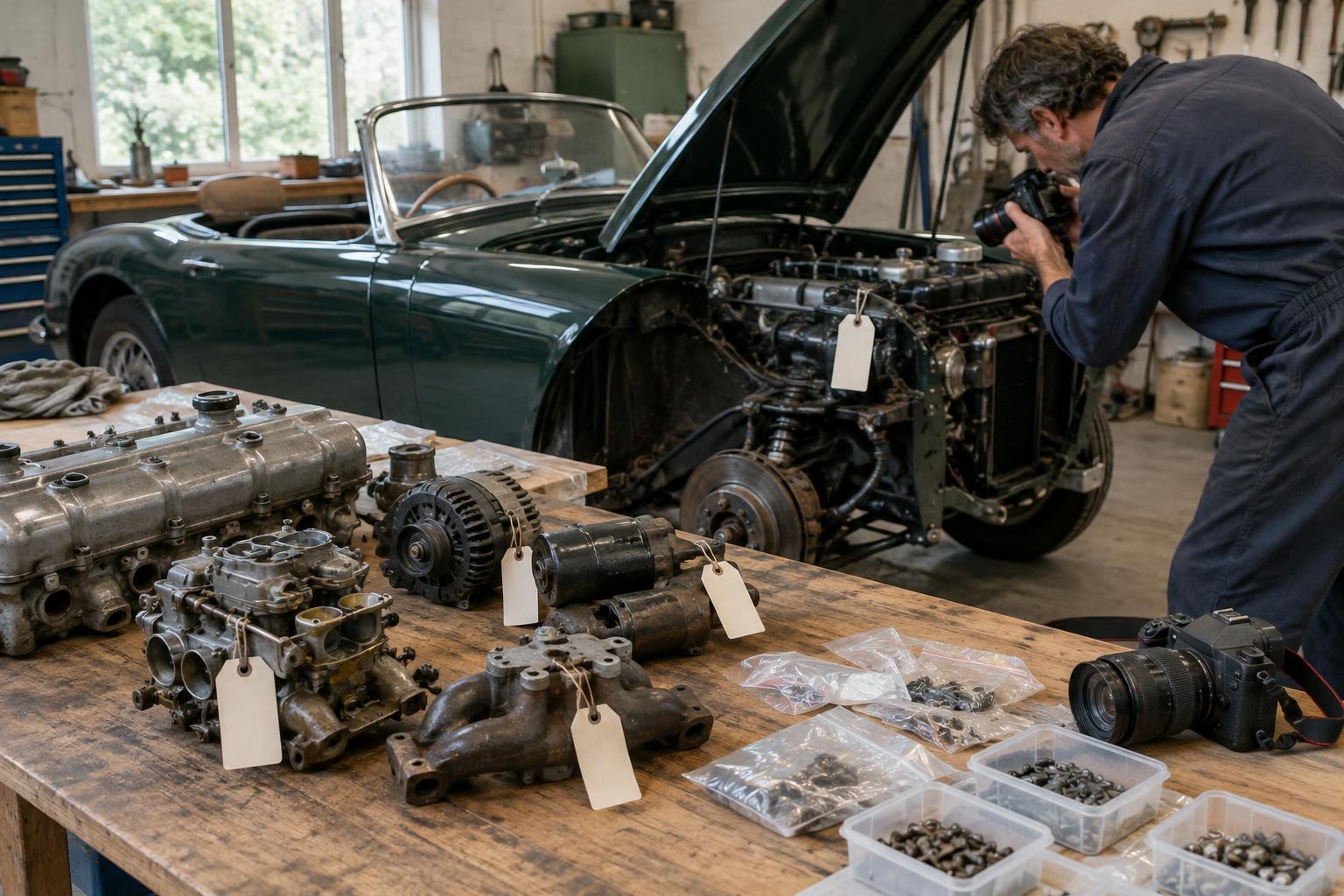
Restoration PlanningA careful strip-down preserves more than parts. Learn how to build a useful photo record, label fixings and assemblies, and store everything so reassembly is less of a guessing game.
Read article · 5 min↗
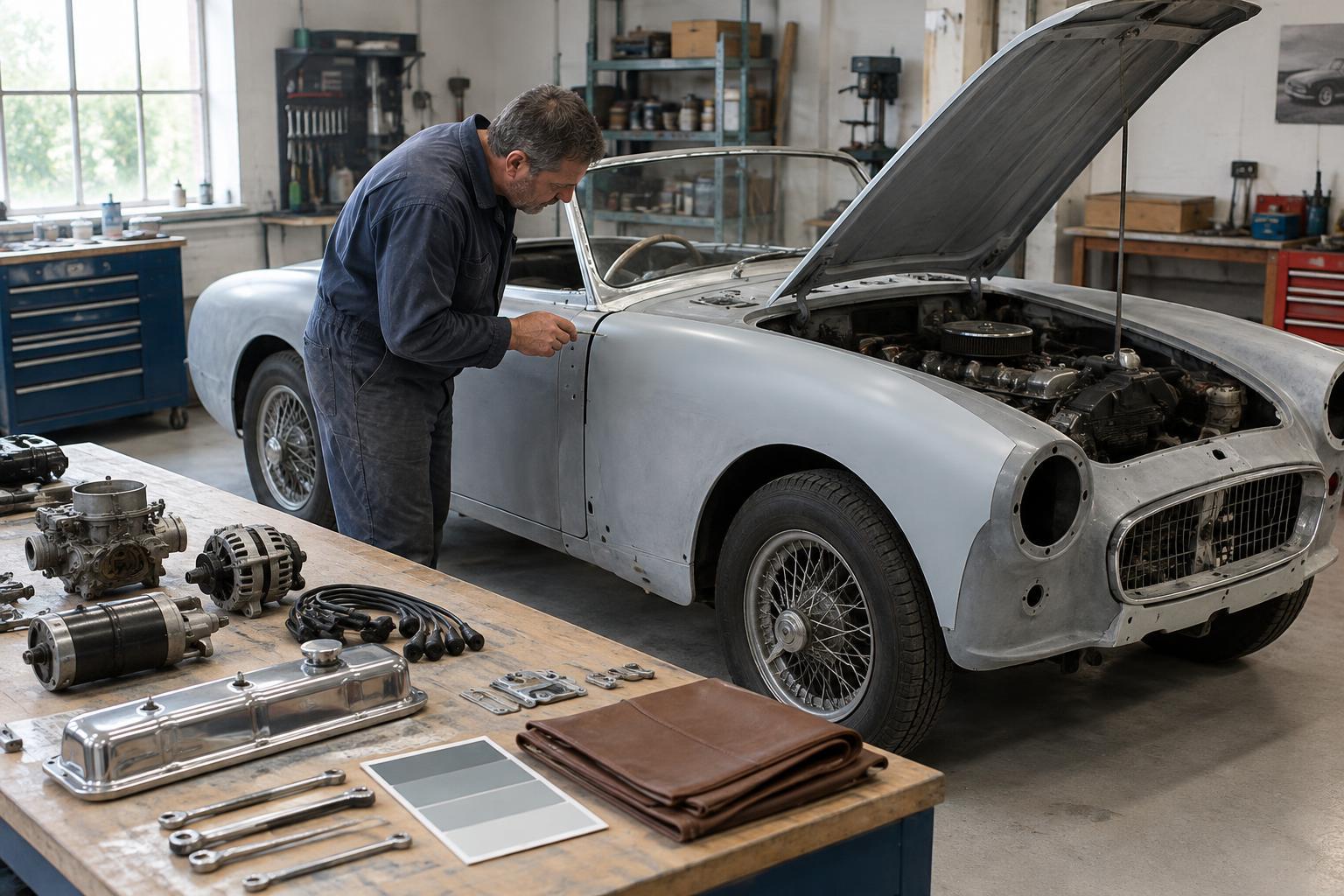
Restoration PlanningA sensible restoration sequence prevents finished work from being undone. Start with a thorough assessment, settle structural repairs and component fit, complete disruptive mechanical work, then move through paint, final assembly and trim.
Read article · 4 min↗
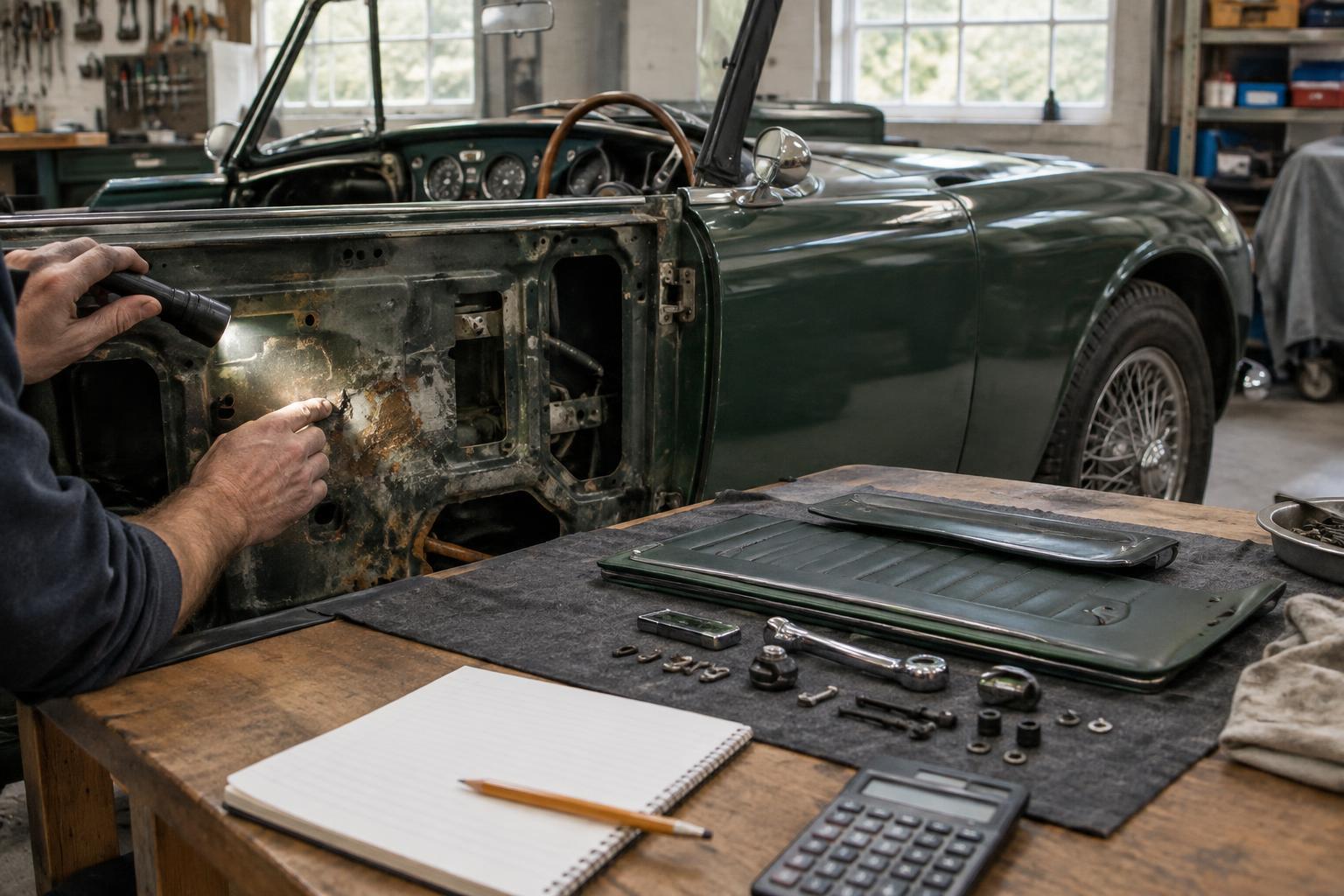
Restoration PlanningA restoration estimate can change once trim is removed and old repairs come to light. Build a more useful budget by defining the intended result, separating known work from uncertain work, and setting decision points before committing to each stage.
Read article · 4 min↗
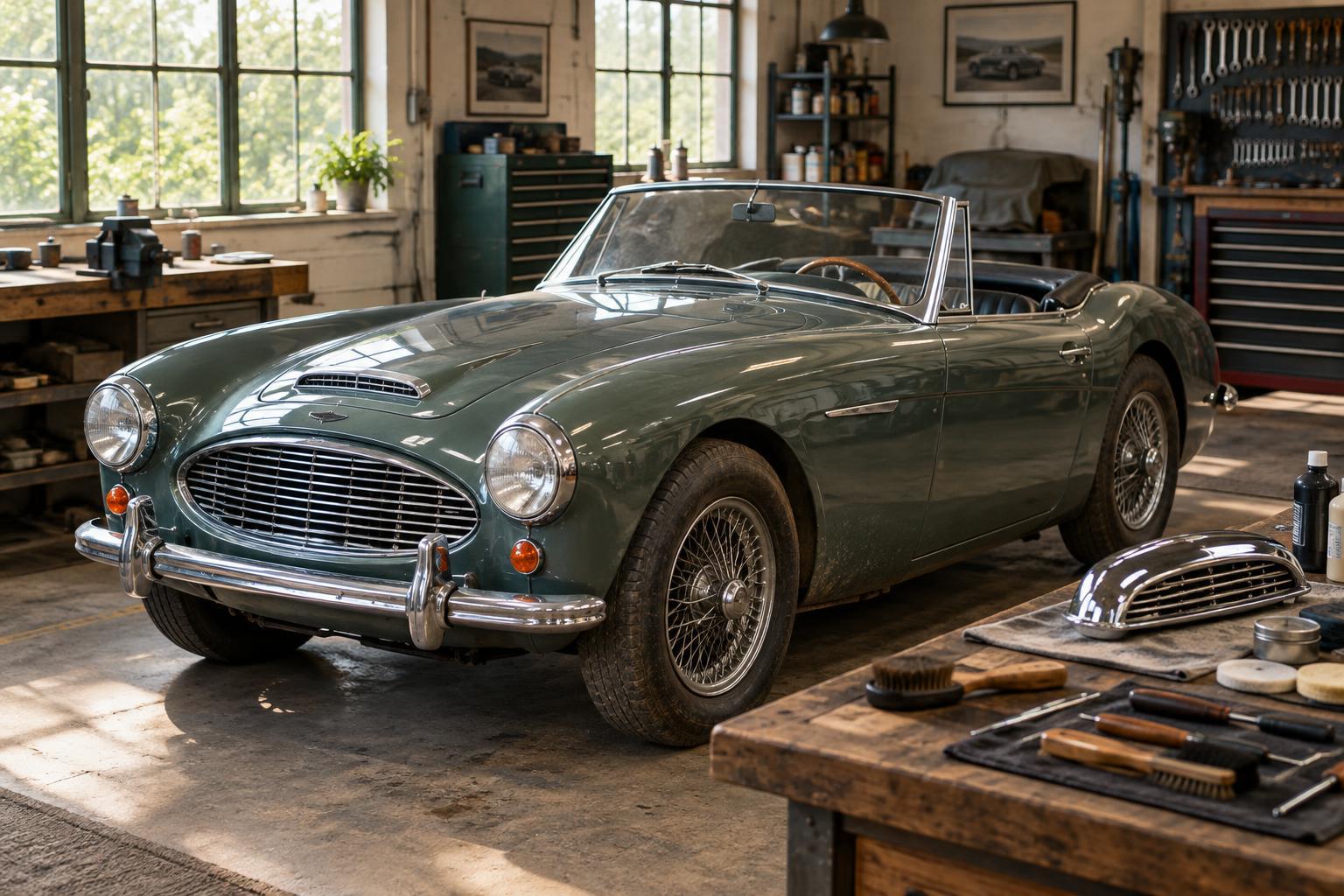
Restoration PlanningA classic car can be restored for regular enjoyment or prepared to a much more exacting show standard. The right choice depends on how you intend to use it, what survives of the original car, and how much time and rework you can accommodate.
Read article · 4 min↗
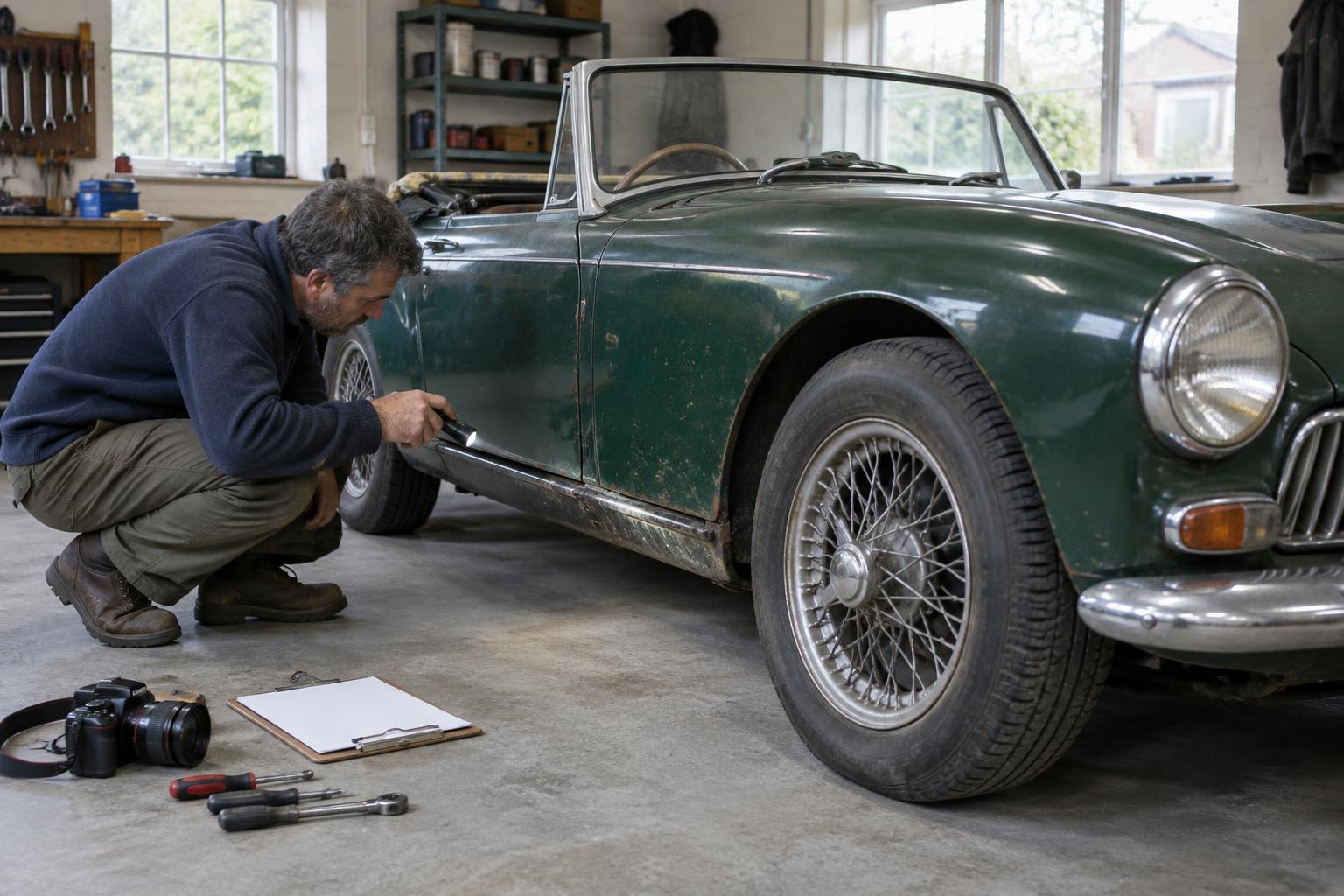
Restoration PlanningA careful assessment before dismantling can reveal whether a British classic needs preservation, targeted repairs or a full restoration. Use this guide to inspect its structure, record what you have and set a workable scope.
Read article · 4 min↗