Start with a work plan, not a shopping list
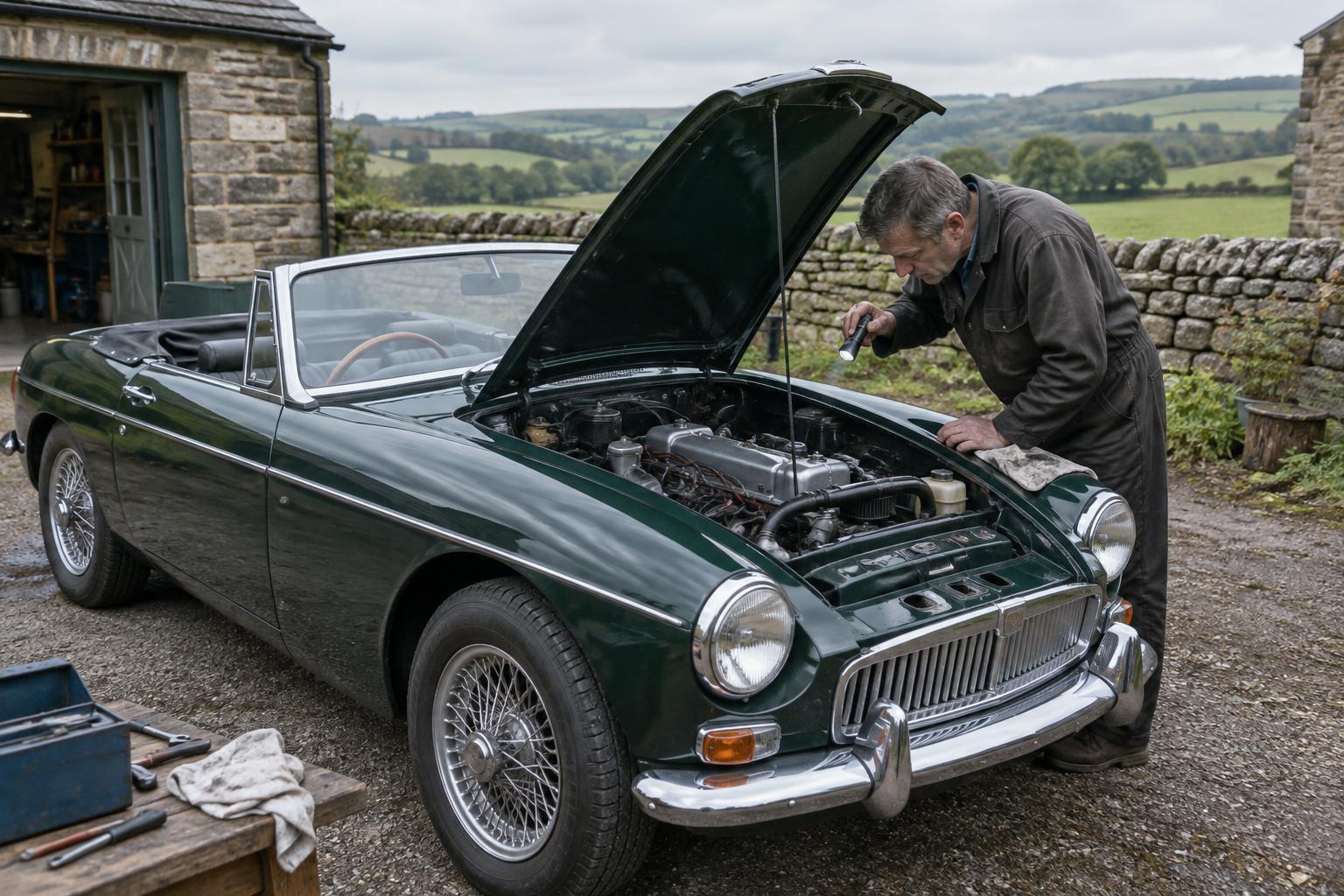
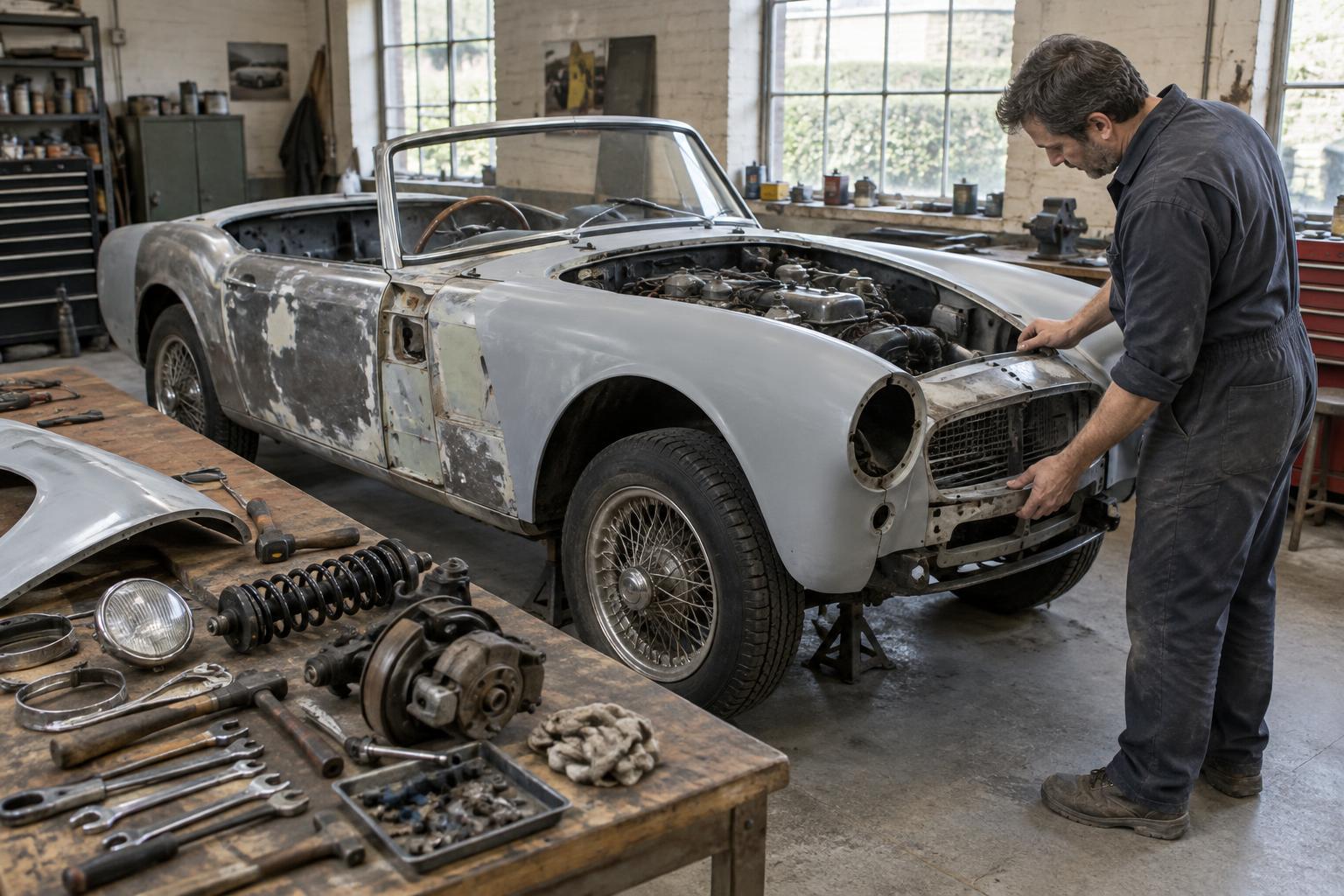
It is tempting to order a box of parts as soon as a classic-car project arrives in the garage. But dismantling often reveals work that changes what is needed. A sensible first step is to divide the restoration into stages, such as body and structure, mechanical systems, electrical work, trim and final assembly. Note which jobs must be finished before another can begin.
Make a parts list for each stage and mark the items that could stop progress. A missing brake pipe fitting may hold up assembly; a missing badge usually will not. This distinction helps you order critical items early without filling the workshop with trim pieces that may be damaged or misplaced before they are fitted.
Leave room in the plan for discoveries. Corrosion hidden behind a panel, a previous repair or a component from a different model year can alter an order. Treat the list as a working document, not a promise that every part can be identified before the car is opened up.
Confirm what fits the car in front of you
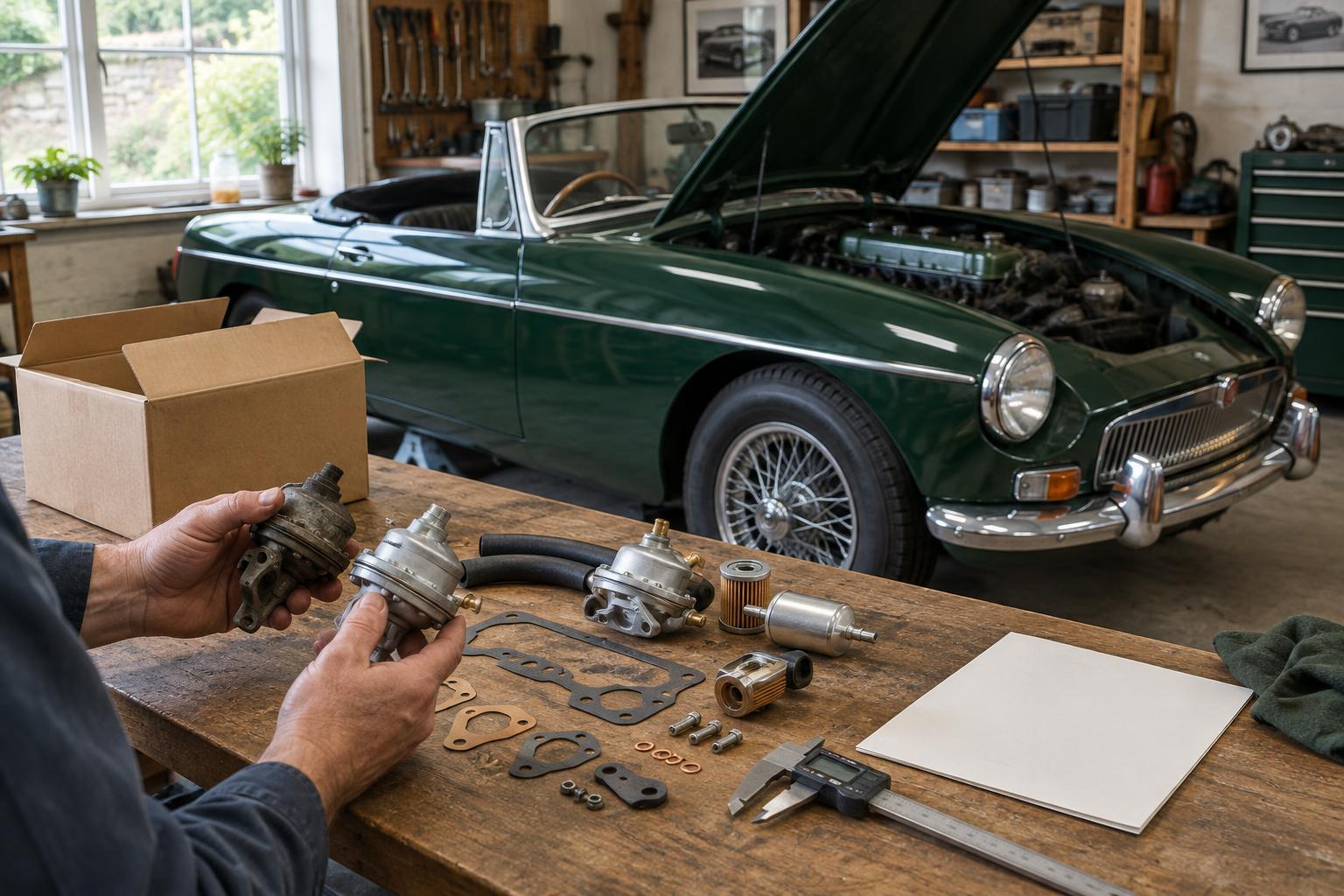
British classics often have variations across production runs, and decades of repairs can add further surprises. Before ordering, record identifying details available on the car and compare the old component with the supplier’s description. Dimensions, mounting points, connections and handedness can be more useful than a familiar model name alone.
Photograph assemblies before dismantling them and label removed parts, fasteners and shims. Keep a questionable original part until its replacement has been checked. If a listing is ambiguous, ask the supplier about the specific detail that matters rather than assuming that a part described as suitable for the model will fit every example.
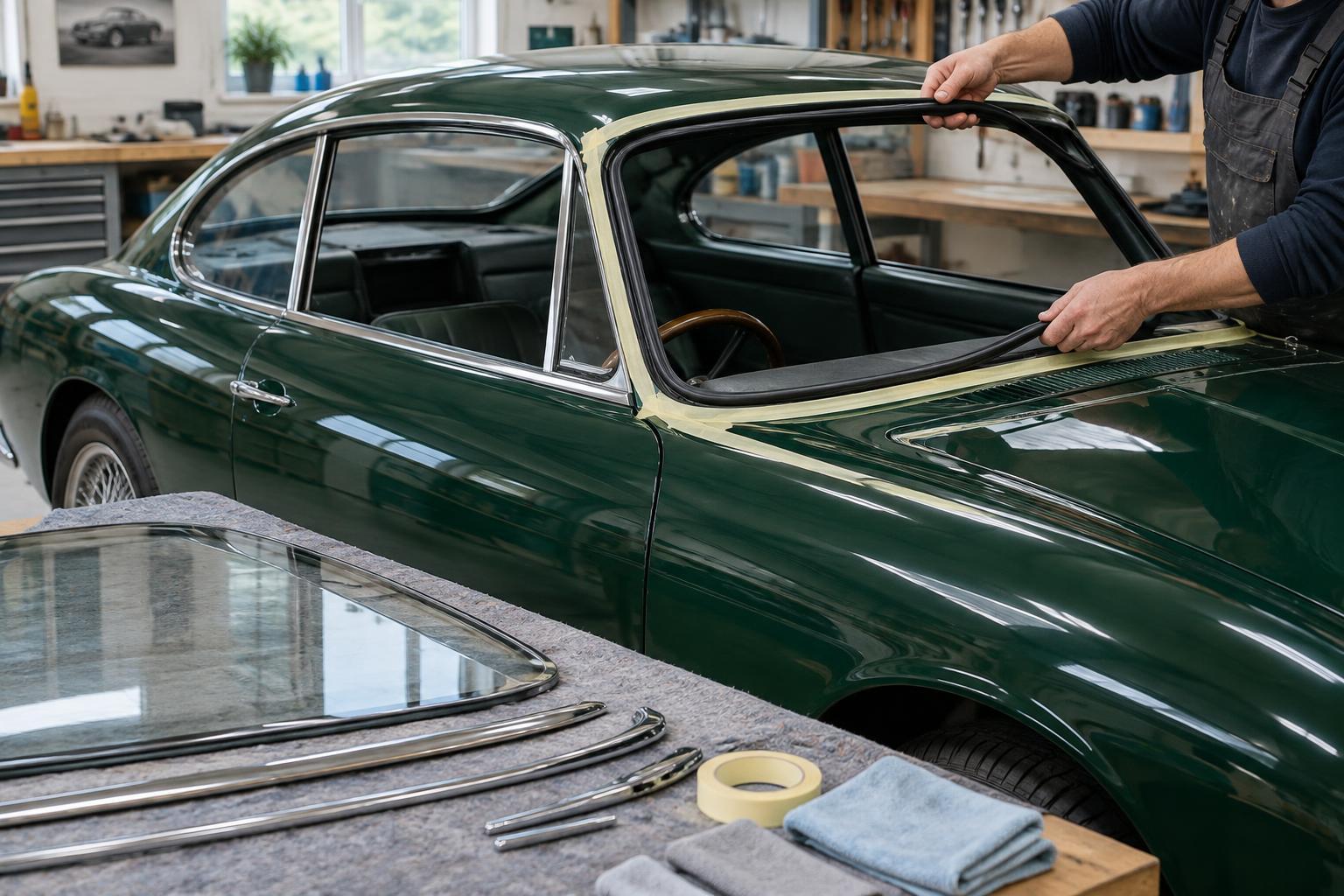
Consider how a new part will meet adjacent components. A repair panel may need trial fitting alongside doors and wings; a replacement electrical item must suit the existing wiring arrangement. Checking interfaces before paint, trimming or final installation makes a wrong order easier to correct.
Build lead times into the sequence
Supplier availability is not always the same as delivery time. An item may be on the shelf, ordered from another source or made after an order is placed. Ask for an estimated dispatch window when timing matters, and keep in mind that an estimate can change. For specialist work such as machining, plating or upholstery, discuss the job and its likely sequence before the component is needed back.
Order parts with long or uncertain lead times once their specification is reasonably clear. Do not wait until the car is ready for final assembly to find out whether a distinctive seal, trim piece or mechanical component is obtainable. At the same time, avoid buying expensive parts against an untested assumption. A short pause to measure or inspect can prevent a much longer delay caused by a return.
Keep a simple record of the supplier, part description, identifying reference, order date, expected update, cost and status. Add a note when an item arrives and check its contents promptly. If something is missing or visibly wrong, it is easier to resolve while the order details and packaging are still to hand.
Keep productive jobs ready for waiting periods
A delay need not bring the whole restoration to a halt. Maintain a list of jobs that do not depend on the missing item: cleaning threads, sorting fasteners, documenting wiring routes, preparing small brackets or checking the condition of parts already removed. Choose tasks that suit the current state of the car and will not have to be undone when the delayed component arrives.
Be careful not to work so far ahead that access becomes difficult. Installing trim before testing a concealed electrical connection, for example, may create extra work. Temporary assembly can be useful for checking alignment, but label anything that still needs final fastening or adjustment. A clear note on the car or in the project record is safer than relying on memory.
Make decisions before delays become pressure
When a part is unavailable, there may be several routes: wait for the specified item, repair the original, seek a used component or consider a suitable alternative. Compare them against the car’s intended use, desired originality and the work needed to fit each option. A cheaper or faster purchase is not necessarily the better one if it creates fit problems or compromises a safety-critical system.
Set aside time to review the plan as work progresses. Check which orders are outstanding, which jobs are genuinely blocked and what can be prepared next. If a supplier’s estimate changes, update the sequence rather than rushing an unrelated task merely to feel busy.
The aim is not to eliminate every delay. It is to make delays visible early, protect parts and information from getting lost, and keep each stage ready for the next. A well-managed restoration still requires patience, but it is less likely to be stopped by a component that could have been identified and ordered sooner.