Start with the way you actually want to use the car
A British classic bought for relaxed Sunday drives may soon attract requests for weddings, commuting or trips with friends. None of those plans is necessarily wrong, but different uses place different demands on the car and its owners. Before sharing the keys, talk about what the car is for, how far people expect to drive it and whether anyone needs to ask before making a plan. A simple shared calendar can prevent two drivers from assuming the same sunny afternoon is theirs.
Decide who can drive rather than assuming that anyone with access to the keys can take the car out. Check the policy’s named-driver, age, mileage and use conditions before agreeing to a journey; do not rely on how another household vehicle is insured. If you are unsure whether a particular driver or trip is covered, ask the insurer before the car moves. Keep the policy details and a breakdown contact somewhere each permitted driver can find them.
Make running costs and repair decisions less awkward
Sharing fuel is straightforward; sharing the bill for a worn clutch or a new set of tyres is less so. Agree which costs belong to everyday use and which come from keeping the car roadworthy over time. For example, you might ask each driver to replace the fuel they use while the owner handles scheduled servicing. If several people own the car together, a regular contribution towards maintenance may be easier than negotiating every invoice after it arrives.
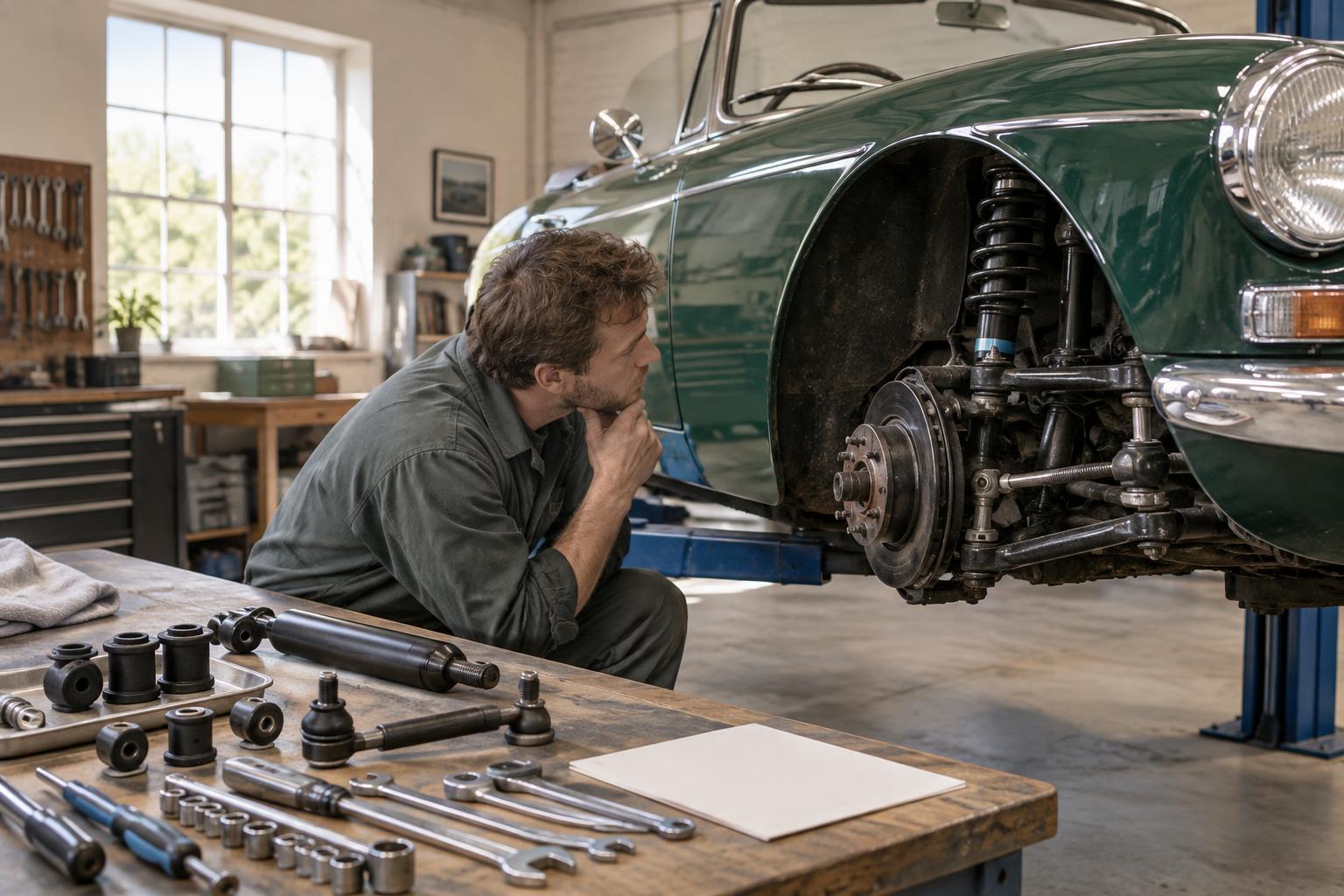
Set a sensible boundary for unplanned spending. A driver who discovers a fault on the road should know whether to arrange recovery, authorise a small repair or call the owner first. Avoid asking anyone to continue a journey in a car they believe is unsafe merely to save inconvenience. For a major repair, agree who will speak to the workshop and how you will decide between fixing a component, replacing it and postponing non-essential work. These conversations are easier before the car is stranded.
Give every driver the same short handover
Even an experienced modern-car driver may need time to learn a classic’s habits. Walk each new driver through the starting procedure, choke or other cold-start controls if fitted, gear selection, braking feel, gauges and any known quirks. Explain which sounds or warning signs mean they should stop and seek help. A calm familiarisation drive on quiet roads is more useful than a hurried explanation beside a running engine.
Put together a brief pre-drive routine suited to the car. It might include looking underneath for fresh leaks, checking tyre condition, confirming fluid levels as the handbook recommends and making sure the lights work. Keep the routine realistic: a checklist nobody uses offers little protection. If the car has a particular way of opening the bonnet, securing the hood or disconnecting a battery isolator, demonstrate it rather than leaving someone to guess.
Agree what comes back with the car. Asking drivers to note the mileage, fuel level and anything that felt different gives the next person useful context. Encourage prompt reports of a reluctant start, a new vibration or a small scrape without turning every observation into an argument about blame. A minor symptom noticed early is often easier to investigate than one that has been left for several outings.
Plan for the end of the drive as carefully as the start
A shared car needs a consistent parking routine. Decide where the keys live, how the car is secured, whether the windows and hood should be left closed, and what to do if it returns wet. If it is kept in a garage, make sure every driver knows how to manoeuvre into the space without relying on a passenger being present. Leave room to walk around the car so a new mark or leak can be spotted before the next outing.
Review the arrangement occasionally, especially if someone starts using the car more often than expected. The aim is not to turn every pleasure drive into an administrative exercise. A few agreed habits protect the car, reduce surprises and let everyone enjoy it with more confidence. If sharing stops being enjoyable, changing the rules is better than allowing quiet resentment to take the place of a conversation.