Begin with the part beneath the shine
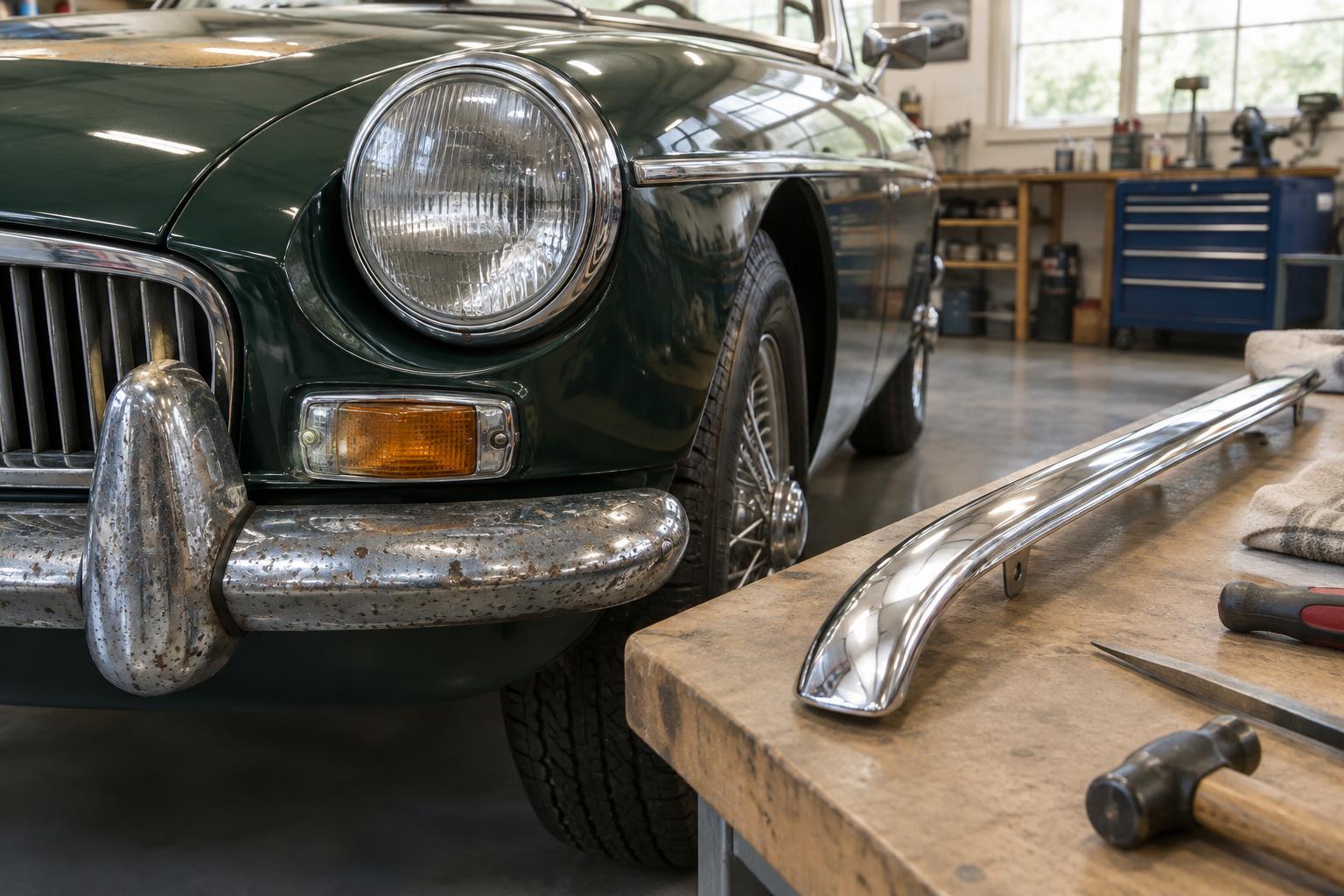
Chrome plating is a finish, not a cure for damaged metal. Small surface marks may polish out, but pits usually extend through the plating. A freshly plated part can still show every hollow unless those defects are repaired during preparation. Before deciding what to spend, remove dirt and wax, inspect the trim in good light and check its less visible edges and mounting points.
The base material matters. A steel bumper with sound structure presents a different job from a delicate cast badge whose surface has bubbled and whose mounting studs are weak. Brass, steel and zinc-alloy castings can each require different preparation; some bright trim may instead be stainless steel or plated plastic. If you are unsure what a piece is made from, ask a specialist before treating it as conventional chrome. Deep corrosion, cracks, thinning and previous repairs can change both the feasibility and the price of restoration.
What replating can preserve—and what it may cost
Replating has a strong appeal when the original part fits well and carries the correct shape, markings or fine detail. A good plater will assess the piece, remove the old finish, address corrosion and damage, prepare the surface and apply an appropriate new finish. The quality of that preparation is often more important to the final appearance than the last, bright layer. Simply polishing a heavily pitted surface flat can soften stamped lines or rounded edges.
A quotation should spell out more than a price for plating. Ask whether dent removal, pit repair, straightening and work on mounting studs are included, and whether the shop expects any defects to remain visible. Send clear photographs, but allow for the possibility that a firm price will require inspection after stripping. A small, badly pitted casting may demand more handwork than a larger, sound piece, so size alone is a poor guide to cost.
Discuss the finish you want, too. Extremely bright, mirror-like trim may look out of place beside older paint and other original fittings. Conversely, a car being restored to a consistent high standard may expose uneven work quickly. Agree on expectations for sharp edges, recesses and hidden faces before work begins. Keep in mind that sending original pieces away also means allowing time for assessment, repair and any necessary rework.
Why a replacement part is not always a shortcut
A new or second-hand replacement may be the sensible choice if the original is missing, badly distorted or too fragile to repair economically. It may also avoid extensive metalwork on an ordinary piece for which a well-made substitute is readily available. Yet a part sold for the right model is not guaranteed to match the contours of your particular car. Reproductions can differ in curvature, edge profile, hole position or the way adjoining pieces meet.
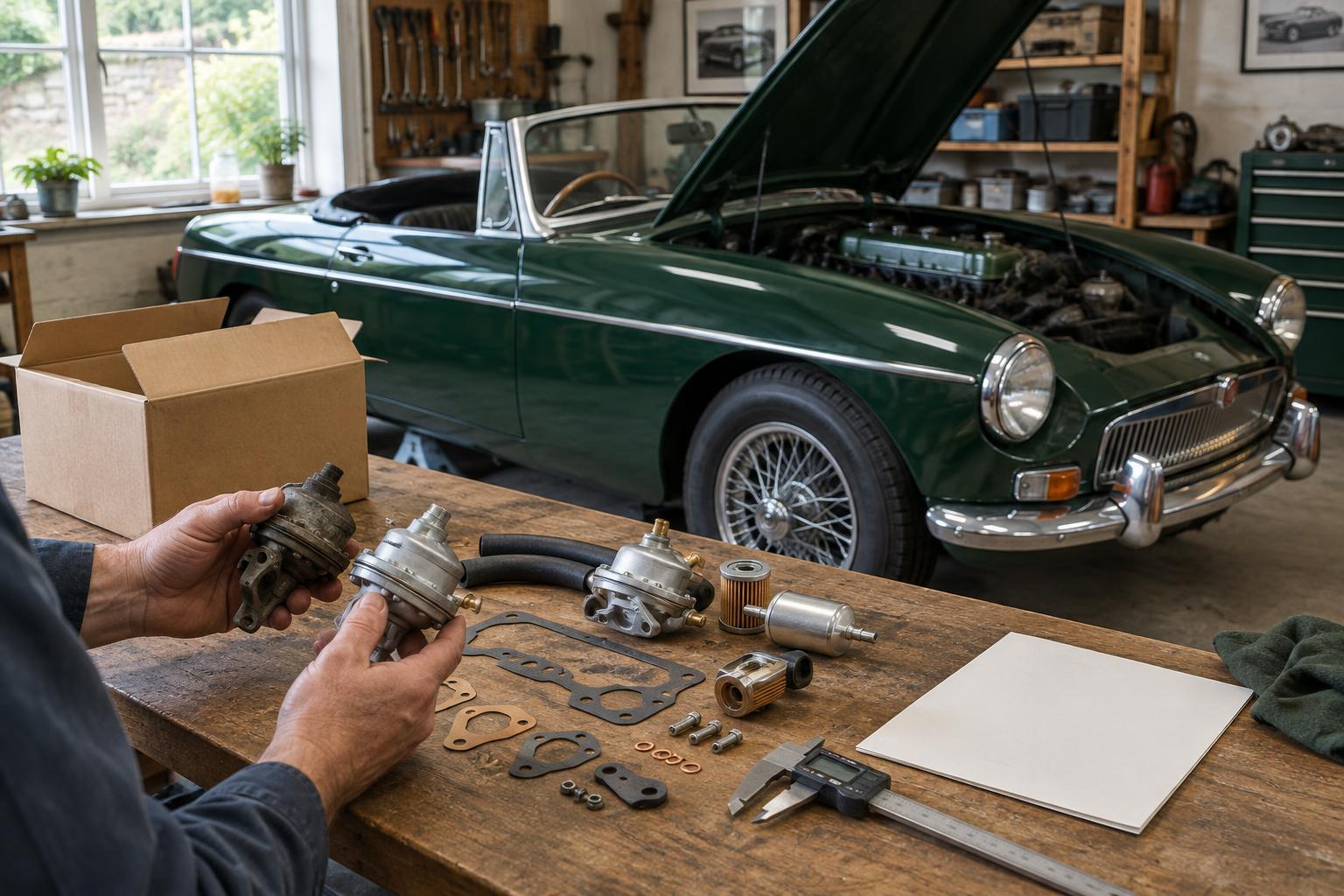
Compare candidates with the original wherever possible. Look at both faces, measure mounting centres and inspect the fasteners and seals supplied. A used original part might offer better fit but bring its own corrosion or worn plating. A new piece with an attractive finish may still need careful adjustment—and forcing it into place can damage fresh paint. Check a supplier’s return conditions before trial-fitting or modifying anything.
Cost comparisons should include more than the part or plating invoice. Add shipping, specialist preparation, replacement clips and seals, possible fitting work and the risk of buying a part that does not sit correctly. Where an original has unusual detail or is hard to find, paying more to restore it may be worthwhile. Where an accurate replacement fits cleanly, replating a badly deteriorated original may bring little practical benefit.
Plan the work before the trim comes off
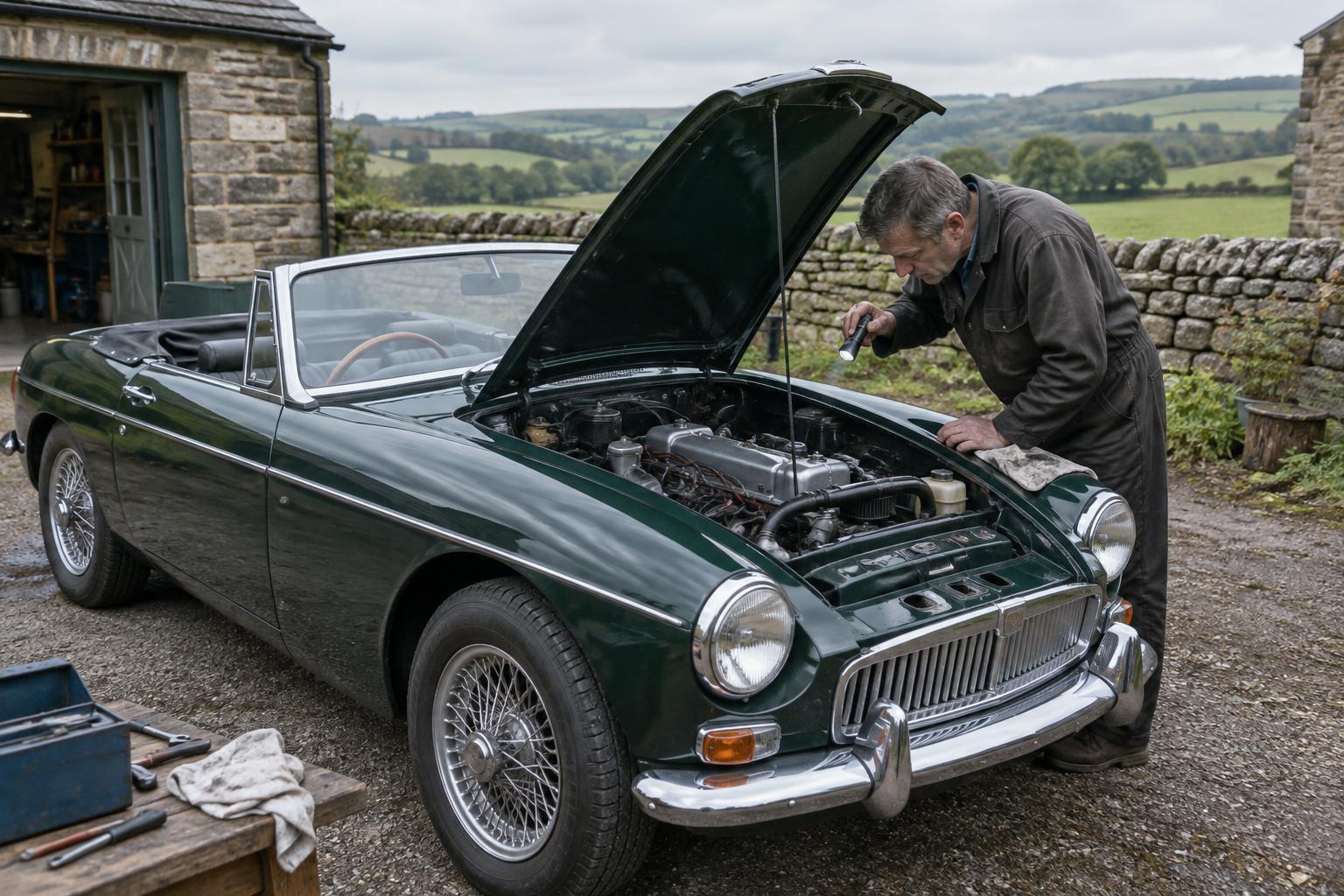
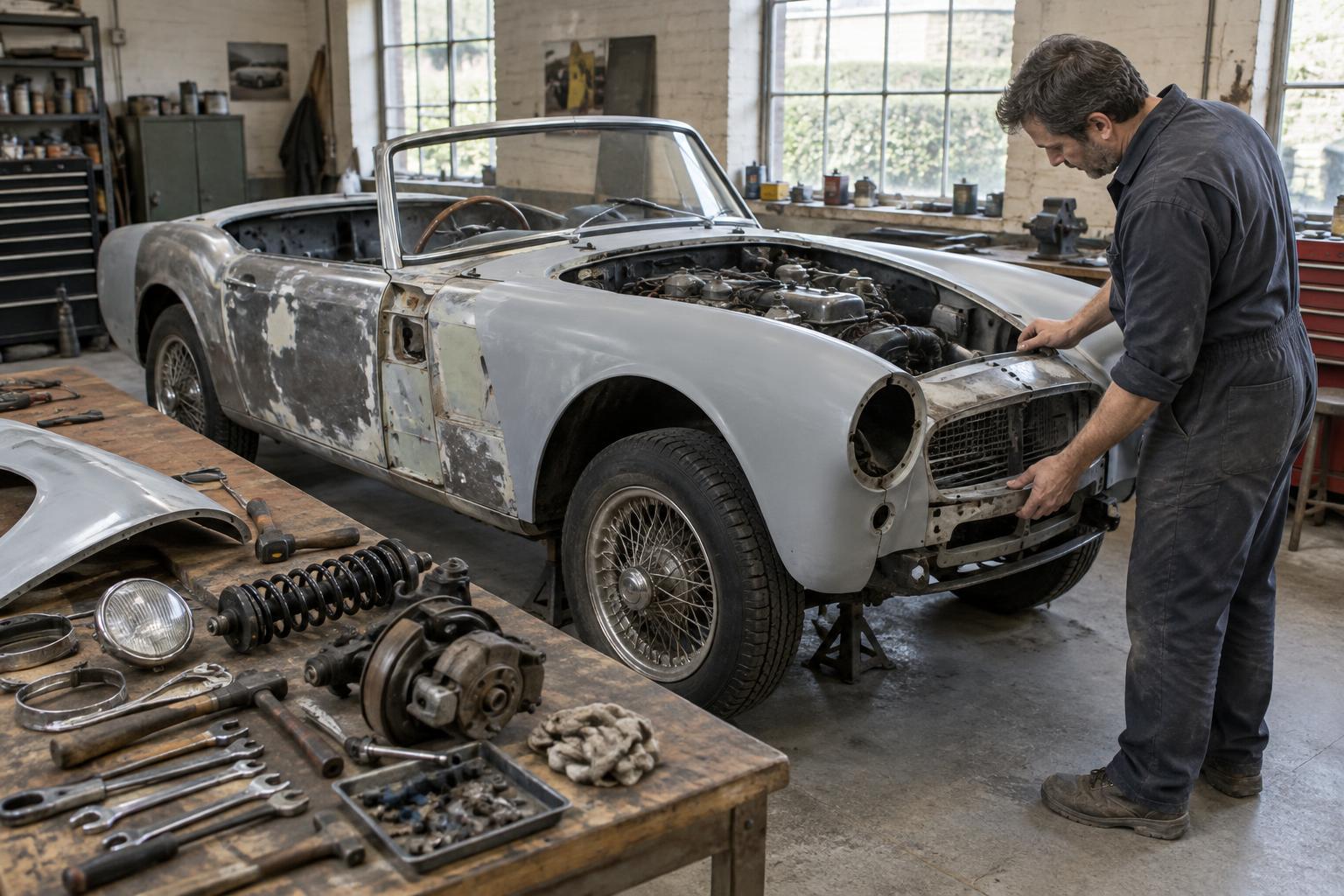
Photograph each piece in place, including its gaps, orientation and fasteners. Label parts as you remove them, and keep left- and right-hand fittings separate. Check whether old rubber pads, clips or washers have hardened; reusing them can make sound trim sit unevenly or mark the bodywork. If nearby paint or panel repairs are planned, coordinate the trim decision with that work rather than judging fit against a surface that is about to change.
Handle removal gently. Old studs can snap, and levering against paint or glass can create a larger restoration job than the original pitting. For a close-fitting bumper or grille, a trial assembly before final tightening is especially useful. Protect painted edges, start all fasteners loosely and adjust the position gradually. Plating and reproduction manufacturing can both introduce small dimensional differences, so avoid assuming a part will fit exactly as it did before.
The best decision is usually part-specific. Keep a sound, distinctive original if a specialist can restore it without sacrificing its character; choose a replacement when damage, cost or availability makes that route more convincing. Judge the result not just by its shine on a workbench, but by how the piece fits and looks on the finished car.