Is the engine worn, or is something else at fault?
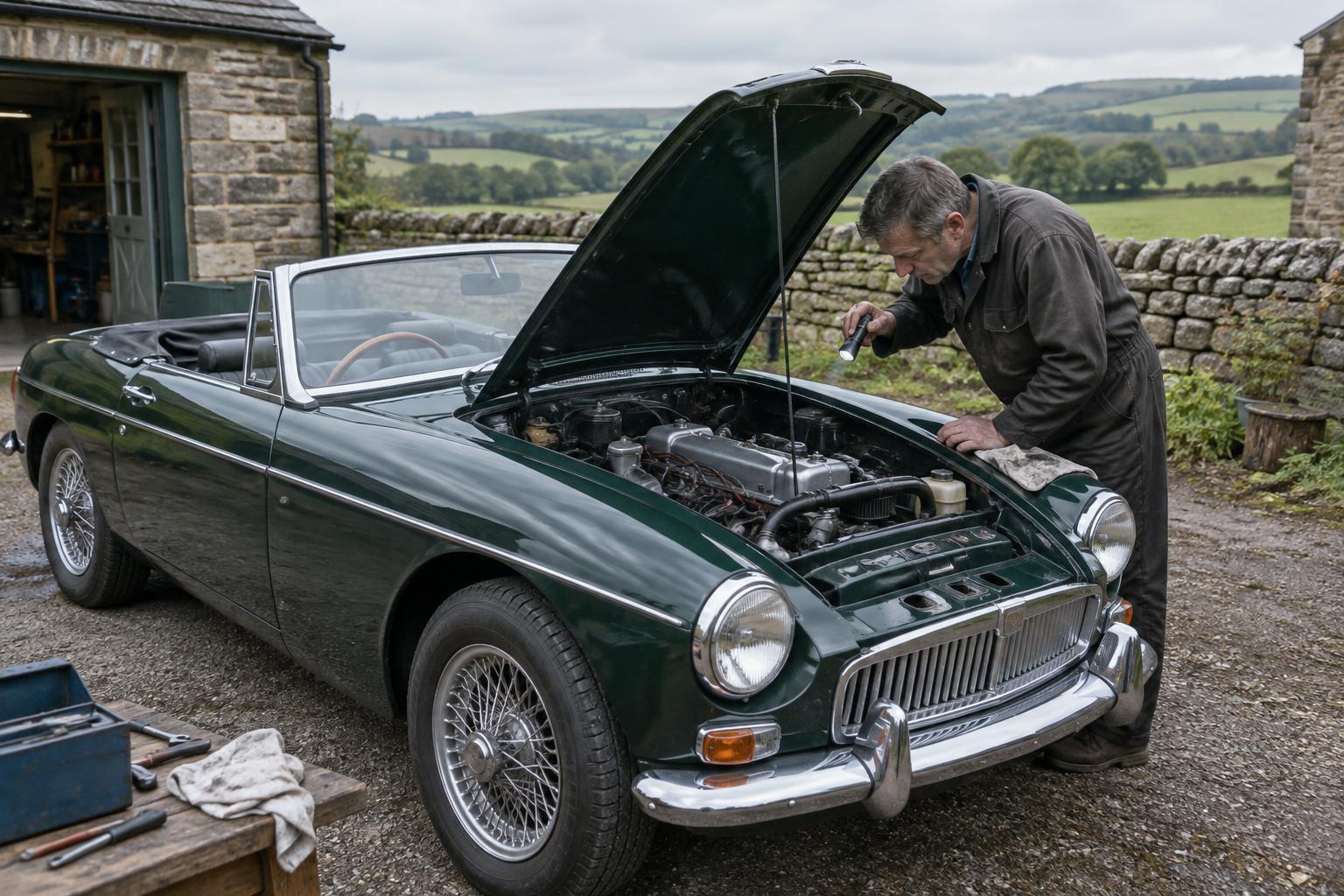
Low power, smoke, oil consumption and unpleasant noises can point towards internal wear, but they are not diagnoses on their own. Poor ignition timing, incorrect carburettor settings, cooling faults and oil leaks can produce symptoms that make an engine seem more tired than it is. Begin with its history: note when each symptom appears, whether it changes as the engine warms up, and what work has already been tried.
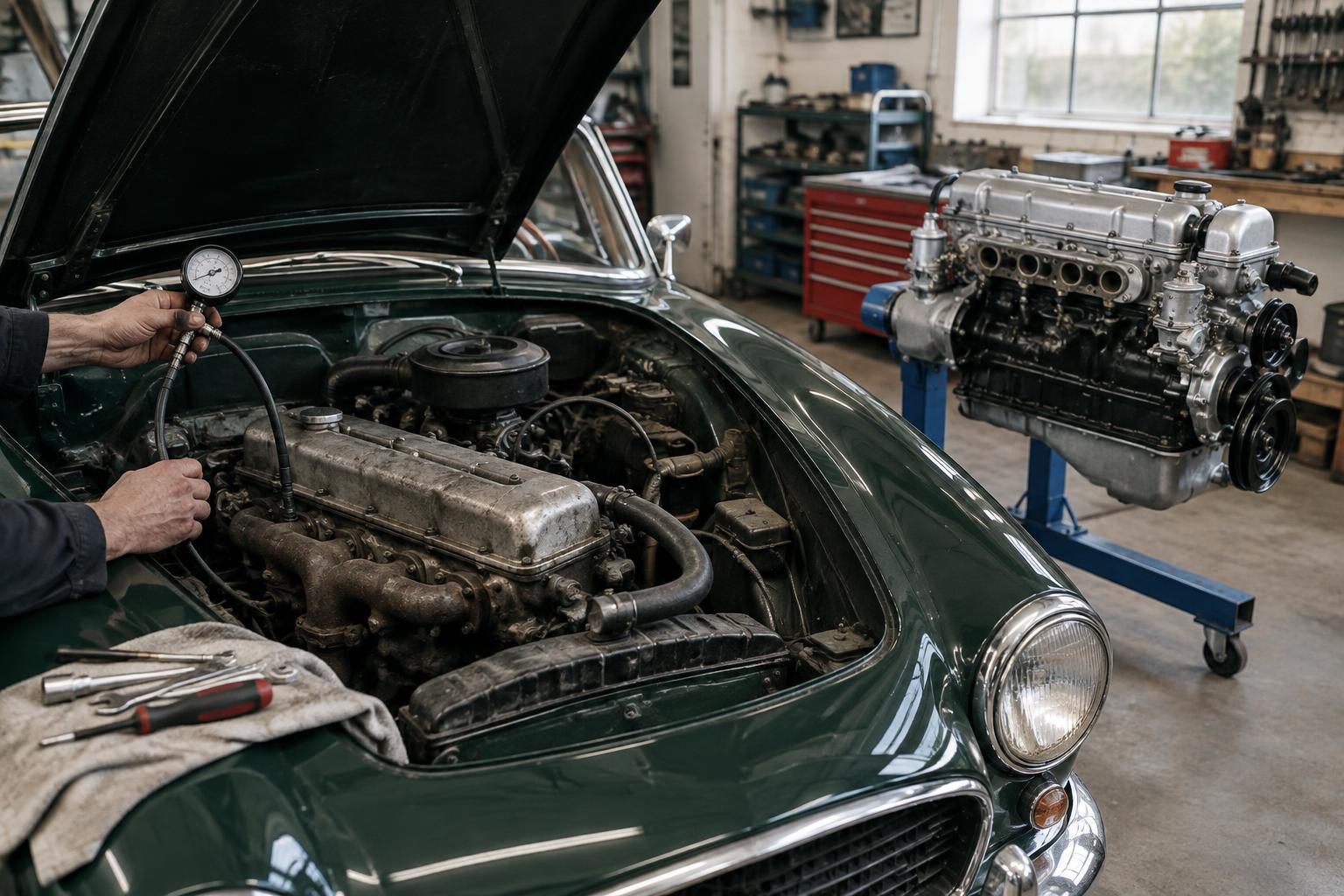
A compression test, leak-down test where appropriate, oil-pressure check and inspection for external leaks can help narrow the possibilities. Results need interpreting in the context of the particular engine and its condition. If the car is driveable, ask a workshop familiar with older engines to assess it before removal. A targeted cylinder-head repair or correction to the fuel and ignition systems may be sufficient; equally, discovering significant bottom-end wear early can prevent a series of partial repairs that never address the main problem.
What does originality mean for this car?
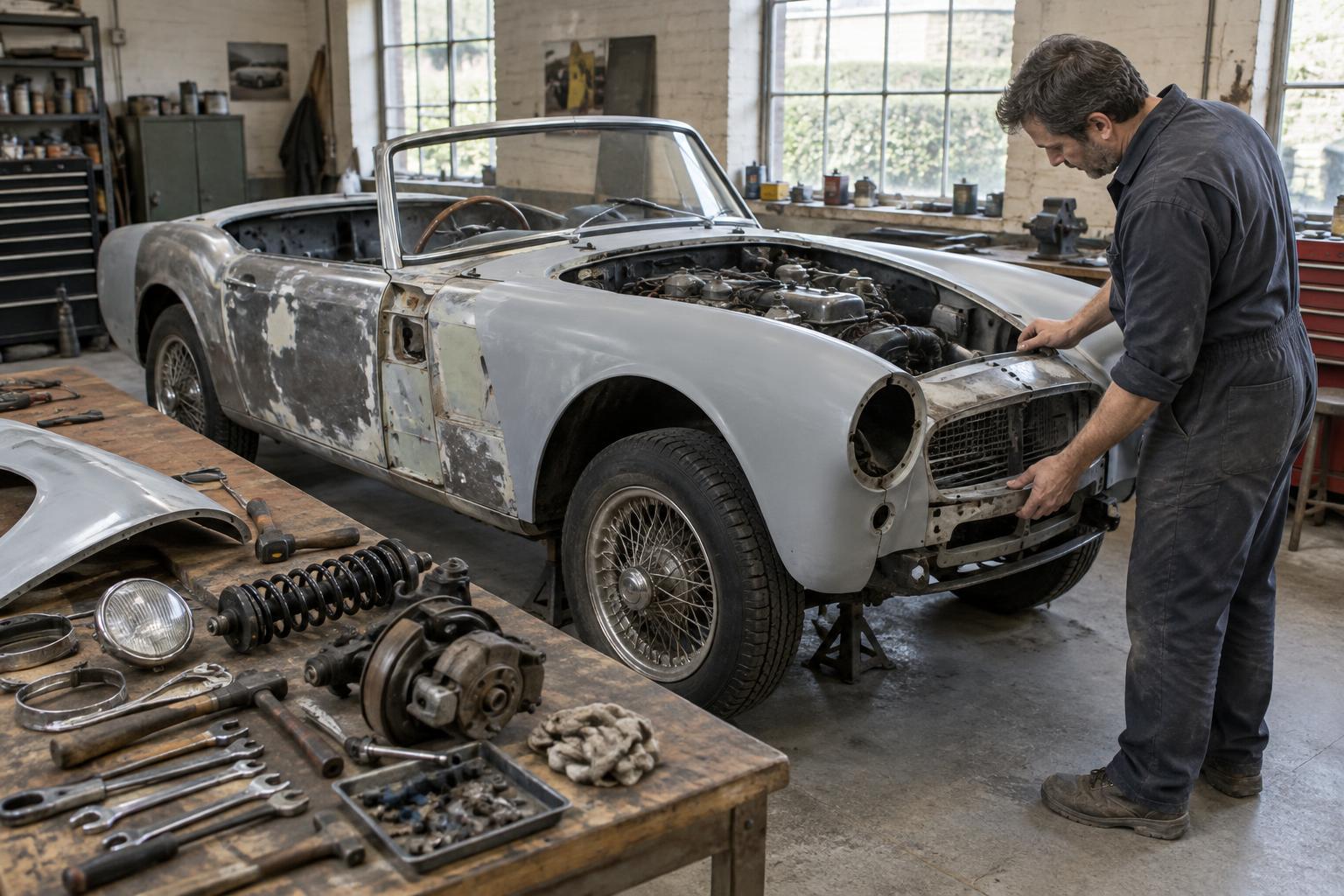
For some owners, retaining the engine fitted to the car is central to the project. A matching or historically significant unit may be worth rebuilding even when the labour and machining involved are substantial. For others, dependable touring matters more than preserving every original component. Neither priority is wrong, but deciding which matters to you will make later choices more consistent.
Record the engine number and any identifying features before work begins, and keep photographs and paperwork with the car’s history. Check the engine type rather than assuming that any unit from the same model family will fit and behave identically. Changes across production runs can affect mountings, ancillaries, cooling connections, clutch components and specification. If you are considering a different engine type or a substantial modification, establish the relevant registration and insurance requirements before committing to the work.
What does “rebuild” actually include?
The word can describe anything from a refresh of accessible parts to a complete strip, inspection and machining programme. Ask for a written scope that distinguishes work already authorised from work that depends on what is found after dismantling. Discuss measurements of the block, crankshaft and cylinder head, assessment of cracks or corrosion, and the condition of bearings, pistons, valve gear and oil pump. Not every engine will need every operation.
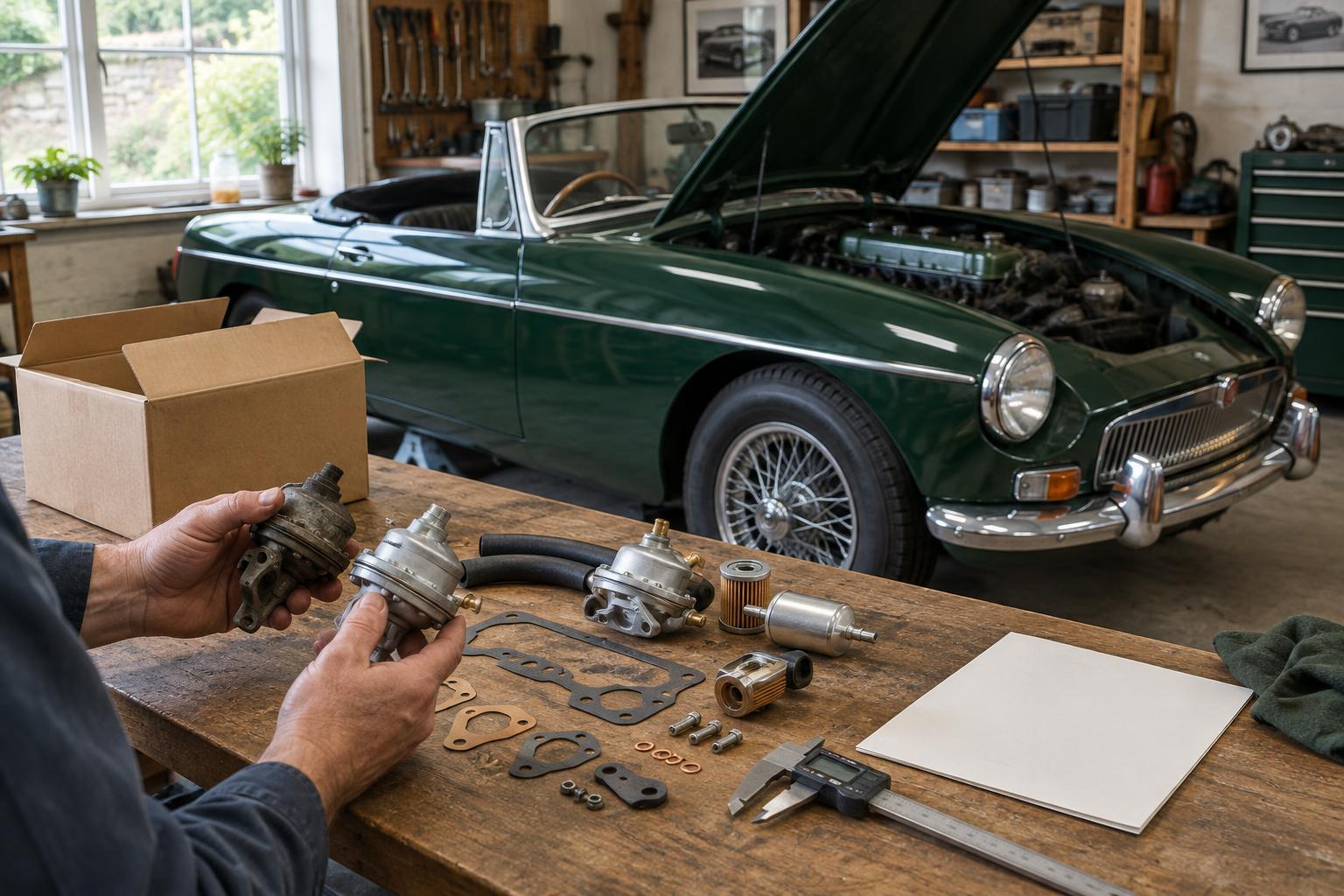
Parts availability can shape the plan. Correctly sized bearings, pistons, gaskets and specialist components may be straightforward to obtain for one engine and difficult for another. Ask who will source them, how substitutions will be agreed, and whether the workshop will return the old parts. It is also worth establishing who is responsible for machine work carried out elsewhere, final assembly and testing. A clear scope makes it easier to compare proposals and to understand why the estimate might change after inspection.
What are you buying with a replacement engine?
A used engine may be an economical starting point, but “running when removed” says little about its internal condition. Seek its identifying details, known history and any available test results. Check whether it is complete with the parts your car needs, or whether items such as manifolds, flywheel, distributor and sump must be transferred from the old unit. Allow for seals, hoses, mounts and other installation items even if the replacement appears sound.
A professionally rebuilt exchange engine offers a different balance of convenience and uncertainty. Ask which components are renewed, which are inspected and reused, whether the unit is built to a standard specification, and what documentation accompanies it. Clarify the exchange arrangement before surrendering your original engine: the supplier may have conditions concerning cracks, missing parts or previous modifications. If preserving the old unit matters, confirm whether you can keep it and what that changes about the arrangement.
How will the finished job be checked?
Engine work does not end when the unit starts. Agree who will check the cooling system, fuel supply, ignition, charging system and exhaust connections once it is installed. A fault in one of these supporting systems can spoil the result of a sound rebuild or replacement. Ask what initial running checks, leak inspections and follow-up adjustments are included, and obtain any instructions for early use and servicing.
Finally, plan around uncertainty. Inspection may reveal a block or crankshaft that needs more work than expected; a replacement may need extra parts to suit the car. Ask the workshop how such findings will be reported and approved, what records you will receive, and how the finished engine will be evaluated against the symptoms that prompted the job. The best decision is the one whose condition, scope and compromises you understand before the engine comes out.