Start with the car you want to use
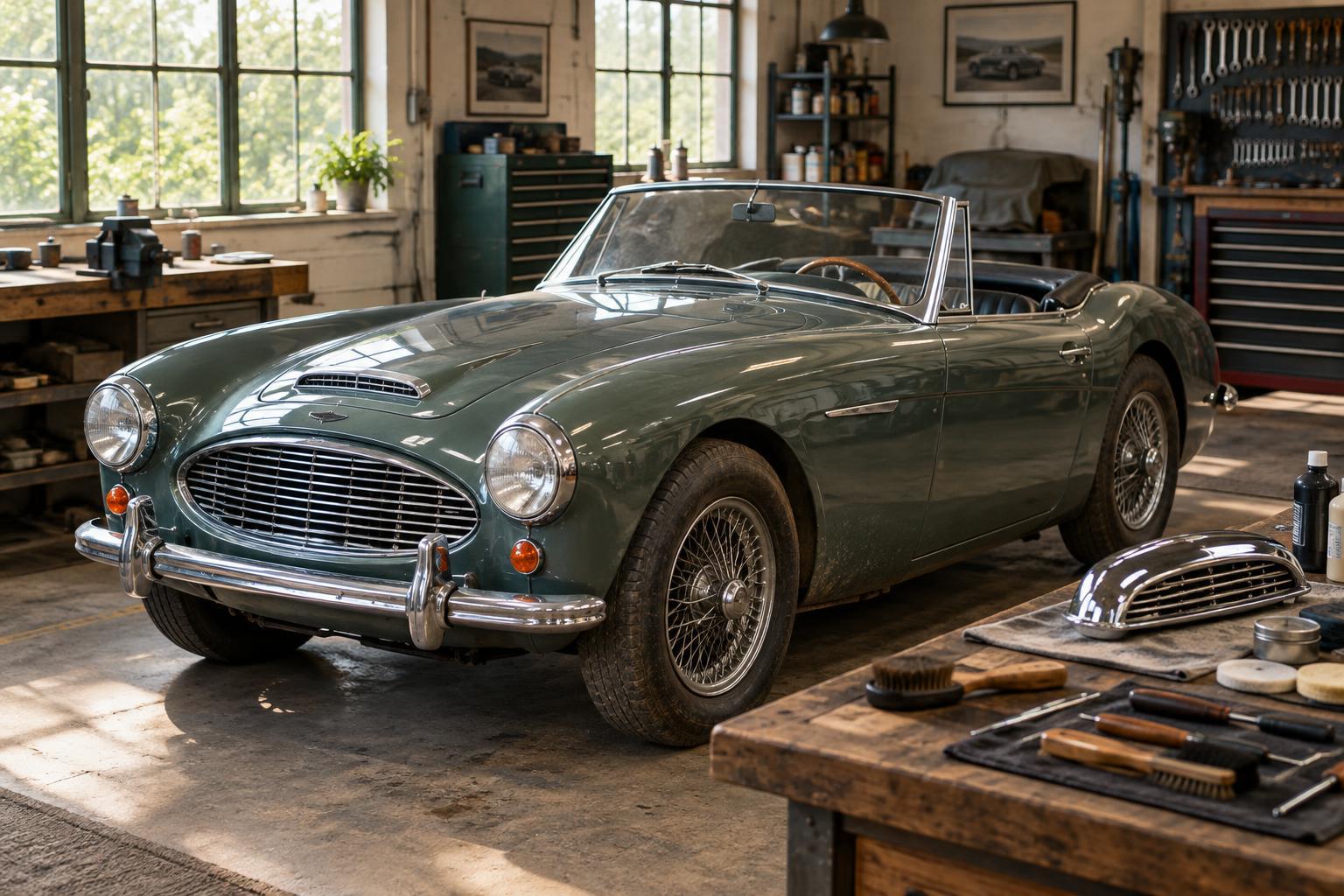
Before choosing paint colours or upholstery, picture a typical year with the finished car. Will it take you on weekend drives, long scenic tours and the occasional wet journey? Or will most of its outings be shows where small details receive close attention? A driver-quality restoration aims for a sound, attractive and dependable car that can be enjoyed without treating every stone chip as a setback. A concours-oriented restoration puts greater emphasis on presentation, consistency and, where appropriate, historically accurate details.
Neither standard is a shortcut around essential work. Brakes, steering, structure, tyres and other safety-related systems deserve careful attention regardless of how glossy the paint will be. Nor does a driver-quality car have to look scruffy: good panel alignment, tidy trim and a well-finished engine bay can make it a pleasure to own. The difference is often how much time you spend correcting imperfections that do not affect its use.
Let the starting point shape the ambition
An unusually complete car with original fittings may offer a useful reference for a detail-focused restoration. A car that has already been modified or repaired several times may be a better candidate for an honest, sympathetic driver. That is not a rule about which cars deserve care. It is a reminder that recreating missing details can involve research, hard-to-find parts and substantial rework, while retaining sound existing components can preserve part of the car’s story.
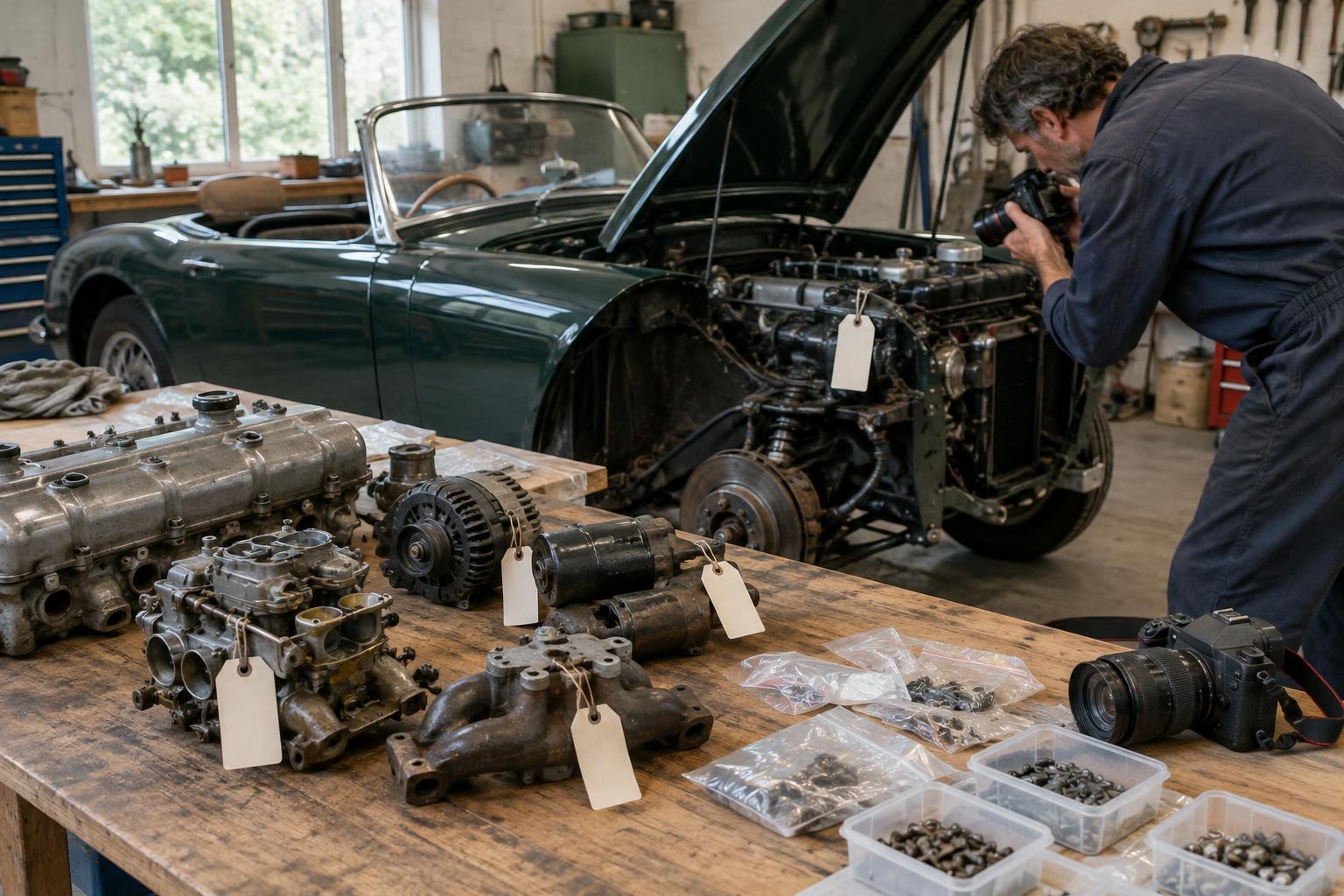
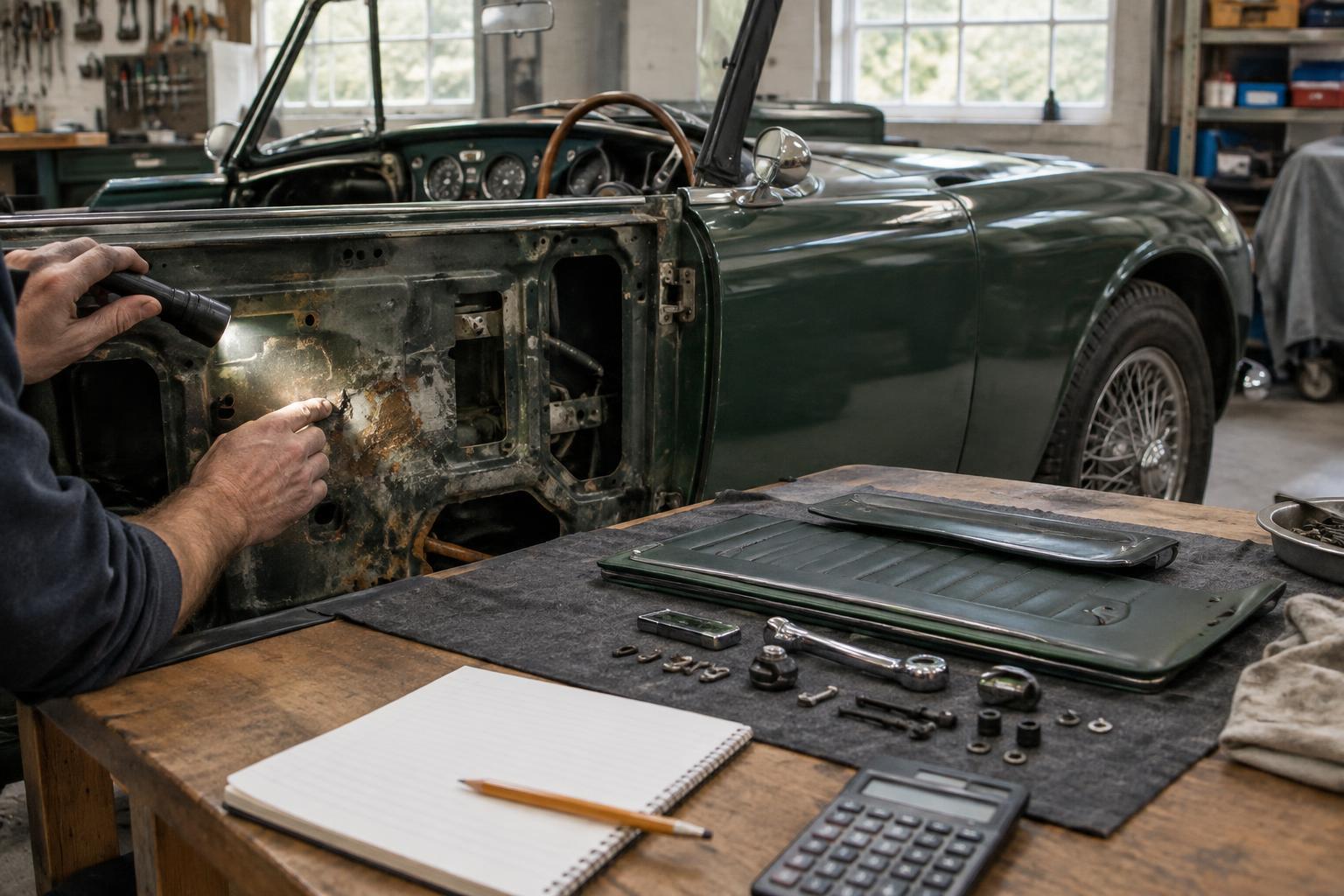
Inspect the car before fixing a finish standard. Rust hidden beneath trim, old repairs under paint and wear inside mechanical assemblies can change the scope of a project. Record what is present with photographs and notes, including parts you plan to remove. For a British classic with many possible specifications, identify the car’s actual configuration rather than assuming every example of the model was built alike. When evidence is uncertain, it is better to note the uncertainty than to present a guess as factory-correct.
Define standards by area, not by a single label
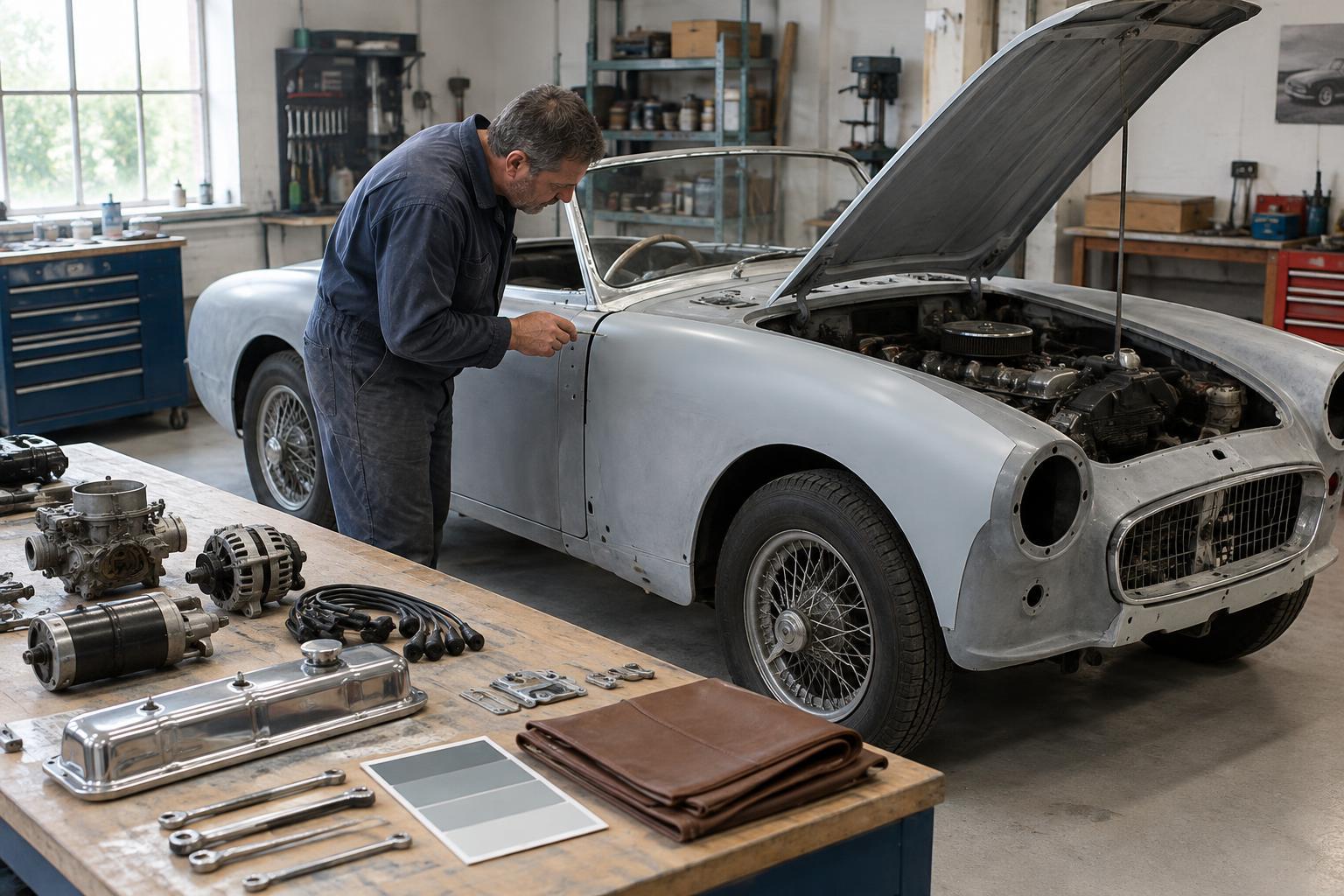
“Driver-quality” and “concours” are broad descriptions, not universal checklists. Write a brief specification for each part of the car: body and paint, cabin, engine bay, underside and mechanical systems. You might choose durable, easily maintained finishes beneath a touring car while giving its visible panels and interior particularly careful attention. Conversely, a show-focused project may call for consistent finishes in places rarely seen on a drive.
Set tolerances you can discuss with anyone doing the work. For paint, decide whether minor evidence of use is acceptable and how important perfectly even gaps are. For trim, decide whether a good-quality replacement is sufficient or whether its pattern and fit must closely match a documented original. Where originality matters, distinguish between a period-appropriate appearance and a claim that every component is original to the car. Clear language helps prevent the project from drifting toward an undefined idea of perfection.
Account for the work after the work
A higher presentation standard can multiply decisions. Improving one panel may make the next look tired; refinishing an engine bay may prompt replacement of usable clips, hoses and fasteners. Each step can be worthwhile, but repeated dismantling and refinishing consume time and can disturb work already completed. Establish priorities before the car comes apart, and leave room in the schedule for discoveries that cannot be judged from the outside.
Ownership continues after restoration. A car driven often will collect marks, require cleaning and need routine servicing. Ask yourself whether you would feel comfortable parking it at a village pub or taking it down a narrow country lane. If not, a demanding finish may work against the kind of motoring you hoped to enjoy. Equally, someone who takes pleasure in meticulous preparation may find that care part of the hobby. The realistic standard is the one you will be happy to maintain.
Make a decision you can revisit deliberately
Choose a primary aim, then list a few non-negotiables. These might be sound structure, reliable touring, preservation of surviving original trim or a consistently detailed show presentation. Separate those aims from optional improvements so that an attractive extra does not silently become a requirement. If several people are involved, share the specification and review proposed changes before work proceeds.
It is reasonable to refine the plan when dismantling reveals new evidence, but change it consciously. Keep photographs, parts records and notes on the reasons for significant decisions; they can help with future maintenance as well as explain the finished car. A successful restoration need not win an argument about which standard is best. It should make the car safe, coherent and suited to the journeys—or displays—you genuinely intend for it.