Decide what you are trying to preserve
Before ordering parts, define what originality means for this particular car. A well-preserved survivor with much of its early trim and finish presents a different decision from a car that has already been rebuilt several times. Originality can refer to its factory specification, its surviving components, or the way it looked and worked during a meaningful period of its life. Those are not always the same thing.
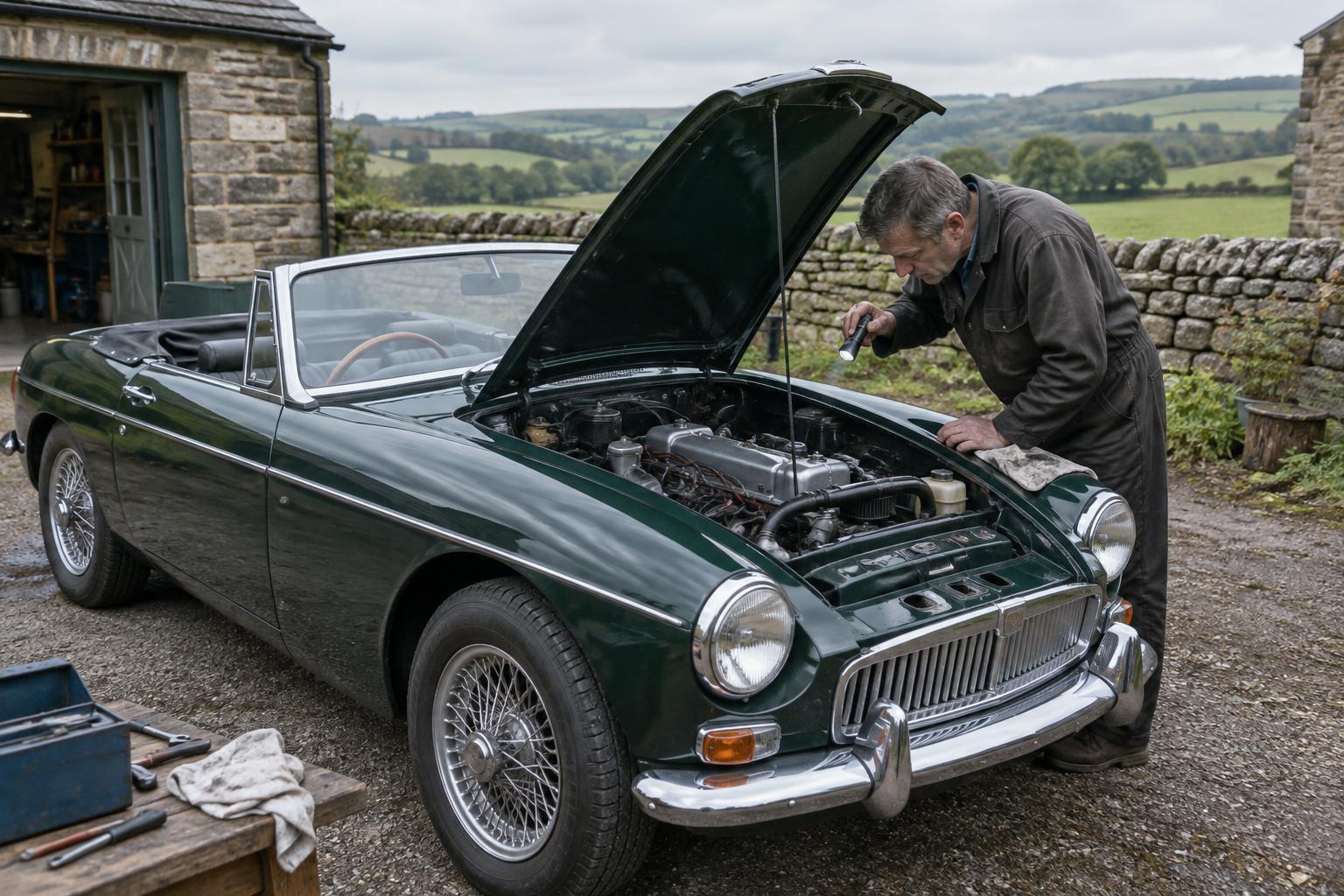
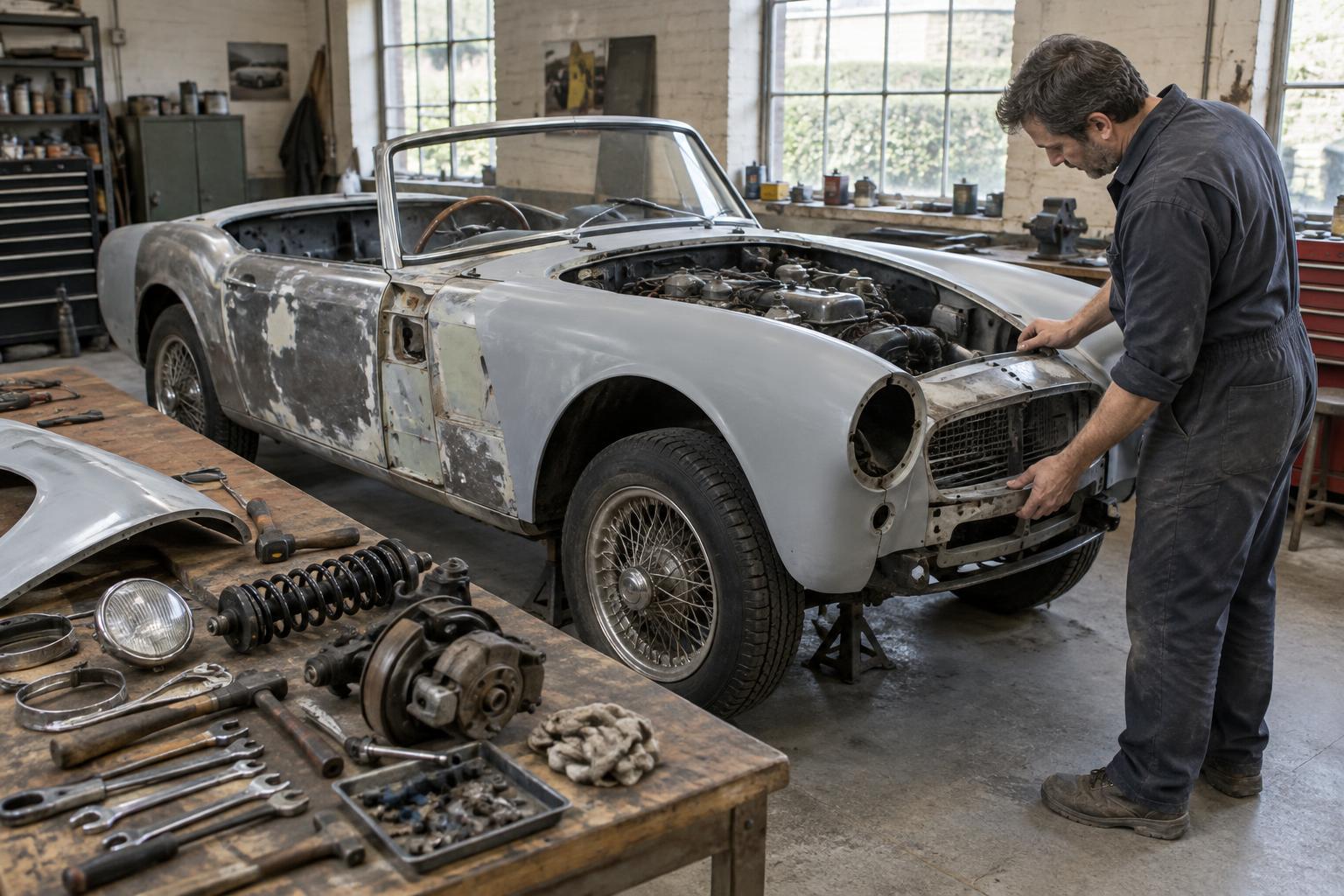
Take stock of what is actually present. Record identifying numbers, finishes, fittings and previous repairs, and photograph the car before dismantling it. Keep notes on which details appear original, which are replacements and which remain uncertain. This prevents an attractive but incorrect new part from being treated as more authentic than an old, serviceable one. It also gives you a baseline against which to judge proposed changes.
Set an intended use as well. A car kept mainly for local outings may not need the same provisions as one expected to tackle long touring days. Neither goal is more legitimate, but an unstated goal can lead to an expensive mixture of changes that does not quite serve either purpose.
Assess each change on its merits
It helps to separate necessary repairs from optional improvements. A failing brake pipe needs attention; changing the entire braking arrangement is a broader choice. Likewise, replacing a damaged wiring loom is not the same decision as adding extra electrical equipment. For each proposal, ask what problem it solves, whether that problem has been observed on this car, and whether careful repair or adjustment could solve it first.
Consider the trade-offs in four areas: safety, reliability, driving character and preservation. An alteration that makes the car easier to use may also change its appearance or the feel of its controls. A discreet improvement may suit an often-driven classic, while an unusually intact example may warrant greater restraint. Check that replacement parts fit and work together rather than assuming that newer automatically means better.
Where safety is involved, avoid treating originality as a reason to retain a known defect. Equally, do not assume that a major conversion is the only route to a dependable car. Sound maintenance, suitable components and correct adjustment can make a substantial difference without changing the underlying design.
Think about reversibility and hidden costs
A reversible change offers room to adapt later. If an accessory can use existing mounting points and the removed parts can be labelled and stored, a future owner has options. Cutting sound bodywork, discarding distinctive fittings or making extensive structural changes deserves more scrutiny, particularly when the car retains rare original material.
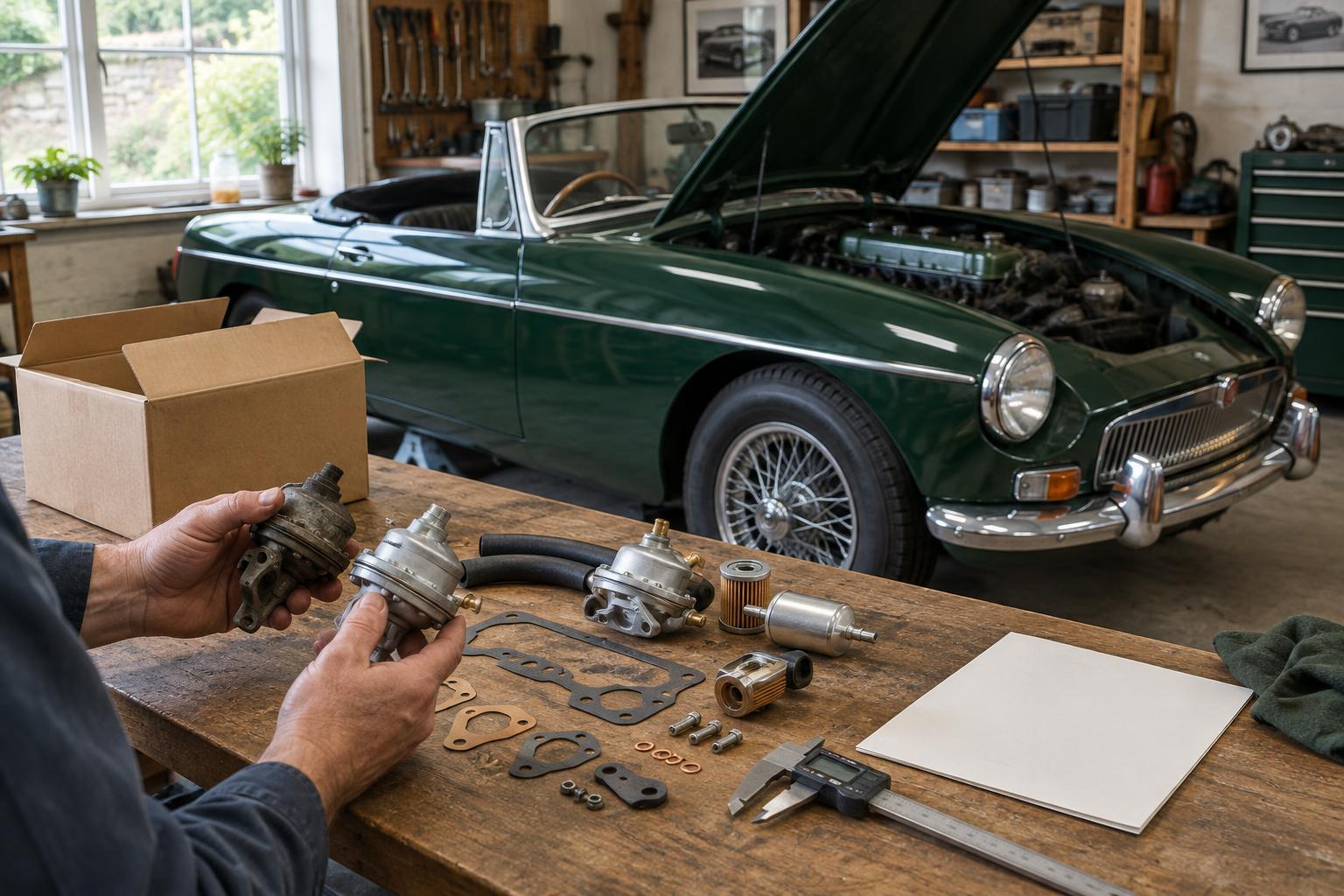
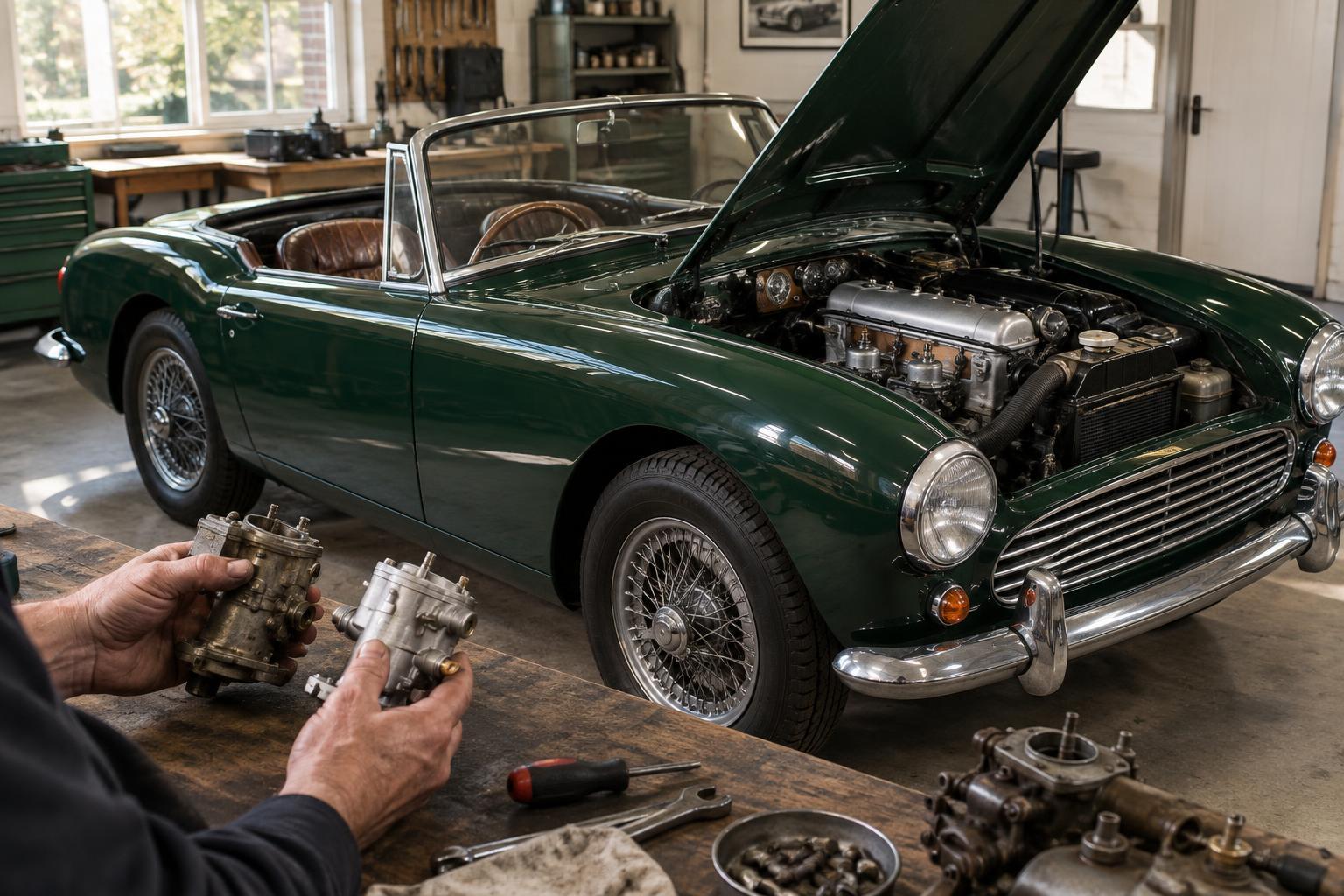
Look beyond the price of the headline component. A different gearbox, alternator or cooling arrangement may affect mountings, wiring, instruments, clearances or access for maintenance. Work out the full chain of associated tasks before committing. If you plan to entrust the job to a specialist, discuss what can be retained and how the result will be documented.
Keep serviceable removed parts with the car where storage permits, including small brackets and fasteners that may be difficult to identify later. Record what was changed and why, with photographs and parts details. Good records make future maintenance easier even if returning the car to its earlier specification is never part of the plan.
Test usability before redesigning the car
Many frustrations become clearer after the car has been made sound and driven regularly. Overheating, awkward starting or tiring cruising may have several possible causes; choosing an upgrade before finding the cause risks spending money without fixing the fault. Begin with condition checks and routine servicing, then assess the car in the conditions in which you expect to use it.
Pay attention to the experience you hoped to keep. Some mechanical noise, effort and modest performance are part of an older car’s character. The question is not whether the car can be made to feel modern, but which compromises make it enjoyable for you. An owner planning relaxed scenic runs may reach a different answer from one planning frequent, lengthy journeys.
Try to make changes in stages where practical. Drive the car between stages and note what improved and what did not. That approach gives you evidence from your own use, rather than building an entire restoration around problems that might not materialise.
Make a coherent plan, not a list of upgrades
Before work begins, write a short restoration brief covering the car’s significant original features, intended use, essential repairs, acceptable modifications and areas to leave untouched. Mark uncertain decisions for review after inspection or a period of driving. This gives a workshop, or your future self, a consistent basis for choices when the car is apart and surprises appear.
There is no single correct balance of originality and usability for every British classic. A thoughtful restoration respects what the car still has, addresses genuine needs and makes its decisions understandable. Whether the result remains close to its original specification or incorporates carefully chosen changes, it should be a car whose history has not been erased by accident.