A familiar roadster was starting to look old-fashioned
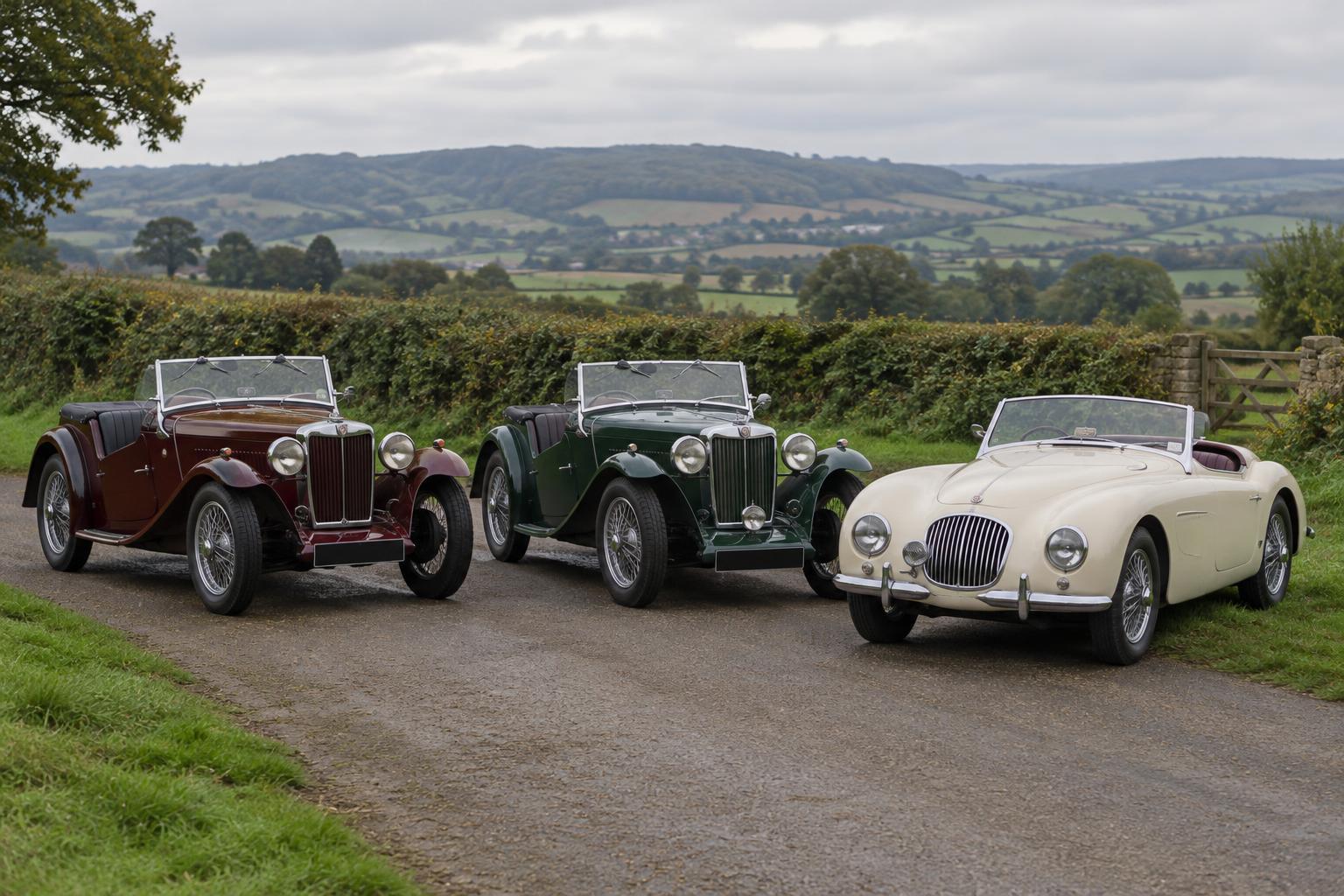
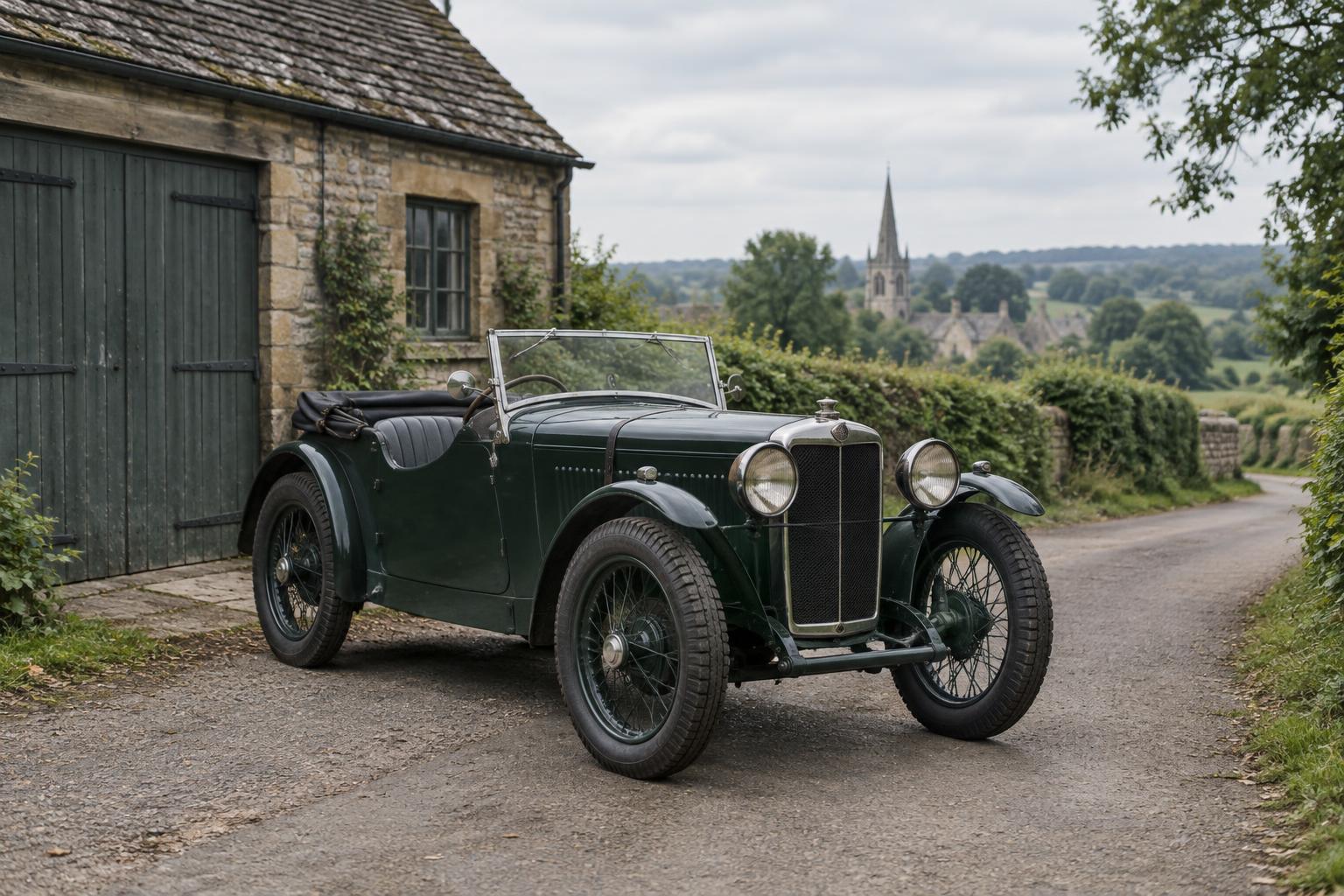
MG’s T-series roadsters had made an enduring impression. Their separate wings, upright radiator grilles and high bonnets gave the TD and TF an unmistakable character. For drivers who valued open-air motoring and a direct connection with the road, that character was part of the appeal. But by the early 1950s, the basic silhouette looked increasingly rooted in an earlier era.
Sports-car design was moving towards lower bodies with wings blended into the overall shape. A lower bonnet and smoother front could make a car look faster even while standing still, but appearance was not the only consideration. A less upright body could also help a modestly powered roadster make better use of its performance. MG needed a successor that retained the approachable spirit of its earlier cars without continuing to look like one of them.
From competition ideas to a production shape
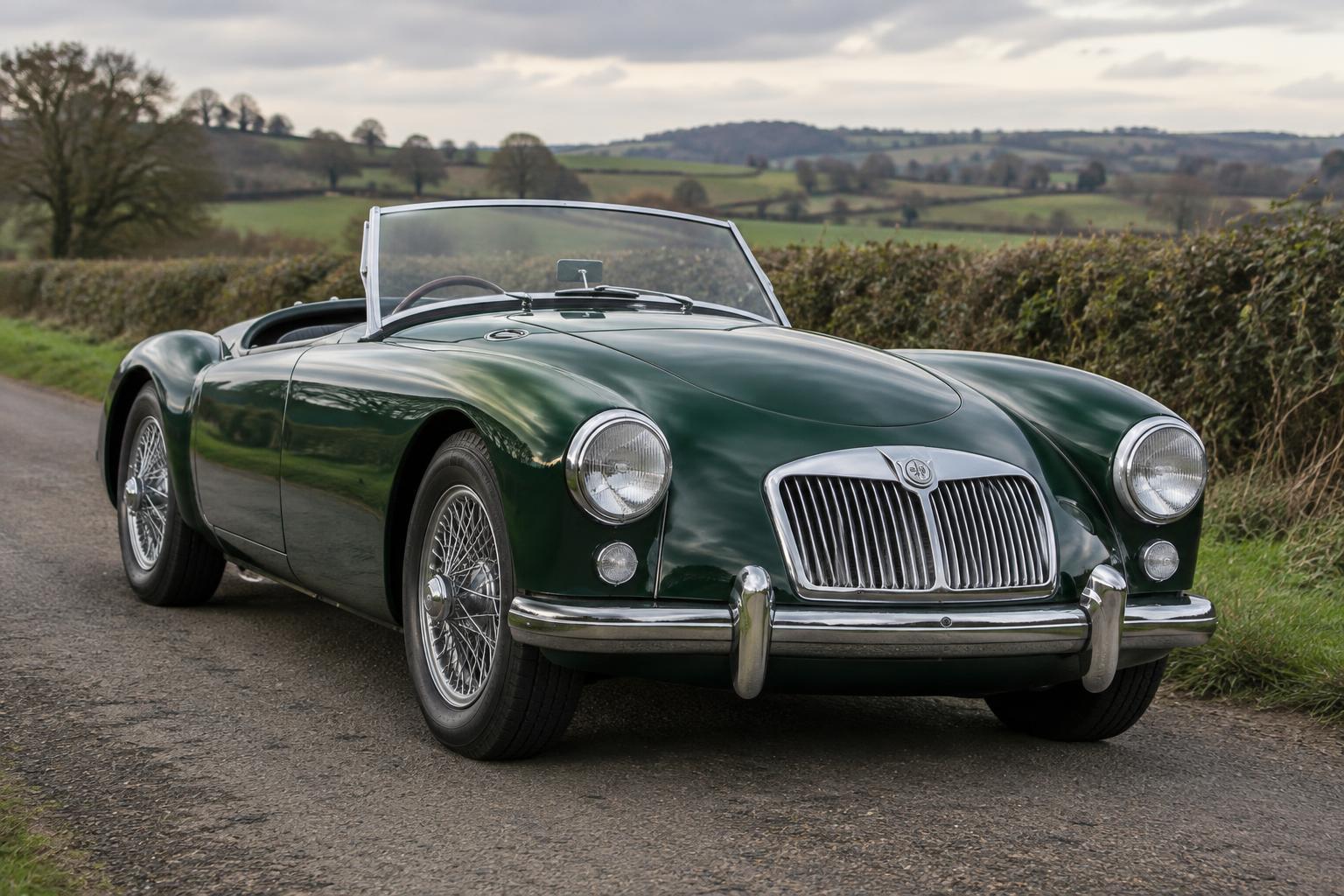
The MGA’s form drew on ideas explored in MG competition projects. Its long bonnet, low seating position and flowing wings suggested a car shaped around forward motion rather than around a separate grille and mudguards. That influence did not turn the production MGA into a racing car. It gave an everyday roadster a fresh visual language that still felt recognisably sporting.
Bringing that shape into production required more than fitting a new body over the old T-series frame. The MGA used a different chassis layout that allowed the occupants to sit lower between the frame members. This helped establish the car’s low profile and changed the experience from behind the wheel: instead of sitting high behind an upright bonnet, the driver sat closer to the road within a more enveloping body.
The result, introduced in 1955, was a clear departure without being an exercise in novelty. The MGA kept the essentials many MG buyers wanted—two seats, a folding hood, a front-mounted engine and rear-wheel drive—while giving them a shape that belonged to its own decade.
Why the new shape mattered on the road
A streamlined outline should not be mistaken for a guarantee of dramatic speed. The early MGA used a conventional four-cylinder engine, and its appeal rested as much on balance and involvement as on outright pace. Nevertheless, reducing the visual and physical bulk of the earlier roadsters suited the car’s purpose. Its lower stance helped communicate the light, responsive character that drivers expected from an MG.
The design also changed the car’s everyday personality. Curved wings and a low nose made the MGA look more modern, while the open cockpit and simple controls preserved a sense of occasion. It offered a bridge between the exposed, pre-war-influenced T-series and the more practical sports cars that followed. That combination helps explain why the MGA can feel both traditional and distinctly different from its predecessors.
Not every detail of the shape was dictated by engineering. Styling, manufacturing needs and the expectations of buyers all played a part. The achievement was making those demands work together: the body looked purposeful, yet it remained inviting rather than severe.
An enduring turning point for MG
The MGA is often remembered for its graceful lines, but its significance lies in the decision behind them. MG chose not to keep refining an upright roadster indefinitely. It adopted a lower chassis and a new body form to give the familiar idea of an open two-seater a convincing future.
For a classic-car enthusiast, placing an MGA beside a TF makes the change easy to appreciate. Both express MG’s interest in accessible driving pleasure, but they do so in different visual languages. The TF wears its mechanical layout openly; the MGA gathers its components into a continuous shape. That contrast makes the MGA more than a handsome model in MG history. It marks the point at which the marque’s post-war roadster took on a new silhouette.