Two rivals become one corporation
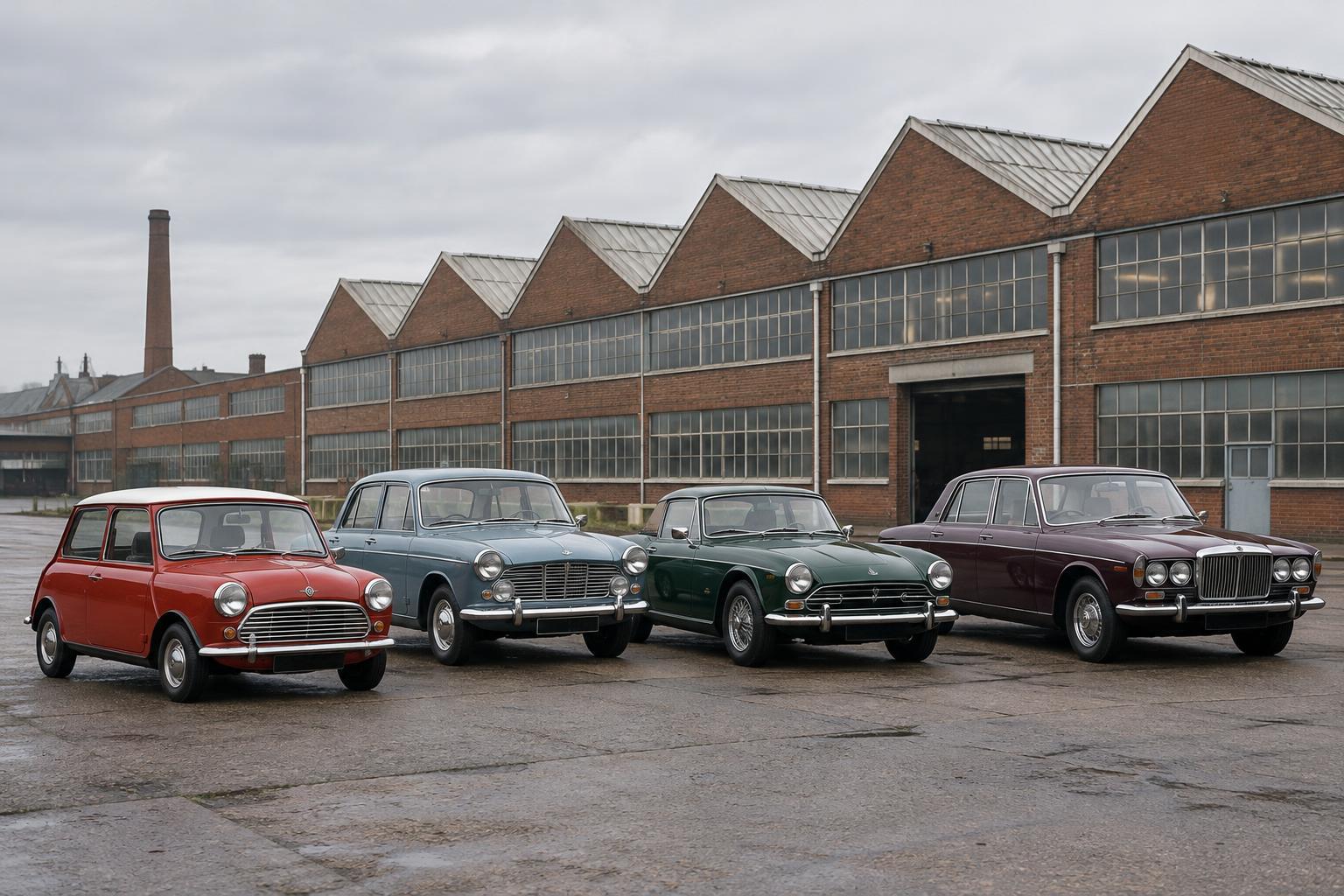
In 1952, the Austin Motor Company and Morris Motors came together to form the British Motor Corporation, usually known as BMC. It was a major change to the structure of Britain’s car industry, but not a single, overnight change to every car on the road. Austin and Morris had their own established models, factories and loyal buyers. The Morris side also brought marques associated with the Nuffield organisation, including MG, Riley and Wolseley.
The attraction of joining forces was straightforward: a larger group could coordinate production, purchasing and model development rather than having its constituent companies work entirely separately. Yet those companies had histories worth preserving. BMC therefore continued to sell cars under several familiar badges. For a buyer walking into a showroom, the name on the bonnet still mattered, even as decisions behind the scenes increasingly belonged to a shared organisation.
What changed, and what did not
A merger does not instantly turn two ranges of cars into one. Models already in development or production continued alongside one another in BMC’s early years. Austin’s Longbridge works, Morris production at Cowley and MG’s association with Abingdon each had their own people, practices and identities. Understanding the 1952 merger means allowing for this transition rather than treating every later BMC car as the direct product of a single plan drawn up that year.
Over time, the corporation had more opportunities to use common mechanical parts across different cars. Shared engines, transmissions and other components could simplify production and servicing, while bodywork, trim and equipment could give individual models a distinct place in the range. This approach helped BMC offer choices at different prices without engineering every car entirely from scratch. It could also blur the differences between badges when closely related models appeared in more than one showroom.
The changing roles of familiar badges
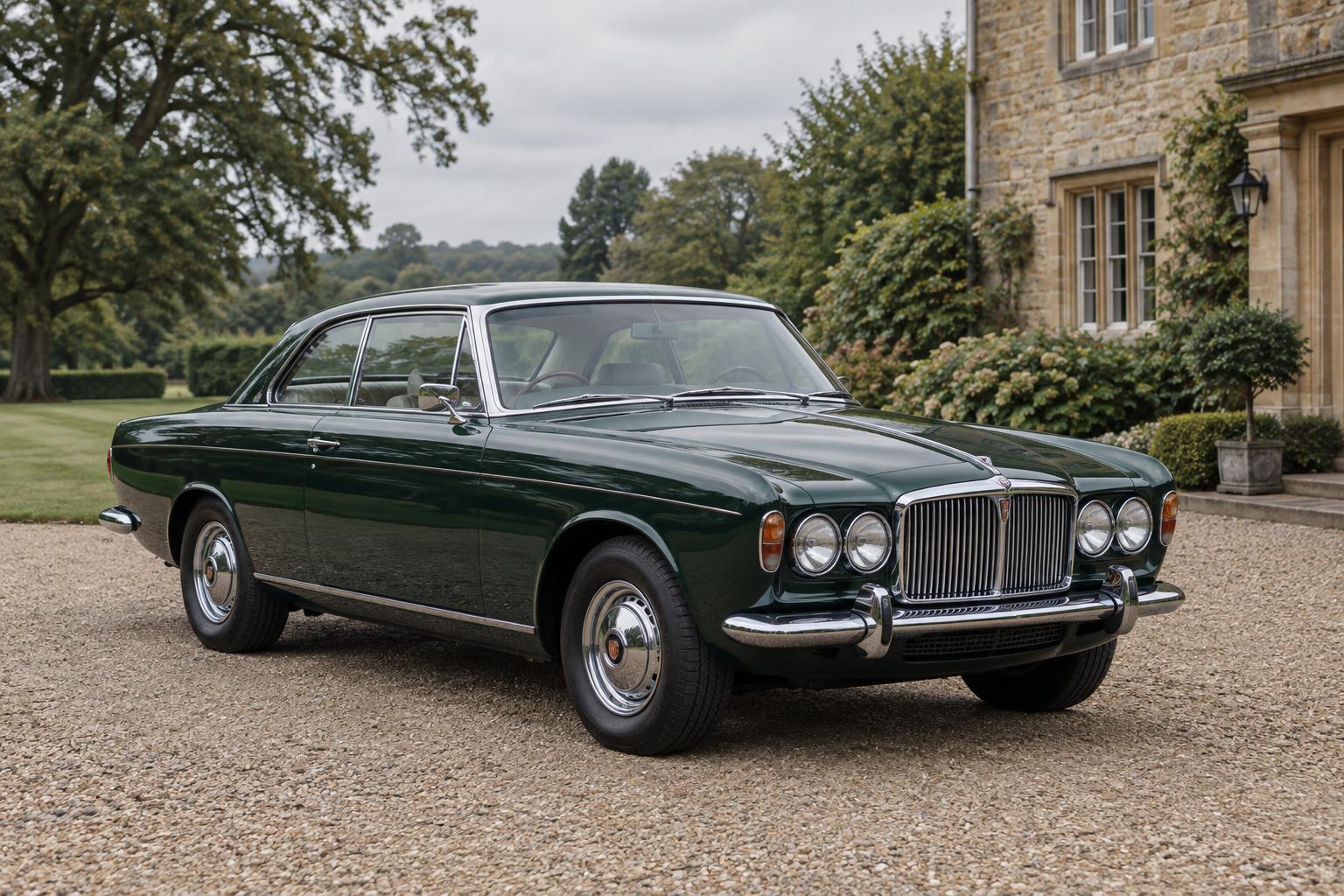
Austin and Morris remained central volume-car names, serving buyers looking for practical everyday transport. MG retained its sporting identity, a valuable distinction within a group that also made family saloons. Riley and Wolseley offered other interpretations of the British car: Riley drew on a sporting and upmarket reputation, while Wolseley was associated with a more formal, well-appointed character. These descriptions were not fixed rules for every model, but they help explain why BMC kept multiple marques in use.
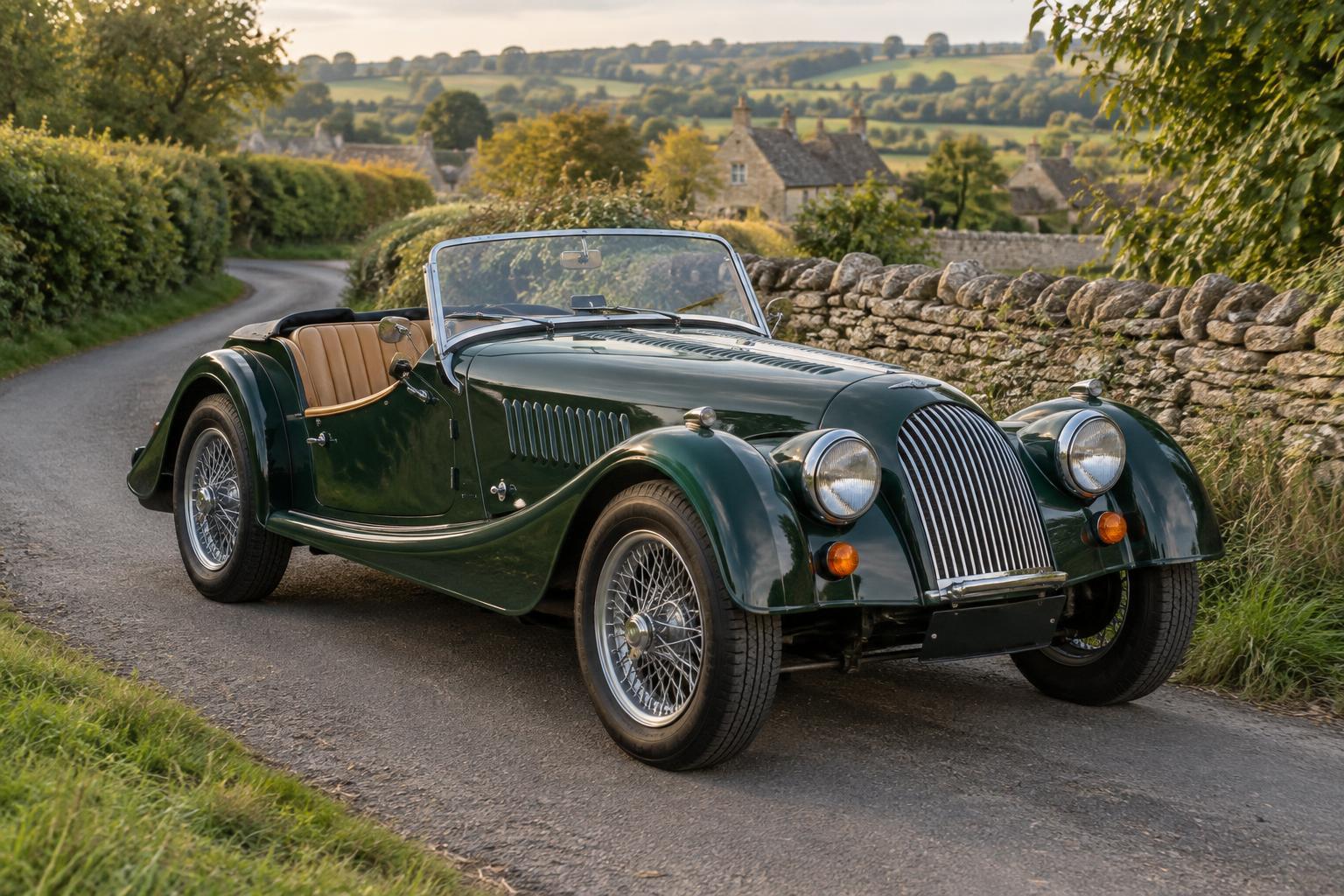
The MG name is a useful example of continuity amid corporate change. An MG sold after 1952 was part of a much larger industrial group, yet buyers still expected a car that felt recognisably like an MG. Likewise, a Wolseley badge could signal different styling and appointments even when the car shared important engineering with another BMC product. For the historian, the badge tells only part of the story; for the original customer, it may have been a large part of the appeal.
Shared engineering and new opportunities
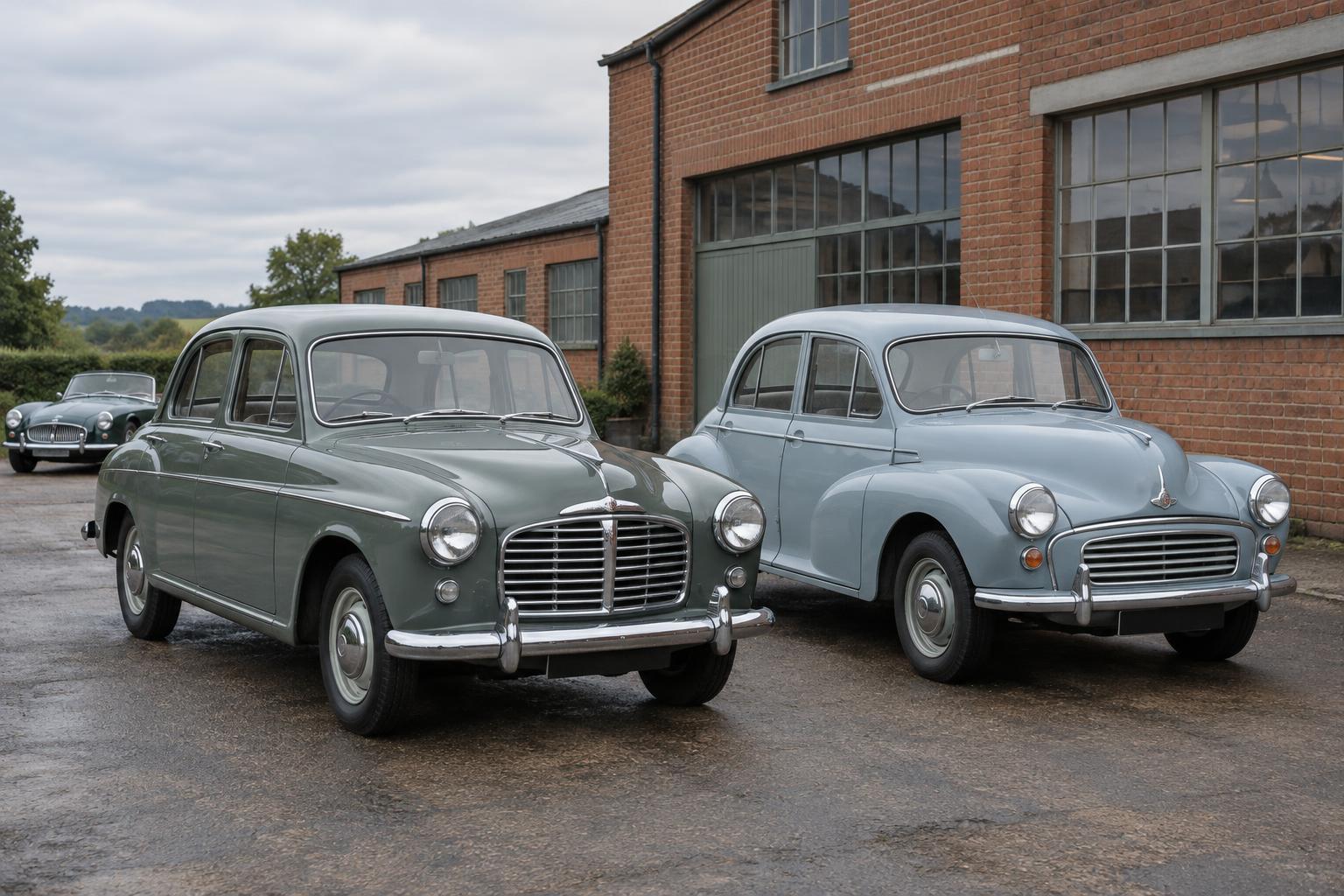
BMC’s later history shows both the strengths and tensions of this multi-marque approach. Related Austin and Morris saloons could share substantial mechanical foundations while retaining separate names and visual details. The Mini provides another clear illustration of the group’s structure: introduced in 1959, the small car was initially sold in Austin and Morris forms. Its significance was not simply that two badges appeared on one basic design, but that BMC could bring a new concept to buyers through both of its main dealer networks.
Sharing parts should not be mistaken for making every car identical. Differences in body design, seating, trim, tuning and intended market could matter greatly to an owner. Nor did the merger erase earlier engineering achievements: BMC inherited people, designs and production knowledge from both sides. The resulting cars often combined existing ideas with new work carried out under the corporation.
Why 1952 still matters to enthusiasts
For anyone studying or buying a post-war British classic, 1952 is a useful dividing line, not a complete explanation. It helps account for shared components across apparently different marques, overlapping model ranges and the gradual reshaping of brand identities. It can also help an owner understand why parts knowledge from one BMC model may be relevant to another, while remembering that specifications vary by model and production period.
The merger’s longer legacy is visible in the contrast between corporate efficiency and marque character. Austin, Morris, MG, Riley and Wolseley did not cease to have individual histories when BMC was formed. Instead, those histories continued within a shared framework that shaped many of the cars British enthusiasts know today. Looking at both the badge and the engineering beneath it offers a fuller picture of what changed after 1952.