A place for a bigger sports car
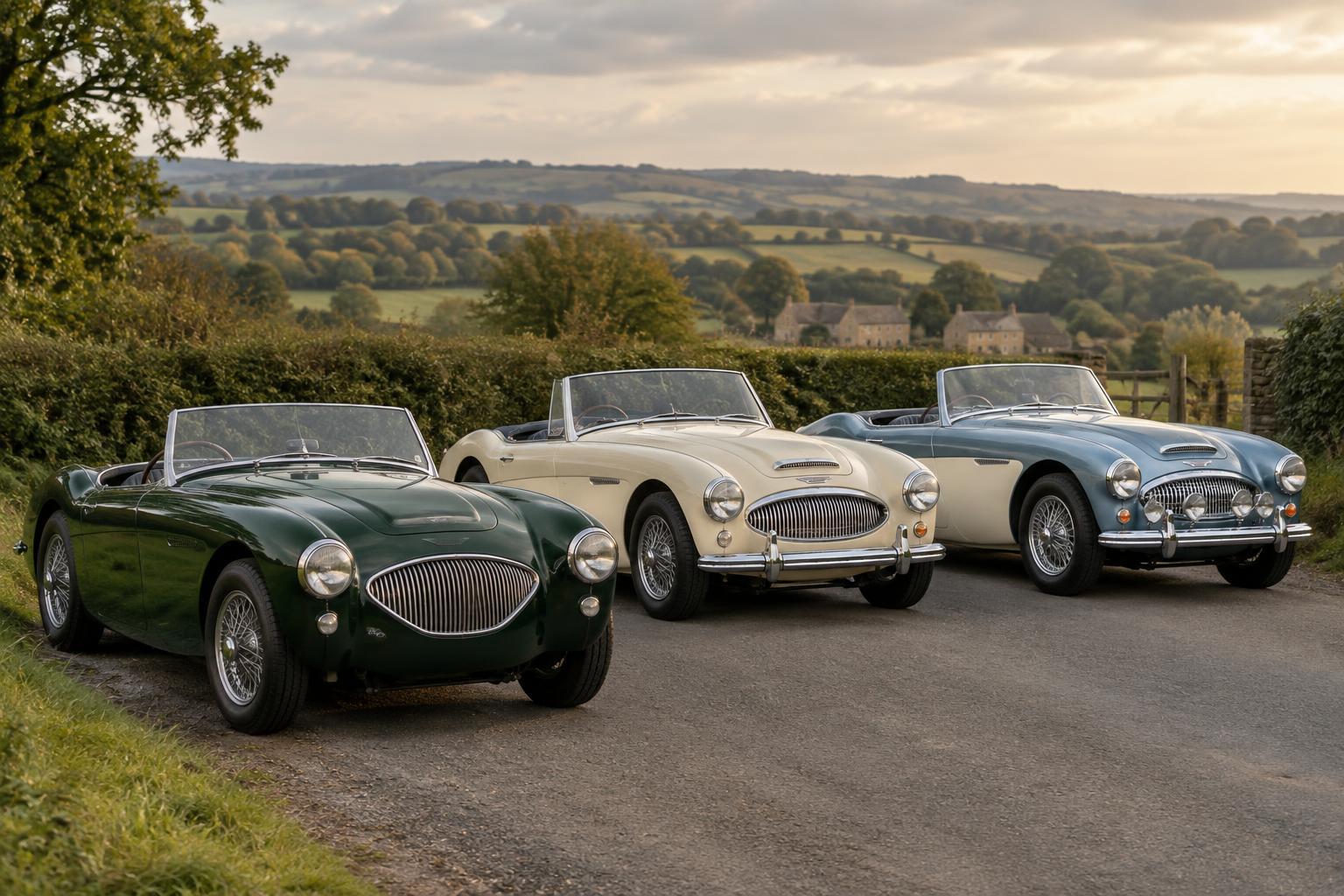
When the MGC appeared in 1967, the MGB was already an established part of MG’s range. Its four-cylinder engine suited a compact, approachable sports car, but there was also room in the British Motor Corporation’s plans for something with more effortless performance. The Austin-Healey 3000 had helped define the larger British sports car, and a six-cylinder MG offered a way to serve buyers who wanted that sort of longer-legged character in a newer package.
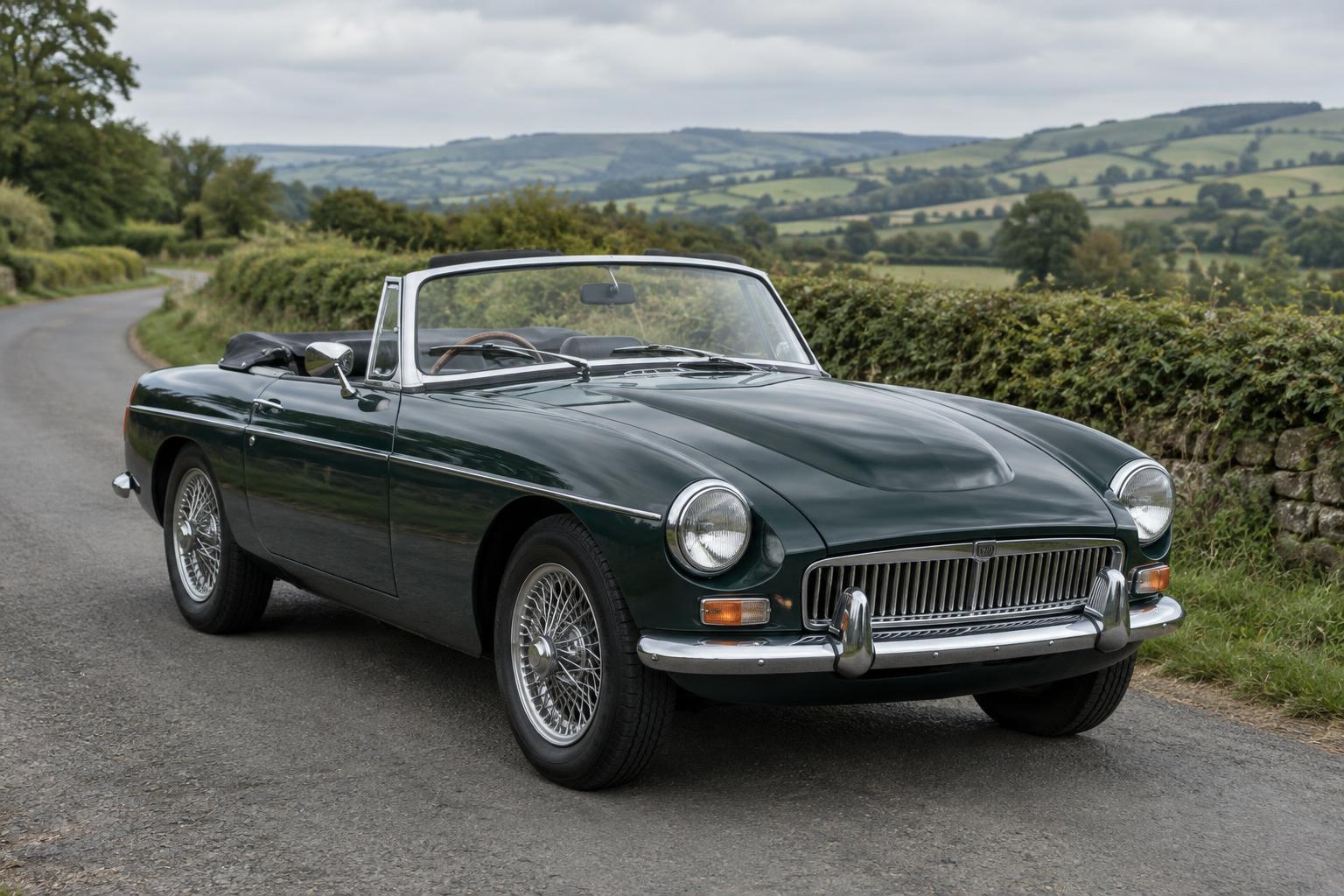
The solution was to build on the MGB rather than start with an entirely new car. Offered as both a roadster and a GT, the MGC retained a recognisable MG shape and much of the MGB’s basic character. Its principal distinction was a roughly three-litre straight-six engine. The aim was not simply to make a faster MGB; it was to give the familiar sports-car formula a different role, one better suited to relaxed high-speed travel and flexible overtaking.
The challenge beneath the familiar body
Putting a larger engine into an existing sports car is rarely a straightforward swap. The six-cylinder unit was longer and heavier than the MGB’s four-cylinder engine, so the MGC needed changes beneath its similar-looking bodywork. Most notably, its front suspension used torsion bars rather than the MGB’s coil-spring arrangement. The MGC’s bonnet shape also provides a visible clue that packaging the new mechanical layout demanded attention.
Those changes mattered because an engine affects more than acceleration. Its size and mass influence how a car responds to steering, bumps and changes of direction. The MGC carried more weight toward the front than an MGB, contributing to a road feel that some drivers found less eager in tight corners. Judged solely as a sharper version of the four-cylinder car, it could seem disappointing. Judged as a distinct, more relaxed touring machine, its engineering choices make more sense.
This is part of what makes the MGC interesting historically. It shows both the appeal and the limits of adapting a successful platform. Reusing a familiar body gave MG a practical route to a larger car, but it could not make the extra engine weight disappear or guarantee that the result would drive like an MGB.
A different kind of performance
The MGC’s six-cylinder engine is best understood through the way it delivers its performance. Rather than asking the driver to chase every gear change, it provides a sense of reserve that suits open roads. The GT, with its fixed roof and useful luggage space, makes the grand-touring purpose especially clear, while the roadster offers the same mechanical character with open-air motoring.
Period criticism of the MGC often centred on handling, particularly when expectations were set by the lighter-feeling MGB. That reputation is worth knowing, but it should not be the only lens through which to view the car. Tyre choice, suspension condition, alignment and driving style can all affect how an individual example feels today. More importantly, a car intended to cover distance comfortably need not deliver its greatest pleasure on a series of abrupt bends.
The MGC therefore rewards a different approach from an owner or driver. Its appeal lies in steady progress, the character of a straight-six and the ability to settle into a journey. It occupies a useful middle ground: familiar enough to belong unmistakably to the MGB family, yet distinctive enough to offer a separate experience.
Why its short production life still matters
MGC production ended in 1969, giving the model a comparatively brief place in MG’s history. A short run can tempt people to treat a car as an unsuccessful footnote, but that misses the question the MGC was built to answer. MG needed a way to offer a larger-engined sports car while working within the practical constraints of an existing design. The result was neither a simple MGB upgrade nor a direct recreation of the big Healey’s personality.
For enthusiasts today, the MGC is a reminder that classic cars are products of decisions and trade-offs, not just specification sheets. Its six-cylinder engine brought an appealing touring quality; fitting that engine required substantial changes and altered the car’s balance. Understanding both sides helps explain why the MGC has its own following. It is most rewarding when appreciated as the six-cylinder MG that was built, rather than the four-cylinder MGB some expected it to be.