What steering play means
Steering play is movement at the steering wheel that does not produce a corresponding change in the direction of the front wheels. Some older cars feel less immediate than modern ones, especially on uneven roads, but a familiar feel is not proof that everything is sound. The useful question is whether the response is consistent and whether it has changed.
The steering wheel is only the start of a chain of parts. Depending on the car, movement passes through a steering box or rack, joints and linkages before it reaches the wheels. Wear or looseness at more than one point can add up to a vague feel at the rim. Tyres, suspension and wheel bearings can also affect how accurately a car follows the road, so a symptom felt through the steering wheel does not identify its cause by itself.
Notice the signs during ordinary use
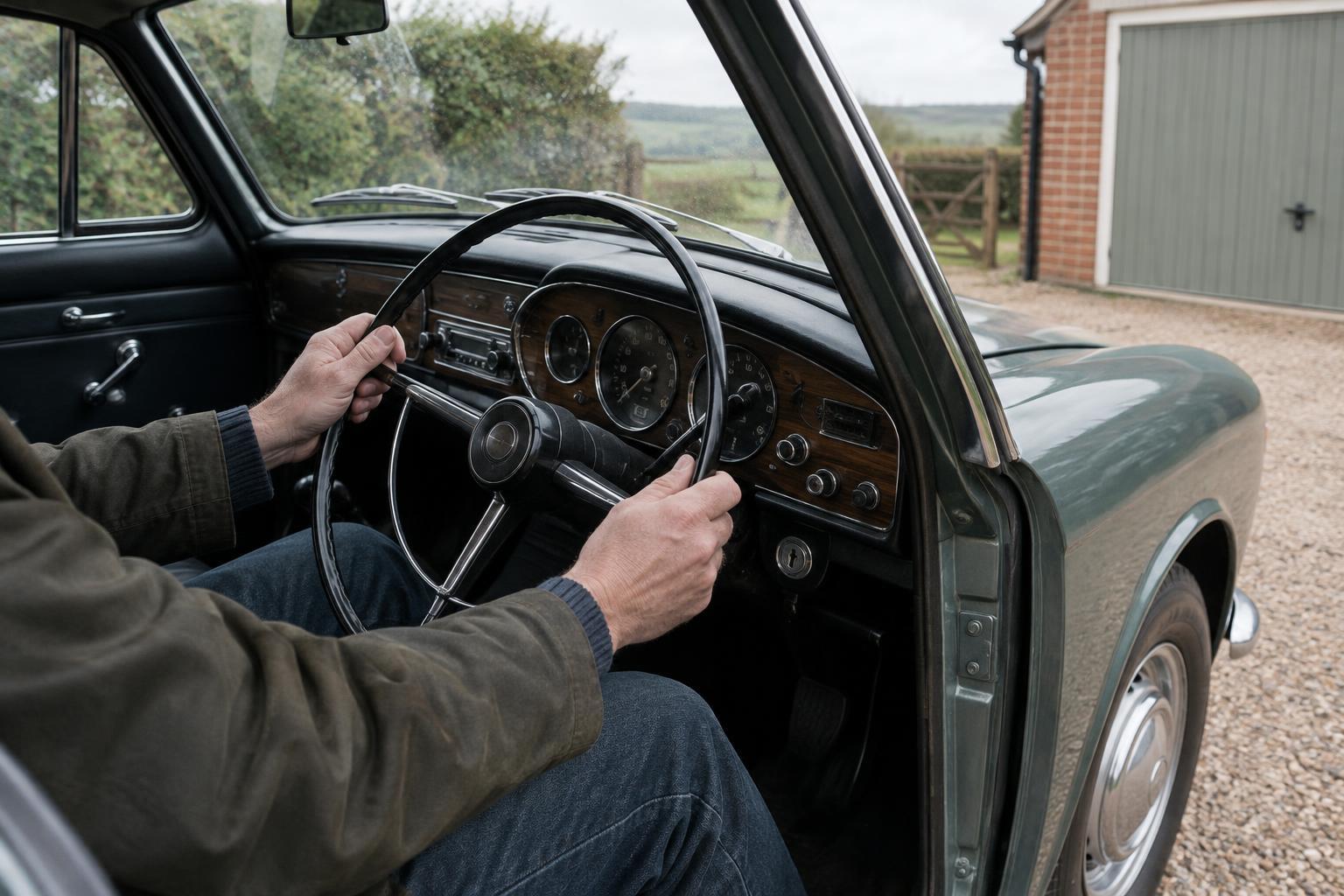
Pay attention to how much you turn the wheel before the car responds, particularly when making small corrections on a straight road. A car that begins to wander, needs frequent corrections or feels unexpectedly different when turning left and right deserves investigation. So do new knocks, a steering wheel that no longer centres as it usually does, or a sudden change in effort. These observations are more useful than comparing the car with a modern vehicle that has different steering and tyres.
Make a note of when a symptom appears: at low speed, over bumps, while braking or throughout a journey. Road surface and tyre condition can influence steering feel, but neither should be used to explain away a clear deterioration. If steering response feels unpredictable, there is a pronounced knock or you suspect a loose component, do not continue driving to see whether it improves. Arrange for the car to be assessed without driving it.
Make a simple parked check
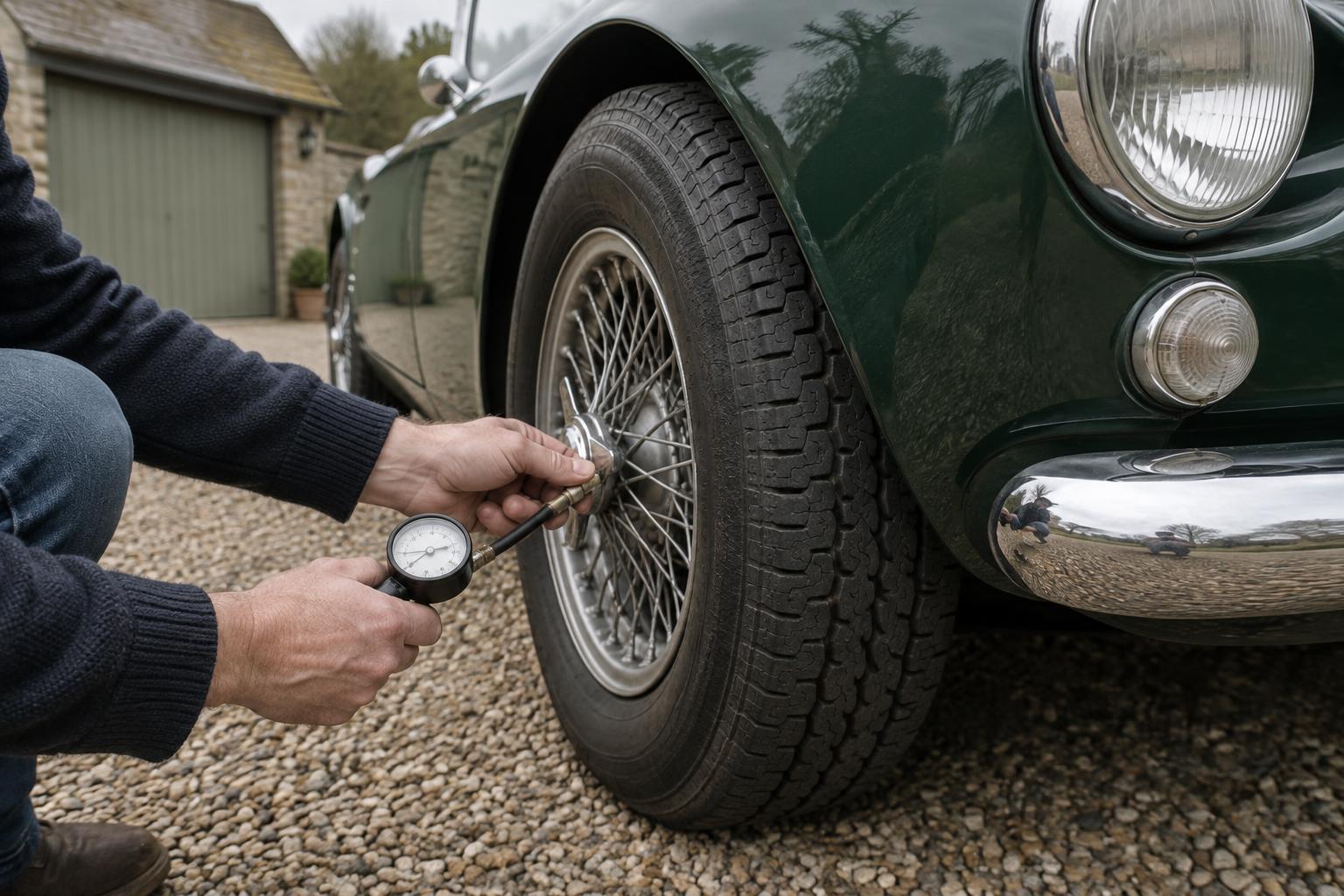
Park on level ground, switch off the engine, secure the car and keep clear of traffic. Check that the front tyres are correctly inflated according to the information appropriate for your car and tyres; visibly damaged or unevenly worn tyres merit attention in their own right. With the wheels pointing ahead, gently move the steering wheel a short distance each way and watch for when the front wheels begin to respond. Avoid forcing the wheel against its stops.
A second person can watch from a safe position beside the car while you move the steering wheel gently. They may be able to spot a delay between movement at the steering wheel and movement at the road wheels, or hear a knock worth reporting. Keep hands and feet away from moving linkages and tyres. This is an observation, not a measurement of whether the car meets a specification: acceptable movement varies by steering design, and a check with the engine off may feel different in a car with power assistance.
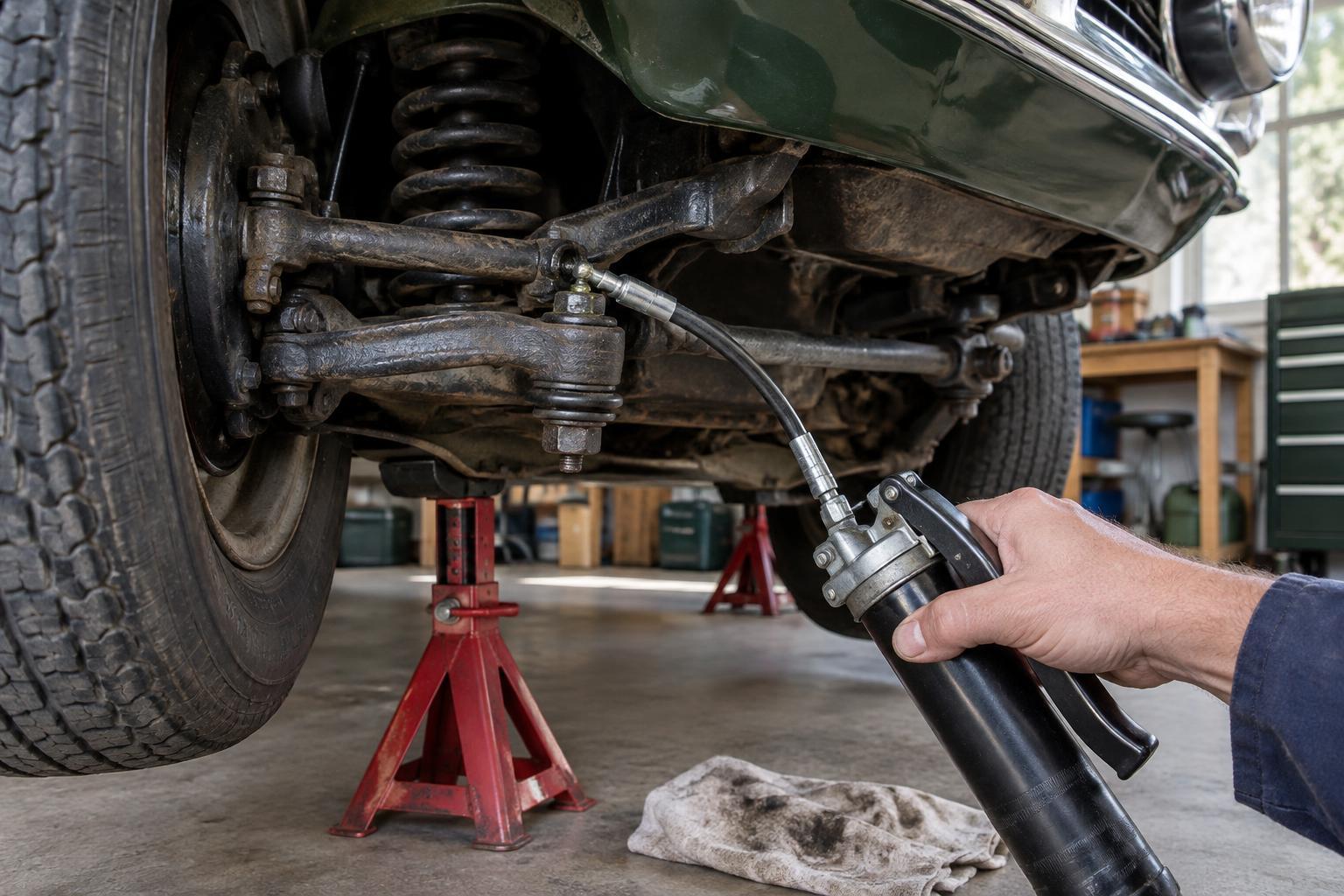
Look, too, for visible leaks around power-steering equipment where fitted, damaged rubber covers or obvious signs of recent disturbance. Do not put yourself beneath a car supported only by a jack to investigate further. If you cannot see the relevant parts safely, leave the closer inspection to someone with the right equipment.
Find the cause rather than masking the feel
The next step is to trace where movement is being lost. A technician familiar with the model can check the steering system alongside wheel bearings, suspension joints, mountings and tyres. They can compare what they find with the correct workshop information for the car. That matters because a steering box, for example, may have adjustments, but tightening it to remove free movement without checking for wear or tight spots can create another problem.
Before booking an inspection, write down the symptoms and any recent work, such as tyre replacement, alignment or suspension repairs. Mention whether the change developed gradually or appeared suddenly. Ask for the cause to be identified before authorising adjustments or parts replacement; steering feel is the result of several systems working together.
Build steering checks into routine care
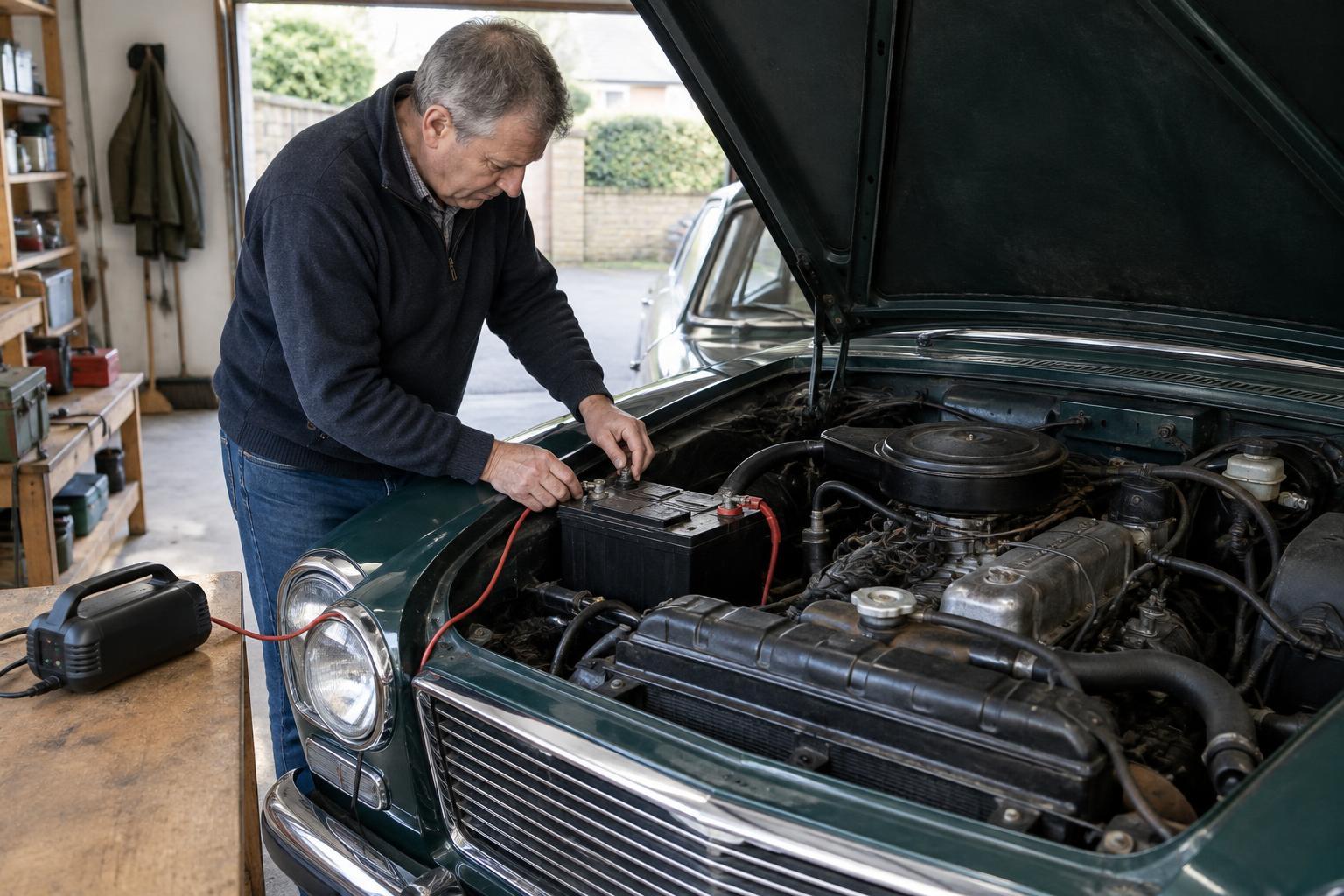
A brief check of tyre condition and steering response before a tour can help you notice changes while the car is still at home. During regular servicing, ask for steering and suspension joints, protective covers, mountings and wheel bearings to be checked as appropriate for the model. Keep notes on any developing looseness rather than relying on memory from one drive to the next.
Classic cars reward familiarity, but familiarity can also make gradual wear seem normal. Treat a change in steering as information to act on, not a quirk to accommodate. A calm parked check and a clear description of the symptoms are valuable starting points; confirming that the car is safe to drive calls for a proper inspection when anything seems amiss.