Start with the job, not the workshop
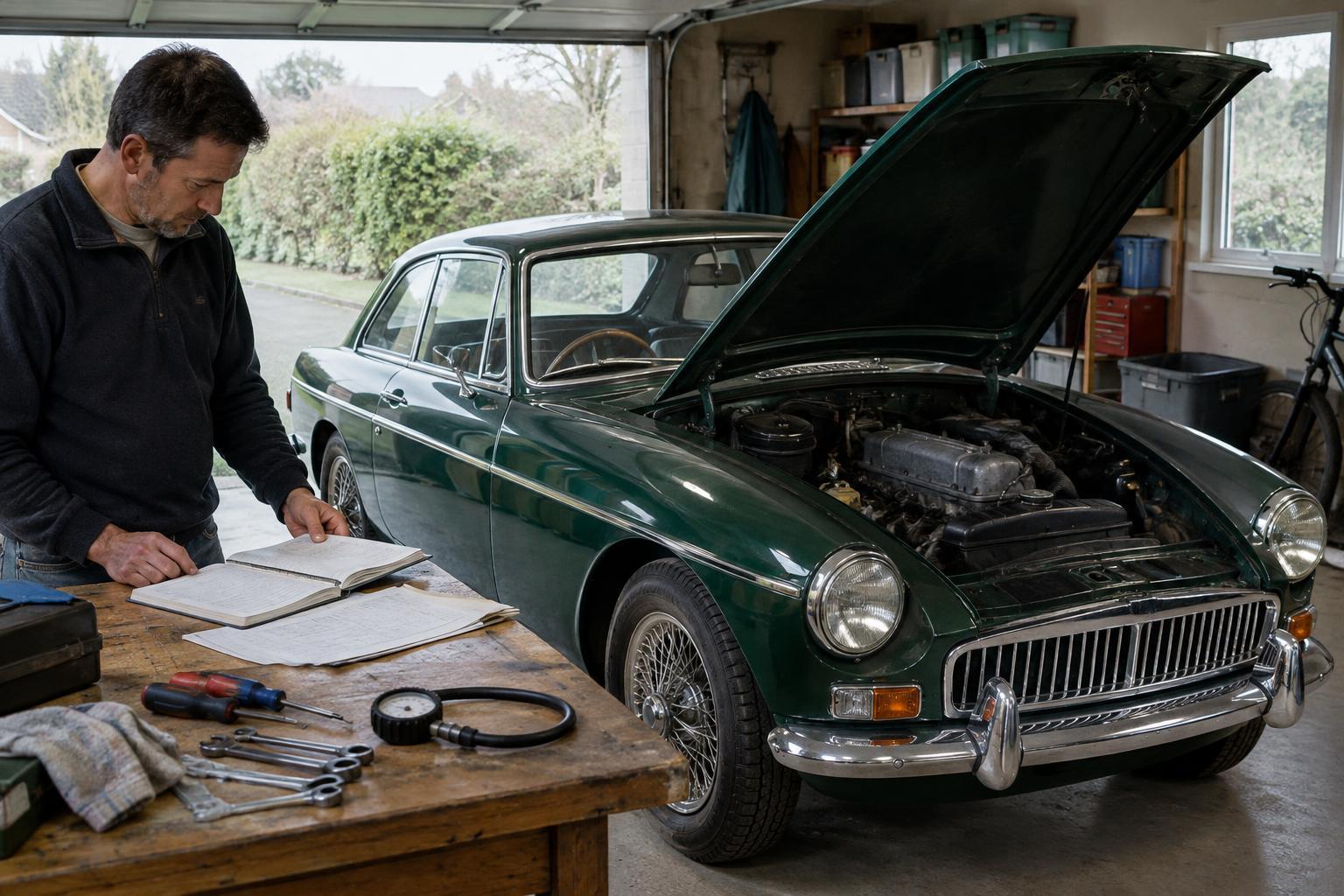
Before contacting a specialist, write down what the car does, what you want it to do and what you are prepared to change. A request to “sort the brakes” could mean diagnosing a pull to one side, renewing worn components or rebuilding the whole system. Describe the symptoms, when they occur and any work already carried out. If the car is for relaxed weekend drives rather than concours display, say so. The intended use helps a workshop suggest a proportionate approach.
It also helps to separate essential work from desirable improvements. A dependable starting system may be a priority; tidying the engine bay might wait. Bring any records you have, including previous invoices and notes on intermittent faults. They may save investigation time, but avoid treating an old invoice as proof that a component is still sound.
Look for relevant experience and a workable relationship
A good classic-car workshop need not work exclusively on your make, but it should be comfortable with its age, construction and likely parts supply. Ask about similar jobs, the equipment it uses and whether work such as trim, machining or paint is done in-house or by another business. For a substantial project, a visit can reveal how cars and removed parts are stored and whether completed work is documented.
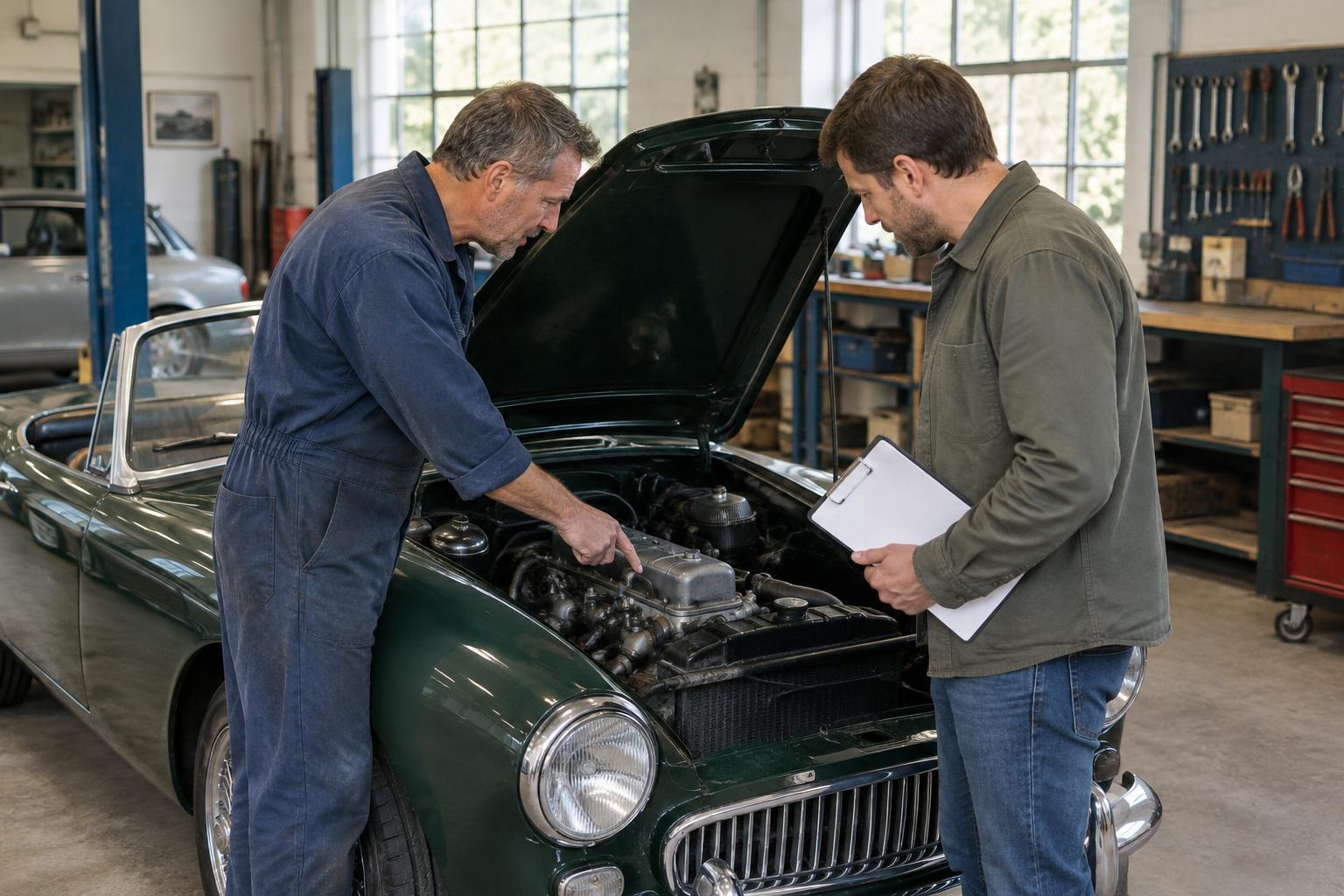
Pay attention to how the specialist responds to questions. Someone who explains possible causes without promising a diagnosis over the telephone is often easier to work with than someone who immediately proposes a complete rebuild. Ask how the workshop communicates progress, who will make decisions on the job and when it expects to have capacity. Recommendations from fellow owners can provide a starting point, but the right choice still depends on your particular car, budget and expectations.
Put the scope of work in writing
Once the workshop has seen the car, ask for a written description of the agreed work. It should identify the problem to investigate, the tasks authorised and any tasks expressly excluded. For example, a suspension job might include inspecting the mounting points, replacing specified worn parts and checking the result on a road test, while body repairs are excluded unless discussed separately. This reduces the chance that you and the workshop attach different meanings to a phrase such as “make it roadworthy”.
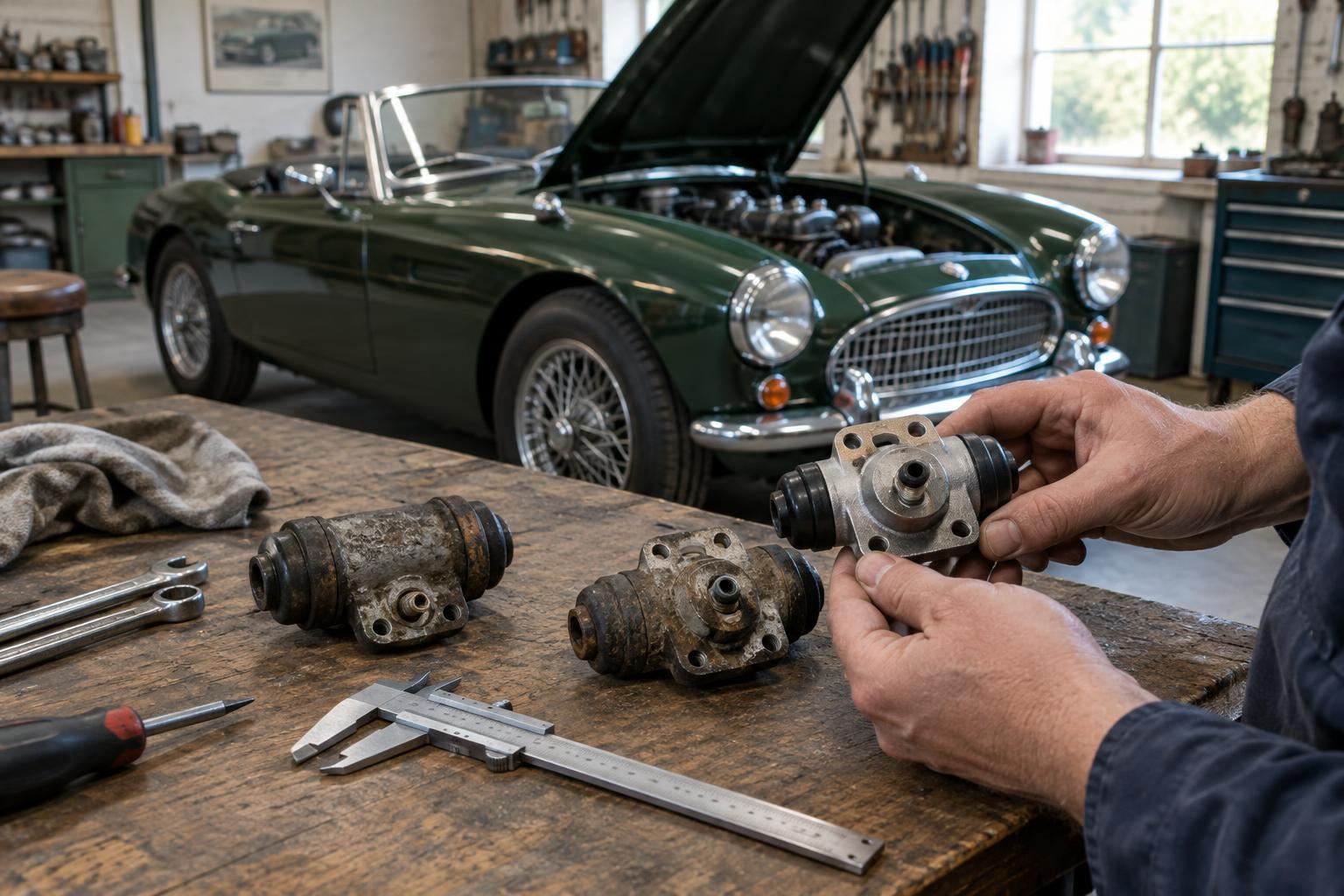
Discuss parts as well as labour. Depending on the car and the purpose of the repair, choices may include new, reconditioned or serviceable used components. Ask who will source them, whether substitutions need your approval and what happens if an item is unavailable. If originality matters to you, specify which visible details or existing components you want preserved. For a restoration, photographs and a condition report can give both sides a useful record before dismantling begins.
Agree how costs and discoveries will be handled
Classic cars can conceal corrosion, earlier repairs or seized fasteners that become apparent only after work starts. Ask the specialist to distinguish a firm price for defined work from an estimate that may change as the car is opened up. Request an explanation of the labour rate, likely parts costs and any charges for diagnosis, storage or outside services. A realistic allowance for uncertainty is more useful than a reassuring figure with major unknowns left unmentioned.
Set an approval point before committing the car. You might authorise investigation up to an agreed amount, then request a call and revised scope before further repairs proceed. Decide whether updates should come by telephone or email, and ask for significant changes to be confirmed in writing. An agreed spending limit is particularly helpful on a rolling project, where many small discoveries can otherwise add up. Allow time for decisions: a workshop cannot always hold a dismantled car indefinitely while you consider options.
Close the job with a useful handover
Before collection, ask what was completed, what could not be completed and what still needs attention. An itemised invoice and a short account of any tests or road checks make future maintenance easier. If you want removed parts returned, raise this when agreeing the job rather than at collection; some items may need to be exchanged with a supplier. For extensive work, progress photographs can be valuable, especially where the finished repair will be hidden.
Give the car a careful check at handover and ask about running-in, rechecks or adjustments that may be needed after use. Keep the scope, approvals and final invoice with the car’s records. A clear paper trail is not just for resolving misunderstandings: it helps the next person who maintains the car understand what was done and why. The best outcome is a car that suits your plans and a specialist you would feel comfortable calling again.