Start with how you use the car
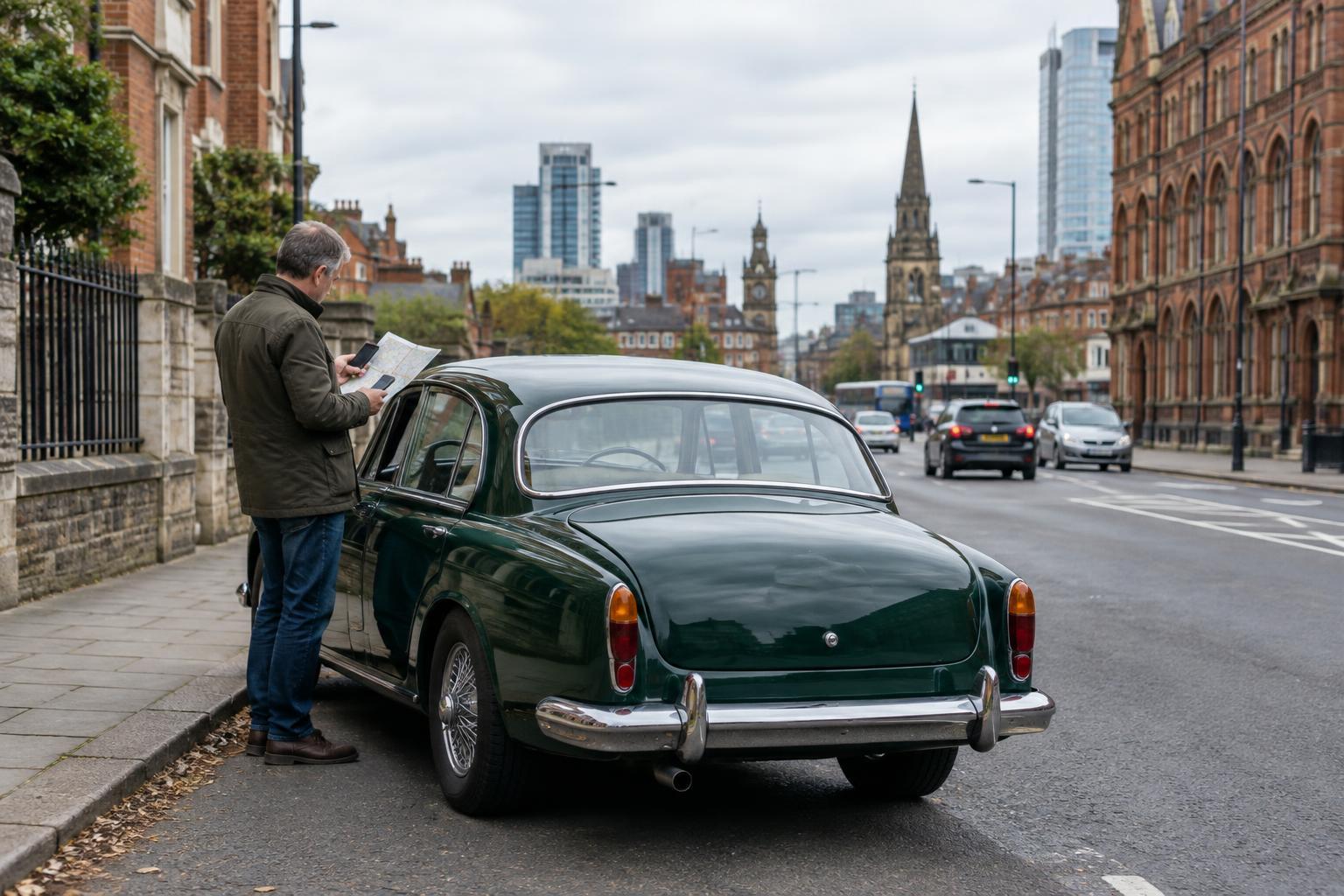
Breakdown cover is easier to choose when you picture the journeys you actually make. A classic used for short local drives has different needs from one taken on long tours or across borders. Think about your usual destinations, whether you travel alone, and whether a trip could leave you far from a workshop familiar with older vehicles.
Decide whether you need cover for one named car or cover that follows you as a driver or passenger. If you own several classics, check how each one would be treated rather than assuming a single policy covers the collection. Read the eligibility rules for vehicle age, registration, roadworthiness and permitted use, including events or trips abroad. Terms vary, so ask the provider to confirm anything that is unclear before relying on it.
Compare the help offered, not just the headline price
Roadside assistance may be enough for a simple fault, such as a flat battery or a loose connection, but many classics need patient diagnosis and parts that cannot be found at a nearby garage. Check whether the service will first attempt a roadside repair, when it will arrange recovery, and where it will take the car. A policy that offers transport only to the nearest suitable garage may not meet your needs if you prefer a trusted specialist.
Look closely at distance limits, call-out limits and any excess or charges that might apply. Home-start assistance can be useful for a car that spends long periods parked, while onward travel or overnight accommodation may matter more on a tour. If passengers, luggage or a trailer need transporting, check the stated arrangements: they may not travel with the vehicle. Keep the provider’s contact details and your membership information somewhere accessible without having to open an app.
Check that recovery suits the vehicle
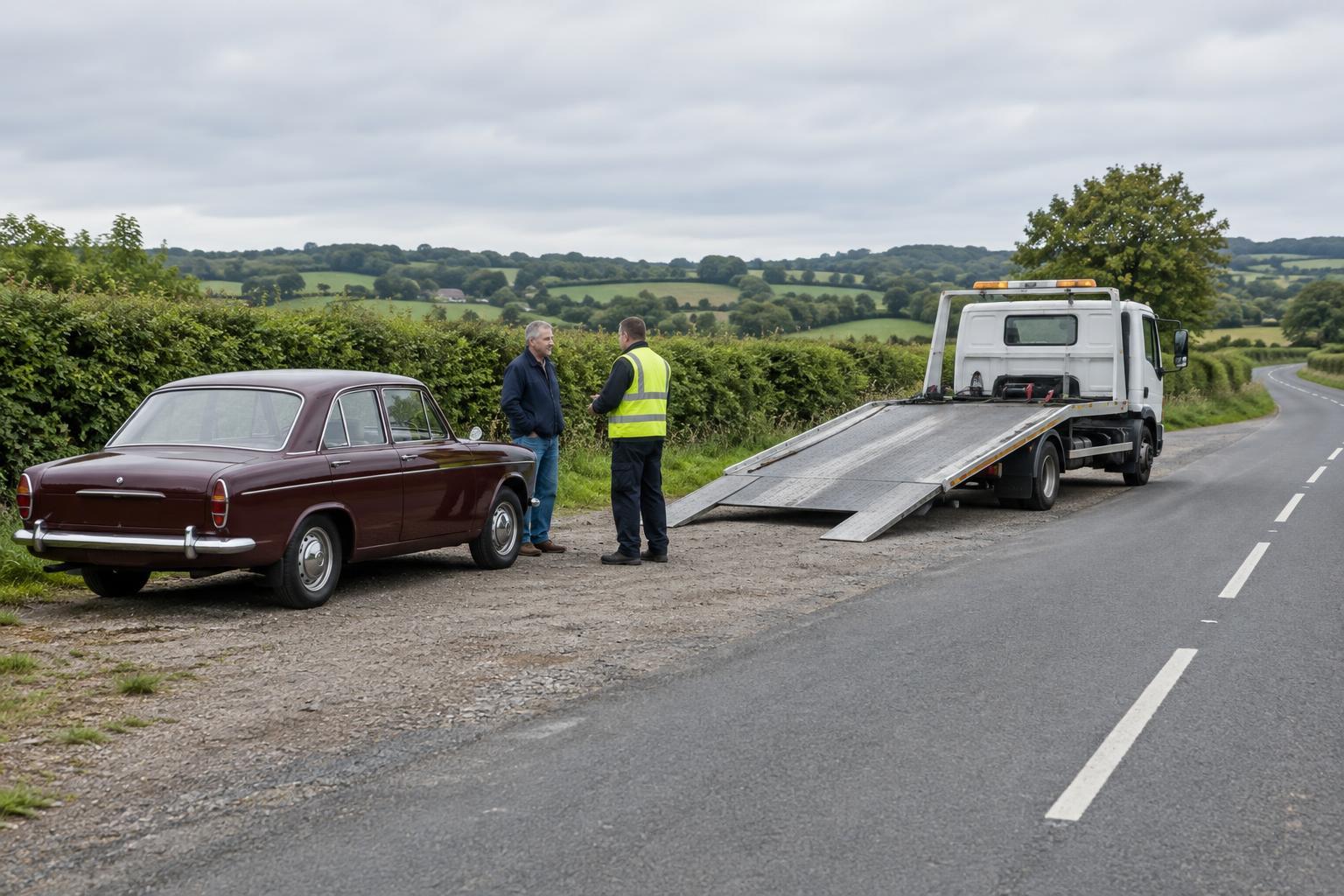
Tell a prospective provider about features that could affect loading: low ground clearance, long overhangs, narrow track, non-standard wheels, a fixed roof rack or a car that cannot roll or steer. Ask what type of recovery vehicle can be sent and whether it has suitable loading equipment. A classic should be secured using appropriate points; fragile trim, suspension components and bumpers are not substitutes for proper tie-down locations.
It is worth keeping a short vehicle note with your documents. Include its dimensions if loading space may be tight, the location of the battery and ignition switch, how to release the handbrake, and any safe towing or jacking points specified in the car’s handbook. Note modifications that would not be obvious to a recovery operator. If the vehicle is particularly unusual or valuable to you, discuss its requirements with the provider in advance rather than trying to resolve them at the roadside.
Make a simple breakdown plan
Before a journey, save your cover details, a trusted workshop’s contact information and a description of the car. Keep a charged phone, warning triangle and high-visibility clothing available, but use roadside equipment only when it is safe to do so. Basic items such as a torch, gloves and a phone charging cable can make waiting less difficult. Routine checks of tyres, fluids, belts and battery connections may prevent some interruptions, though they cannot guarantee a trouble-free trip.
If the car stops, put personal safety ahead of diagnosis or photographs. Move to a safe place if possible, follow local road guidance and call emergency services if anyone is in immediate danger. When contacting the assistance provider, give a precise location, describe the symptoms and explain whether the car can roll, steer and brake. Mention any fuel leak, smoke or other hazard straight away. If waiting beside a fast road would be unsafe, follow the advice of the relevant road authority or emergency service.
Agree the destination and document the handover
Before loading begins, confirm where the vehicle is going and who will receive it, especially if the workshop is closed. Ask how keys will be handled and whether you will receive a job or recovery reference. If circumstances allow, take a few photographs of the car’s condition and note any existing damage. This is a practical record, not a reason to delay getting everyone to safety.
On a multi-stage journey, clarify whether the same operator will carry the car throughout or whether it will be transferred between vehicles or storage sites. Let your chosen workshop know what happened and what checks, if any, were attempted at the roadside. Finally, review your breakdown arrangements whenever your driving habits change. Suitable cover is the cover whose limits and recovery process you understand before you need to use it.