Start with how you use the car
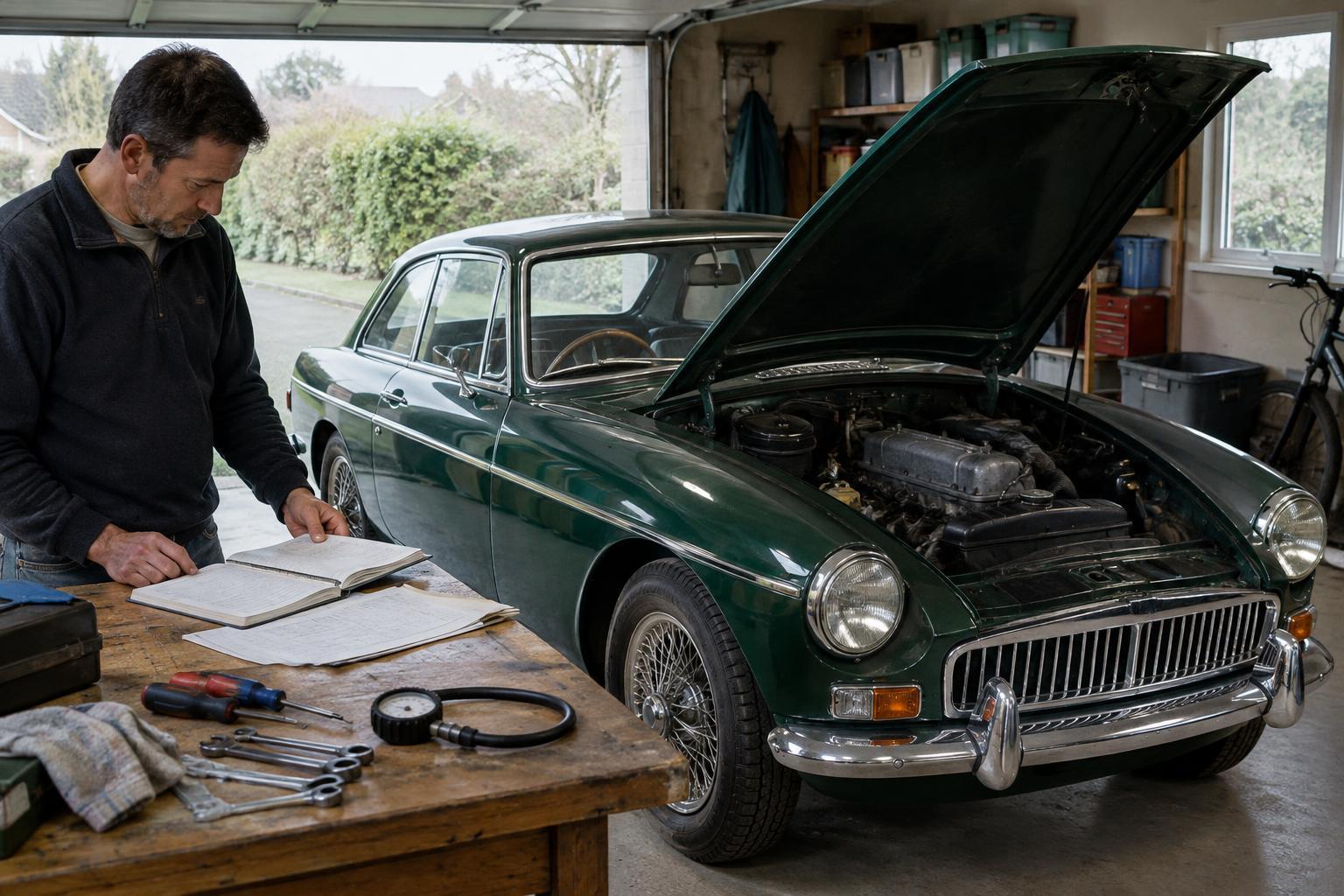
A classic that comes out for dry Sunday drives has different insurance needs from one used regularly for errands, club gatherings or long tours. Before comparing policies, make a realistic note of where the car is kept, who drives it and what a typical year of motoring looks like. Include journeys to shows, overnight stops and any trips abroad you hope to make. The best-looking premium is of little use if the policy does not match those plans.
Classic-car cover can differ from everyday motor insurance in important ways, but the details vary between insurers and policies. Some terms depend on the car’s age, its condition, your access to another vehicle or how you store it. Treat a quotation as the beginning of a conversation rather than proof that every intended use is covered. Ask for the relevant terms in writing and read the policy documents before deciding.
Understand what agreed value means
An agreed-value arrangement sets a value for the car with the insurer in advance, subject to the policy terms. It can be appealing when a classic’s condition, history or careful restoration makes a standard valuation feel inadequate. It is not, however, a promise that every loss will produce an unconditional payment of that amount. The circumstances of a claim, any excess and the wording of the policy still matter.
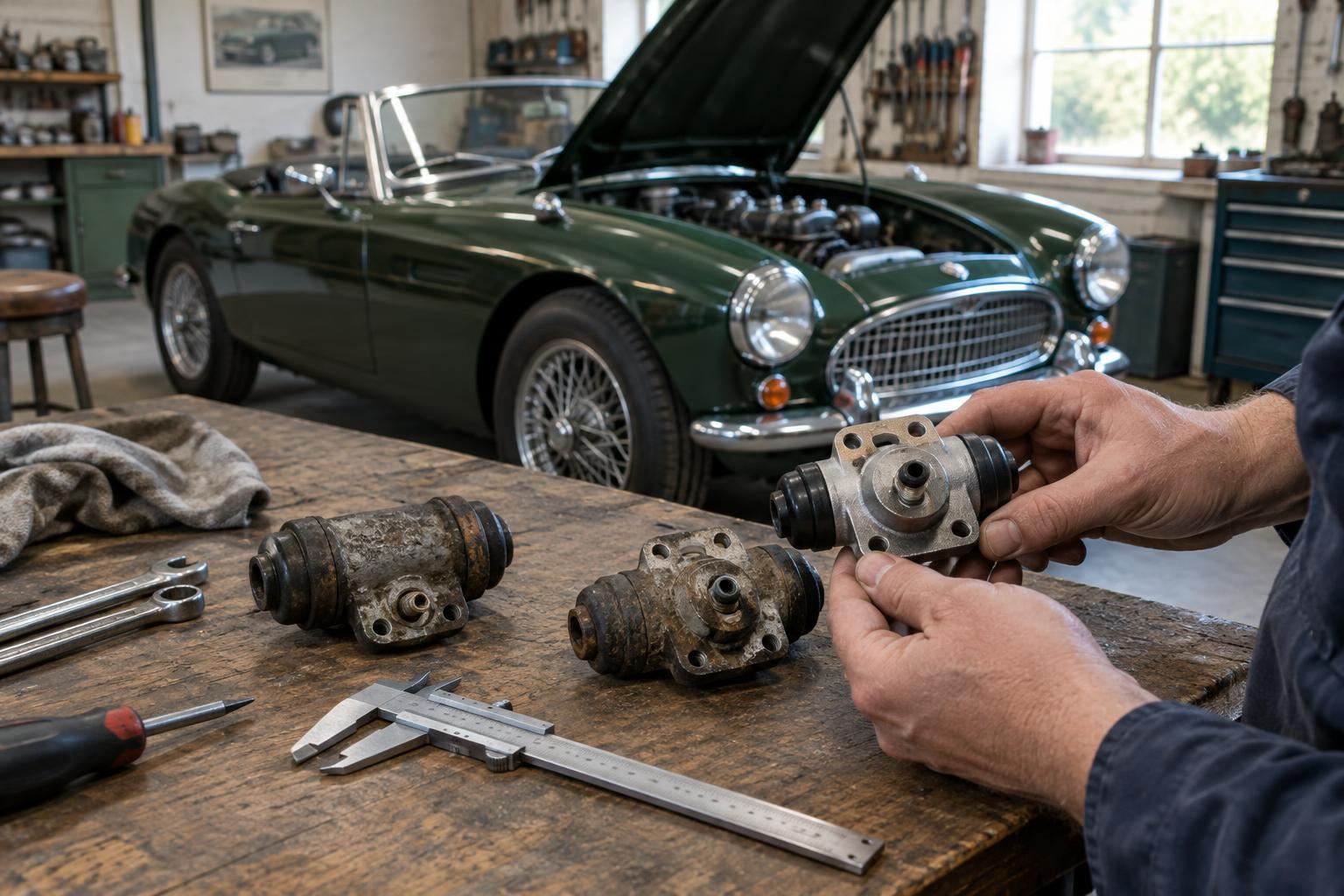
To discuss a value, you may be asked for clear photographs, a description of condition, receipts or an independent valuation. Keep records of significant work, but distinguish the cost of restoration from the car’s value: money spent on parts and labour may not be reflected pound for pound. If you improve the car substantially during the policy period, ask whether the agreed value should be reviewed. Likewise, consider reviewing it at renewal rather than letting an old figure roll on unnoticed.
Check whether the value applies to a total loss, theft or both, and ask how salvage would be handled if you wanted to retain a damaged car. Those questions can matter greatly to an owner who has invested years in a particular vehicle.
Set a mileage limit you can live with
Limited-mileage cover may suit a car that spends much of the year resting in the garage. The difficulty is estimating use honestly. A few local outings, a run to a specialist and one scenic touring holiday can add up faster than expected. Look at previous odometer readings if you have them, then allow room for the journeys you would actually like to take.
Ask how mileage is measured, what happens if you approach the limit and whether you can increase it during the policy year. Do not assume that extra miles are automatically covered or that an unused allowance carries over. If you share a classic with a family member, count their planned journeys too. A slightly higher limit may be more comfortable than having to watch the odometer throughout a summer of enjoyable driving.
Mileage is only one aspect of use. Check separately whether commuting, driving to a workplace, organised events or trips outside your home country are included. A journey’s purpose may matter even when it falls well within the stated mileage allowance.
Check who may drive, and when
Driver restrictions deserve particular attention if someone else occasionally takes the wheel. A policy might cover only named drivers, impose a minimum age, require a particular level of driving experience or set different terms for additional drivers. Never assume that a friend’s permission to drive other cars, if they have it, gives them the cover you expect on your classic.
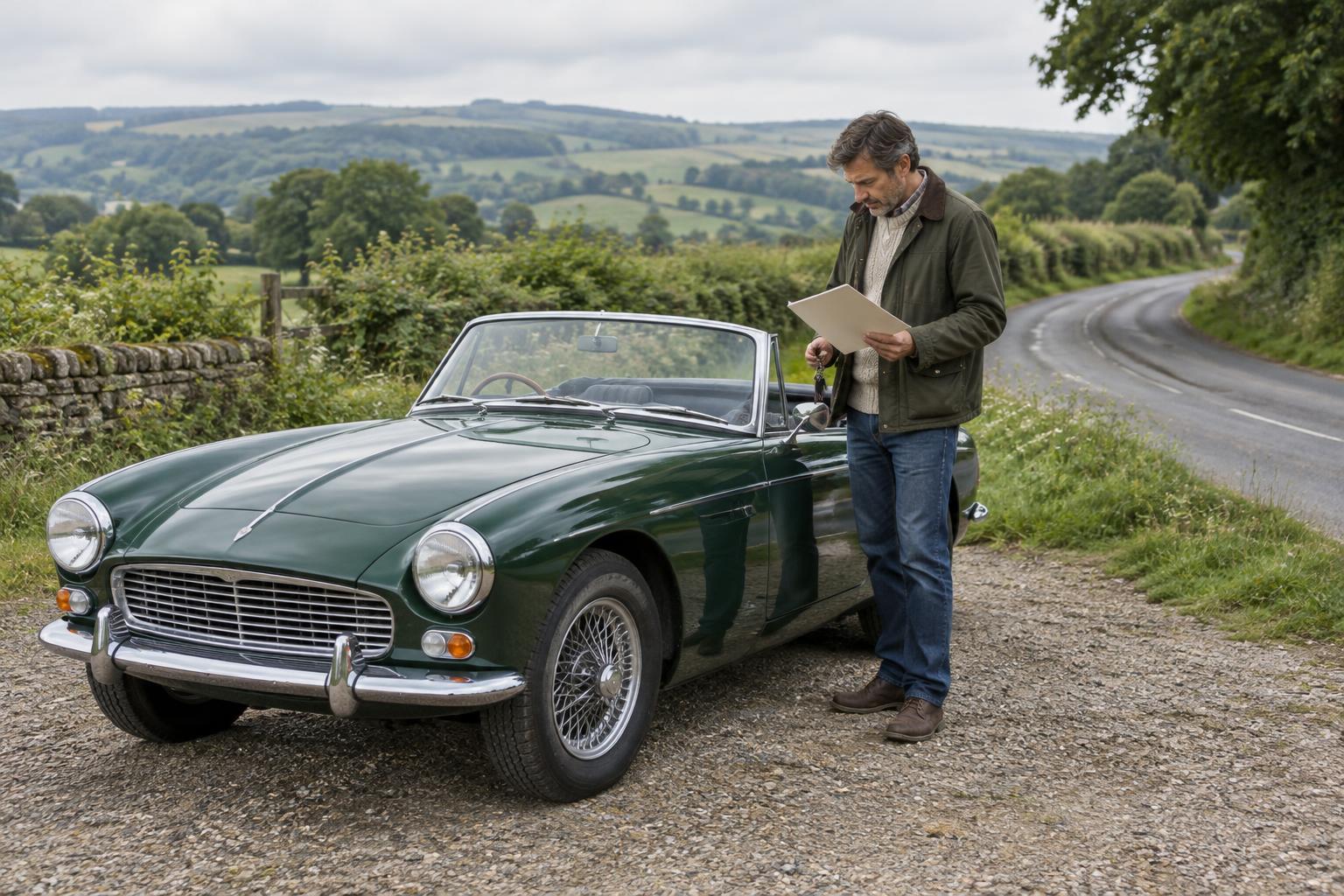
Think ahead to ordinary situations: a partner moving the car, a relative sharing the driving on a tour or a specialist road-testing it after repairs. Ask the insurer how each situation is treated, including any conditions around drivers who are not named on the policy. If your plans change, seek confirmation of an amendment before handing over the keys.
Compare the whole policy, not just the premium
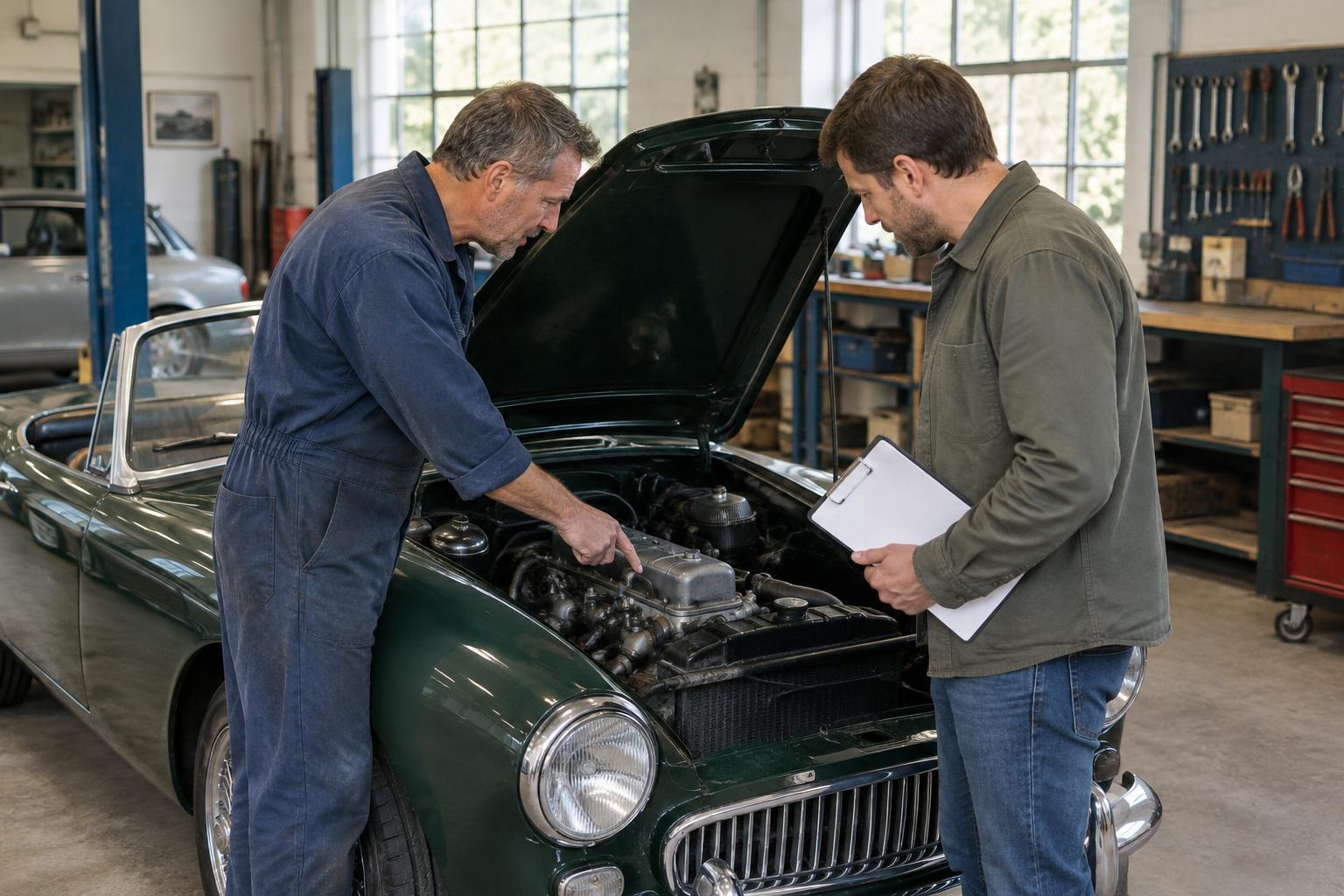
Once the value, mileage and drivers are clear, look at the rest of the cover. Compare the excess, storage and security conditions, breakdown assistance, European touring provisions if relevant, and the treatment of spare parts or accessories. Owners undertaking restoration should ask what applies while the car is dismantled, stored away from home or being transported. A car that cannot currently be driven may still need suitable protection.
When comparing quotations, give each insurer the same accurate description of the car and its intended use. Make a short list of anything you cannot confirm from the documents and ask direct questions before paying. Save the answers alongside your policy records. Insurance terms and requirements can vary, so this is a guide to questions worth asking, not a substitute for the wording of your own policy. The aim is simple: cover that lets you enjoy the drive without wondering whether an avoidable detail has been overlooked.