Start with how you use the car
The best parking space for a classic car is not necessarily the most heavily secured one or the cheapest one. It is the space that lets you use the car as intended while protecting it from avoidable damage. A car taken out most weekends needs reasonably convenient access; one laid up for much of the year may suit a more distant storage site. Before looking at listings, decide how often you expect to drive, inspect and maintain the car.
Think about what happens before and after each journey. Will you need room to open both doors, check the tyres, connect a battery maintainer or put away a damp hood? If the space is too cramped or awkward, small checks become easy to postpone. Measure the car, including mirrors, and allow for the door swing and a safe walking route around it. A narrow entrance or steep ramp can matter as much as the dimensions inside.
Compare the realistic parking options
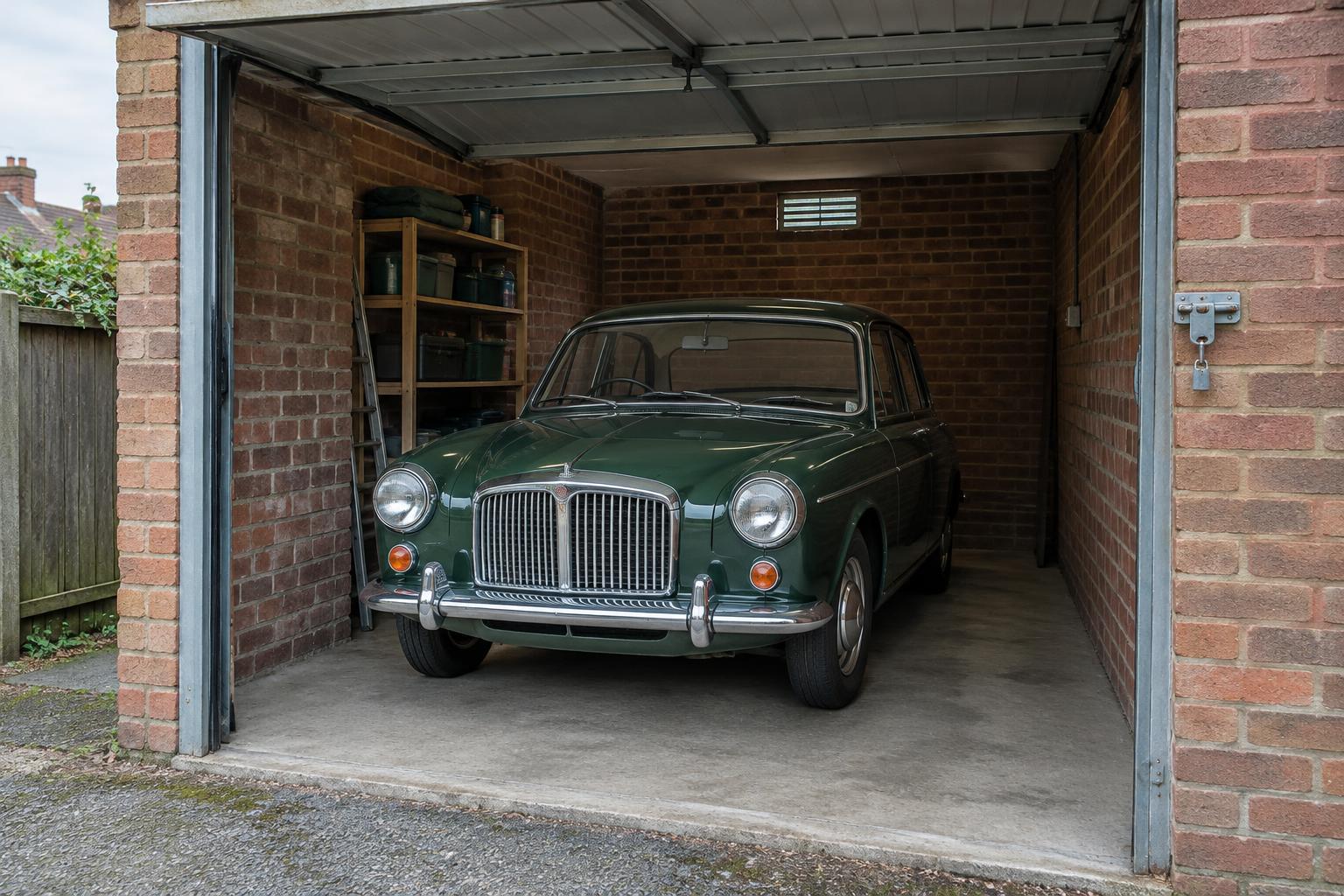
A rented garage or lock-up offers a physical barrier and shelter, but quality varies widely. Inspect the door, roof, floor and surrounding area rather than relying on a description. Look for signs of leaks, standing water, damaged locks and easy access from public paths. Ask whether you can visit when needed and whether electricity is available and permitted to use. A dry, straightforward lock-up may be more useful than a grander space that is difficult to reach.
Shared classic-car storage can offer a managed environment and fewer worries about leaving a car unattended, though access may need to be arranged in advance. Ask who moves vehicles, how keys are held, whether owners may carry out minor checks on site, and what happens if you need the car at short notice. Read the agreement for notice periods and restrictions on fuel, batteries or maintenance.
A driveway, residential parking space or paid outdoor bay can be workable, particularly for a car used regularly, but it leaves the vehicle more exposed to weather, passing traffic and casual attention. Check lighting, visibility and the risk of doors opening onto the car. A fitted, breathable cover may help keep dirt and rain off, but it should go onto a clean, dry car and be secured so it cannot flap against the paint.
Look for security you can use consistently
Good security has layers. A sound door or gate, effective lighting and controlled access make a space less inviting; a suitable steering-wheel lock or other visible device can add another obstacle. Where appropriate, discreet vehicle security may offer further reassurance. No measure makes a car theft-proof, so favour arrangements you will actually use every time rather than an elaborate routine that becomes a nuisance.
Visit a prospective space at the times you are likely to collect or return the car. Notice whether the route is well lit, whether other users leave gates open and whether you can enter and leave without displaying the car to a busy street for long periods. If storage is shared, find out who else has access. Keep spare keys and documents somewhere separate from the vehicle, and avoid leaving valuable tools or parts visible inside it.
Treat dryness and ventilation as essential
Shelter is useful only if it does not trap moisture around the car. A garage with a leaking roof, damp walls or poor airflow may be harder on upholstery, electrical connections and bodywork than a well-chosen outdoor spot. During a viewing, check for musty smells, water marks and condensation. If possible, visit after rain as well as on a dry day. Ask how water drains away from the entrance and whether the floor stays dry.
Older cars can also bring moisture in with them. After a wet drive, allow time for the cabin and hood to dry before covering or closing the car up for a long spell. If you use a battery maintainer, heater or dehumidifier, confirm that the site permits it and that the equipment and electrical supply are suitable. Storage should support a simple inspection routine, not replace one.
Check the terms before committing
Before paying a deposit, confirm what the rent includes, when you can access the space and who is responsible for repairs to doors, locks or the building. Check whether the agreement allows vehicle storage specifically, along with any limits on maintenance, washing or keeping spare parts. Photograph the space at the start of the tenancy and keep a copy of the terms.
Tell your insurer where the car will normally be kept and describe the arrangement accurately, including whether it is a private lock-up, shared building or outdoor space. Cover, security requirements and definitions of garaging can vary by policy, so check the wording rather than assuming one parking option is automatically acceptable. Once the practical and paperwork checks are done, choose the space that makes it easy to keep the car dry, secure and ready to enjoy.