Identify the car before searching for the part
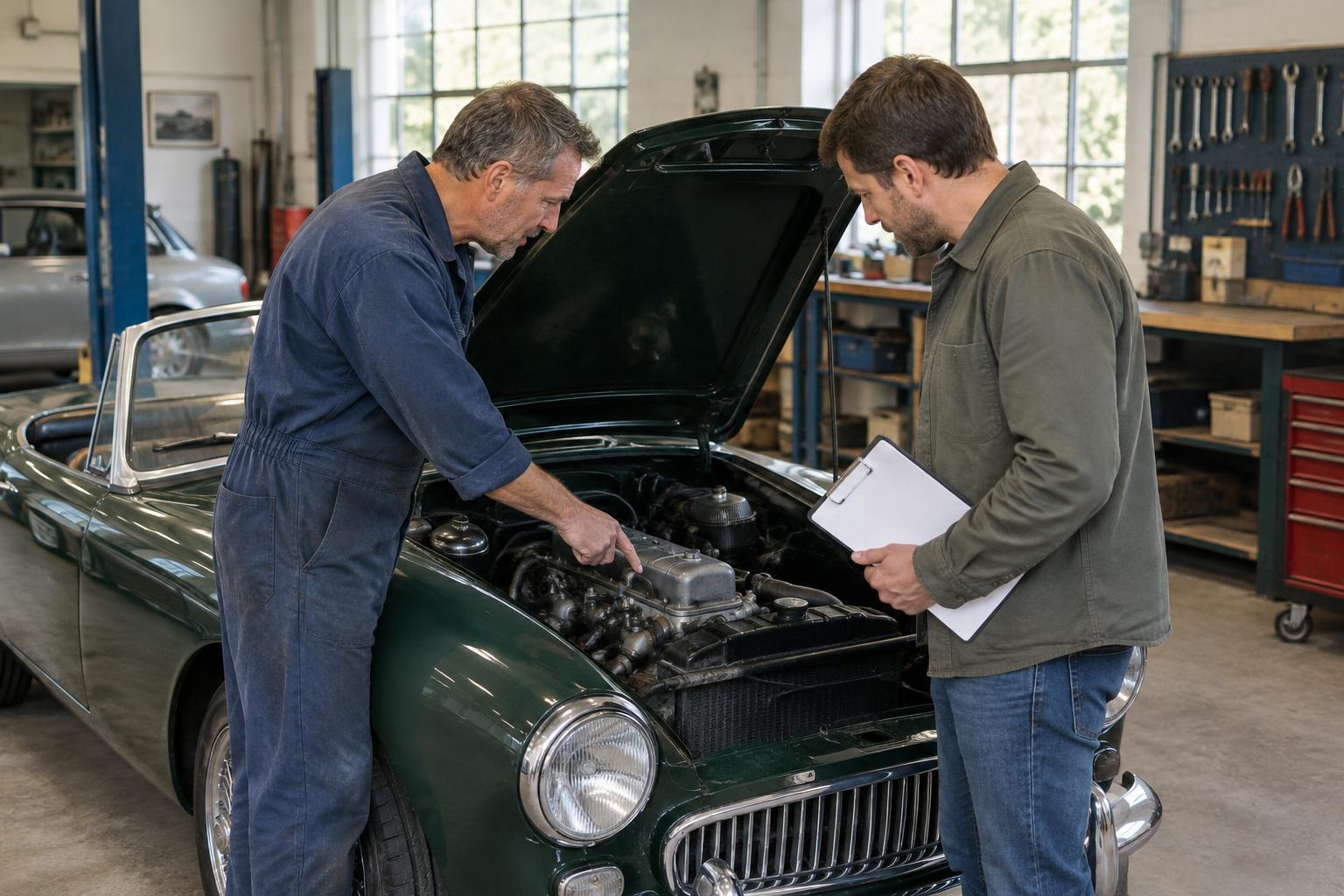
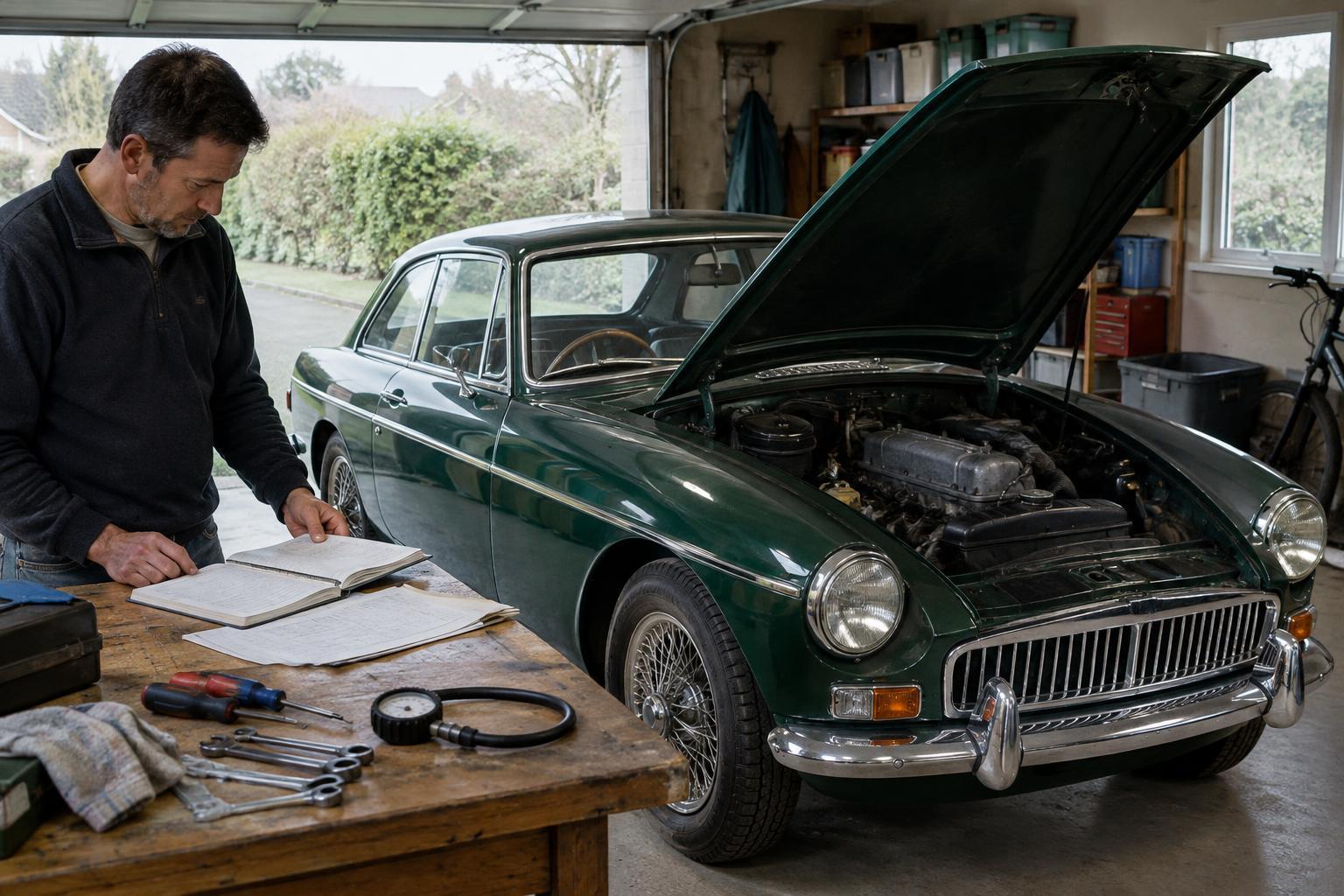
A model name and year are useful starting points, but they may not be enough to identify a replacement part. British classics often changed gradually during production, and an earlier owner may have fitted a different engine, gearbox, axle or electrical system. Before ordering, record the chassis or vehicle identification number, engine number where relevant, and any visible markings on the part being replaced. Keep a few clear photographs with your notes.
Compare the car in front of you with the parts catalogue rather than assuming it matches its original specification. Look for change points expressed as chassis numbers, left- and right-hand versions, and differences between roadster and fixed-roof bodies. If a previous repair has altered the assembly, decide whether you need a part to suit the current arrangement or are working towards an original specification. That distinction can prevent a plausible-looking part from becoming an awkward surprise.
Check fit beyond the catalogue description
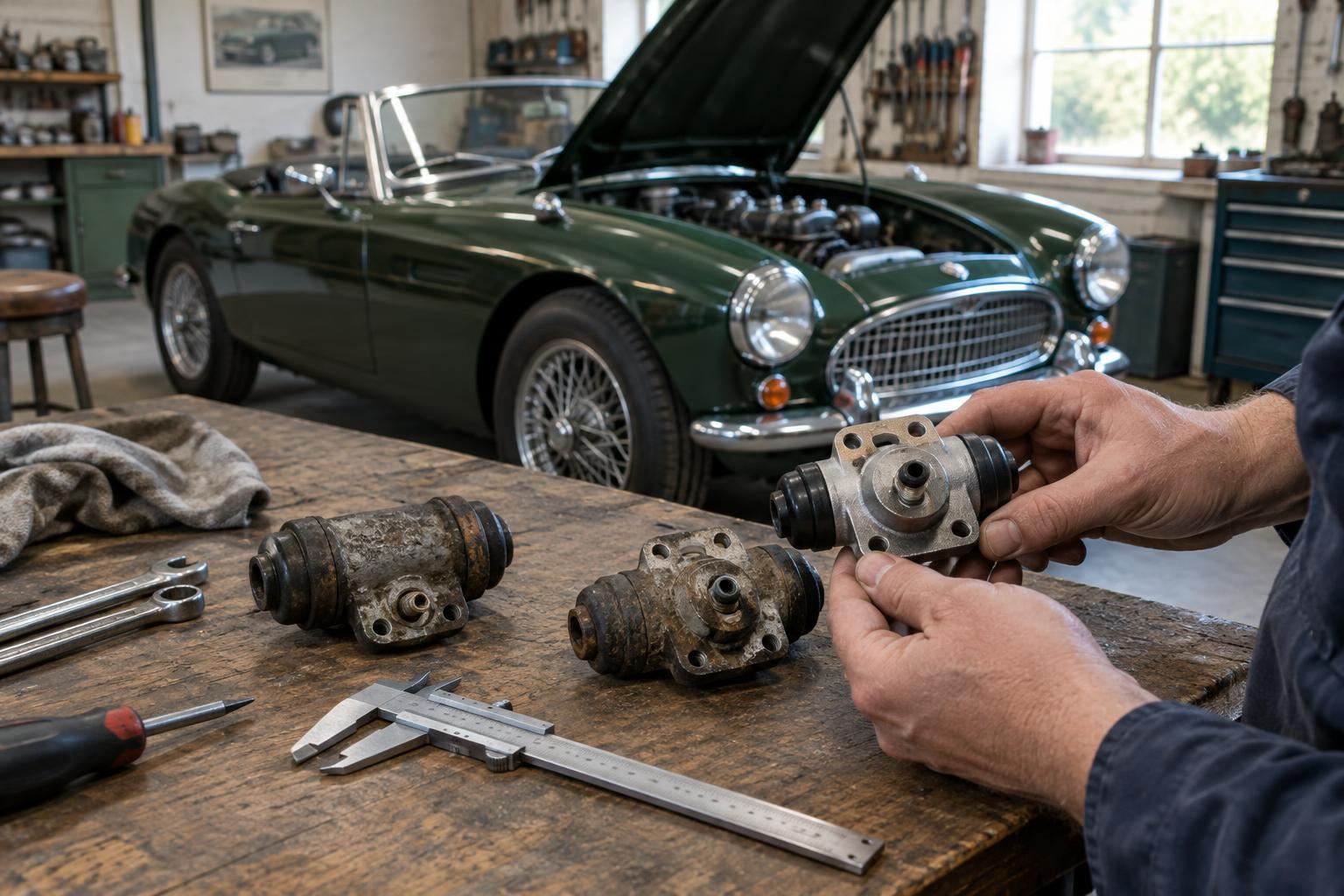
A listing that says a part “fits” a model may cover several versions of a component. Compare the old and proposed parts by shape, mounting points, thread type, connector style and overall dimensions. For trim, inspect fixing positions and the area the piece must cover. For mechanical parts, note how the component meets its neighbours: a hose must clear surrounding metalwork, while a bracket must place the attached item in the right position.
Photographs help, but perspective can make small differences hard to spot. Ask the supplier for a measurement or additional image when an important feature is unclear, and provide your own photographs for comparison. Keep the old part until the replacement has been test-fitted and the job is complete. It may be the best reference you have, even if it is worn or damaged. Where a mismatch affects steering, braking or another safety-critical system, pause rather than adapting the part merely to make it fit.
Choose quality for the job the part must do
Parts described as original, new old stock, remanufactured or reproduction offer different trade-offs. An original used item may have excellent fit but hidden wear. New old stock may be unused yet still need inspection after years in storage. A reproduction part may be readily available, although finish and dimensions can vary. Remanufactured assemblies depend on both the condition of the original core and the standard of the work. The label alone is not a guarantee.
Match your scrutiny to the component’s role. A decorative badge may justify a choice based largely on appearance and price; a bearing, brake component or suspension joint calls for closer attention to materials, workmanship and intended application. Examine photographs for rough edges, uneven finishes or poorly placed holes, and ask what is included in the package. A cheaper item may cease to be economical if it needs extensive reworking or fails soon after installation.
Assess the supplier as well as the stock
A useful supplier does more than display a long list of part numbers. Clear descriptions, stated variations and willingness to check a detail can make ordering much easier. When contacting a seller, send the vehicle details, the part number if you have one, and a concise account of what you need to confirm. A careful answer that identifies uncertainty can be more valuable than an immediate promise that everything will fit.
Before paying, check whether the item is actually available, what comes in the box, and how returns are handled if it proves unsuitable. Packaging matters too, particularly for glass, trim and heavy castings. Specialist knowledge can justify paying more, but compare the full cost, including delivery and any required fittings. Recommendations from other owners can help you build a shortlist; still verify that their experience concerns the same component and version of the car.
Make ordering and fitting easier to retrace
Order related small items at the same time where practical: seals, clips, gaskets and fasteners can hold up a job even when the main component is correct. On arrival, compare the delivery with the order and inspect it before removing labels or altering anything. Lay out the new and old parts side by side, then check fit before painting, trimming or final assembly whenever the work allows.
Keep a simple record of supplier, part number, measurements and any differences found during fitting. It will save time the next time the component needs attention and may help another owner working on a similar car. Finding parts for a British classic is rarely just a matter of clicking the first matching listing. A little patient identification, a few precise questions and a careful inspection give each repair a better chance of going smoothly.