Look for a landscape, not a famous road
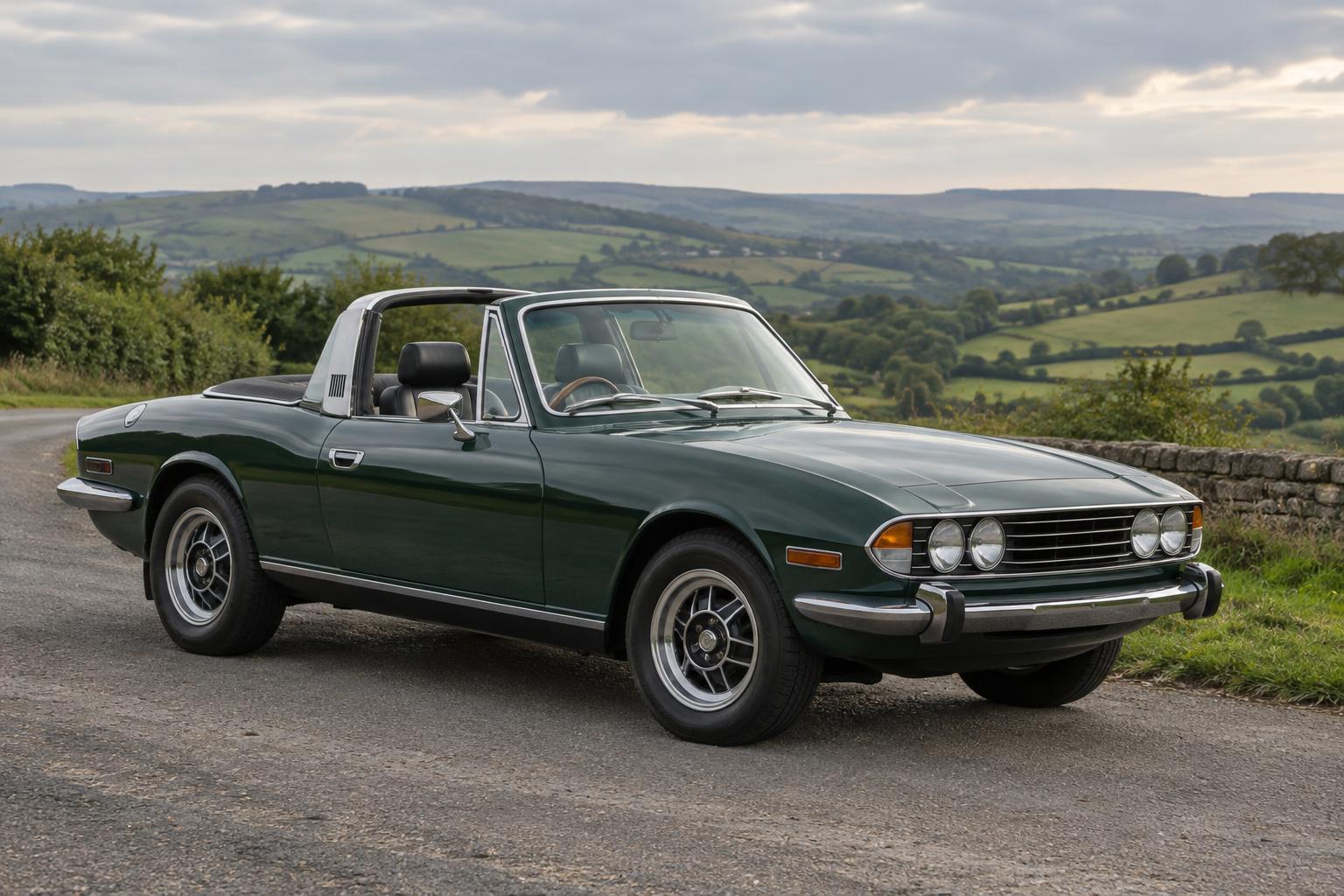
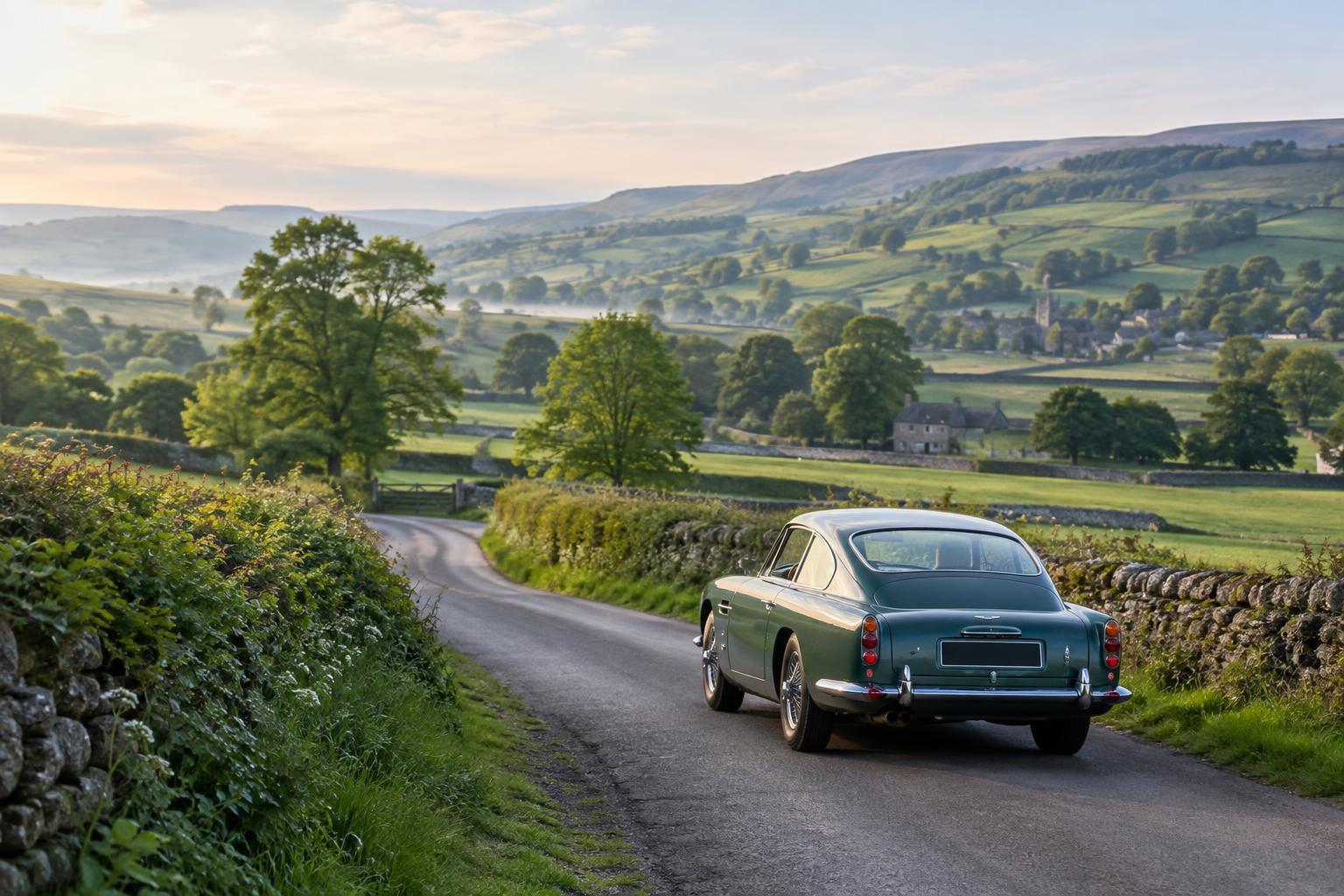
The best drive is not always the one that appears most often on a postcard. A well-known pass or coastal road may offer wonderful views, but it can also encourage a procession of drivers focused on reaching the same viewpoint. For a more relaxed day, begin with the kind of landscape you want to enjoy: a river valley, rolling farmland, wooded hills or a string of small market towns. Then look for roads that let you travel through it rather than simply cross it.
A paper road atlas or a map with terrain detail can be more useful for this than a list of attractions. Trace the smaller roads that run along a valley or link villages near its edge. Look for changes of direction, occasional open ground and places where you can stop legitimately. A modest route with varied scenery and a pleasant lunch stop may be more memorable than a long detour to a celebrated bend.
Build a route around places you want to pause
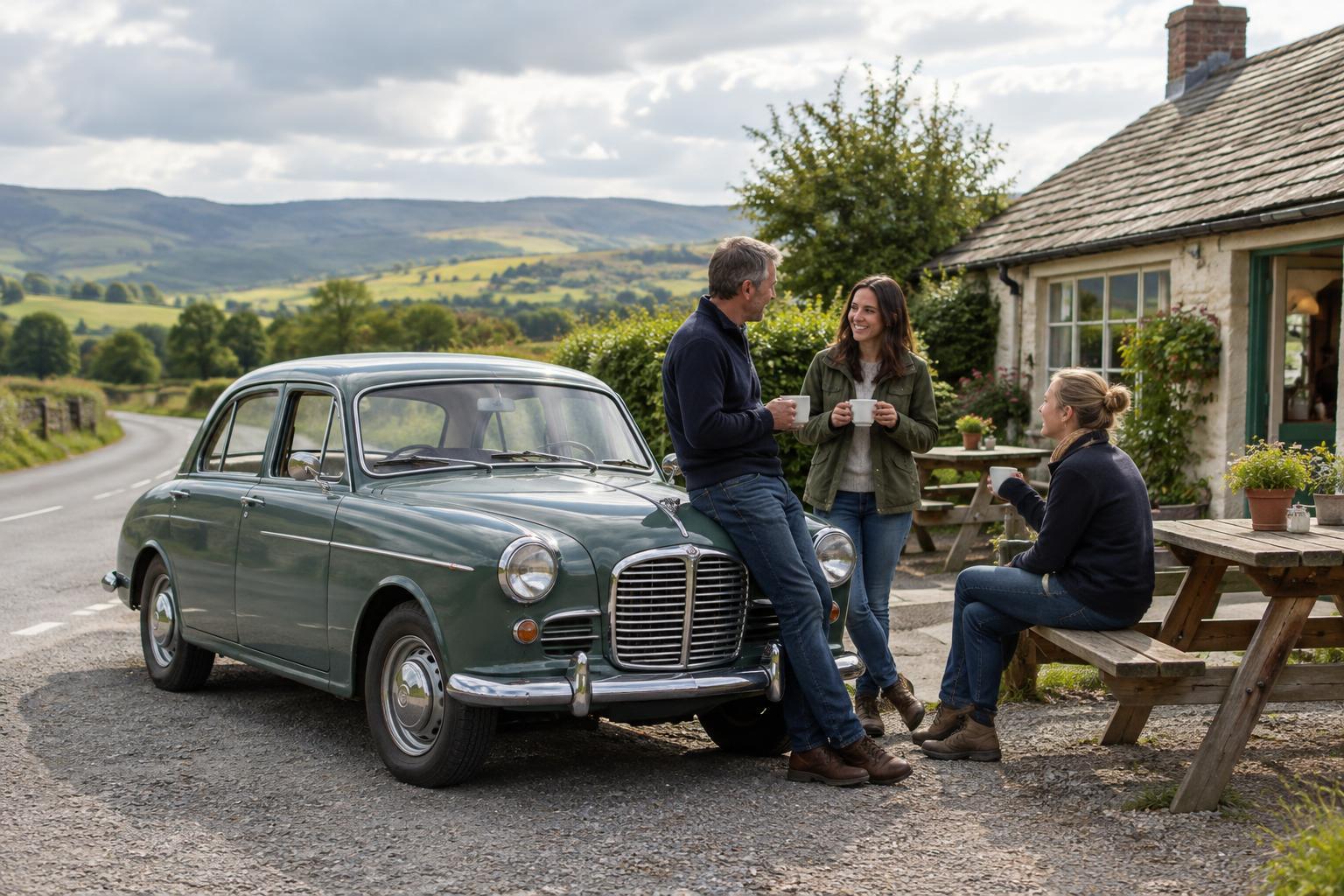
Choose two or three possible stopping points before joining them into a drive. A town with a public car park, a village café or a viewpoint with designated parking gives the journey a comfortable rhythm. It also makes the route easier to adjust if the weather changes or the car needs attention. Check opening arrangements separately before setting off, especially if a particular stop matters to your plans.
When connecting those stops, favour a mix of roads. A quiet main road can be useful for leaving a busy area, while a smaller road may provide the most enjoyable part of the day. Very narrow lanes are not automatically more scenic: high hedges can hide the view, and repeated reversing at passing places soon becomes tiring. Avoid treating a footpath, farm track or unverified shortcut on a map as a road open to cars.
Let timing do some of the work
Even an appealing route can feel crowded when everyone reaches it at once. Consider starting away from a major visitor centre, driving a loop rather than an out-and-back route, or having your main stop before or after the busiest part of the day. These are flexible choices, not guarantees of an empty road. Local events, school holidays and good weather can alter traffic anywhere.
Plan a distance that leaves time for an unhurried walk, a photograph or a change of plan. In a classic car, the pleasure often lies in settling into a comfortable pace rather than covering as many miles as possible. Allow extra time for fuel, navigation and breaks, and keep an alternative route in mind if a road feels too busy or unsuitable. A passenger who can read the map can make a relaxed drive easier for everyone.
Match the road to the car
A scenic line on a map tells you little about its surface, width or gradient. Before committing to a long stretch of minor road, consider your car’s ground clearance, cooling, brakes and ability to restart on a hill. A route that suits a modern car may be less enjoyable in a low-slung sports car or a heavily loaded saloon. If you are uncertain, choose roads with obvious connections to larger routes so that you can turn back or change course without difficulty.
Prepare the car as you would for any longer outing: check fluid levels, tyres, lights and anything that has recently needed attention. Carry the tools and spares you know how to use, along with a charged phone and a map that does not depend on reception. These steps will not prevent every problem, but they make it easier to deal with an unexpected stop. Keep fuel opportunities in mind without making the whole day revolve around them.
Be a welcome visitor on quieter roads
The appeal of lesser-known routes depends in part on treating them as working roads, not private touring tracks. Give walkers, cyclists, riders and agricultural vehicles room and time. Use passing places for passing rather than parking, and never block a gate or driveway for a photograph. Follow signs and local access restrictions, even if a navigation app suggests otherwise.
There is no need to publish every quiet lane you enjoy as a must-drive destination. Share the broader area, the character of the journey and the kinds of stops that worked well; let other drivers build a route that fits their own car and interests. That spirit of exploration is the real alternative to following an overused tourist route: a day shaped by curiosity, considerate driving and the freedom to take the next suitable turn.