Start with a clean, dry car
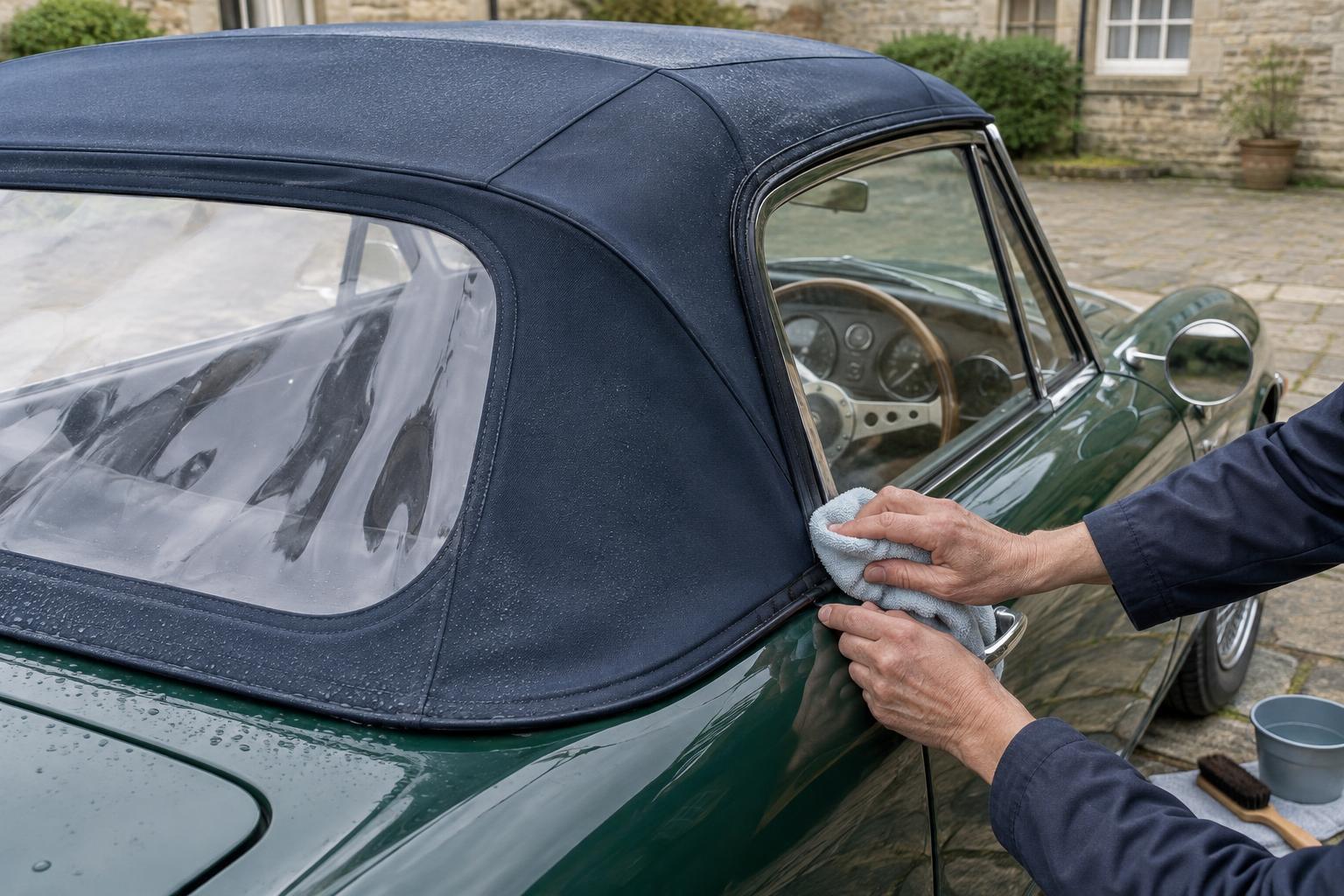
Winter storage begins before the car is parked. Wash away road dirt, paying attention to wheel arches, sills and other places where damp debris collects. Dry the car thoroughly, including door shuts and around trim. If the weather is suitable, a short drive before storage can help dry areas that a cloth cannot reach. Clean the cabin too: crumbs and damp mats are poor companions for a car left standing for months.
Choose a storage space that is secure, reasonably dry and ventilated. A breathable cover can protect paint from dust, provided the car and cover are clean and the cover does not trap moisture. Avoid placing plastic sheeting directly over the bodywork. Leave yourself room to open the bonnet and inspect underneath during the winter; storage works best when the car remains accessible rather than disappearing behind a pile of boxes.
Make a simple lay-up plan
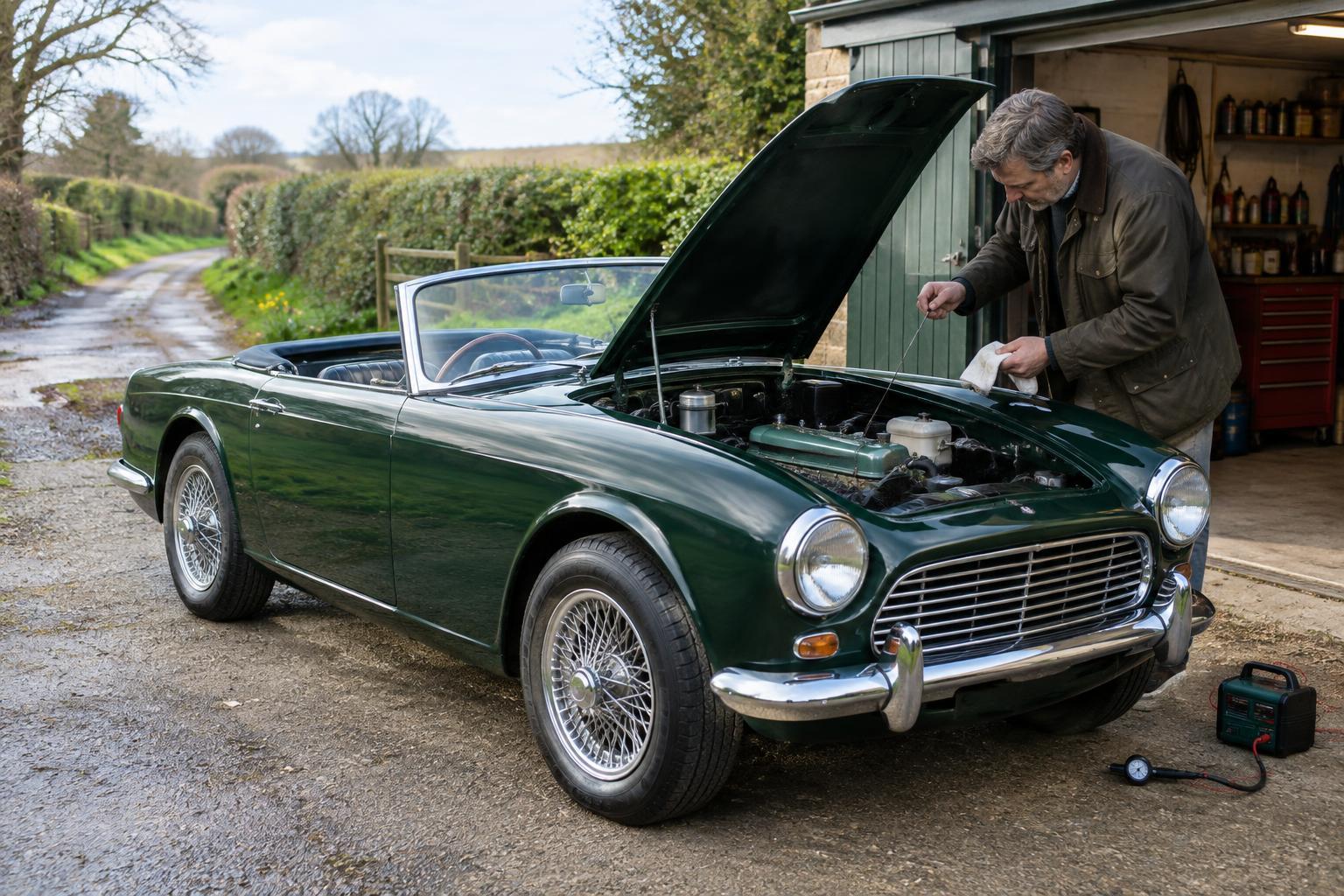
Check the engine oil, coolant and other fluid levels before parking, and note anything that already needs attention. If an oil change is due, doing it before storage avoids leaving used oil in the engine for the whole lay-up. Use the specifications appropriate to your particular car, especially where older cooling systems, seals or gearboxes are concerned. A notebook entry with the date, fluid levels and known faults will be more useful in spring than relying on memory.
Fuel arrangements depend on the tank, the fuel available and how long the car will stand. A sound, fuller tank may reduce the air space in which moisture can collect, but first check for leaks and leave room for normal expansion. If using a fuel stabiliser, follow its instructions and make sure it is suitable for the fuel system. Do not run an engine in an enclosed garage to circulate treated fuel; exhaust fumes are hazardous.
Attend to the battery according to its type and the car’s electrical system. A compatible maintenance charger may be useful where safe mains power is available; otherwise, a disconnected battery can be stored and charged in line with its maker’s guidance. If disconnecting it, note any radio codes or settings first. Inflate the tyres to the car’s recommended pressure, and consider moving the car occasionally to vary the contact patch. For a long stay, secure the car with appropriate chocks rather than relying on a handbrake that might stick, but only where the parking surface and storage arrangement make this safe.
Look in on it during winter
An occasional inspection can catch small problems while they are still small. Look for fresh drips, damp upholstery, pest activity and signs of condensation. Check that the cover has not shifted or begun to rub the paint. If you move the car, do so carefully and only when its brakes, tyres and surroundings permit it.
Avoid starting the engine merely for a few minutes to hear it run. A brief idle may not warm the oil and exhaust fully, and can leave moisture behind. Either leave the car properly laid up or, when conditions and its condition allow, take it for a drive long enough to reach normal operating temperature. Keep a record of anything that changes during storage.
Wake the car before starting it
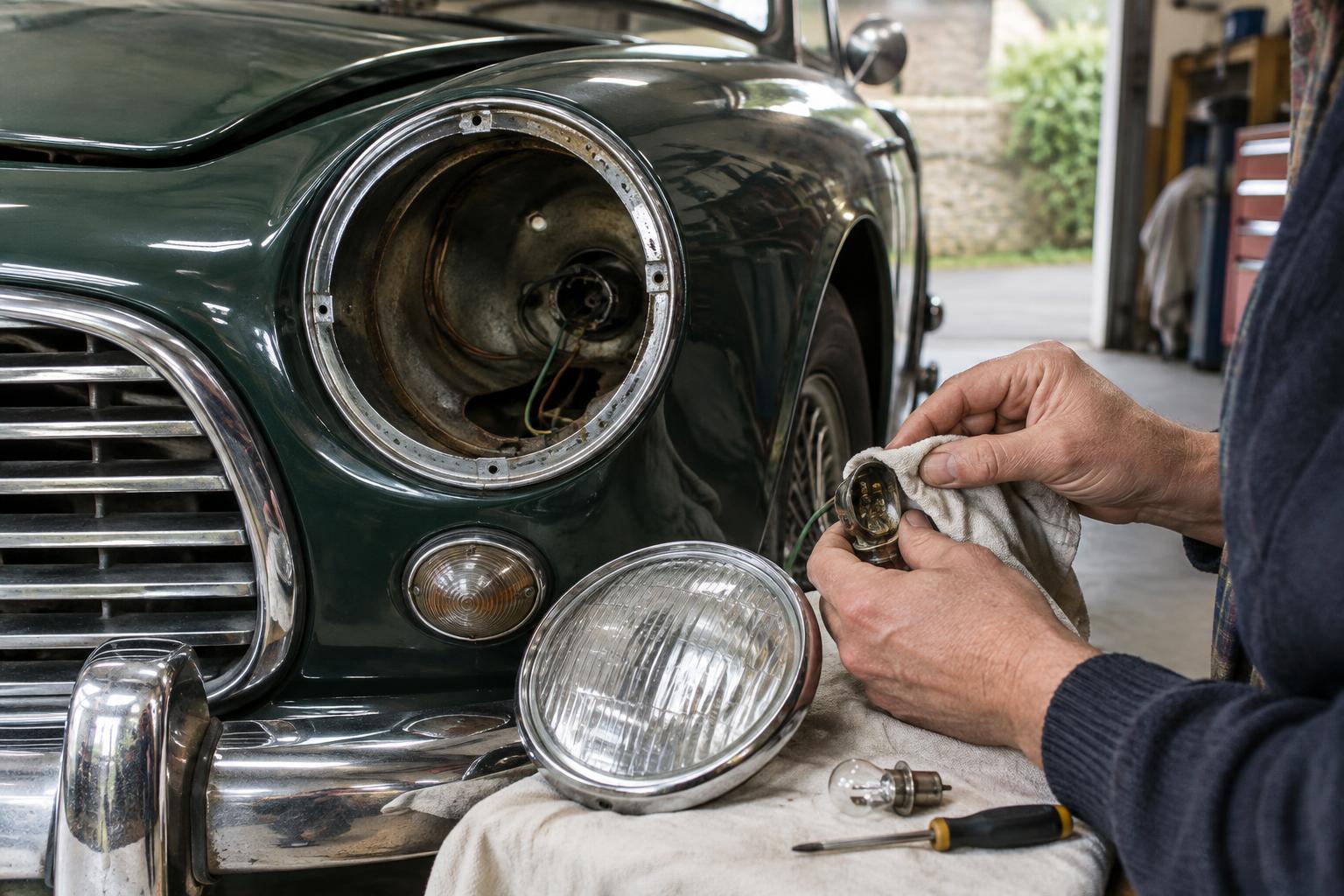
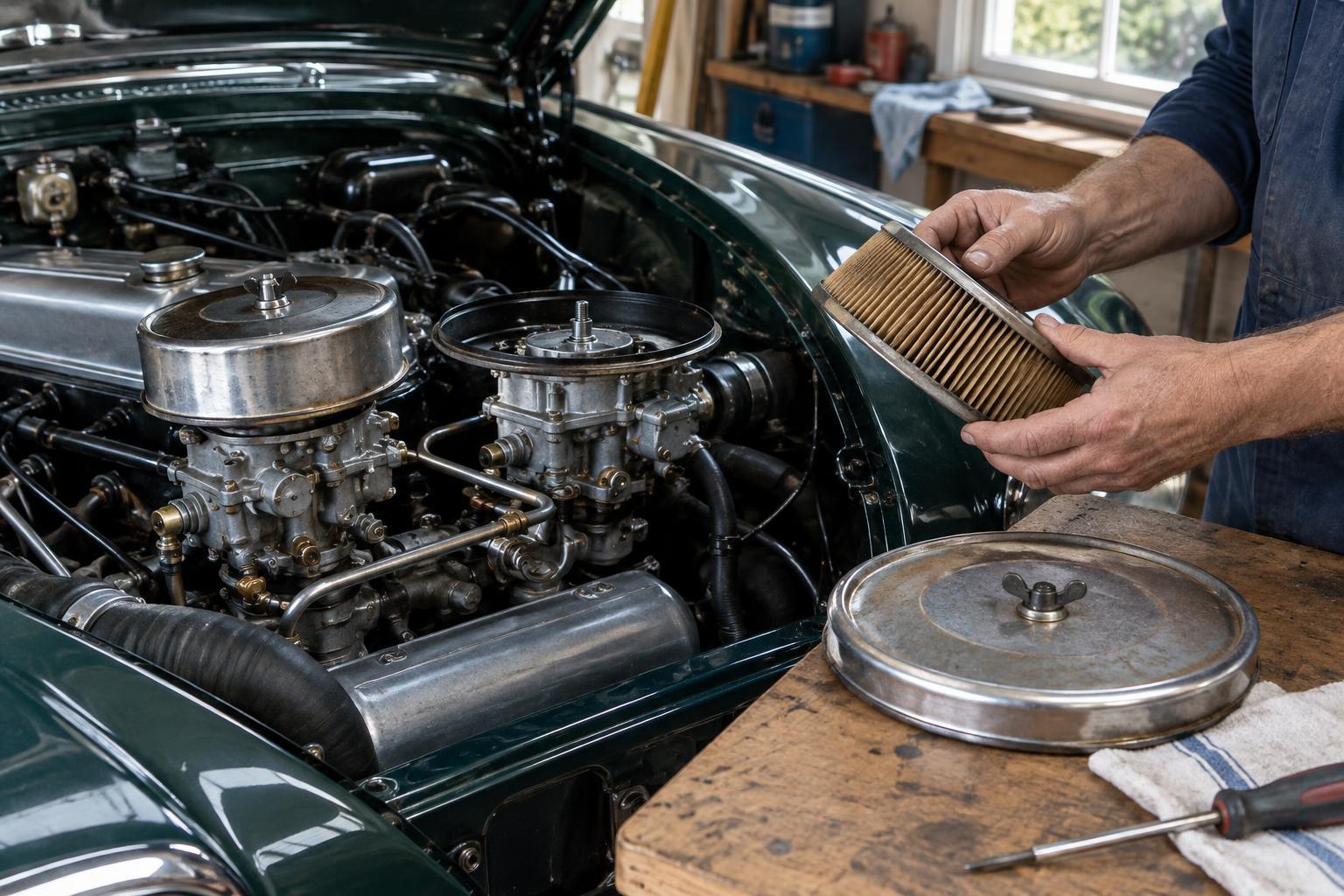
In spring, begin with a walk-round while the engine is cold. Look underneath for leaks; inspect hoses, belts and visible wiring for damage; and check the engine oil, coolant and brake-fluid levels. Examine the tyres for pressure loss, cracks and anything embedded in the tread, remembering that an old tyre can look serviceable while its age or condition warrants closer attention. Remove any exhaust or intake covers fitted for storage, and check that no animal has made a home nearby.
Reconnect or refit the battery correctly, then check that lights, indicators, horn and wipers work. Before moving off, press the brake pedal and make sure it feels firm and consistent. If a pedal sinks, a fluid leak is apparent, or the brakes do not release, do not treat a test drive as a way to diagnose the fault. Have the car checked and repaired before using it on the road.
Keep the first drive short and attentive
Start the engine using the procedure suited to the car, without prolonged cranking. Watch the instruments for normal indications and listen for unfamiliar noises. Once it is running steadily, check for fuel, coolant or oil leaks before setting out. If the car is unlicensed for road use, uninsured or otherwise not roadworthy, resolve that before driving; storage does not suspend those responsibilities.
Make the first journey a short, local one rather than an immediate cross-country tour. Test the brakes gently at low speed, notice whether the steering pulls, and pay attention to vibrations, smells and temperature readings. Afterwards, park safely and inspect the car again for leaks or loose items. A quiet first outing is reassuring, but it is also a baseline: write down anything unusual and address it before asking the car to tackle a longer spring run.