Start with the total you can comfortably commit
A classic car can look affordable in an advert and become much less so once it reaches your driveway. Before choosing a model or making an offer, decide what you are comfortable spending in total during the first year. Treat the purchase price as one part of that amount, alongside the costs of getting the car home, putting it into dependable condition and keeping it there.
Keep some of the total uncommitted. Even a carefully maintained car may need attention once it is used regularly, particularly if it has spent long periods standing. A reserve gives you room to deal with a fault without postponing essential work. If a car uses every penny of your available budget before you have insured or driven it, it may not be the right example at the right time.
Budget for inspection and the first round of work
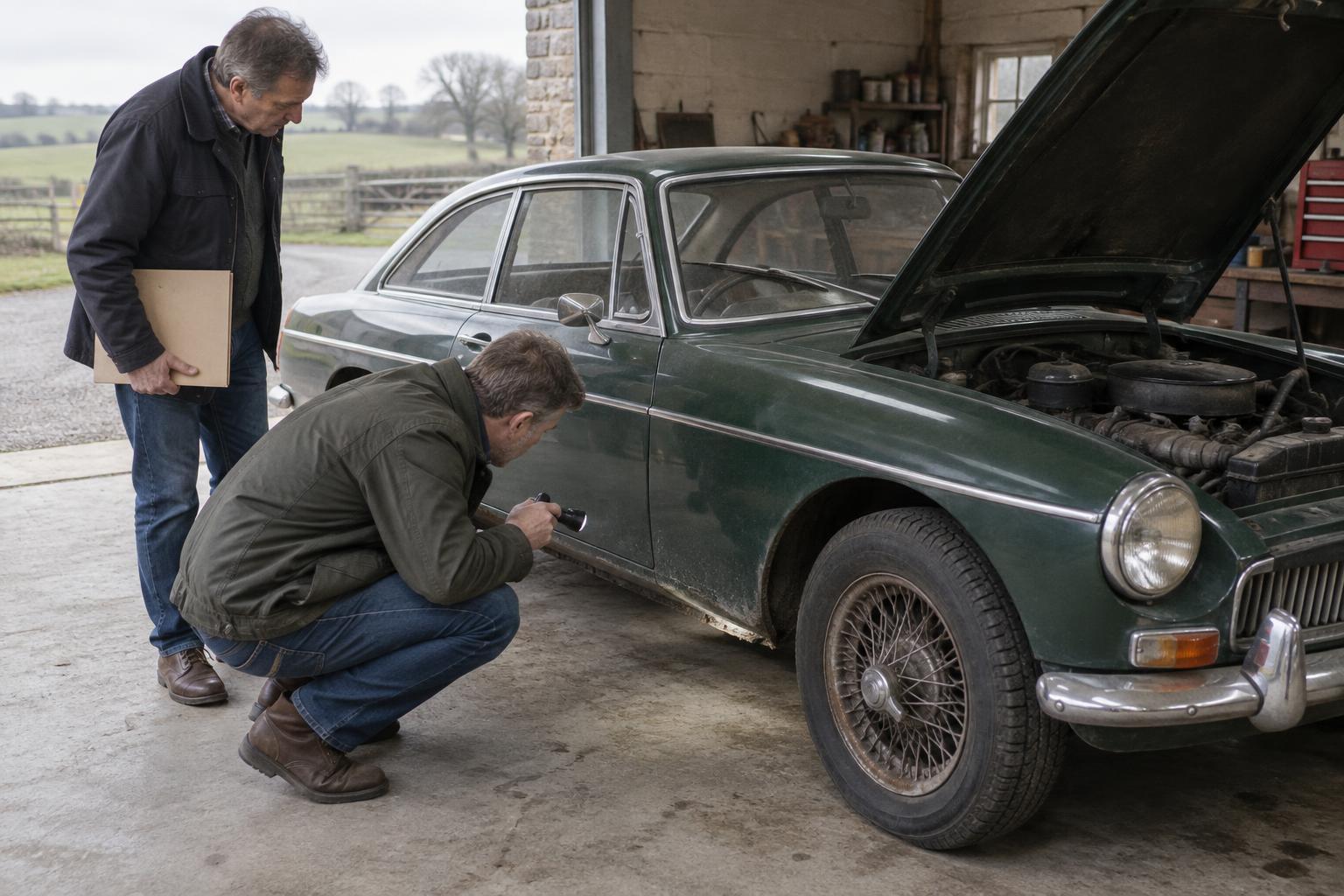
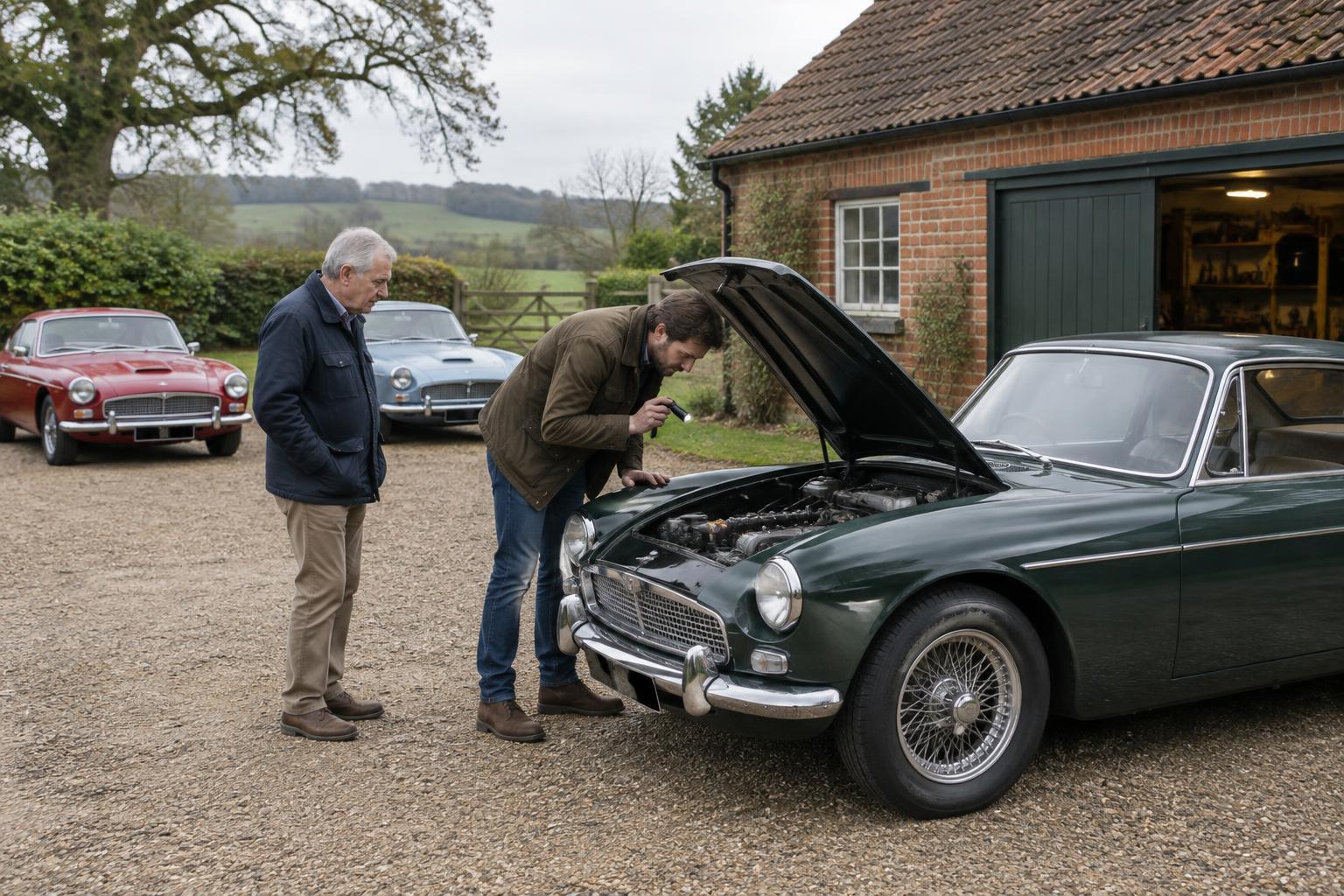
Set aside money to assess a promising car before buying it. A specialist inspection can be useful if you do not know the model well, but it is still worth reading the paperwork yourself and looking closely at the car’s condition. Ask about recent servicing, repairs, corrosion work and parts fitted. An inspection is not a guarantee; its value is in helping you understand what may need attention and whether the asking price reflects that work.
Separate immediate needs from improvements you would simply like to make. Tyres, brakes, leaks, electrical faults and structural corrosion may affect whether a car is ready for use, while trim and paint can often wait. Obtain estimates for significant work where possible, and remember that dismantling an older car can reveal further problems. A cheaper purchase needing extensive repairs may cost more, and keep you off the road longer, than a sounder car with a higher asking price.
Allow for insurance and the practicalities of ownership
Get insurance quotations for the particular type of car and the way you intend to use it before committing to a purchase. Policies can differ in their approach to annual mileage, commuting, storage, modifications and the value assigned to the vehicle. Check the terms rather than assuming that a classic policy will suit every owner or every journey. If agreed value is important to you, ask what evidence the insurer requires and how that value is recorded.
Think about where the car will live. Secure, dry storage may help protect its condition, but rented space belongs in the budget. Add any costs for transporting a non-running purchase, parking, breakdown cover and the equipment you may need for basic care. Tax and roadworthiness requirements depend on the vehicle and where it is used, so check the rules that apply rather than relying on a seller’s description.
Estimate what a normal year of use involves
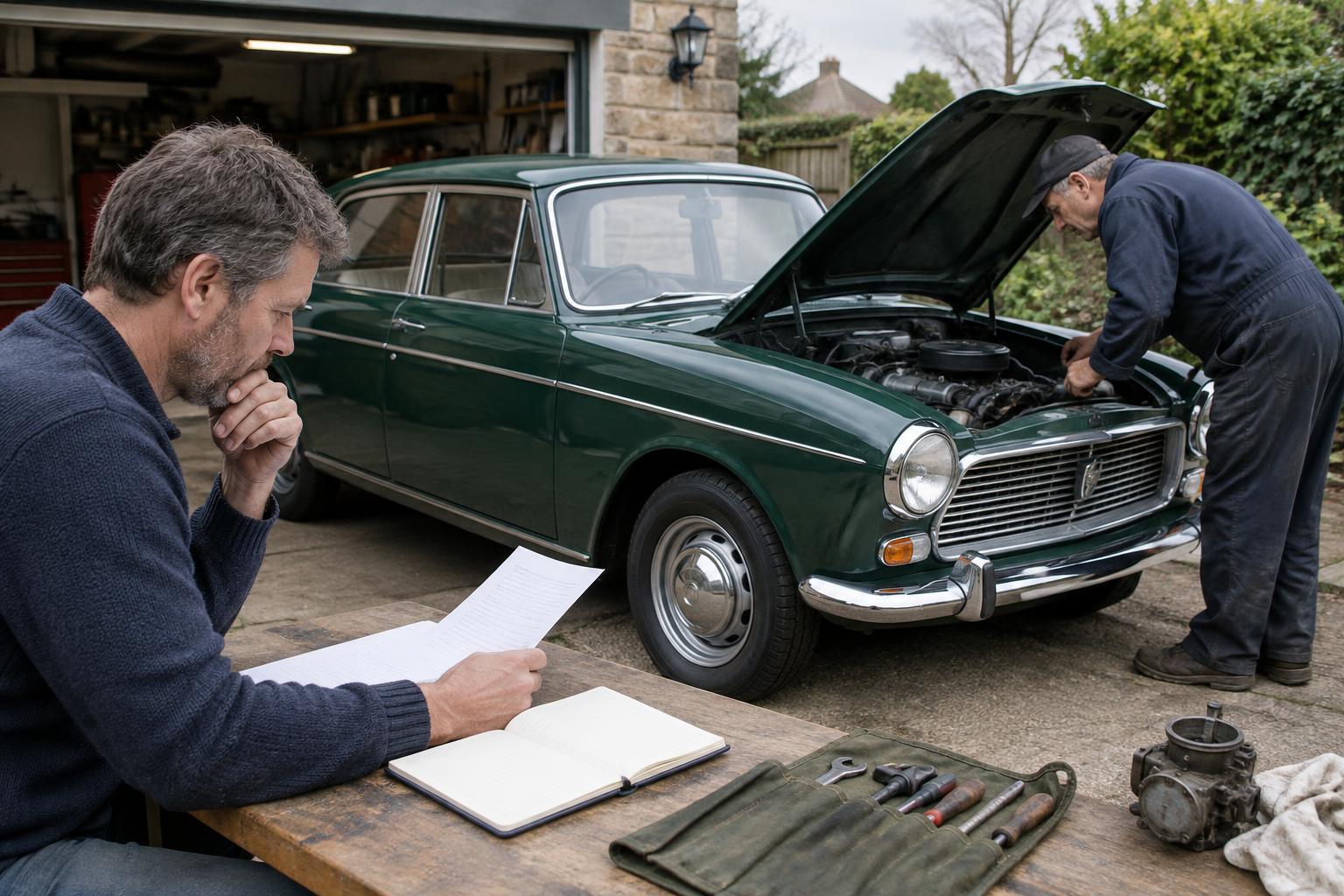
An annual budget should include routine servicing, fluids, filters, tyres and other wear items, even if you expect to cover modest mileage. Older cars can also need periodic attention to cooling, ignition, fuel and electrical systems. Costs vary considerably by model, condition, parts availability and how much work you can safely do yourself. Previous invoices may help you see what has been done, but they cannot predict every future bill.
Include the costs of actually enjoying the car: fuel, parking, entry fees for events and occasional overnight stops if touring is part of your plan. A car bought for weekend drives deserves a budget that lets you take those drives. Conversely, if regular use is your aim, make reliability and ease of obtaining parts more important considerations than a low purchase price alone.
Use the budget to compare cars, not just prices
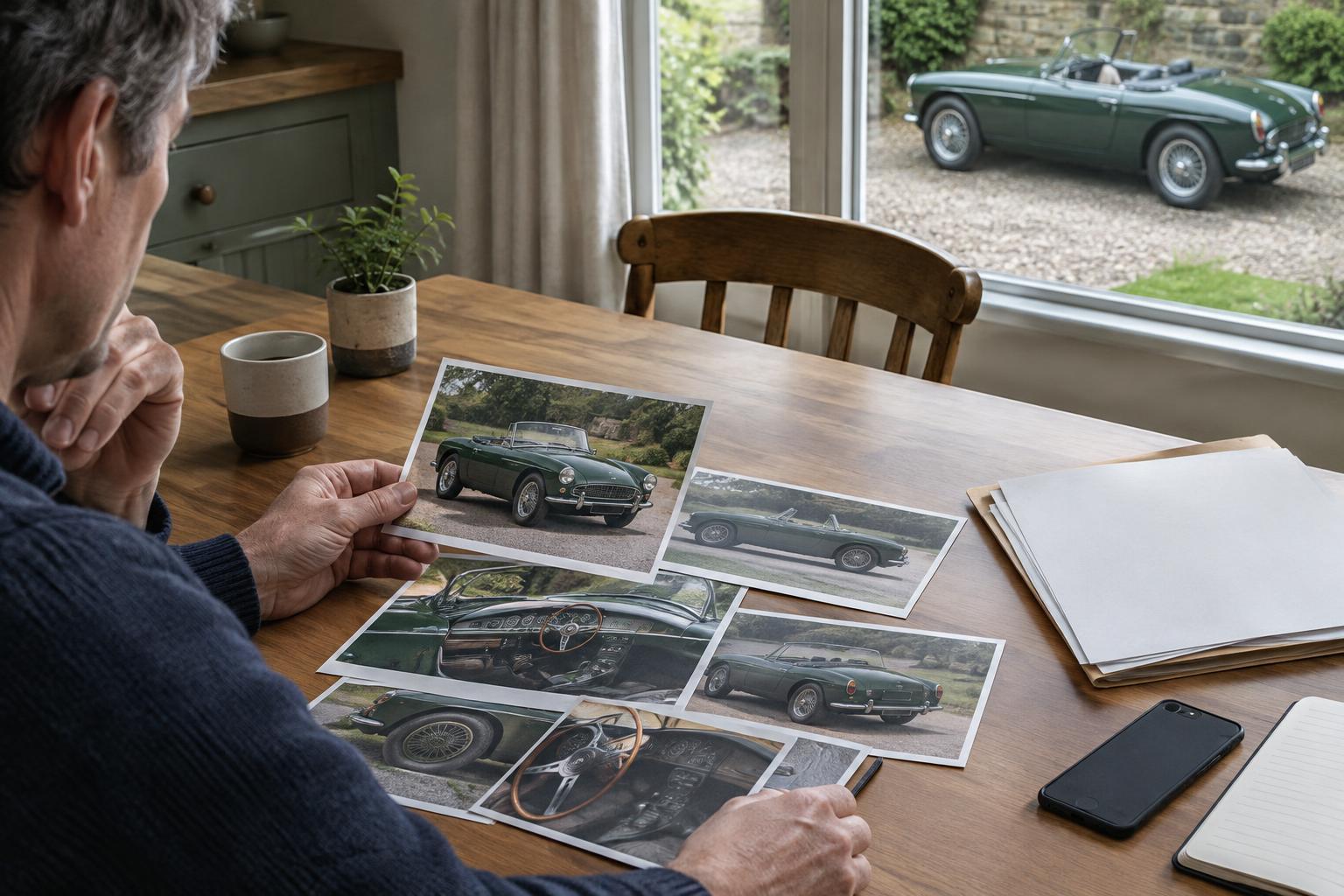
For each candidate, make a simple list with four headings: purchase and collection, immediate work, annual running costs, and reserve. Put known amounts in where you have quotations or invoices, and mark uncertain items clearly rather than treating guesses as firm figures. Comparing cars this way can reveal why an apparently expensive, well-sorted example may be better value for your intended use.
Revisit the list after viewing the car. If the inspection uncovers more work than expected, adjust your offer or be prepared to walk away. The aim is not to remove every surprise from classic-car ownership; that is rarely possible. It is to buy a car you can maintain and enjoy without having to ignore necessary repairs or abandon the journeys that drew you to it.