Start with comparable cars, not a single headline price
An asking price is what a seller hopes to receive, not necessarily what a car will sell for. Begin by gathering several adverts for the same model and, where possible, the same body style, engine and broad period of production. A desirable specification, an unusual conversion and an ordinary car in exceptional condition are not interchangeable. Note whether each example is offered by a private seller or a dealer, and whether the advert describes a running car, a usable project or a completed restoration.
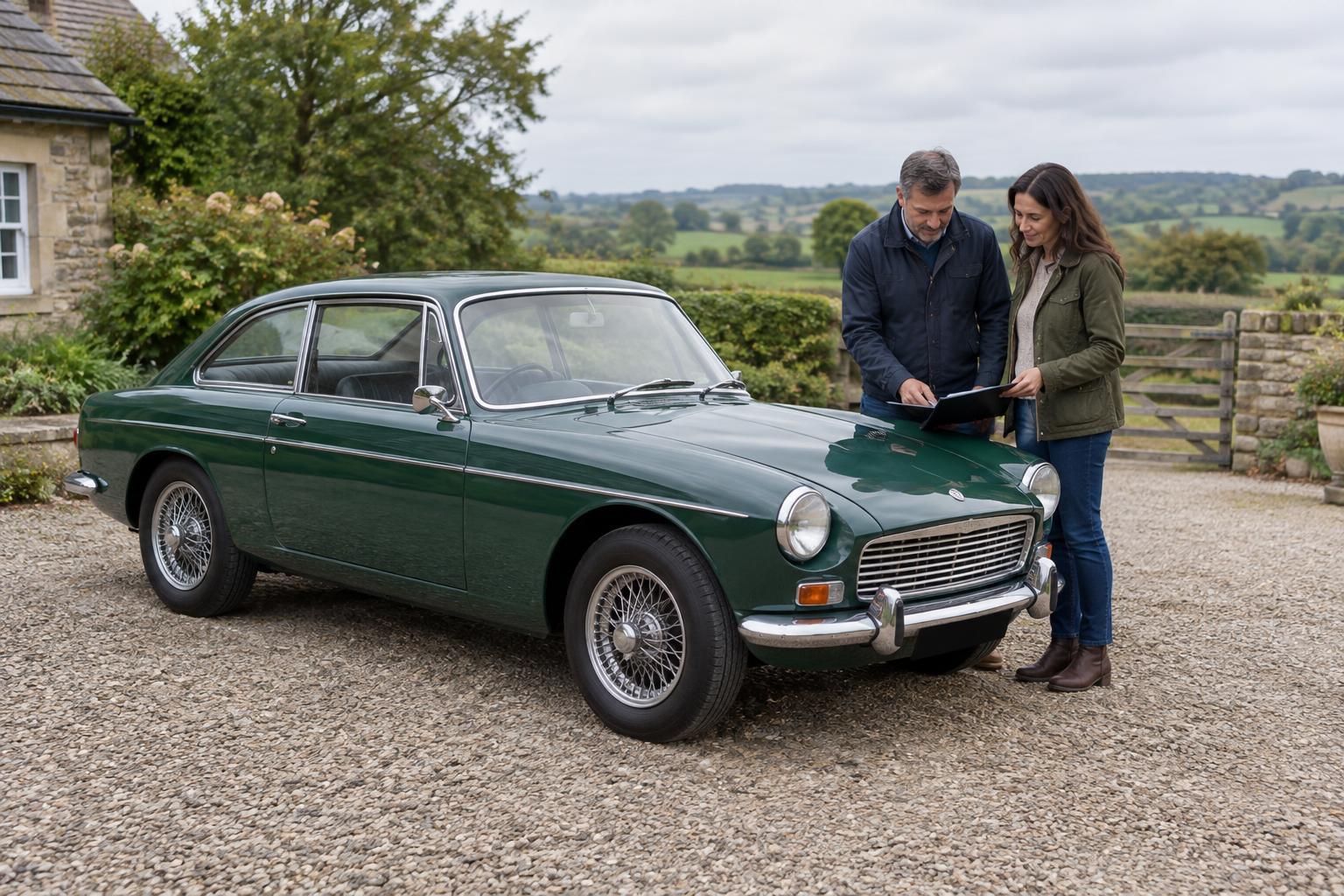
Build a short comparison sheet rather than relying on memory. Record the asking price, visible condition, claimed mechanical work, documentation, included spares and anything you cannot establish from the advert. Leave room to update it after a viewing. Advertised prices can give you a range of expectations, but they do not tell you a final selling price. If few genuinely comparable cars are available, treat the range as a rough guide rather than a precise valuation.
Work out what is included in the price
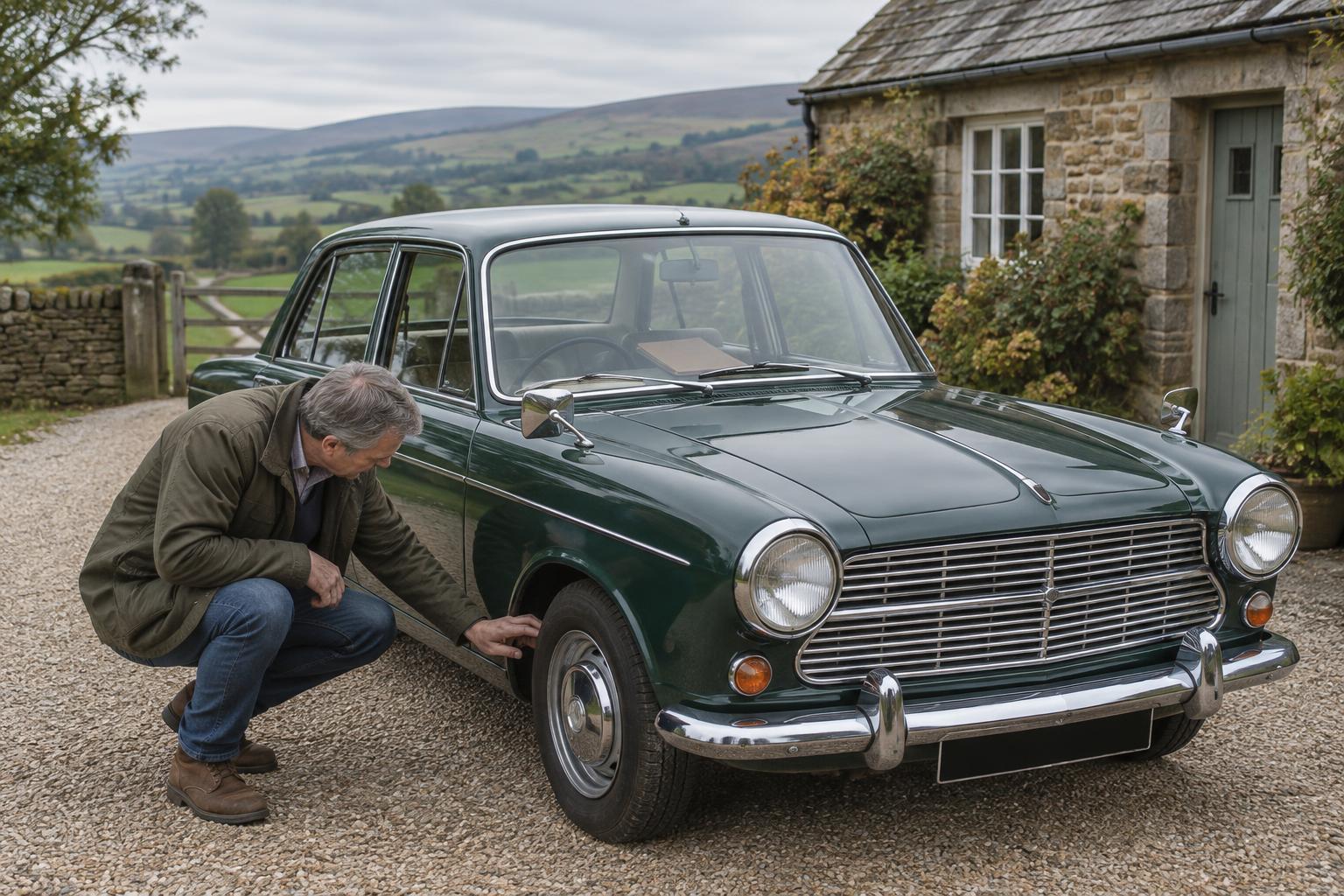
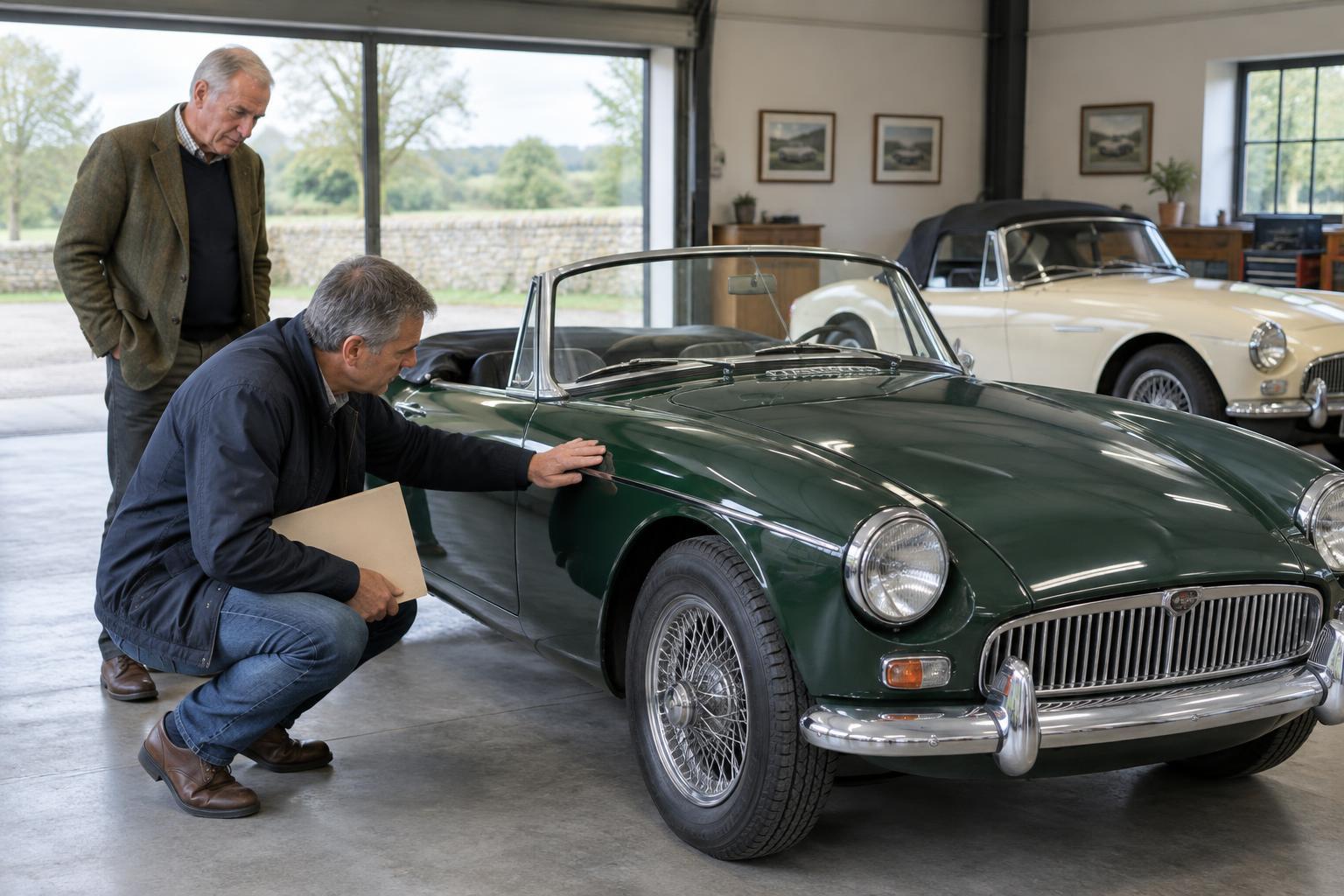
Photographs can flatter fresh paint and hide expensive problems. Look closely at panel fit, trim, tyres, the hood or roof, and the state of the cabin, then check them in person. On many older cars, corrosion in structural areas matters far more than minor cosmetic wear. A car with tired paint but sound metal and a dependable drivetrain may suit an owner who wants to drive it; a glossy car that needs substantial hidden work may not.
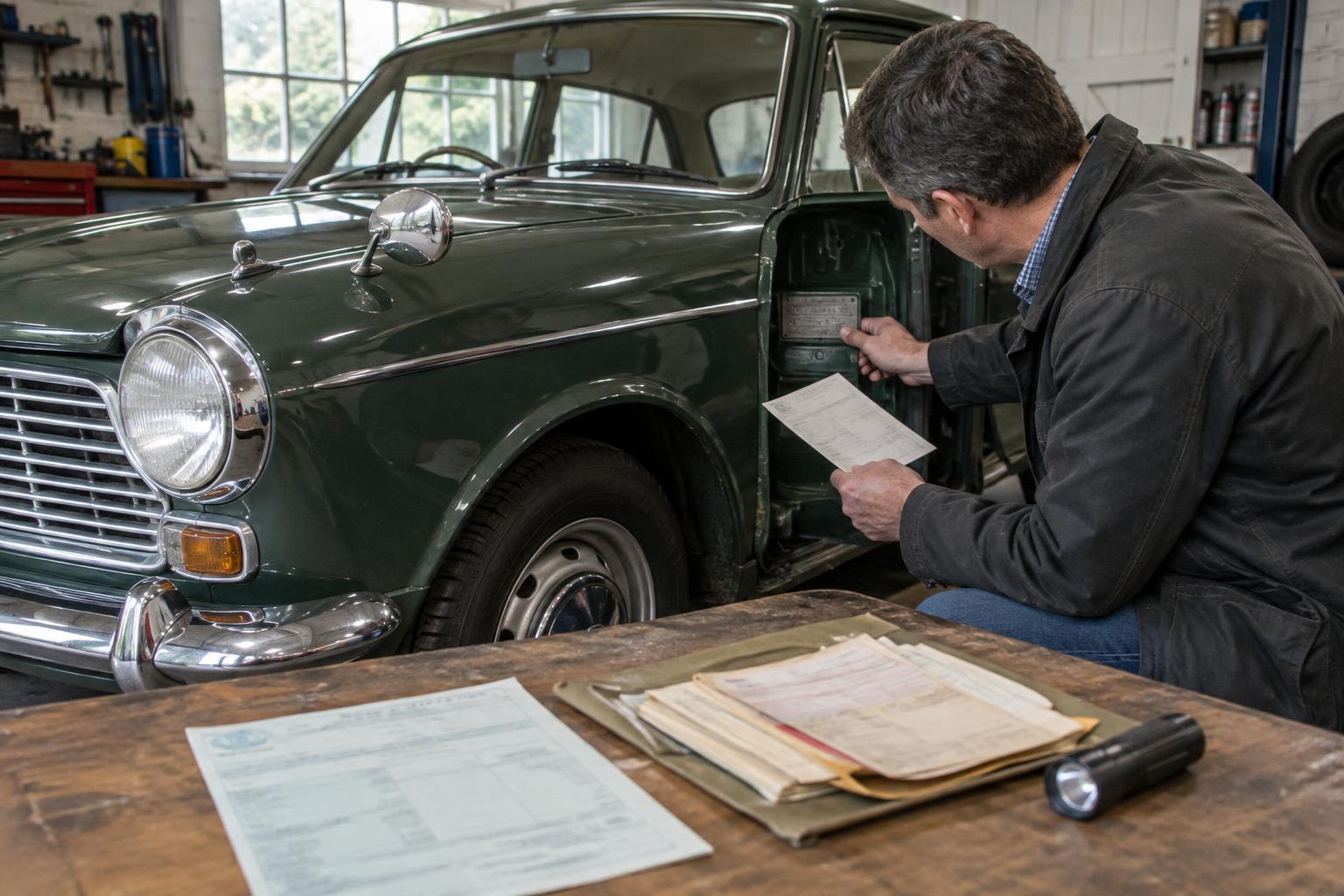
Ask what the seller means by phrases such as “restored” or “recently serviced”. Receipts and photographs can help show what was done, when it was done and by whom, although they cannot guarantee the present condition. Check that identifying details and paperwork are consistent with the car, and confirm what parts or accessories are included. A viewing in good light, a thorough inspection and, where appropriate, an independent specialist’s assessment can reveal questions an advert cannot answer.
Compare the total job, not just the purchase price
A cheaper classic may need immediate attention before it is ready for regular use. List the work you can see, such as tyres, brakes, cooling-system faults, leaking seals or a worn interior, and separate essential work from improvements you could postpone. Obtain realistic estimates for jobs you cannot undertake yourself, particularly bodywork. Availability of parts and access to suitable repair skills can also affect how practical a project will be.
Allow for uncertainty. Even a well-presented classic can disclose faults after purchase, while a car with a clear record of maintenance may still need routine care. Set a spending limit that leaves room for inspection, transport, initial servicing and unexpected repairs. This is a way to test whether a particular car fits your ownership plans, not a formula that turns every repair estimate into an exact deduction from the asking price.
Make an offer you can explain
Before discussing money, decide what the car is worth to you in its present condition. Use your comparison notes and inspection findings to support an offer: for example, you might point to worn tyres, missing trim or a documented repair that remains unfinished. Ask questions before assuming a fault, and give the seller a chance to explain. An offer grounded in specific observations is more useful than a blanket claim that the car is overpriced.
Keep the conversation courteous and direct. You can state your offer, explain its basis briefly and then listen. The seller may have priced in work already completed or may value included spares that you had overlooked. Equally, they may decline to move. Be prepared to negotiate on what is included or on the timing of collection, but do not let a modest concession distract you from a costly unresolved issue.
Know when to pause or walk away
Take time to review your notes after the viewing, especially if the car has an engaging history or sounds wonderful on a test drive. Reconcile the seller’s description with what you observed, and follow up on gaps in the paperwork or work that needs further inspection. If you cannot verify an important detail, price the uncertainty into your decision or wait until it is resolved.
A good purchase is not necessarily the lowest-priced car or the one won through the toughest negotiation. It is a car whose condition, likely work and agreed price make sense for the way you intend to use it, whether for local outings or longer tours across Britain. If the figures or the car no longer feel right, walking away is a reasonable outcome. Another opportunity is usually preferable to starting ownership with doubts you chose to ignore.