Arrange a drive that tells you something
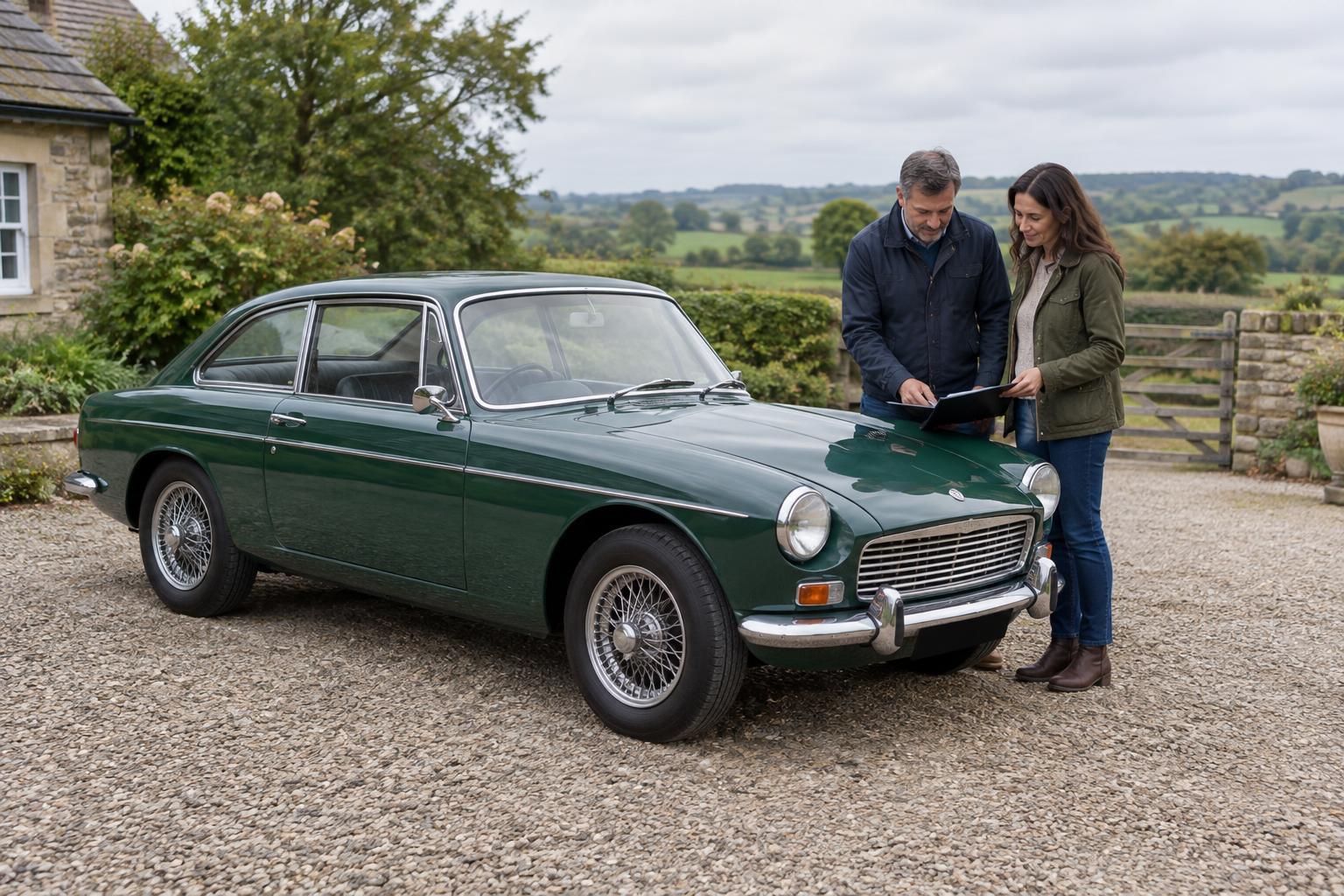
A short trip around the block may show that a classic car moves, but it will not tell you much about living with it. Before visiting, ask the seller whether the car can be started from cold and driven on a route with quiet streets, a stretch at ordinary road speed and a safe place to pull over. Agree who will drive, confirm that the drive is permitted and that appropriate insurance arrangements are in place. If you cannot drive it yourself, a passenger ride can still be informative, though it is no substitute for feeling the controls.
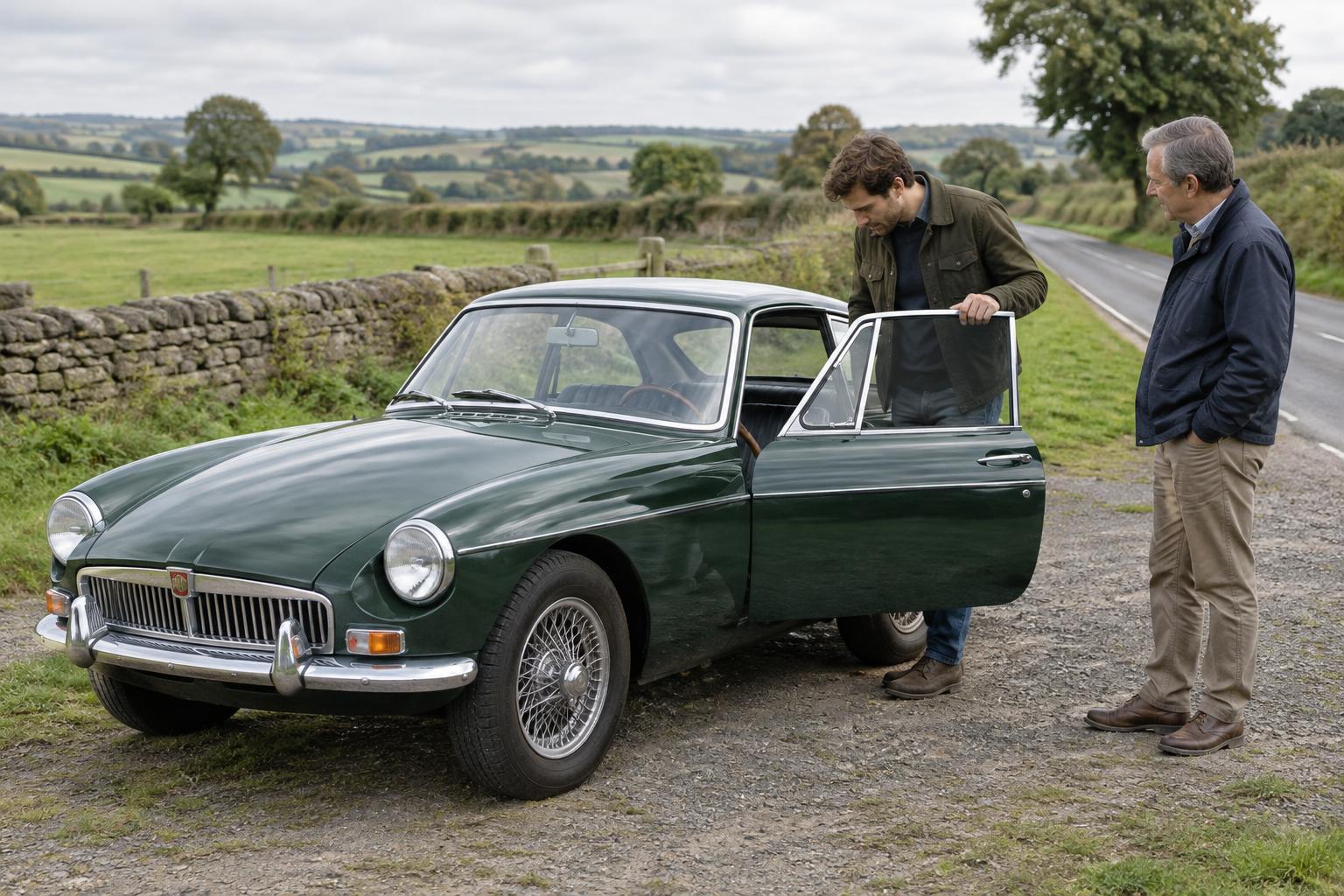
Read enough about the model beforehand to recognise its normal layout and operating quirks. A small British sports car, for example, may have heavier low-speed steering and less sound insulation than a modern car. Those differences are not automatically faults. The aim is to judge whether this particular example behaves consistently and whether you would enjoy using it. Bring a companion if possible: one person can concentrate on the road while the other notices sounds, smells and gauge readings.
Start with the car at rest
Try to arrive before the engine has been warmed up. A cold start can reveal reluctant starting, uneven running or smoke that might be less apparent later. Check that the engine really is cold without touching anything that could be hot. Ask the seller to demonstrate the starting procedure, including any choke or other model-specific controls. Notice how readily the engine settles to an idle and whether warning lights and instruments behave as expected.
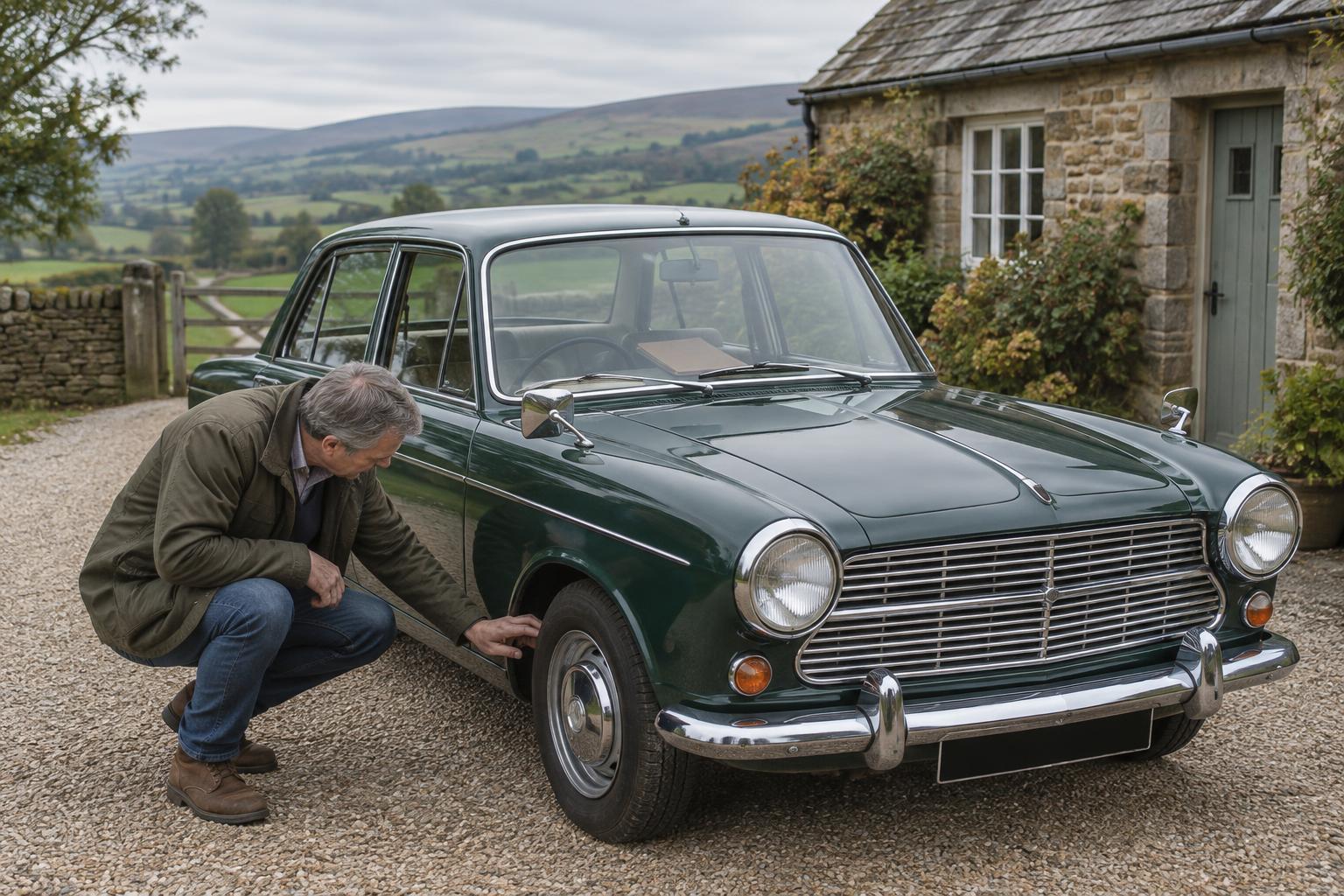
Before setting off, take time to get comfortable. Check the seat position, sightlines, pedal spacing, mirrors and seat belts. Operate the lights, indicators, wipers and horn while stationary, and ask about any switches you do not recognise. Look beneath the parked car for fresh drips, while remembering that a single mark needs investigation rather than an instant diagnosis. Make a note of the odometer reading and any gauges so you can compare them after the drive.
Pay attention to the first few miles
Set off gently and leave extra space until you understand the car's responses. Feel where the clutch engages and whether it takes up smoothly. Work through the gears without forcing the lever. Some older gearboxes require a more deliberate shift than modern units, but persistent grinding, jumping out of gear or a strong whine deserves follow-up. Listen for knocks as you accelerate and lift off, and notice whether the engine pulls steadily once warm.
Try the brakes early at a modest speed in a safe, clear place. The pedal may require more effort than you are used to, particularly on a car without modern assistance, but braking should feel predictable. A pedal that sinks, severe pulling, alarming noises or a marked loss of stopping power are reasons to end the drive safely. Likewise, steering may communicate bumps more directly than a modern car, yet excessive wandering or substantial free play should not be dismissed as character.
Use a varied route, not a strenuous one
A useful route includes a few turns, changes in surface and a steady-speed section, without treating the test drive as a performance test. On a straight road, see whether the car tracks consistently without constant correction. Over ordinary bumps, listen for rattles or clunks and consider whether they come from trim, suspension or something still unknown. Avoid trying to identify every sound while moving; record what you heard and when it occurred.
Watch the instruments as the car warms. The temperature and oil-pressure readings, where fitted, are most useful when considered alongside the seller's explanation and the model's normal behaviour. Notice any warning lights, unusual smells or signs of overheating. When it is safe to stop, check whether the idle remains steady and whether restarting a warm engine is straightforward. Do not continue a drive to gather more evidence if the car appears unsafe or is overheating.
Turn impressions into a buying decision
After parking, write down your observations while they are fresh. Separate what you know from what you suspect: “pulls left when braking” is more useful than “needs new brakes.” Ask the seller about symptoms you noticed and compare the answers with service records or recent work. Also consider the less mechanical questions. Can you see well enough to feel confident? Are the driving position and controls comfortable? Would you be happy taking this car on the journeys you have in mind?
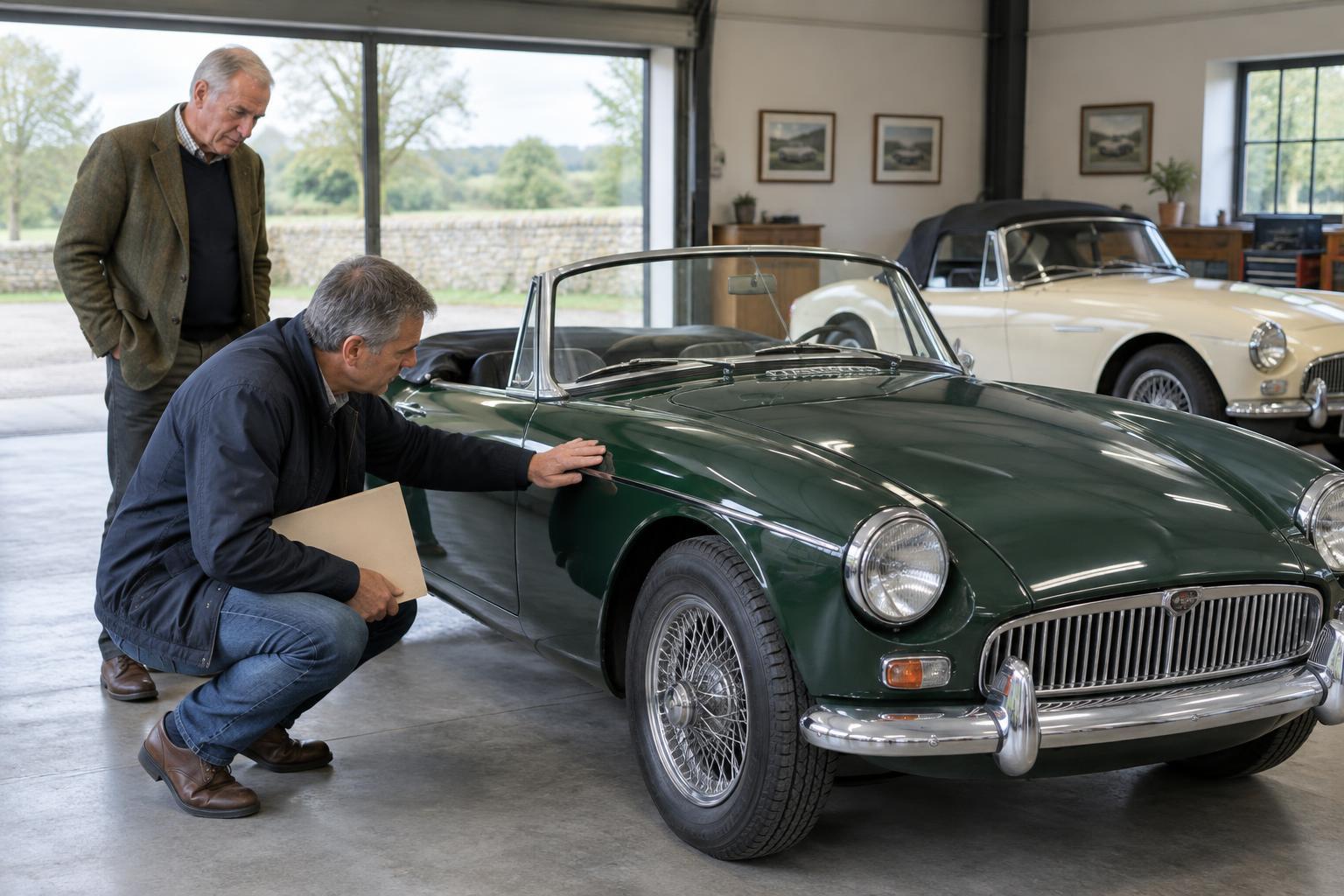
A pleasant drive is encouraging, not proof that the car needs no work. A poor one does not always mean you should walk away, but uncertainty should be reflected in your plans and budget. If you remain interested, arrange an independent inspection by someone familiar with the type before committing. A careful test drive helps you ask better questions; the inspection can help establish what the answers may cost.