Start with the car’s identity and ownership
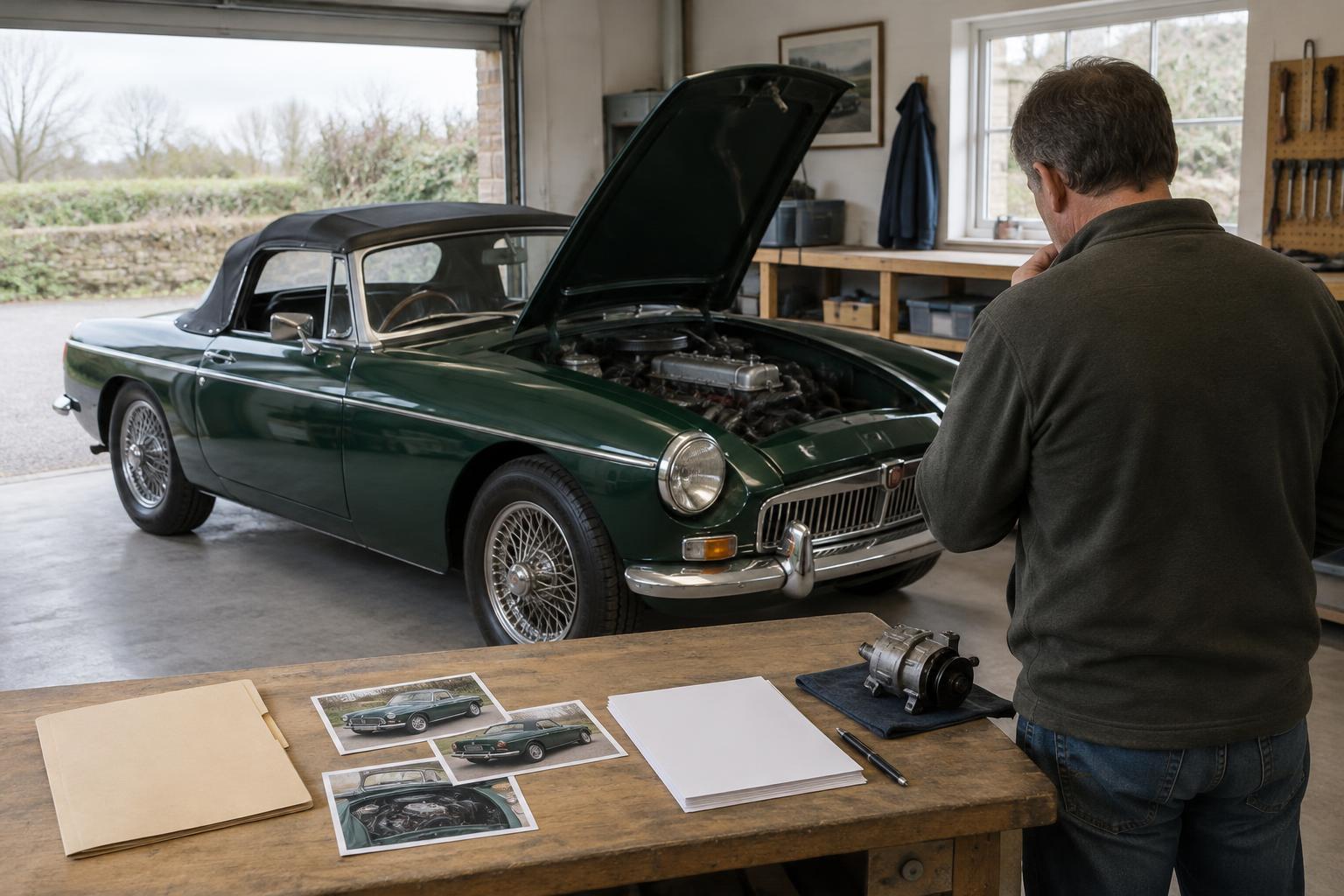
Before paying for a car overseas, establish exactly what you are buying. Check that the chassis or vehicle identification number on the car matches its registration document and any sales paperwork. Ask for clear photographs of identification plates and stamped numbers, as well as copies of the current registration document, purchase invoice and any available history. A gap in the paperwork may be manageable, but it can make a UK registration application slower and less predictable.
Evidence of the car’s age matters too. A foreign registration document may show when the car was first registered rather than when it was manufactured. If those dates differ, seek credible supporting evidence before shipping. Keep records of the seller, purchase price and any work carried out before export. These documents can help both with customs declarations and with establishing the car’s identity when you apply to register it.
Plan shipping and customs before the car moves
Decide who will arrange export paperwork, transport insurance and the UK customs declaration. A shipping company or customs agent can handle parts of the process, but agree their responsibilities in writing. Confirm which port the car will enter, whether it will arrive as a running vehicle or in a container, and when storage charges might begin. It is easier to resolve a missing document while the car is still with the seller than after it has reached a port.
Import charges depend on the car’s circumstances, including where it comes from, its customs value and how it qualifies under the applicable rules. An older vehicle is not automatically free of duty or VAT. Some cars may qualify for treatment as collectors’ items, but age alone is not enough to assume eligibility; condition and originality can matter. If a relief or preferential treatment appears relevant, check its requirements before declaring the vehicle rather than budgeting on the assumption that it will apply.
Northern Ireland can involve different customs and tax considerations from Great Britain, particularly when a vehicle moves through or from the EU. If the route is unusual, or the car has already been imported into another country, clarify its status with HMRC or a qualified customs agent before committing to a shipping plan.
Notify HMRC and keep proof of the outcome
An imported vehicle generally needs to be notified to HMRC through the Notification of Vehicle Arrivals process, usually called NOVA, before it can be registered with the DVLA. NOVA is separate from any customs declaration and from the DVLA registration application. Depending on how the car arrives, an agent may make the notification for you; confirm that this has been done and retain the reference or confirmation.
Check the applicable notification deadline for your circumstances and allow time to correct discrepancies. A chassis number entered differently across customs, NOVA and registration documents can hold up an application. Keep copies of declarations and evidence that any tax due has been dealt with. Even where no additional payment is due, the registration process still needs the appropriate HMRC record.
Prepare the DVLA registration application
Once the car is in the UK and its HMRC status is settled, gather the documents needed to apply for a registration number. A used imported car will generally require the relevant DVLA application form, proof of identity and address, evidence of the vehicle’s age, its foreign registration document where available, and any inspection or approval paperwork required for that vehicle. Follow the current DVLA guidance for the exact form, fee and supporting documents rather than relying on an old checklist.
Vehicle approval requirements vary with age and specification; an older classic may be exempt from an approval process that applies to a newer import. Similarly, do not assume that a car qualifies for the historic vehicle tax class or an MOT exemption simply because it looks old. Those rules have their own conditions, and an MOT-exempt car must still be roadworthy. Arrange insurance on the vehicle identification number if needed while waiting for a UK registration, but do not use the car on public roads until you have confirmed that it is legal to do so.
Good age and identity evidence improves the prospect of an appropriate age-related registration. If the evidence is insufficient, the DVLA may ask for more information, inspect the car or issue a different type of registration. Build that possibility into your plans, especially if a particular registration is important to you.
Budget for the whole journey, not just the purchase
A realistic import budget includes collection, shipping, insurance, port and agent charges, possible duty and VAT, registration costs and any work needed to make the car roadworthy. Leave room for delays and for repairs that only become apparent after delivery. Before committing, compare the total with the cost of a similar car already registered in the UK.
Finally, keep one organised file containing the sales agreement, payment record, shipping documents, customs paperwork, NOVA confirmation, age evidence and DVLA correspondence. Importing a classic is a series of linked steps rather than a single form. Clear records make each step easier to explain and give the car’s next keeper a stronger account of its history.