Treat a modification as a conversation to have early
Classic cars rarely stay exactly as they left the factory. Owners fit replacement parts, improve lighting, change wheels or rebuild mechanical components to keep a car usable. Not every repair is a modification, but the distinction may depend on what was fitted and how an insurer describes the car on its policy. If you are unsure, asking is safer than assuming a change is too small to mention.
The best time to contact your insurer is before committing to a proposed alteration. Describe what you plan to change, why, and which parts you intend to use. Ask whether the work is acceptable under your existing policy, whether cover or agreed value needs reviewing, and what evidence the insurer wants once the job is complete. Get the answer recorded in writing where possible. A telephone discussion is useful, but a clear policy endorsement or written confirmation is easier to refer to later.
If work has already been done, tell the insurer promptly rather than waiting for renewal. Avoid assuming that a modification is covered simply because the car still drives in much the same way. Policy terms vary, and an insurer may view a change differently from an owner.
Look beyond performance upgrades
An engine swap is an obvious reason to call, but other changes can affect how a classic is described or assessed. Examples include altered suspension or brakes, different wheel sizes, a change of body style, added seats or restraints, and substantial changes to the electrical system. A period-style accessory can still be a modification if it changes the car from the specification the insurer has on record.
Distinguish like-for-like maintenance from a change in specification, while recognising that the boundary is not always tidy on older cars. Replacing a worn component with an equivalent part is different from fitting a redesigned system. If a restoration includes several small upgrades, provide the insurer with a single, accurate list rather than relying on a broad description such as “restored”. Mention work carried out by previous owners if you know about it, particularly when it is visible or described in the paperwork.
Value matters too. A costly restoration does not automatically change an agreed value or the amount payable under a policy. If the work materially affects what the car is worth to replace or repair, ask how to request a review and what photographs, receipts or valuation documents may be needed.
Check whether the registration details still match the car
Insurance records and vehicle registration records serve different purposes. In the UK, the V5C registration certificate records key vehicle details; it is not a certificate of mechanical condition or proof of ownership. After substantial work, compare the finished car with the information shown on its V5C. Changes to recorded particulars, such as engine or colour details, may need to be reported to the DVLA with supporting evidence. Requirements depend on the nature of the change, so check the current official guidance for the alteration you have made rather than relying on a rule of thumb.
Some projects go well beyond updating a single recorded detail. A different chassis, extensive reconstruction or a combination of major components can raise questions about the vehicle’s identity and registration. Plan for those questions before dismantling the car or buying major donor parts. Keep identifying numbers legible and retain evidence of where components came from. If the paperwork and the vehicle do not appear to agree, resolve the discrepancy before presenting the car as ready for regular use.
Build a simple record of the work
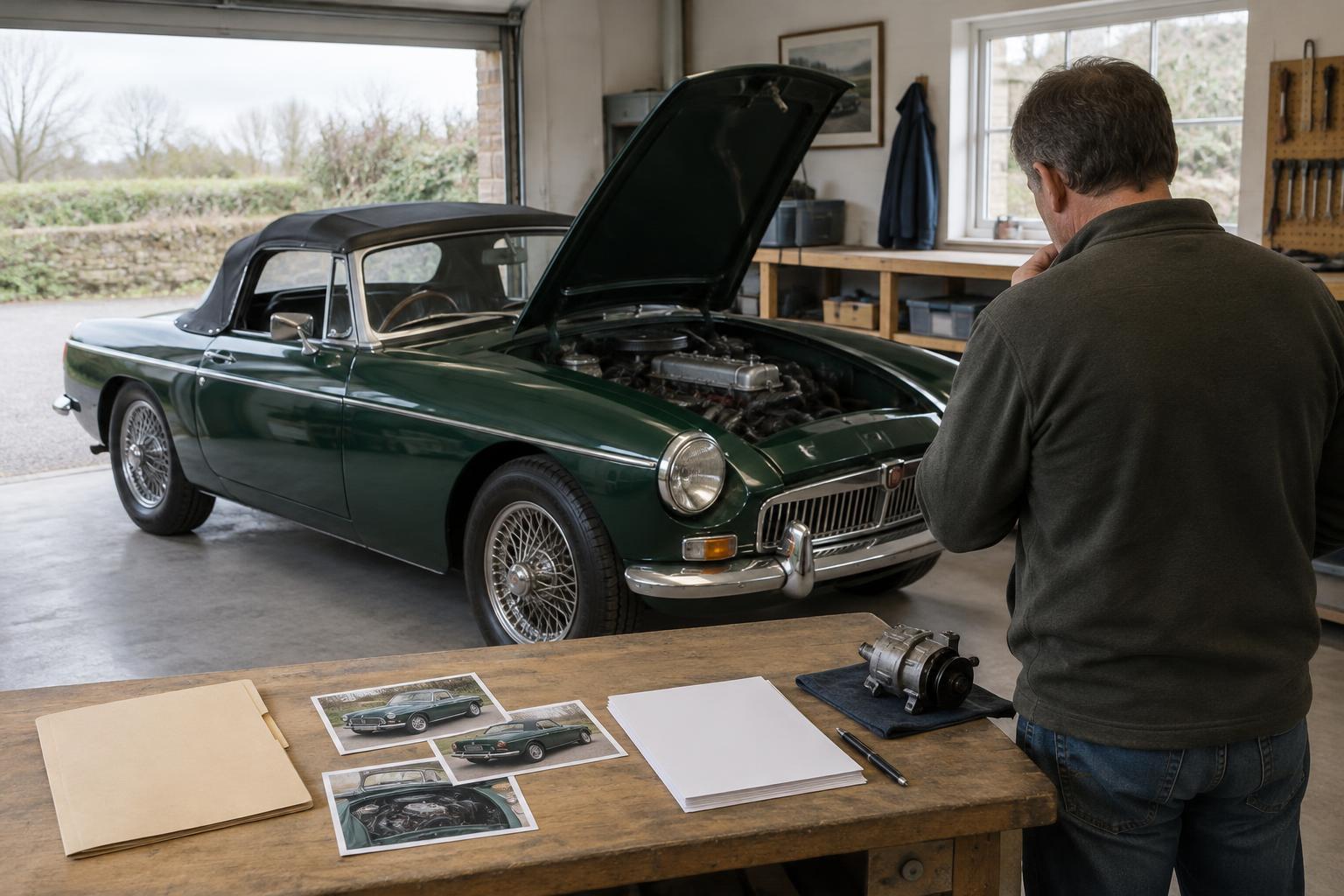
Good records make conversations with an insurer, a registration authority and a future buyer more straightforward. Keep dated photographs from before, during and after the job; invoices for parts and labour; relevant specifications; and any inspection or testing paperwork. Note the car’s registration, the components changed and the date the work was completed. Store copies of insurance correspondence alongside the policy documents, rather than relying on memory at the next renewal.
Before driving, confirm that any requested policy update has been completed and check whether the finished work has other implications for road use, inspection or the car’s existing status. Registration changes and insurance notifications are separate tasks: completing one does not automatically complete the other. If you are uncertain about a specific requirement, ask the insurer and consult the relevant official vehicle-record guidance. A short pause to clarify the paperwork is usually easier than trying to reconstruct a modification’s history years later.