When the journey became part of the day
A drive through Britain has seldom been only about reaching the destination. A promising view, a village high street or a café beside the road can turn a necessary pause into a memorable part of the outing. For motorists in earlier decades, stopping also answered practical needs: drivers and passengers wanted food, warmth, directions and a break from the demands of the road. Those needs created places where people who might otherwise never meet shared a table or a conversation.
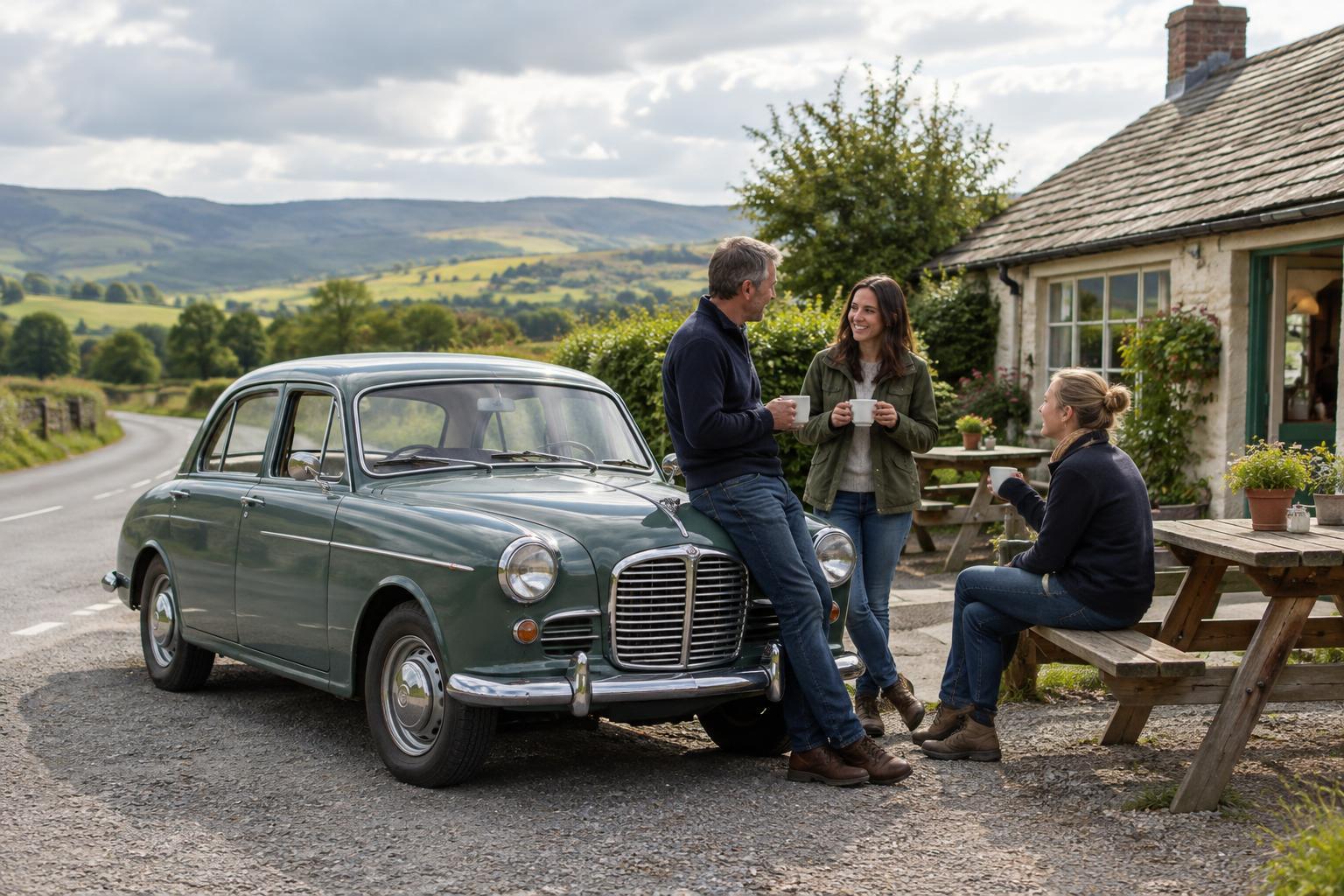
Roadside cafés became familiar landmarks for many kinds of travellers, not just leisure drivers. A café that welcomed passing trade might serve someone making a delivery, a family on holiday and a group out for a Sunday run. The mix gave these places a character distinct from a destination restaurant. You did not need a reservation or a special occasion; the journey itself was reason enough to pull in.
A place to exchange more than directions
Before a route could be checked on a phone, a stop offered a chance to study a map and ask about a turning, a road closure or a good way through the next town. Local knowledge could be as welcome as a hot drink. Not every tip would be reliable, of course, but the exchange made travel feel less anonymous. A driver could arrive as a stranger and leave with a suggested route or a place to visit.
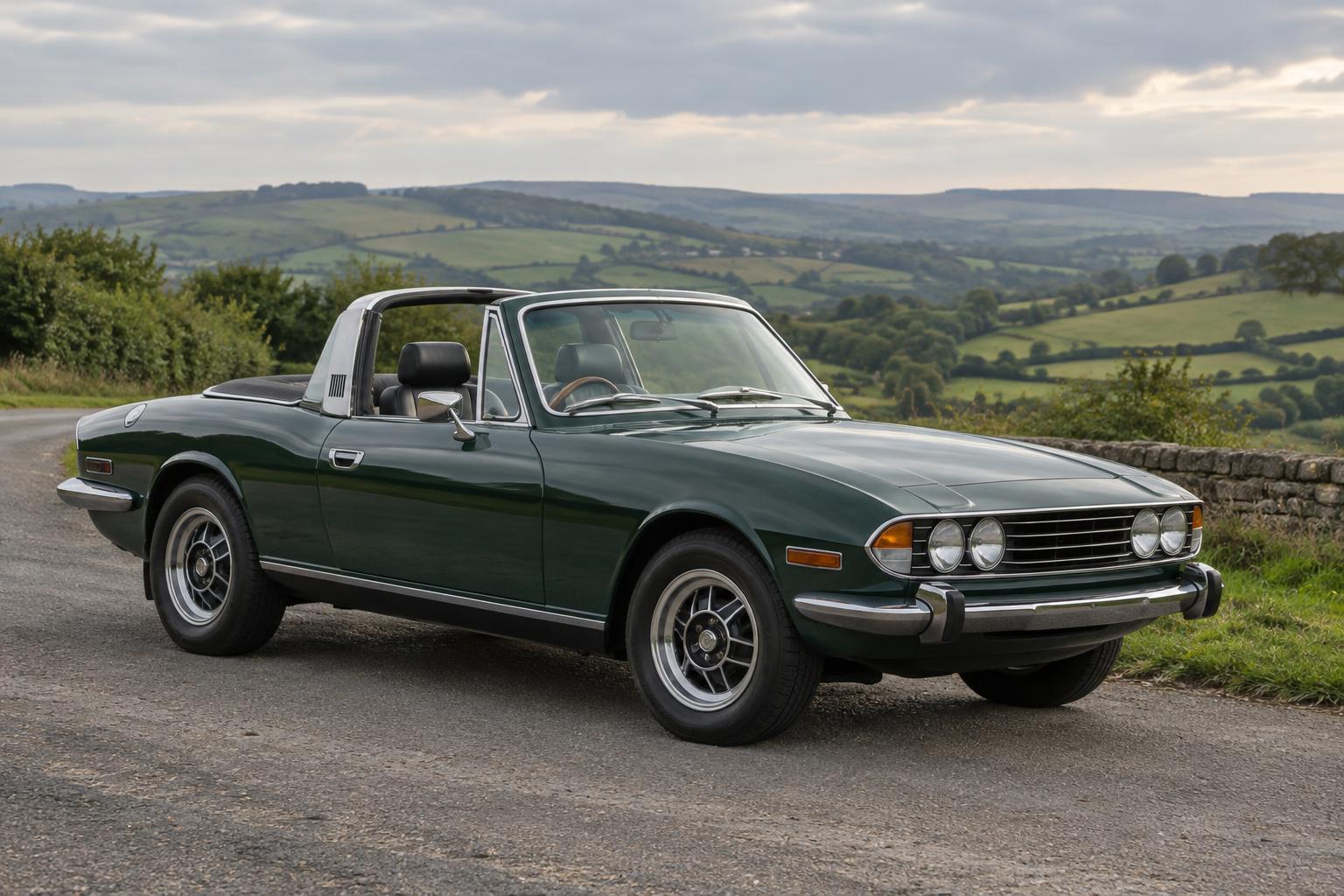
For classic-car enthusiasts, that social role remains easy to recognise. A parked older car may prompt someone to recall a family journey or ask what it is like to drive. Fellow owners might compare routes, discuss a minor rattle or admire one another’s cars over tea. These are informal encounters, not a substitute for careful maintenance or preparation, but they help turn individual drives into a shared motoring culture.
The stop helped shape the route
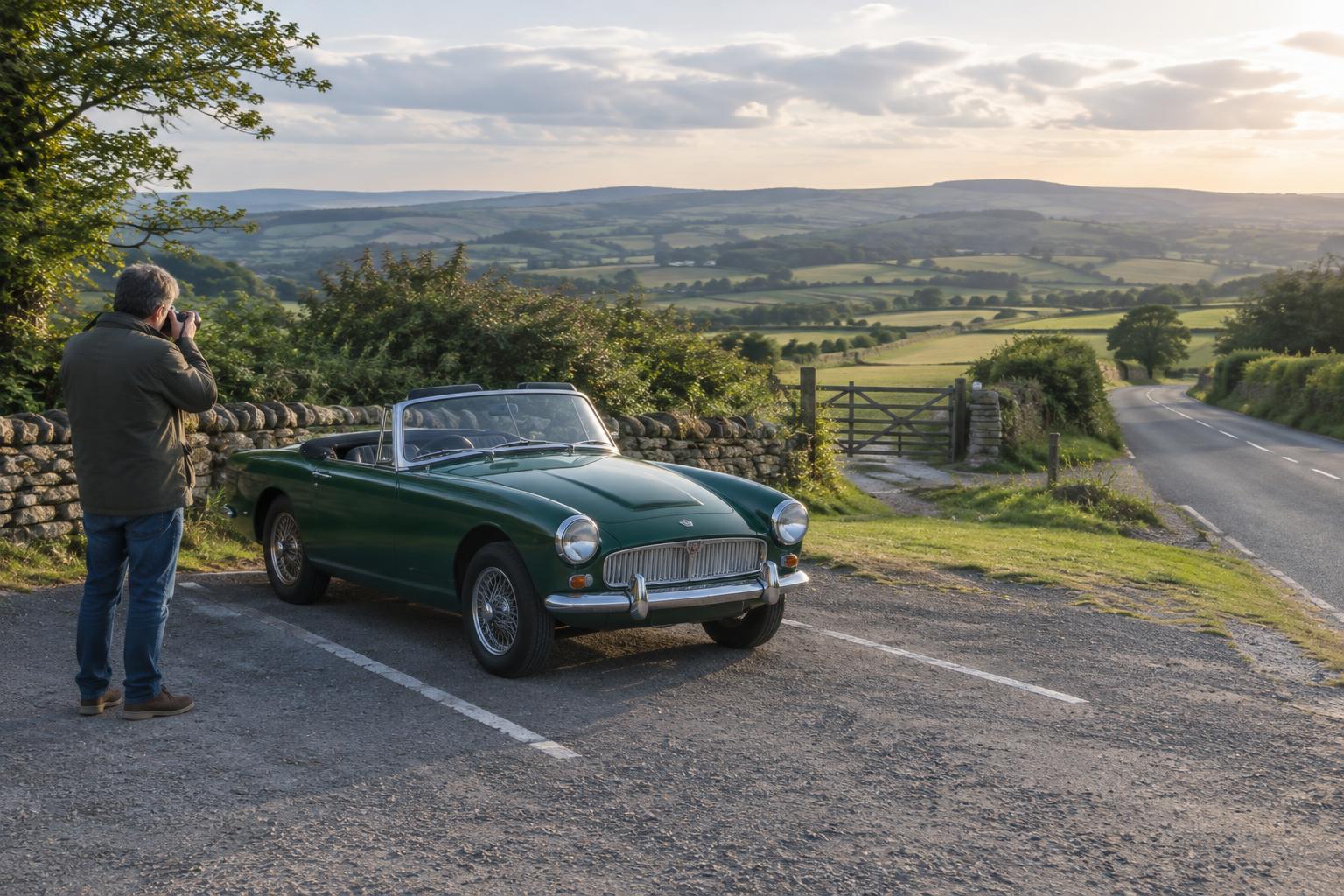
Stopping places also influenced how people planned a day out. A driver might choose a road for its scenery, then look for somewhere convenient to pause before the return leg. A familiar café could become the meeting point for friends arriving from different directions, while a viewpoint or village square might provide a natural place to regroup. In that sense, the route was not simply a line between two addresses. It was a sequence of places worth experiencing.
That approach suits many classic cars. A leisurely itinerary leaves time to enjoy the vehicle without treating every mile as a test of speed or endurance. It also gives the driver opportunities to notice whether the car feels as expected. A pause can be useful for checking the route, stretching your legs and making an ordinary visual check of the vehicle before setting off again.
Not every stopping place was the same
The roadside café is only one part of the story. Inns, village shops, picnic spots, car parks and lay-bys have all offered different kinds of pause. Some are places to talk; others are valuable because they provide quiet, shelter or a view. Their usefulness depends on the road, the weather and the people travelling. A family with children may welcome facilities, while a small touring group may prefer a short stop where everyone can park safely together.
Good stops also require consideration for the people who live and work nearby. Parking should be permitted and should not block access, and a busy café needs space for its regular customers as well as visiting enthusiasts. A group of classic cars can be an appealing sight, but arriving without warning or occupying every available space may make the visit less pleasant for others.
Keeping the tradition alive on a modern tour
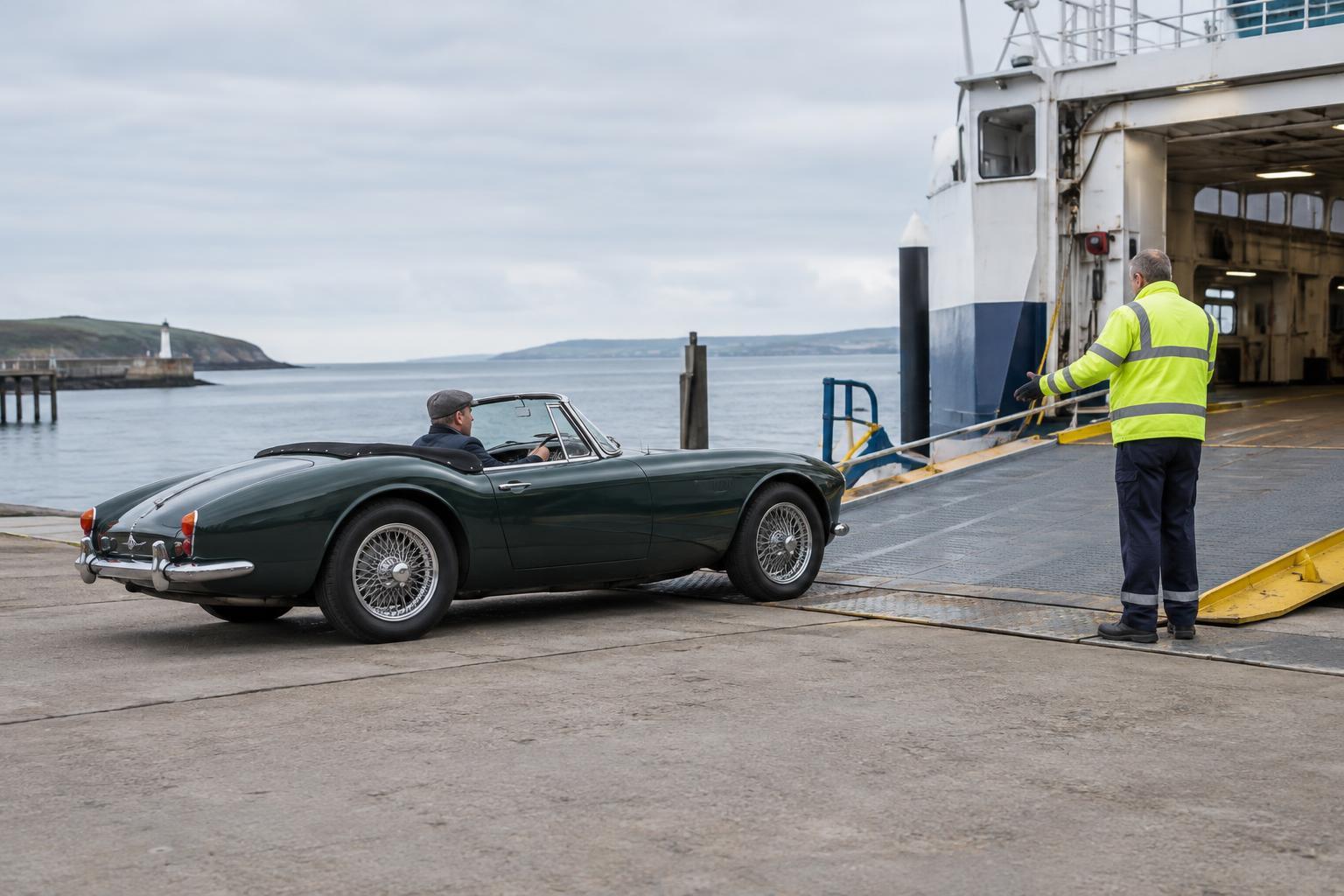
To build stops into a classic-car outing, begin with a manageable route rather than a long list of destinations. Allow time for slower roads and unexpected pauses. Identify a few possible stopping places, including an alternative if your first choice is full or closed; facilities and opening arrangements can change. If several cars are travelling together, agree where to meet after a missed turning instead of expecting everyone to stay in a tight convoy.
Above all, leave room for the unplanned conversation. The enduring appeal of the roadside stop lies in its modest scale: a chance to sit down, look at the map, talk about the road just travelled and decide what comes next. The café does not have to be famous, and the car does not have to be rare. Sometimes the most satisfying part of a motoring day is the pause that lets everyone enjoy having made the journey.