Agree the handover before sending money
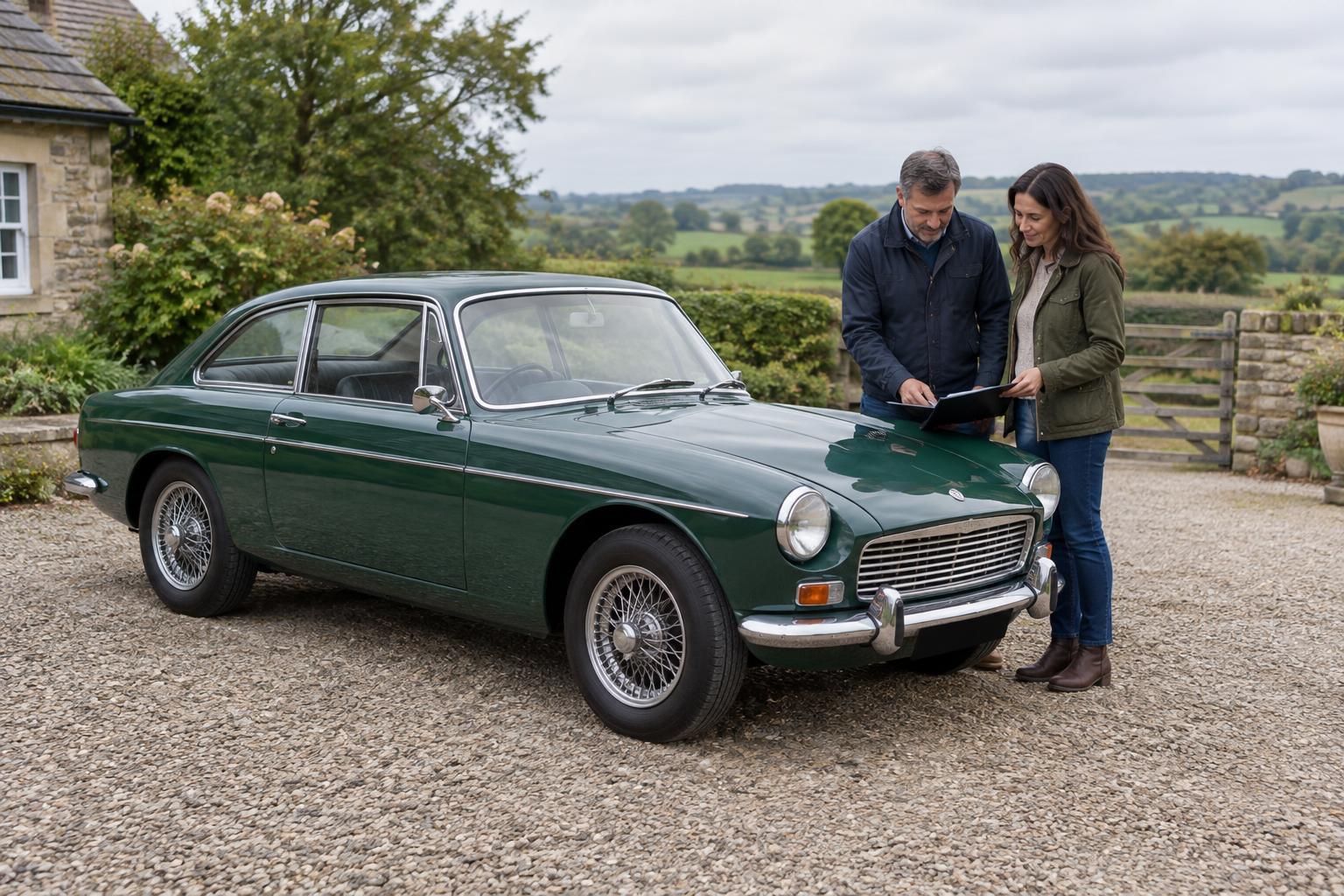
Whether you are buying a small British roadster or a long-restored saloon, treat payment and collection as one planned event. Before travelling, agree the price, payment method, collection location and what is included. Ask whether spare parts, tools, a hardtop or original components are part of the sale. If anything important was promised in conversation, put it in writing so both parties have the same understanding.
If you pay a deposit, record its amount, purpose and the conditions under which it would be returned. Avoid sending a substantial sum simply to hold a car you have not seen. Allow enough time at collection to inspect the vehicle again in daylight, rather than arranging a hurried exchange at the end of a long journey.
Check the car, seller and paperwork together
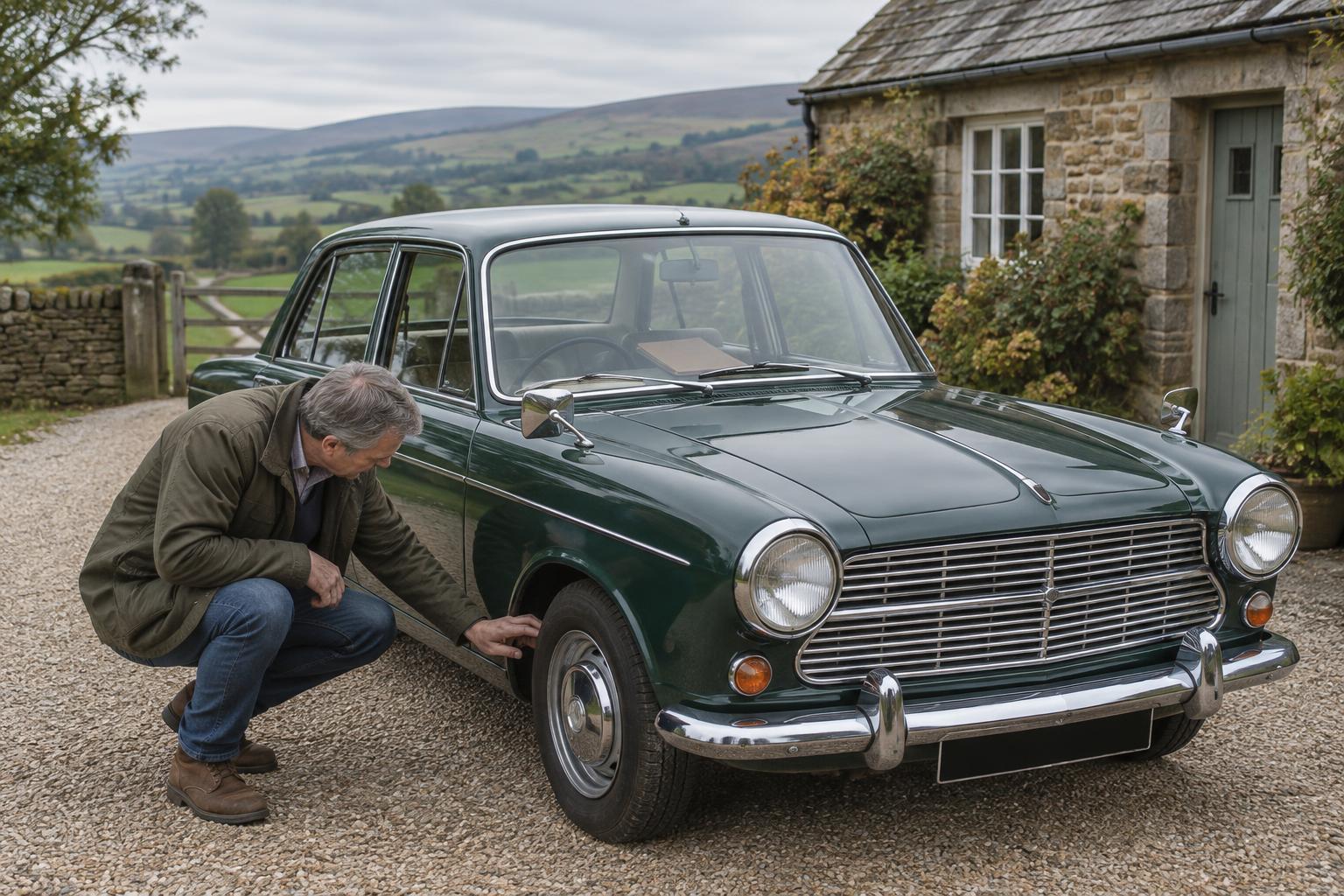
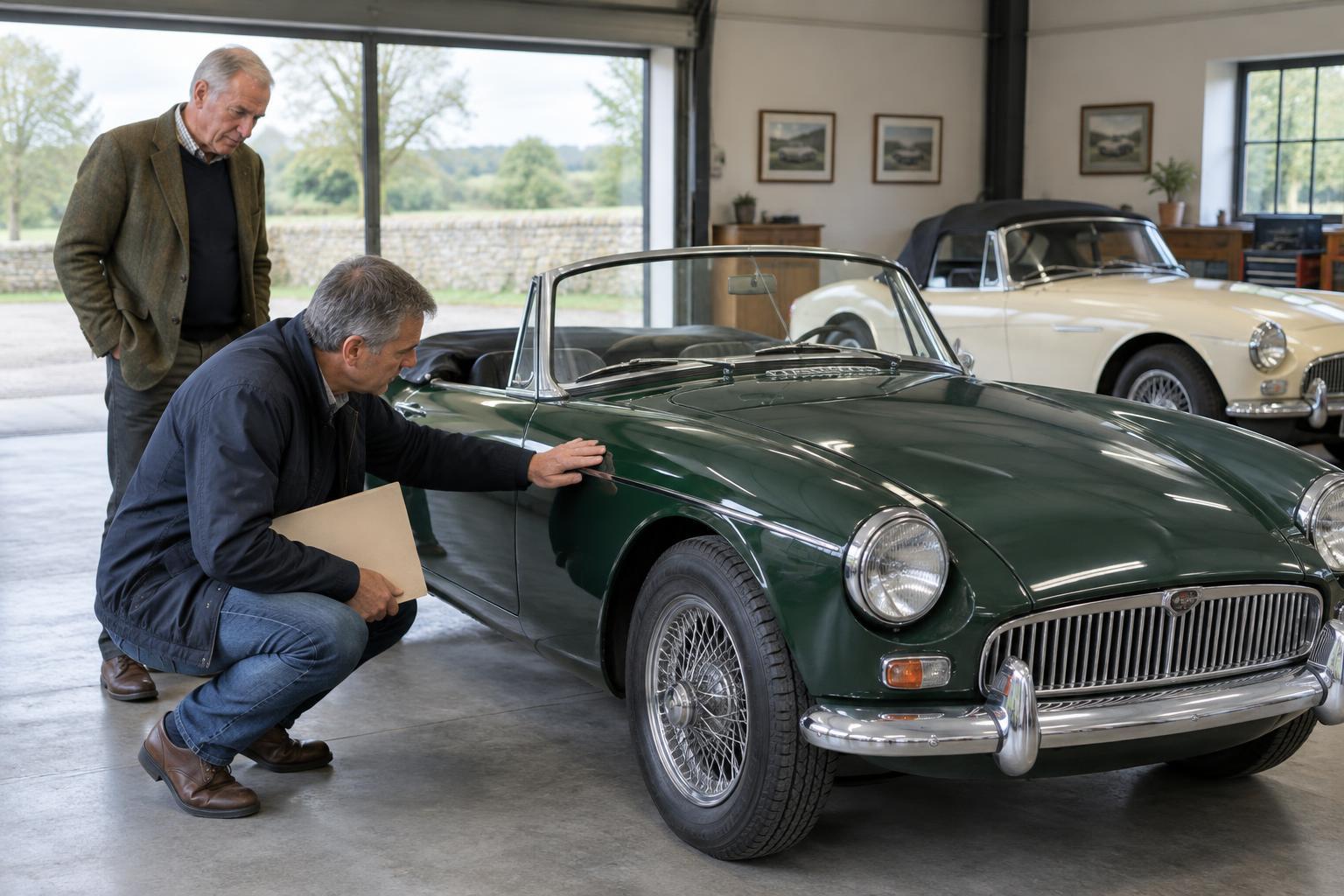
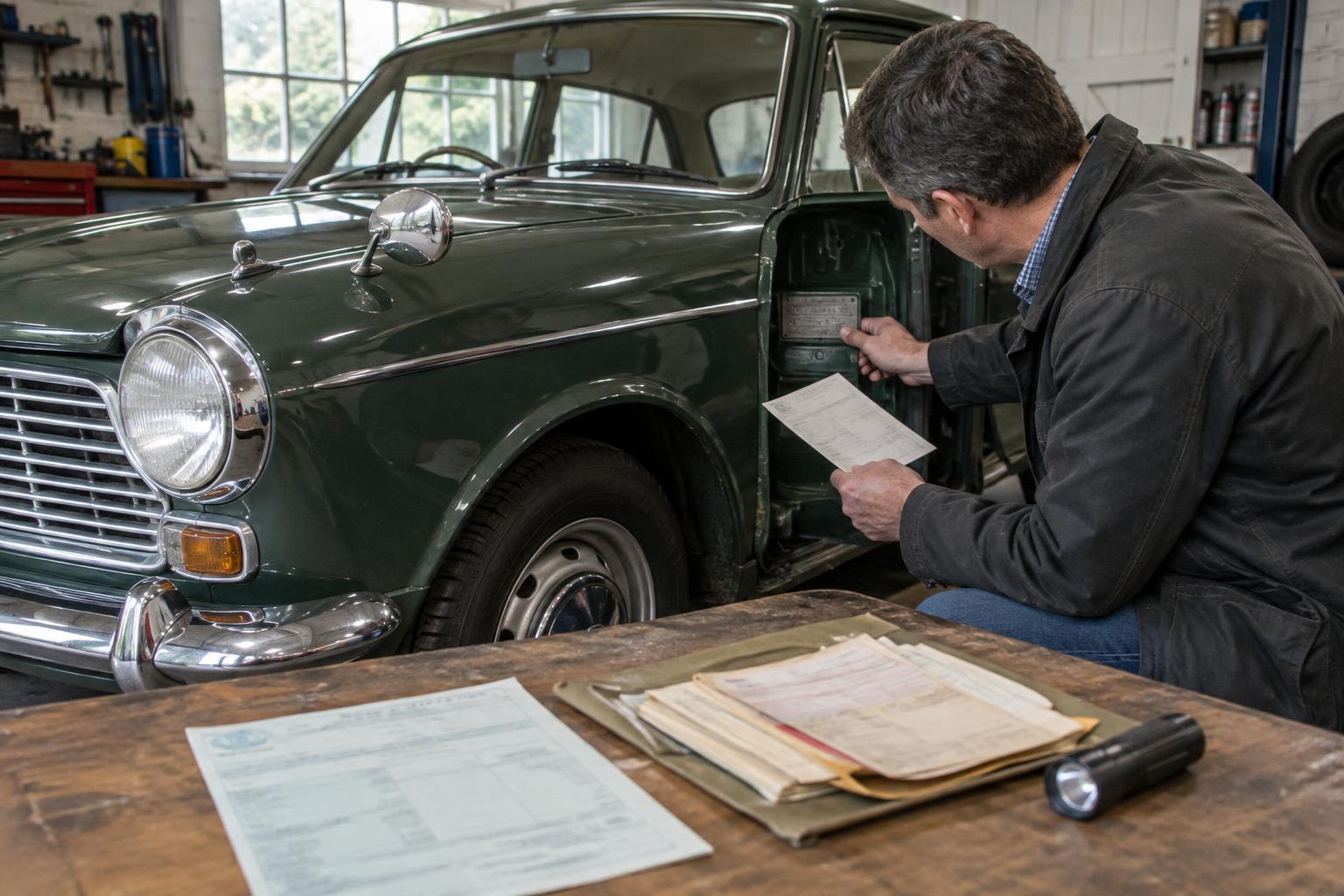
At the handover, compare the car with the description you relied on when agreeing the price. Look at its condition, included equipment and identifying numbers, and make sure the seller can explain any differences. On an older car, identification plates and records may reflect repairs or a complex history; an inconsistency deserves a clear explanation before you pay, not an assumption that it is harmless.
For a UK-registered car, check that the registration details and vehicle identification information align with the car and its V5C registration certificate. The V5C records the registered keeper; it is not, by itself, proof of ownership. Ask to see relevant service, restoration and inspection records if they influenced your decision. Where appropriate, consider a vehicle-history or finance check, while recognising that no single document or check can establish every part of a classic car’s past.
Choose a payment method you can verify
Agree in advance how the balance will be paid and when the keys and documents will be released. A bank transfer can be convenient, but confirm the recipient’s details directly with the seller using a contact method you trust. Be especially cautious if account details change at the last moment or arrive in a forwarded message. Check payment limits and likely processing times with your bank before collection day.
A screenshot or message saying a payment was sent is not the same as cleared funds. The seller should verify receipt in their own account before releasing the car; the buyer should confirm that they are paying the intended recipient. Cash may seem straightforward, but carrying a large amount creates security and counting problems. Whatever method you choose, avoid pressure to complete a transaction when a payment, identity or vehicle detail does not make sense.
Make a clear record of the exchange
Prepare a simple sale receipt for both parties. It can record the date and time, names, vehicle registration and identification number, agreed price, amount received, payment method and items supplied with the car. Note any specific terms you have agreed, such as a remaining balance or a part to be forwarded later. Read it together before signing, and keep your copy with the car’s records.
Collect every key and the documents the seller has agreed to provide, including any history file, manuals and receipts. For a UK registration, follow the applicable keeper-change process promptly and make sure the buyer receives the details needed to complete their side. Requirements differ by location and can change, so check the relevant official guidance rather than relying on an old form or a previous seller’s recollection.
Plan the first journey as carefully as the purchase
Owning the car and being ready to drive it away are separate matters. Arrange appropriate insurance before using it on the road, and check the current requirements for tax, roadworthiness testing and other obligations that apply to that vehicle. An exemption from a particular test, where available, should not be mistaken for evidence that a car is safe to drive.
Before setting off, check tyres, lights, fluid levels and visible leaks, and ask the seller about starting procedures or known quirks. An unfamiliar classic may behave differently from a modern car even when well maintained. If its condition is uncertain, arrange suitable transport instead of treating the trip home as a test drive. A calm, documented handover leaves you better placed to enjoy the car—and to understand exactly what you bought.