Choose a route that suits the car and the place
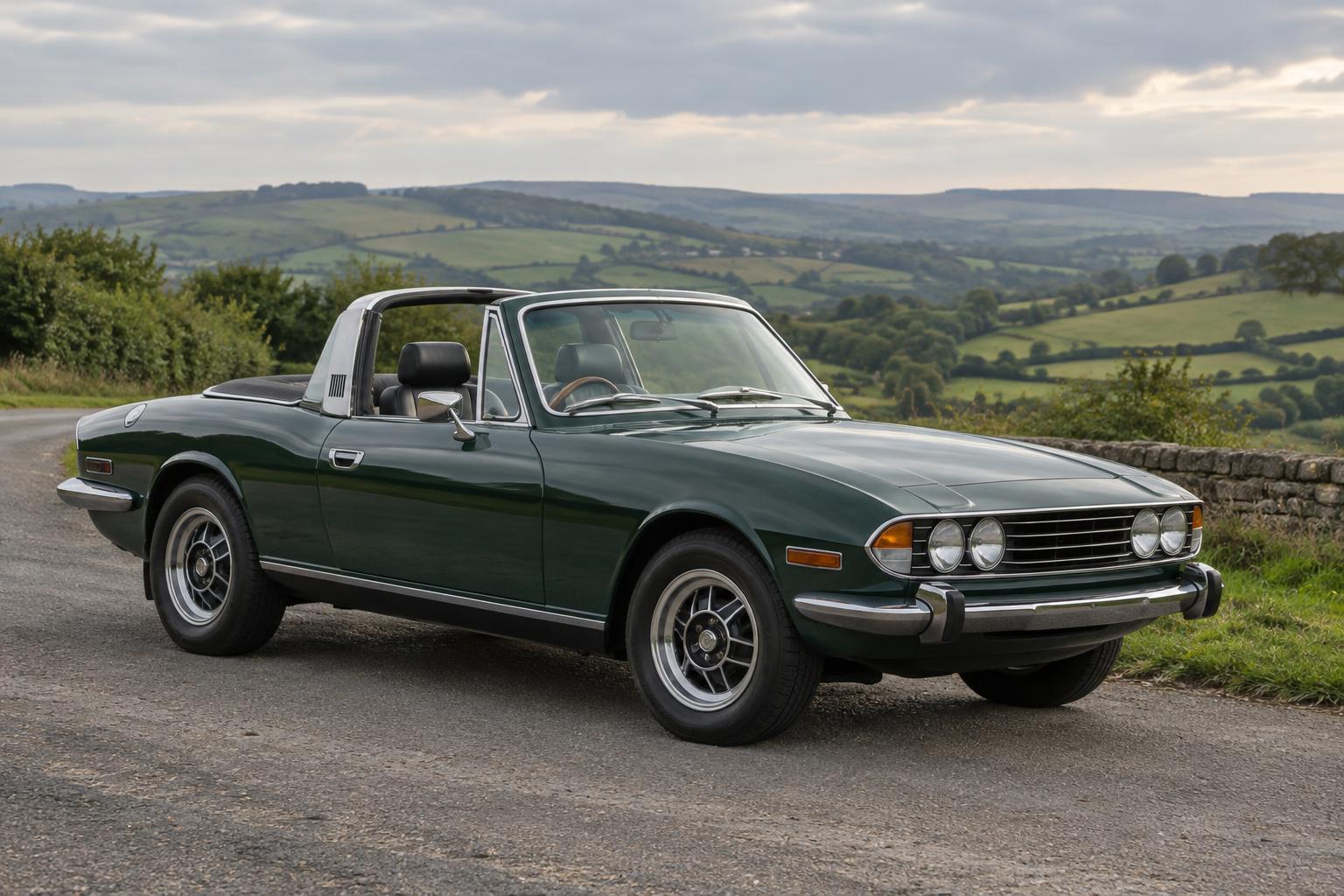
A good classic-car tour is not a contest to cover the most miles. In national parks and other protected landscapes, a shorter route with time to stop often makes for a better day. Start with a manageable distance, then identify places where you can take a break, eat, refuel and turn back if the weather or the car changes your plans.
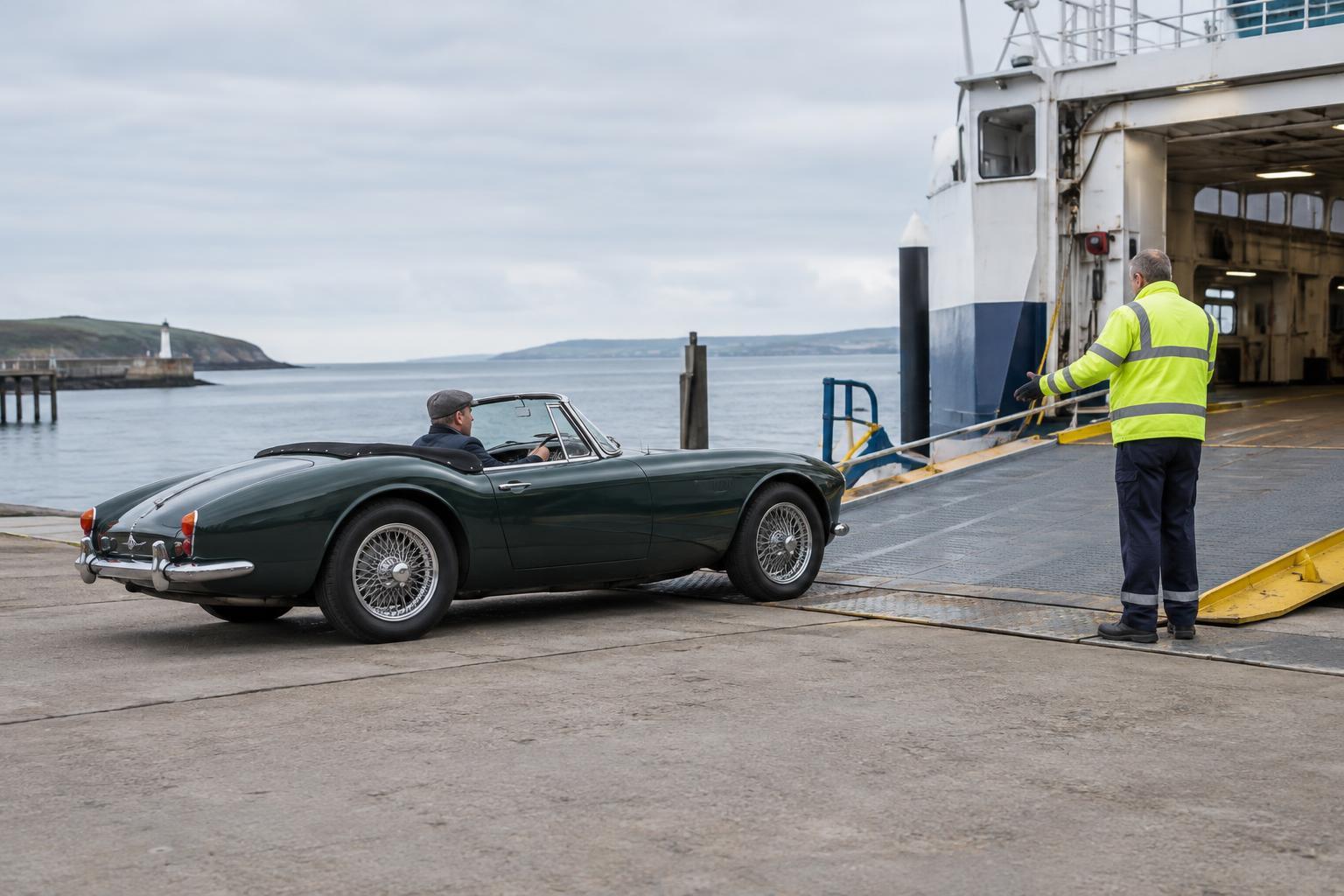
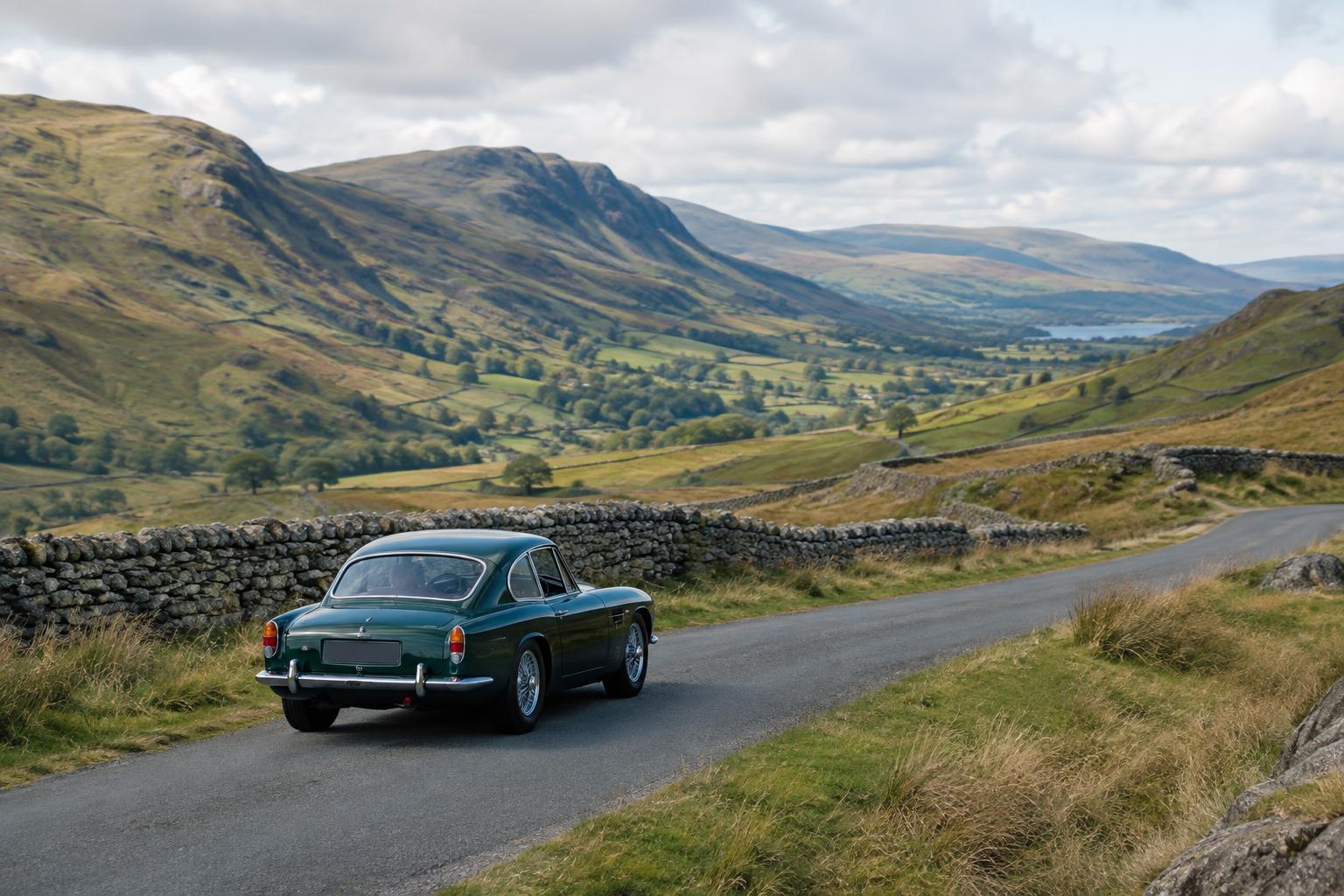
Choose roads with your car’s cooling, gearing and ground clearance in mind. A narrow lane may look inviting on a map but offer few passing places; a steep climb may demand more from an older engine than you expect. Check local visitor information and any access notices before setting out, especially if you plan to use a remote road or visit a busy viewpoint. Keep an alternative route ready rather than relying on a single crossing or car park.
Prepare for the journey, not just the destination
Routine checks are particularly valuable before a day in a classic car. Look at tyre condition and pressures, fluid levels, lights, wipers and the condition of visible hoses and belts. Make sure the spare wheel and tools you intend to rely on are usable. If a fault has already been giving you trouble, a scenic route with long gaps between services is unlikely to make it easier to manage.
Pack for both the occupants and the car: water, suitable clothing, a charged phone, a paper map or downloaded directions, and any model-specific essentials you normally carry. Tell someone your broad plan if you will be travelling through quiet areas. Allow generous time so that a missed turning, a slow vehicle ahead or a cooling stop does not become a reason to rush.
Drive in a way that lets others enjoy the landscape
Protected landscapes are places where people live and work, as well as places to visit. Expect walkers, cyclists, livestock, farm vehicles and other drivers around bends or on narrow roads. Leave space, use passing places courteously and avoid treating an empty-looking road as a private driving route. If traffic builds behind you, look for a safe, appropriate place to let it pass.
Sound is part of the experience for everyone nearby. An older engine may be one of the pleasures of the trip, but unnecessary revving and prolonged idling can be intrusive at villages, trailheads and viewpoints. Drive smoothly, particularly early or late in the day, and follow signs and local guidance for parking and access. If a lane or stopping place appears unsuitable, move on rather than forcing the itinerary.
Make stops part of the plan
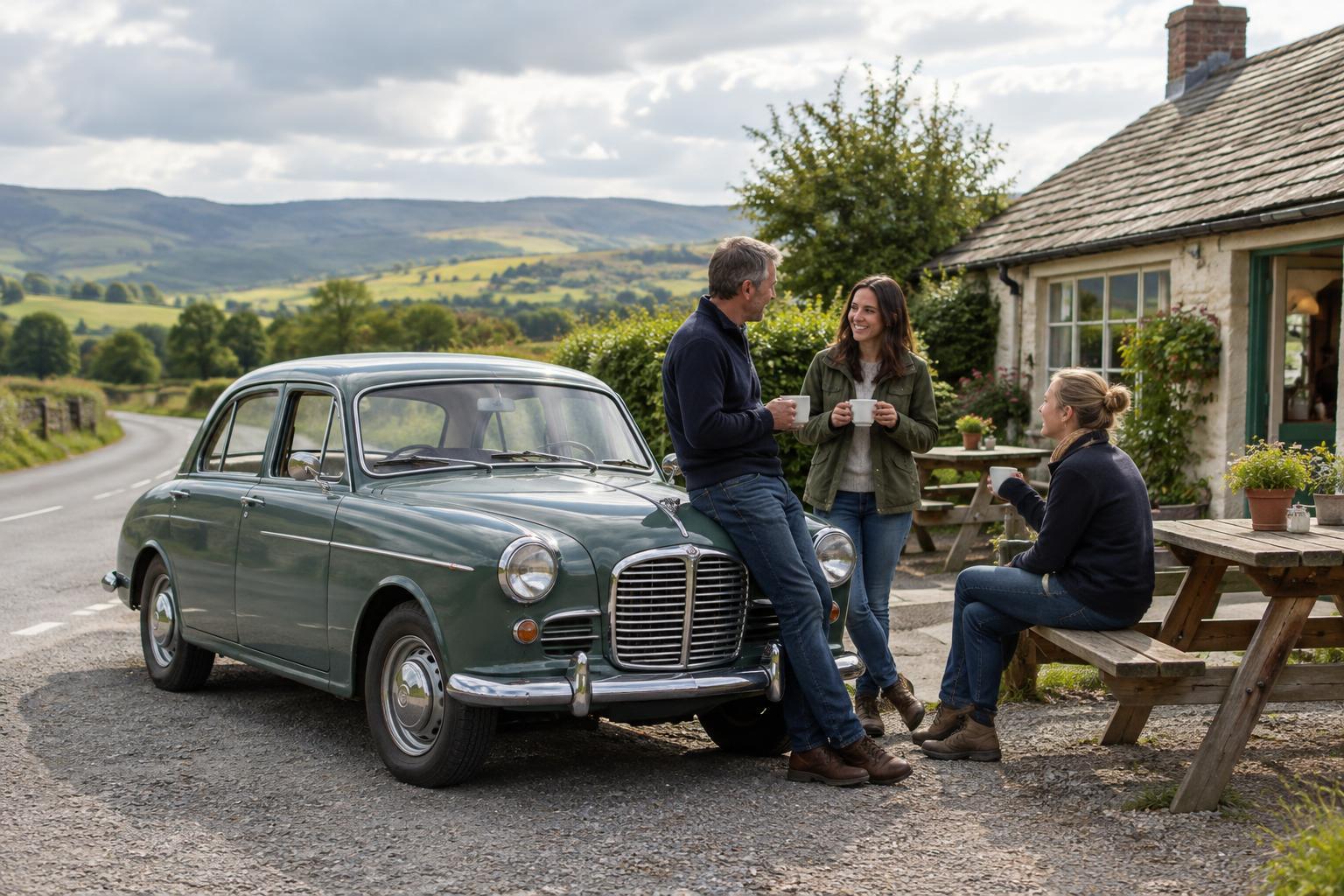
The best stops give both the driver and the car a rest. Choose established parking areas where the vehicle can be left without blocking gates, passing places, entrances or emergency access. A photograph is rarely worth stopping where visibility is poor or the verge is soft. If a car park is full, use the next suitable option instead of making an informal space.
Take care of the ground around the car as well as the car itself. Deal with any leak or spill you notice, and take litter home or use the facilities provided. When visiting a café, village or attraction, be mindful that space may be limited for residents and other visitors. A modest schedule leaves room to explore on foot without turning every pause into a hurried roadside stop.
Leave room for a change of plan
Weather, traffic and mechanical issues can alter even a carefully planned tour. Set a point at which you will shorten the route or head home, and do not feel obliged to reach every viewpoint. If the car begins to overheat or behave unusually, find a safe place to stop and assess it rather than pressing on to meet a timetable.
Responsible touring is largely a matter of small decisions: choosing a suitable road, parking properly, keeping noise down and giving other people space. Those choices help preserve the pleasure of travelling through a remarkable landscape in a classic car, while respecting the people and places that make the journey worthwhile.