Plan for comfort, not the last drop
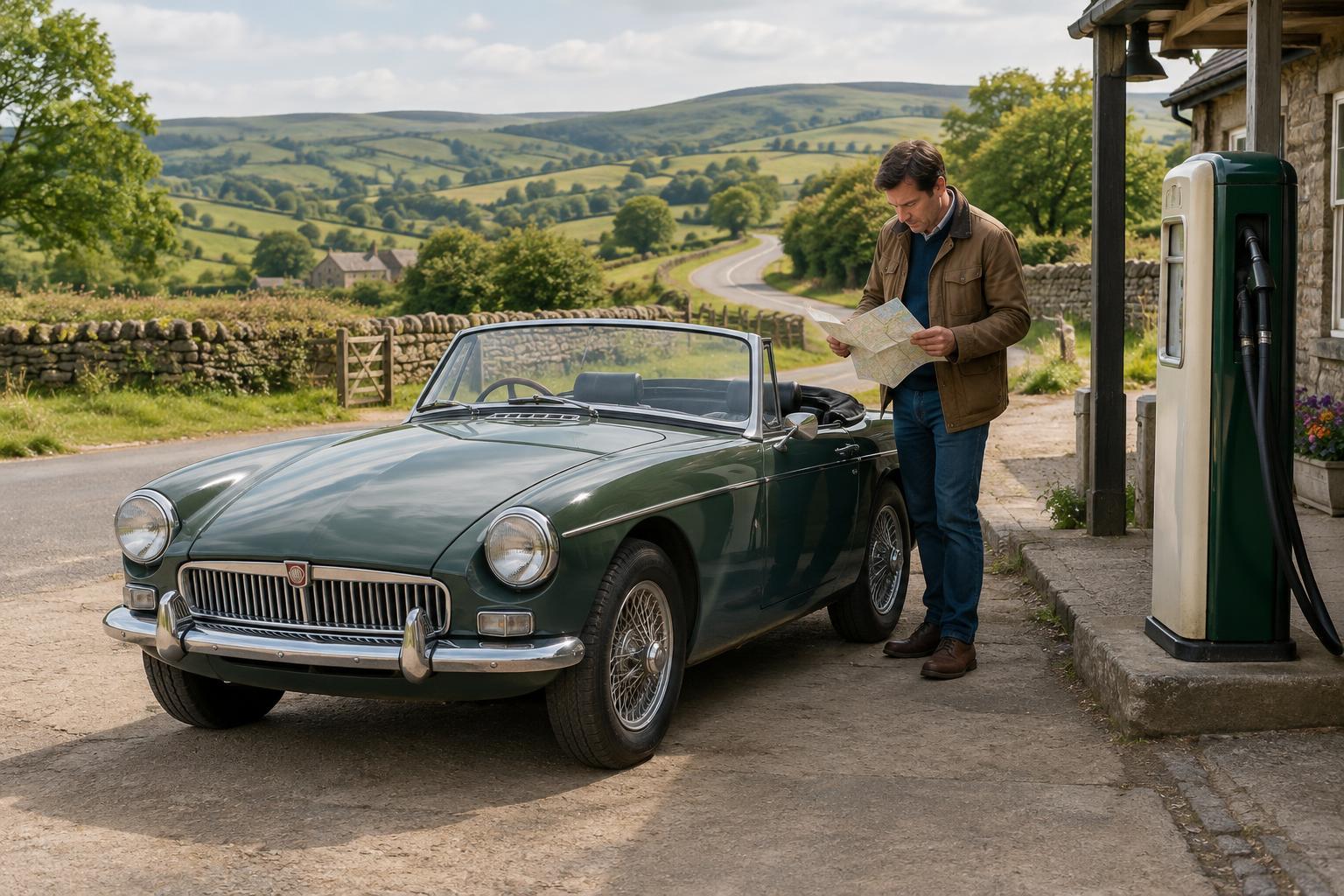
Fuel stops are part of the rhythm of a classic-car tour. They offer a chance to stretch, check the car and enjoy a village or roadside café. With a small tank, however, a route that looks easy on a map can become uncomfortable if the next pump is farther away than expected. The aim is not to extract the greatest possible distance from every fill. It is to reach each stop with enough fuel to cope with a diversion, a missed turning or a station that is shut.
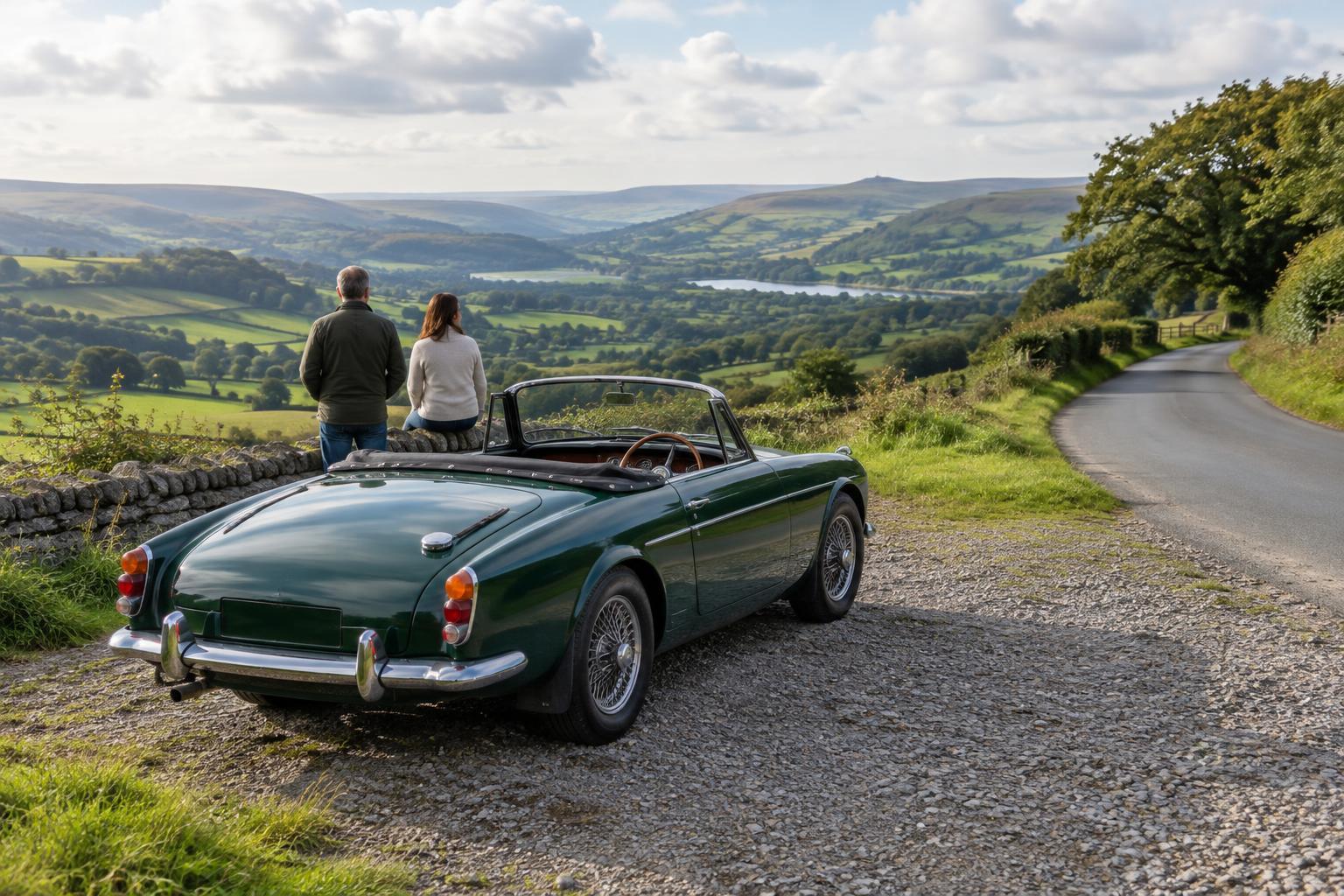
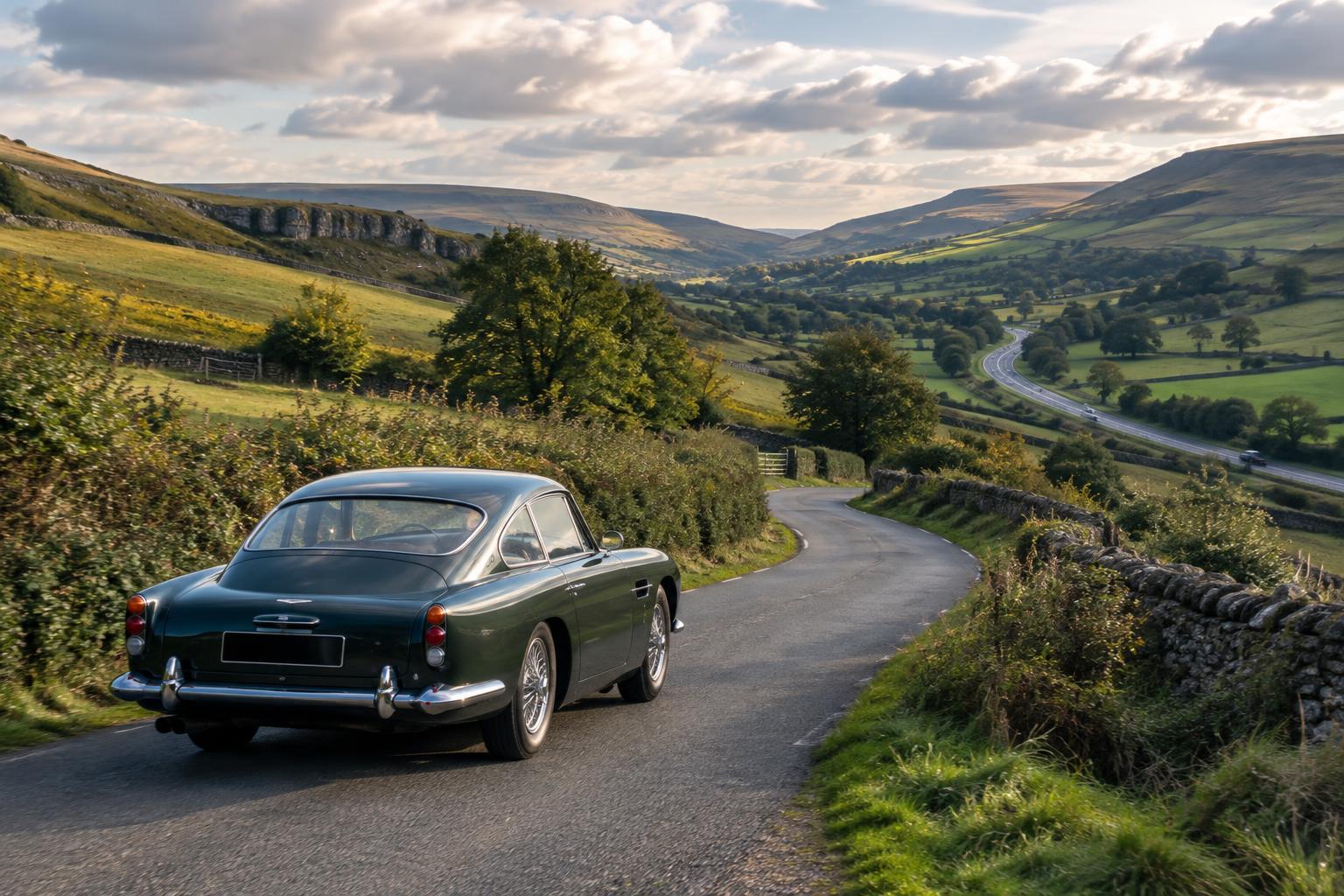
Start by considering the route rather than just its total length. A day spent near towns gives you more options than a winding stretch through sparsely populated countryside. If the scenic road is the reason for the trip, arrange fuel stops around it instead of counting on finding a pump halfway through.
Work out a realistic touring range
Your car’s stated tank capacity is a starting point, not a promise that every litre or gallon will be usable. A gauge may be imprecise, especially near empty, and the amount you can add at a fill may vary with how the car is parked. Keep a simple note of distance travelled and fuel added over several ordinary drives. That record gives you a more useful picture of consumption than a single exceptionally good run.
Check that the units match before calculating range. British fuel economy figures often use miles per imperial gallon, while some specifications use US gallons; litres per 100 kilometres work in the opposite direction, with a lower figure indicating less fuel used. When in doubt, calculate from your own fill-ups using one consistent set of units.
Base the touring plan on a conservative estimate, allowing for hills, traffic, luggage and slower progress on unfamiliar roads. Then decide on a reserve you will not normally plan to use. Think of the resulting distance as your comfortable distance between fills, rather than the distance the car might travel before stopping.
Choose stops before choosing the prettiest road
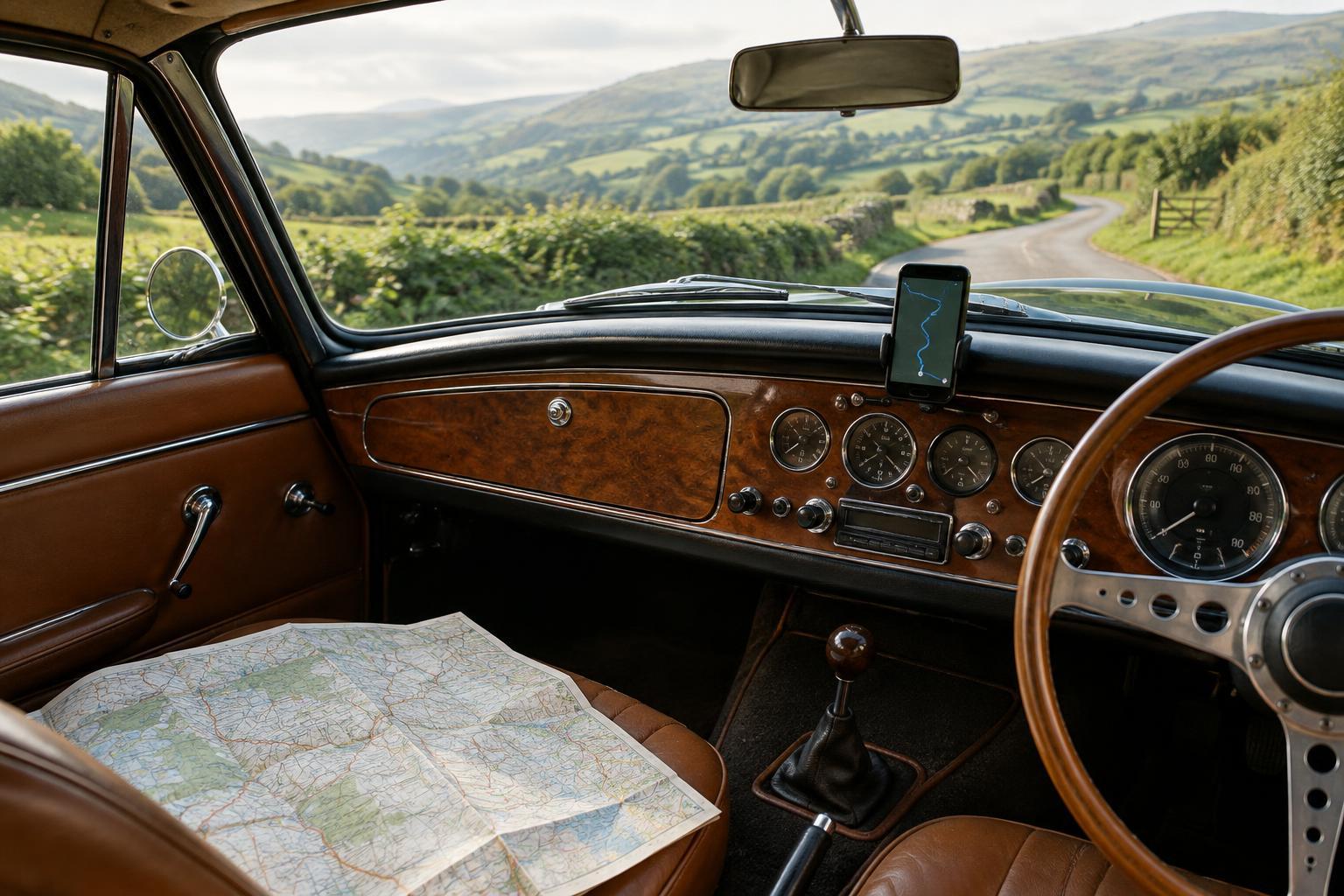
Mark likely filling stations along the route, then look for alternatives near each planned stop. A pump just off the route may be more useful than one directly ahead if it sits before a long rural section. Pay particular attention to the final opportunity to fill before moorland, mountain roads or an extended coastal detour. Filling early there can be the sensible choice even when the gauge still shows plenty.
Do not treat a map listing as a guarantee that fuel will be available when you arrive. Opening hours, access and services can change, and a small station may have limited options. Check practical details before departure where possible, and keep a second candidate within your comfortable range. If you travel with other classics, remember that their tank sizes and consumption may differ from yours; agree on stops that work for the car with the shortest comfortable range.
For a multi-day trip, make the first fuel stop of the morning easy. Starting with a known fill removes one uncertainty from the day and leaves more freedom to pause at viewpoints or change plans when the weather turns.
Use the journey to refine the plan
Reset the trip meter at each fill if the car has one, or record the odometer reading. Because an older fuel gauge may move unevenly, distance since the last fill can be a helpful cross-check. At each stop, compare the fuel added with the distance covered and note whether the driving was unusually demanding. Over time, these notes can show whether your original comfortable range is too ambitious or unnecessarily cautious.
Leave time in the schedule for filling up. A stop may involve a queue, a conversation or a short walk to find refreshments. Avoid making the whole day depend on reaching one particular pump at the end of your range. If a planned stop is unavailable, use your alternative while you still have a comfortable margin rather than pressing on in hope.
Keep the car and its occupants ready for the next leg
A fuel stop is a natural moment for a brief walk-round. Look for anything visibly amiss, such as a fresh leak or an unsecured item, and give the driver a break before the next stretch. Follow the car’s handbook and any specialist guidance you rely on for its fuel requirements; older cars vary, and assumptions based on a different model may not apply. If you carry spare fuel, use only a suitable container and follow the rules and safe-handling guidance that apply to your journey.
The most enjoyable small-tank tour is rarely the one with the fewest stops. A conservative range, a primary stop and a workable alternative give you room to enjoy the road. Fuel planning then becomes a quiet part of the preparation, leaving the memorable decisions for the scenery ahead.