Three ways to enjoy the road
Classic-car event listings often use familiar-sounding terms that describe quite different days. A scenic run is generally about following a route and enjoying the drive. A treasure hunt adds questions or clues to solve along the way. A road rally puts more emphasis on navigation and following the event’s instructions, sometimes with timing or other scored elements. The exact format depends on the organiser, so the event details matter more than the name alone.
None of the three requires the newest, fastest or most valuable car to be enjoyable. The better question is what you and your passenger want to do. Would you rather settle into a pleasant drive, keep your eyes open for clues, or work together to find a route under a little pressure? Thinking about that choice before booking can make the day more satisfying for both crew members.
Scenic runs: the drive is the destination
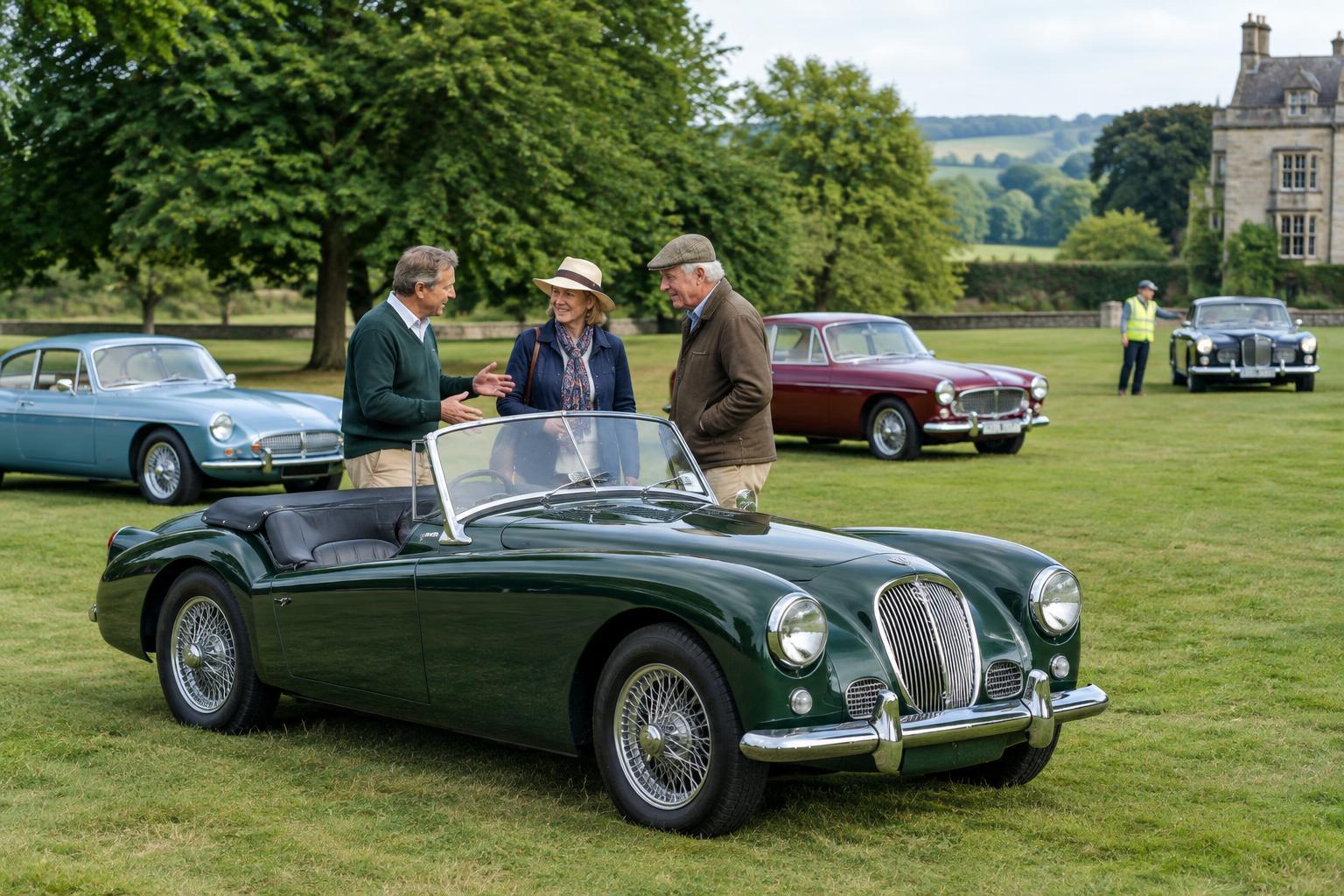
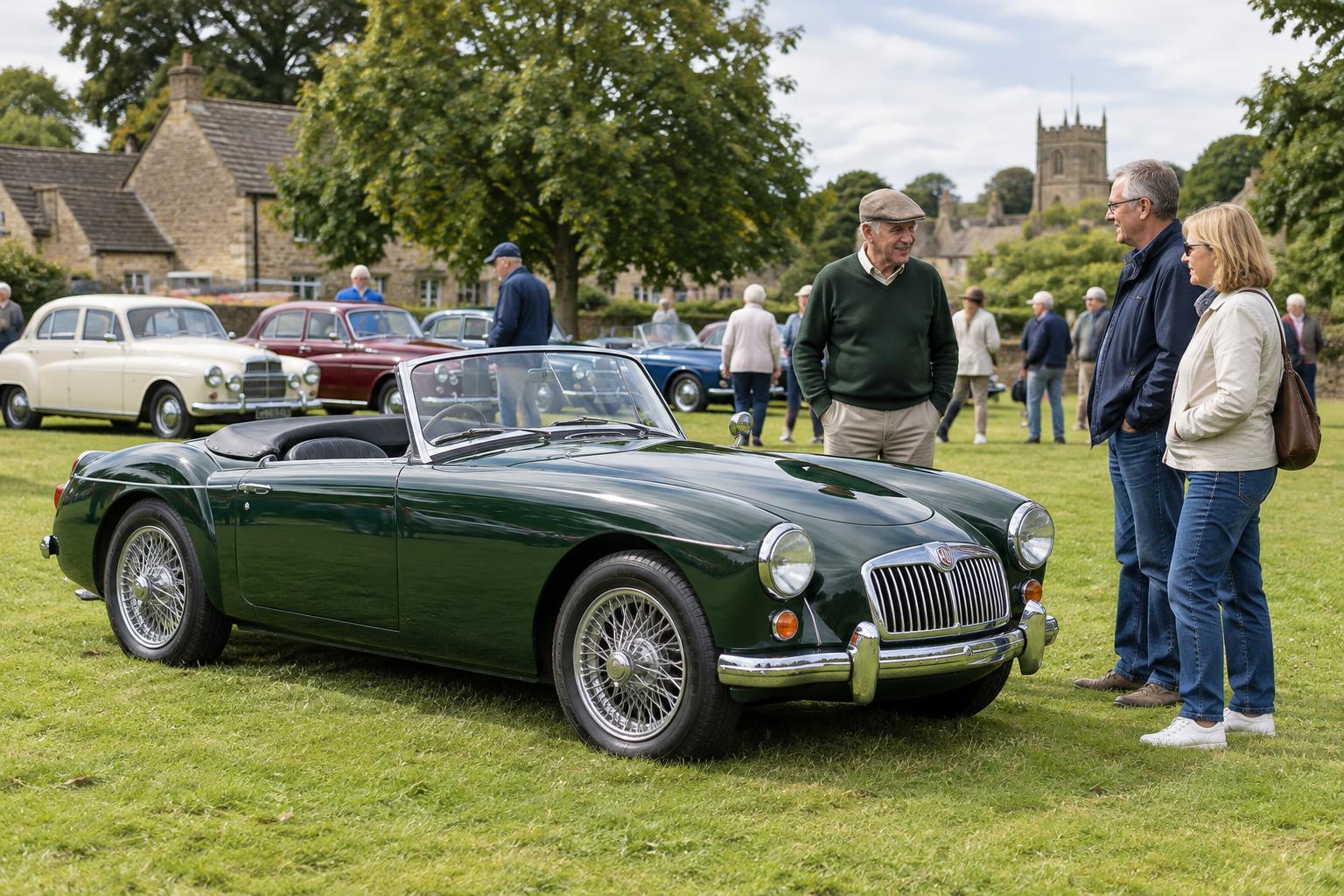
A scenic run usually offers a planned route through appealing countryside, villages or places of motoring interest. Organisers may provide written directions, a map, marked stopping points or a combination of these. Some runs begin with a gathering of cars and finish at a café, museum or informal display. Others allow participants to set off within a window and travel at their own pace.
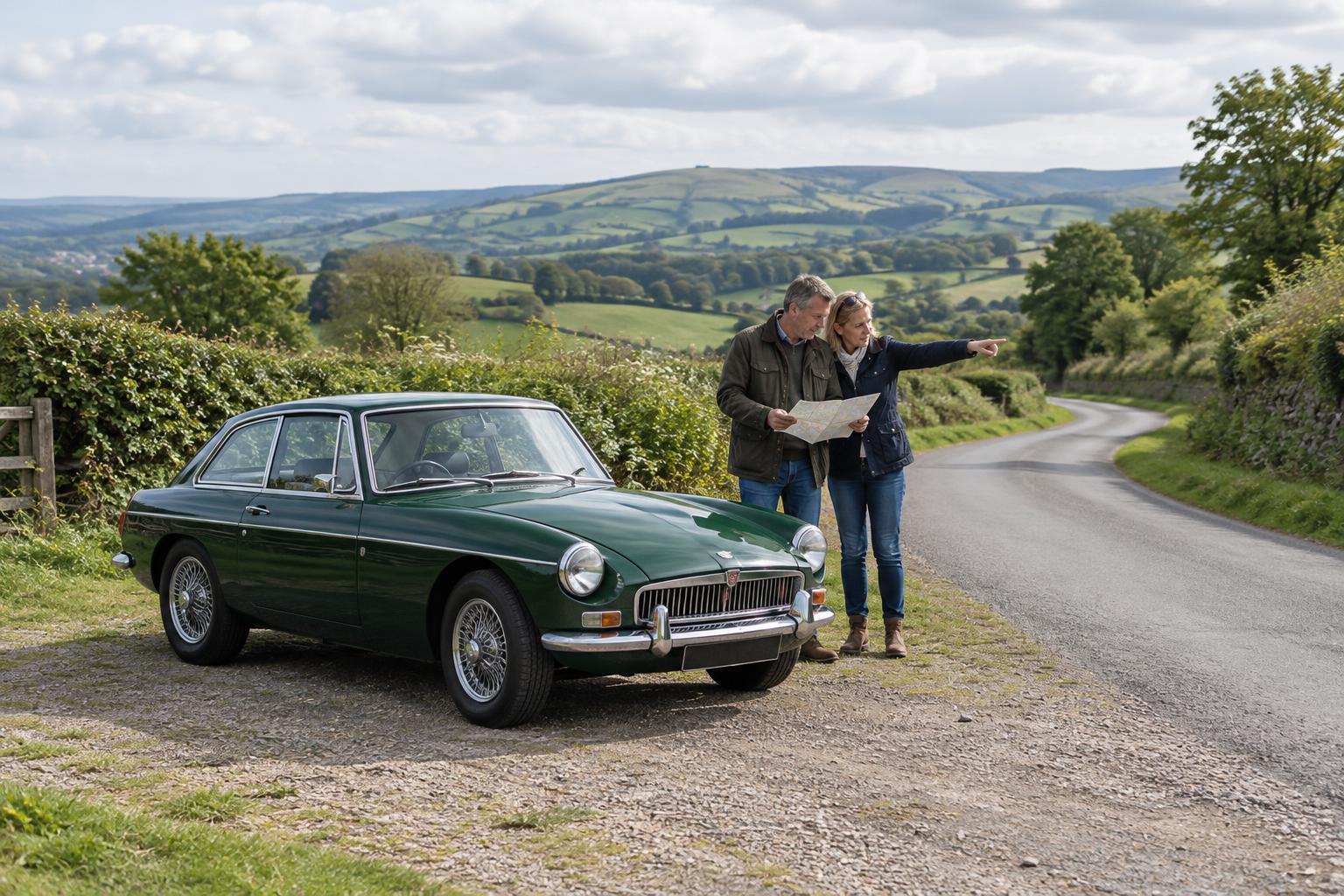
This format can be a comfortable introduction to organised classic motoring. There may be time for photographs, refreshments and conversation, without a score to think about. It still pays to read the route instructions carefully: a missed turning can be frustrating on narrow lanes. Check the approximate distance, expected road types, availability of fuel and whether stops are planned. If your car is happiest at a relaxed pace, ask whether the schedule leaves room for that.
Treasure hunts: observation with a destination
A motoring treasure hunt turns the journey into a puzzle. The crew might answer questions about features seen from the route, identify a location from a clue or collect answers at designated stops. The aim is usually to notice and interpret things, rather than to drive quickly. A good navigator is helpful, but careful observation and a sense of humour may be just as valuable.
Clues can be surprisingly absorbing. A passenger reading a question aloud may spot a sign or building detail that the driver needs to leave entirely to them. Agree on roles before setting off: the driver concentrates on the road, while the passenger handles clues and paperwork. If an answer is unclear, find a safe, permitted place to stop rather than slowing unexpectedly or blocking an entrance. Ask the organiser whether the hunt follows a fixed route, how long it normally takes and whether answers are checked at the finish.
Road rallies: navigation comes to the fore
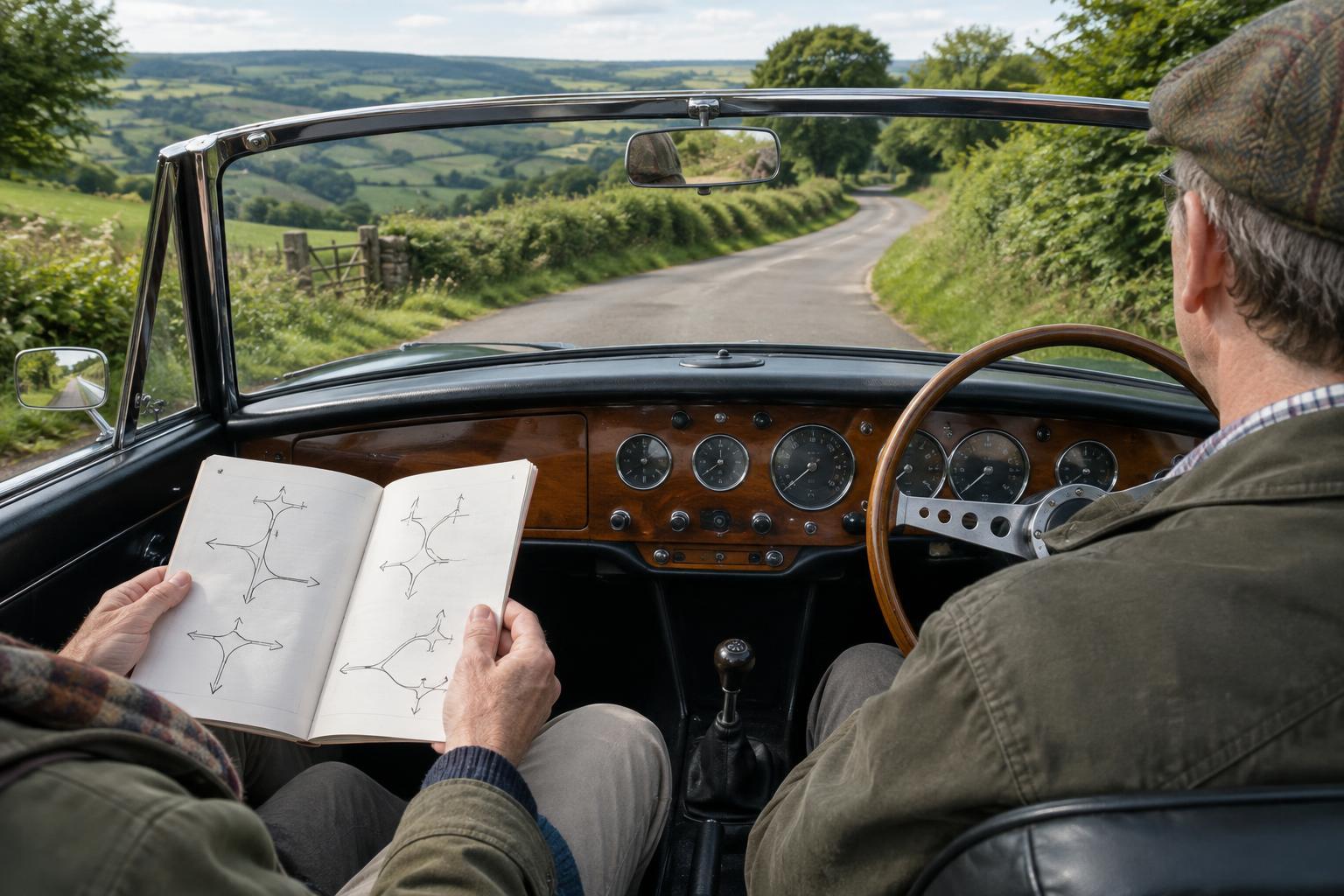
Road rallies vary widely, but route-finding is typically a bigger part of the activity. Instructions might use written directions, map references or other navigation formats. Depending on the event, crews may also need to visit controls or arrive within specified time windows. That makes preparation and teamwork important: the navigator interprets the route while the driver maintains a safe, legal pace.
A road rally is not an invitation to treat public roads as a race circuit. If you are new to the format, look for an event described as beginner-friendly and ask what navigation skills, equipment and preparation it expects. Read the rules before entering, including any requirements for the car, crew or route. An experienced navigator can make a first outing less daunting, but a patient crew willing to learn together can also have a rewarding day.
Choosing an event and preparing your classic
The right choice depends as much on your crew as your car. Pick a scenic run if you want an unhurried outing and opportunities to socialise. Try a treasure hunt if you enjoy shared puzzles without making navigation the main event. Consider a road rally if following instructions accurately sounds like part of the fun. When an event description is vague, ask whether there is scoring, how the route is supplied and what happens if you miss a turn or decide to retire early.
For any format, give the car a routine pre-trip check: tyres, lights, fluids, wipers and anything specific to its known needs. Carry the tools and spares you ordinarily rely on, along with a charged phone and suitable clothing for an unexpected stop. Leave enough time to reach the start without rushing, and make sure your passenger knows what to expect. The pleasure of these events lies in using the car, sharing the journey and arriving with a story to tell.