Treat each charge as a separate question
A weekend drive may take you through more than one charging scheme. Clean-air charges generally concern a vehicle’s emissions classification, while congestion charges are intended to manage traffic in a defined area. Their boundaries, operating hours, exemptions and payment arrangements may differ. A car that does not incur one charge should not be assumed to be clear of another.
Start with the city and destination, then work out which schemes your route might enter. Include the journey home: a different return route, a diversion or a stop for fuel could change the answer. Check each relevant scheme on the responsible authority’s official website shortly before travelling. Rules and boundaries can change, so an old forum post or a previous trip is not a dependable final check.
Check the car’s record, not just its age
Many owners describe a car as historic because of its design or the year it was built. A charging scheme may instead use the details held against its registration number, such as its recorded tax class, fuel type or emissions information. Eligibility for an exemption or discount may also depend on that scheme’s own conditions. Do not assume that being eligible for historic vehicle tax treatment automatically settles every city charge.
Use the official vehicle checker for each scheme and enter the registration exactly as it appears on the number plates. Read the result for the specific journey and charge, rather than stopping at a general statement about classic vehicles. This is especially useful for imports, recently restored cars, vehicles with replacement engines and cars whose records may be incomplete or unusual.
If the result seems wrong, leave time to investigate before driving. Compare it with the details on the registration document and follow the authority’s process for querying the result or supplying evidence. A club discussion can help you understand what to ask, but it cannot confirm how the charging authority will treat your particular car.
Map the boundary and the time of travel
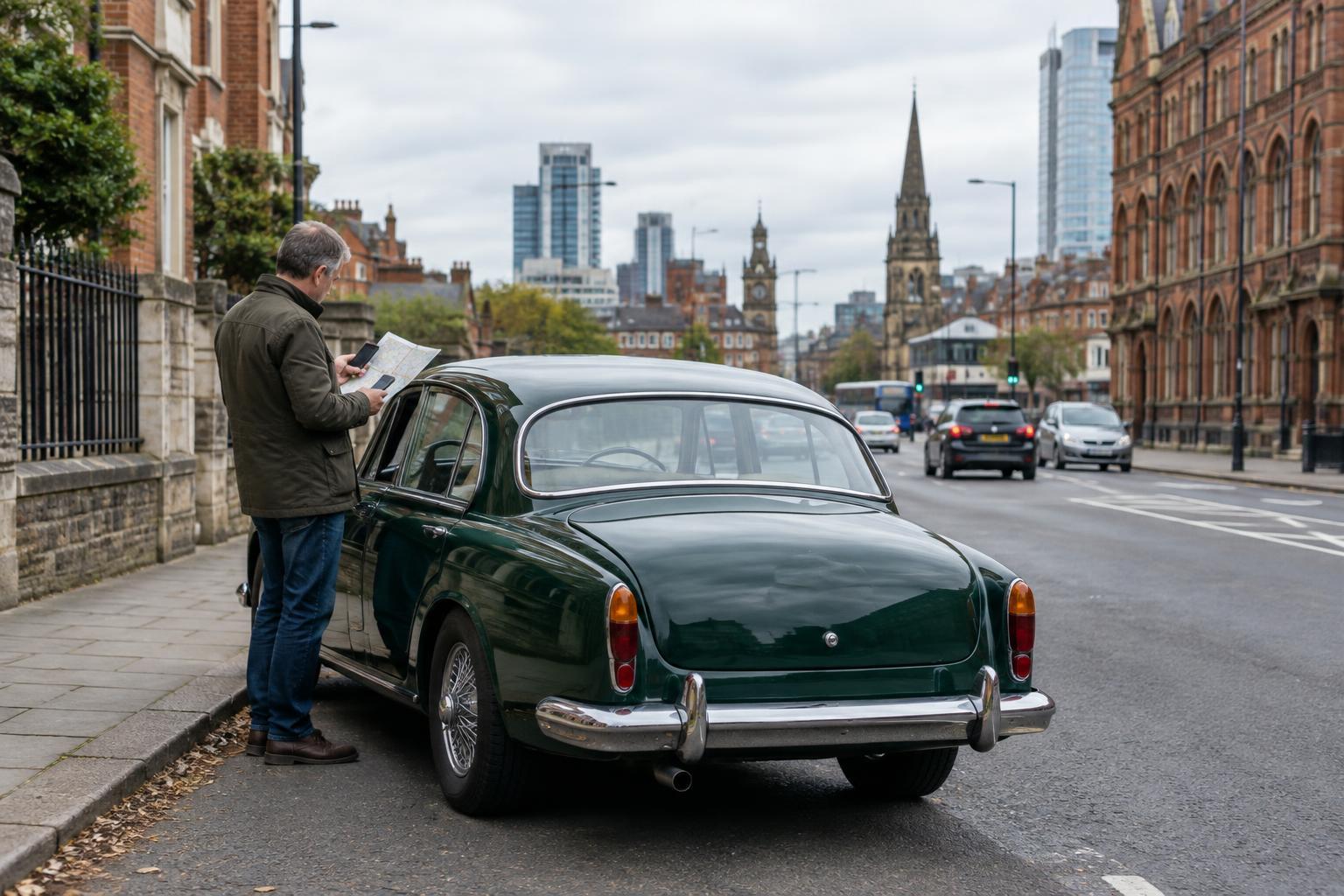
Once you know the vehicle’s apparent status, look at the scheme map and operating times. Check whether your hotel, car park, garage or event entrance sits inside the boundary. It is worth checking the streets used to reach them as well: a navigation app may select the quickest route without accounting for what you intended to pay.
Plan a route that suits both the rules and the car. If you would rather avoid a charge, identify a suitable place to park outside the zone and consider the onward journey. Check access and parking arrangements before committing to that plan. If you do intend to enter, note when charging applies and whether the arrival and departure fall on different chargeable days.
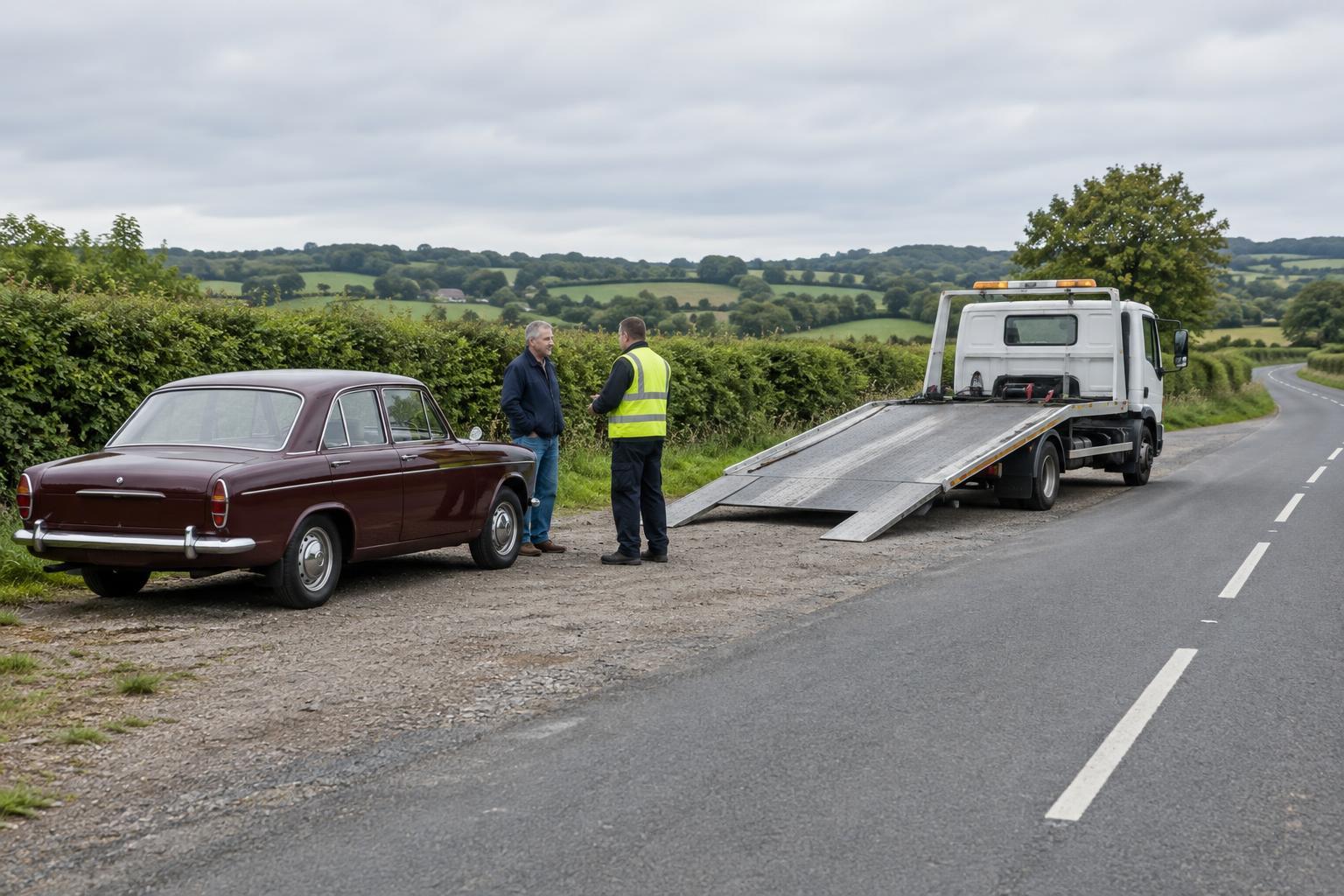
Leave room for a change of plan. Road closures, missed turns and mechanical stops are part of real-world motoring. Knowing the boundary in broad terms, rather than relying only on a spoken navigation instruction, makes it easier to make a calm decision if the route changes.
Make payment part of the trip plan
If a charge applies, use the official scheme information to find out how and when to pay. Do not assume that one payment covers separate clean-air and congestion schemes, or that every charge can be paid in the same way. Check whether a discount requires advance registration or approval; qualifying for it in principle may not be enough.
Keep a simple trip note with the vehicle registration, schemes checked, intended dates, planned route and any payment confirmations. A saved confirmation can be useful if you need to revisit what you paid. Be cautious with search results and links in messages that resemble payment pages: starting from the responsible authority’s website reduces the chance of using an unrelated service.
For an occasional city visit, this preparation need not take over the outing. Check the car, check the route, confirm any charge and then enjoy the drive. Repeating those steps for each new destination is more reliable than treating a classic car’s age as a universal pass.