Plan a route, not a procession
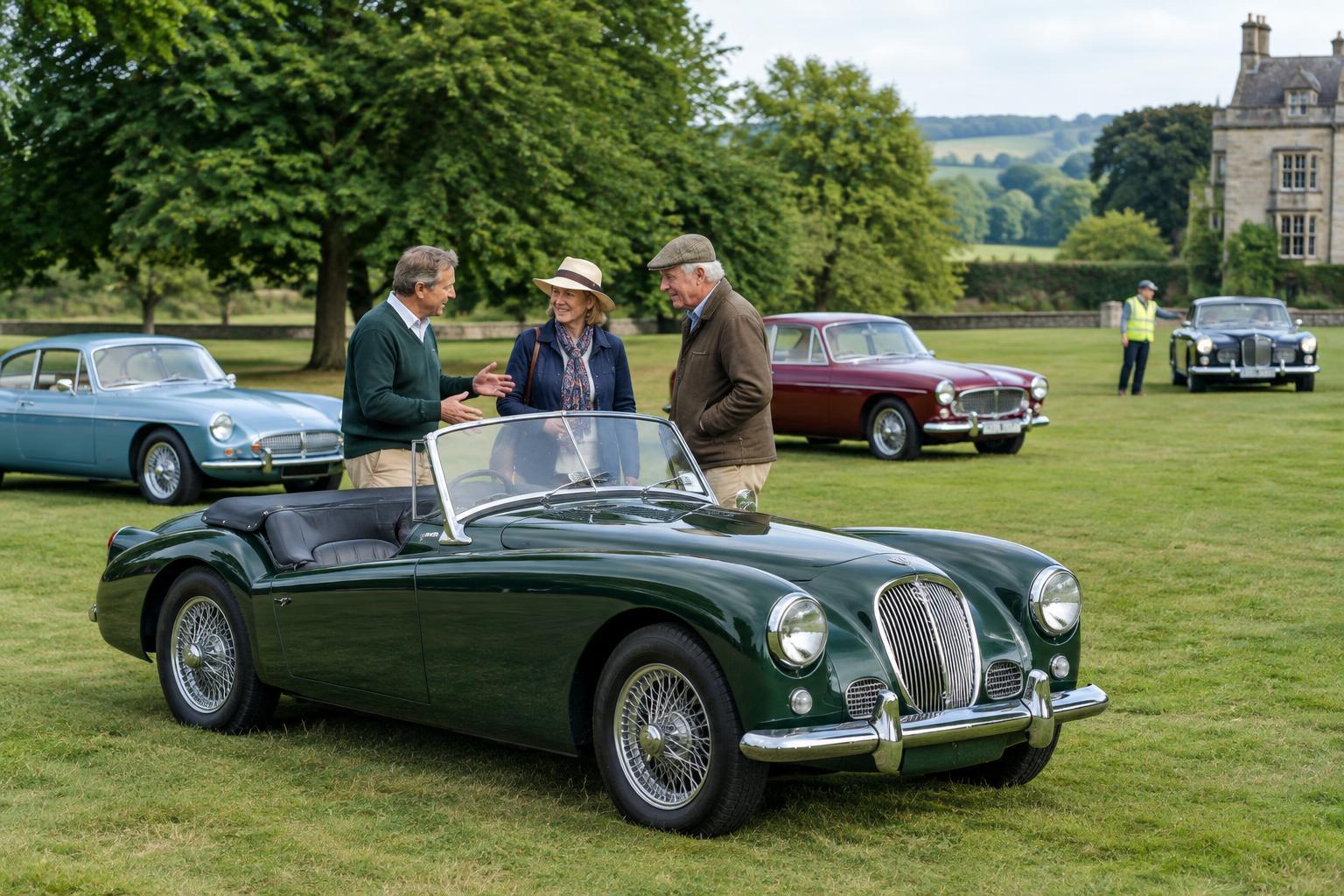
One of the pleasures of a classic-car outing is seeing familiar shapes on a winding road or lined up outside a village café. The drive itself works best, though, when nobody feels obliged to keep every car in sight. A group may include cars with very different braking, acceleration and cruising characteristics, as well as drivers with different levels of confidence. Treat the outing as a shared route with agreed stops, rather than a convoy that must remain unbroken.
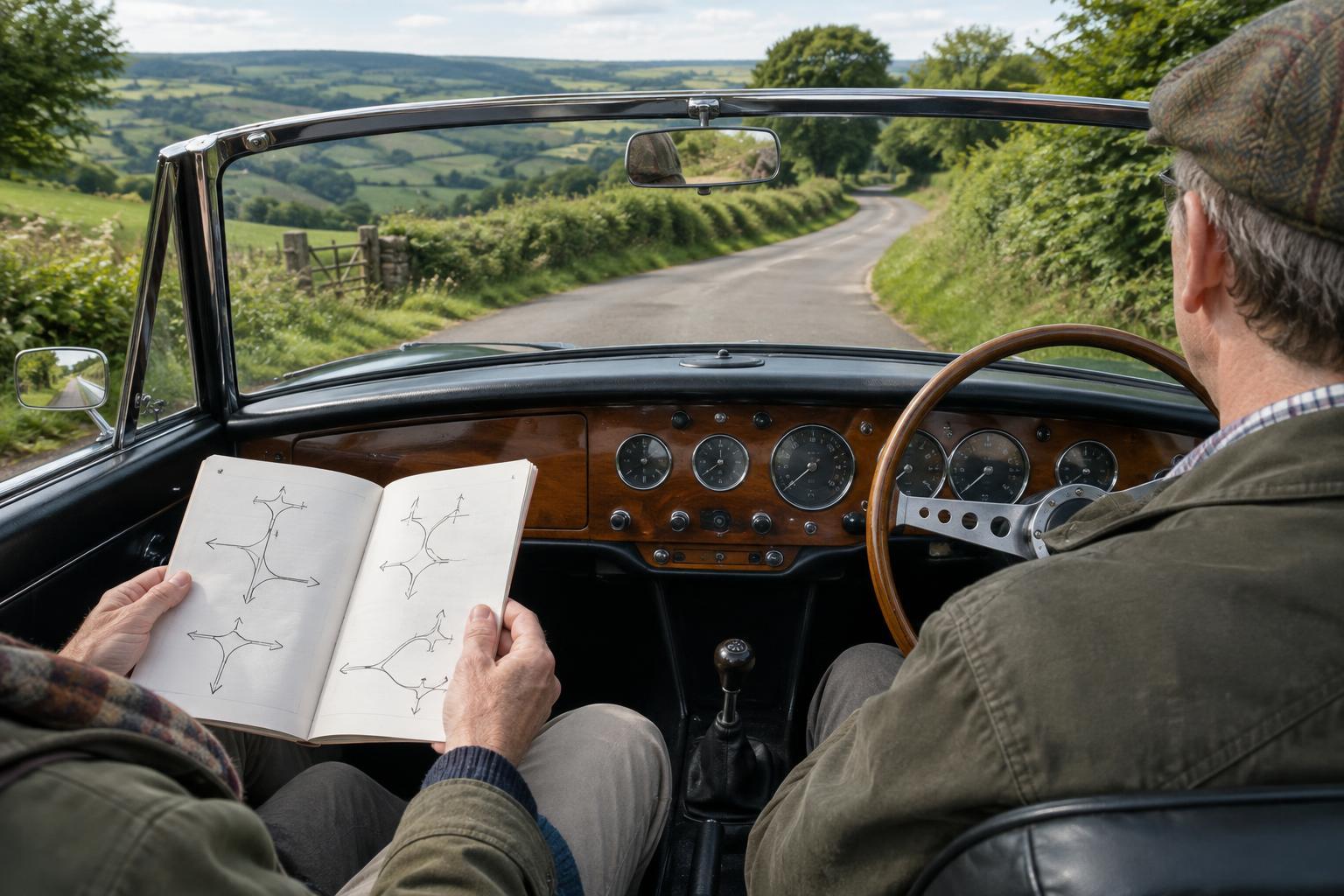
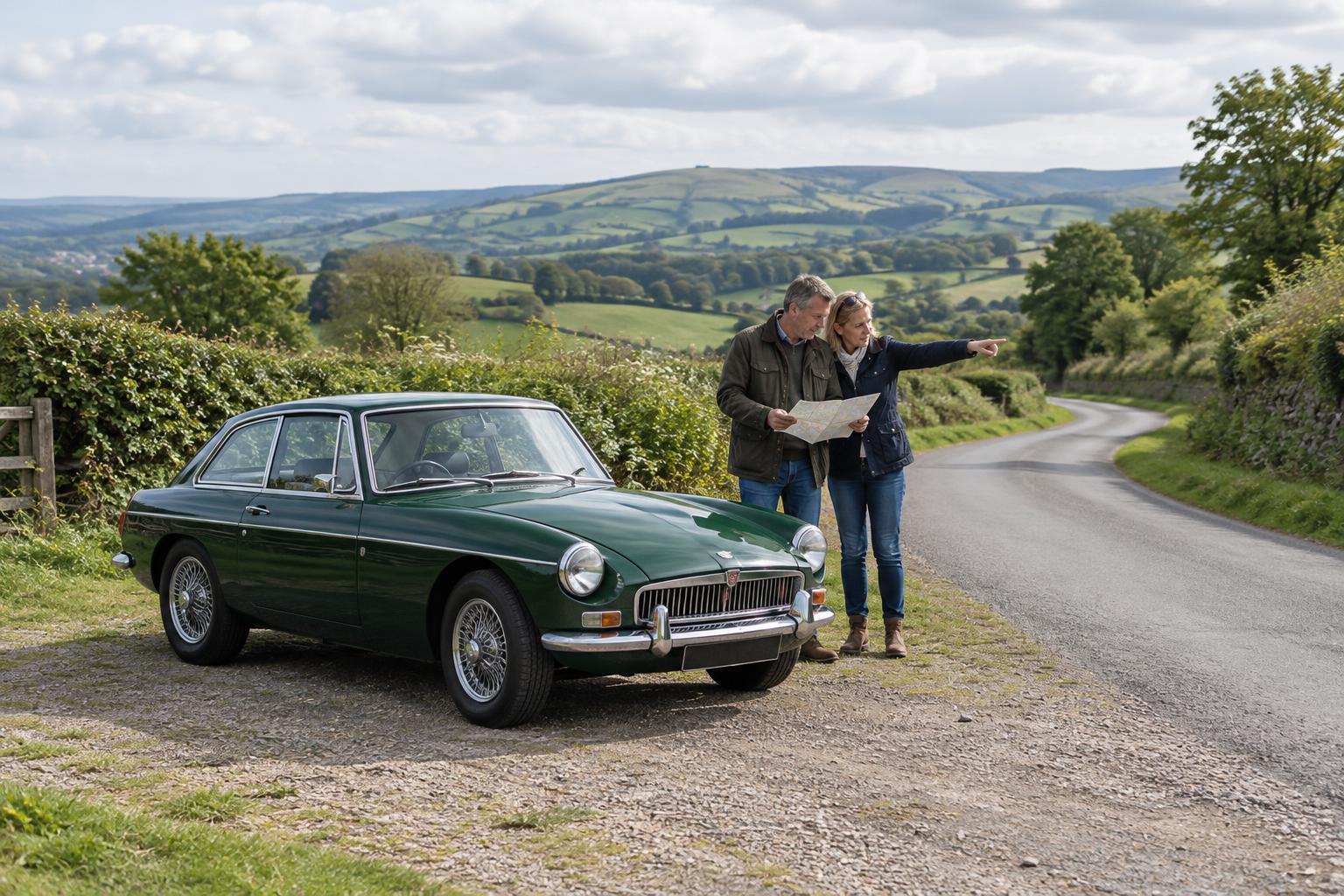
Before setting off, give every driver the route, the destination and the location of the first planned stop. A simple written itinerary is useful even when people also use navigation devices: it can identify the intended road at an awkward junction and provide a fallback if a device loses signal. Allow time for fuel, comfort breaks and unhurried arrivals. It is easier to enjoy a scenic detour when the schedule does not depend on everyone making perfect progress.
Leave room to drive your own car
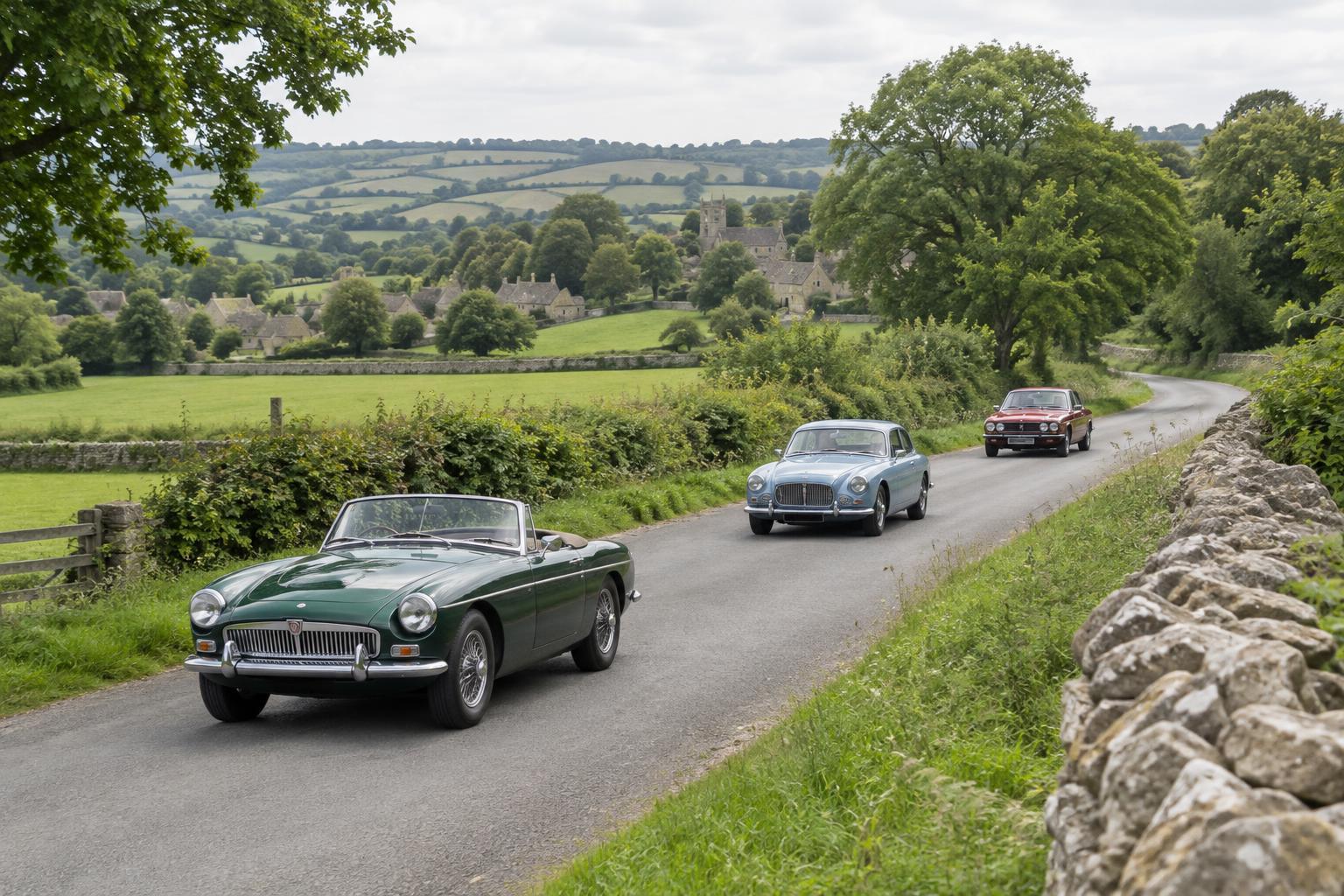
Spacing matters more than maintaining a tidy line. Leave a gap that gives you time to react and a clear view of the road ahead, increasing it when visibility, weather or road surfaces are poor. A classic may need more room to stop than a modern car, and unfamiliar handling can make sudden changes of pace especially uncomfortable. Follow the conditions and your own car’s abilities, not the distance chosen by the driver ahead.
Do not accelerate through a junction or overtake simply to stay with the group. If a light changes, let it change; if a safe opportunity to pass does not appear, stay where you are. The driver in front should not slow unpredictably to gather everyone up, either. With known meeting points, a temporary gap is just that, not a problem to solve on the move.
Choose meeting points that are easy to use
Good regrouping stops take pressure off the entire drive. Choose places with enough room for the expected cars to park without blocking entrances, traffic or pedestrians. A recognised car park or visitor stop is generally more useful than a narrow lay-by just beyond a turn. Check the approach as well as the location: a meeting point is less helpful if drivers must make a difficult turn to reach it.
Agree what will happen if the group separates. For example, each driver can continue to the next listed stop at a comfortable pace, while the organiser waits there until all cars are accounted for. If someone decides to leave early, ask them to tell the organiser rather than allowing the group to assume they are still on the route. For longer outings, identify a final destination separately from intermediate stops so a missed break does not become a guessing game.
Keep communication simple and safe
A brief conversation before departure can prevent confusion later. Name an organiser, explain the route and stops, and make sure everyone knows whom to contact if they need to pull over or change plans. Sharing a phone number is sensible; expecting drivers to read messages or handle a phone while moving is not. Passengers can help with navigation and communication where appropriate, but drivers should be free to concentrate on the road.
Agree on a basic plan for a breakdown. The affected driver should stop in a suitable place and deal with the immediate safety of the car and its occupants first. They can then contact the organiser when it is safe to do so. Other drivers need not stop wherever they happen to be; continuing to a planned meeting point may avoid creating another hazard. An organiser can coordinate help from there without turning the whole group around at once.
Make the day welcoming for every pace
A relaxed tone begins with the route choice. Consider whether narrow lanes, steep climbs or long stretches without fuel will suit the cars taking part. Tell people in advance about any demanding sections, and offer an easier alternative when practical. Owners may be enjoying a recently recommissioned car, travelling with family or simply preferring a gentler pace. None should have to explain why they chose to arrive a few minutes later.
At each stop, allow time to check that everyone is comfortable before moving on. If the timetable has slipped, shorten a stop or simplify the remaining route rather than trying to regain time on the road. The best group drives leave people with memories of the scenery, the cars and the conversation—not of chasing a tail-light around the next bend.