Make the decision before you need to
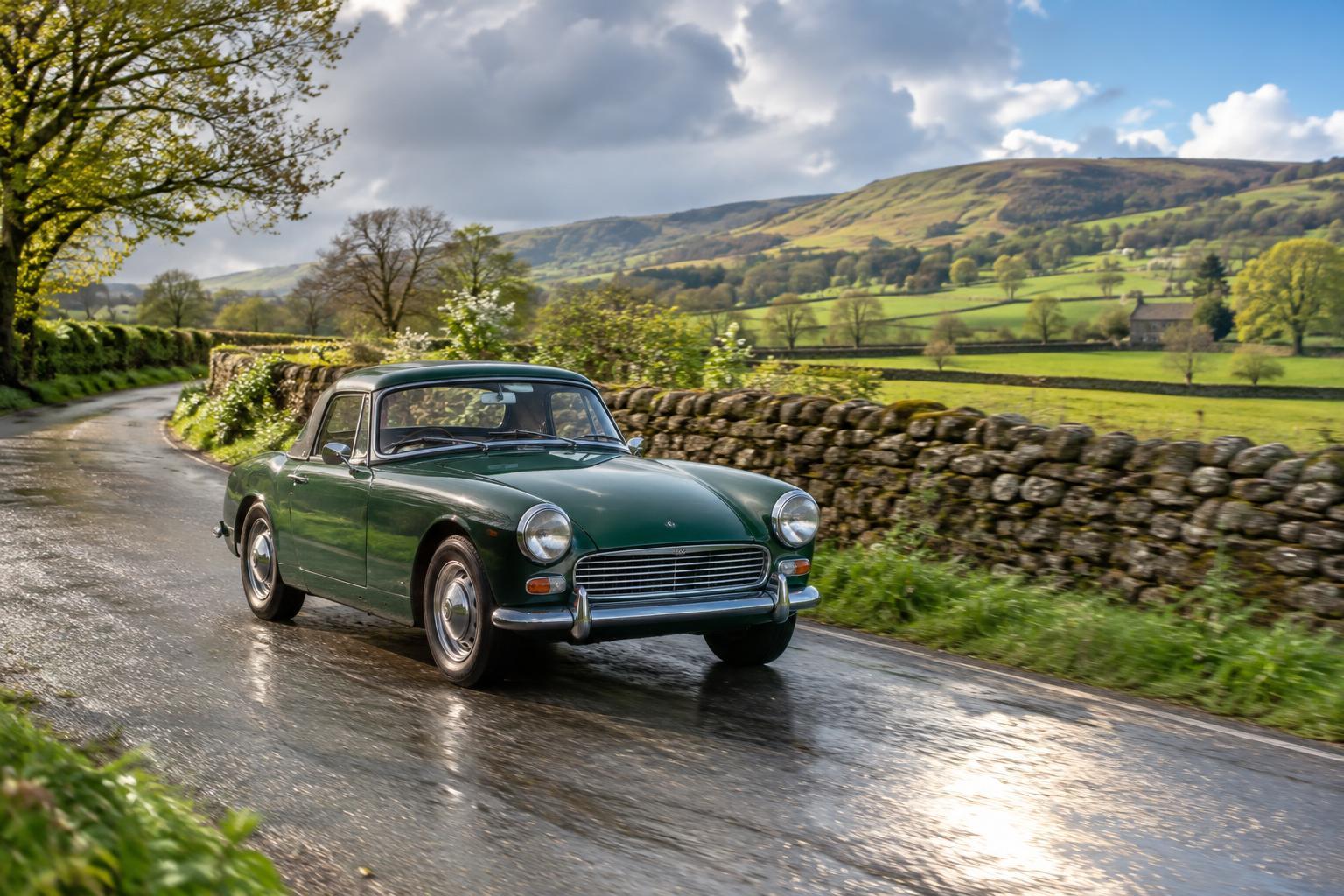
The appeal of an open-top classic is immediate: familiar roads feel different when you can hear the countryside and notice changes in the air. Yet a successful tour is not a test of how long you can leave the hood down. Raising it at the right moment can make the next hour more enjoyable, protect your belongings and let you concentrate on driving.
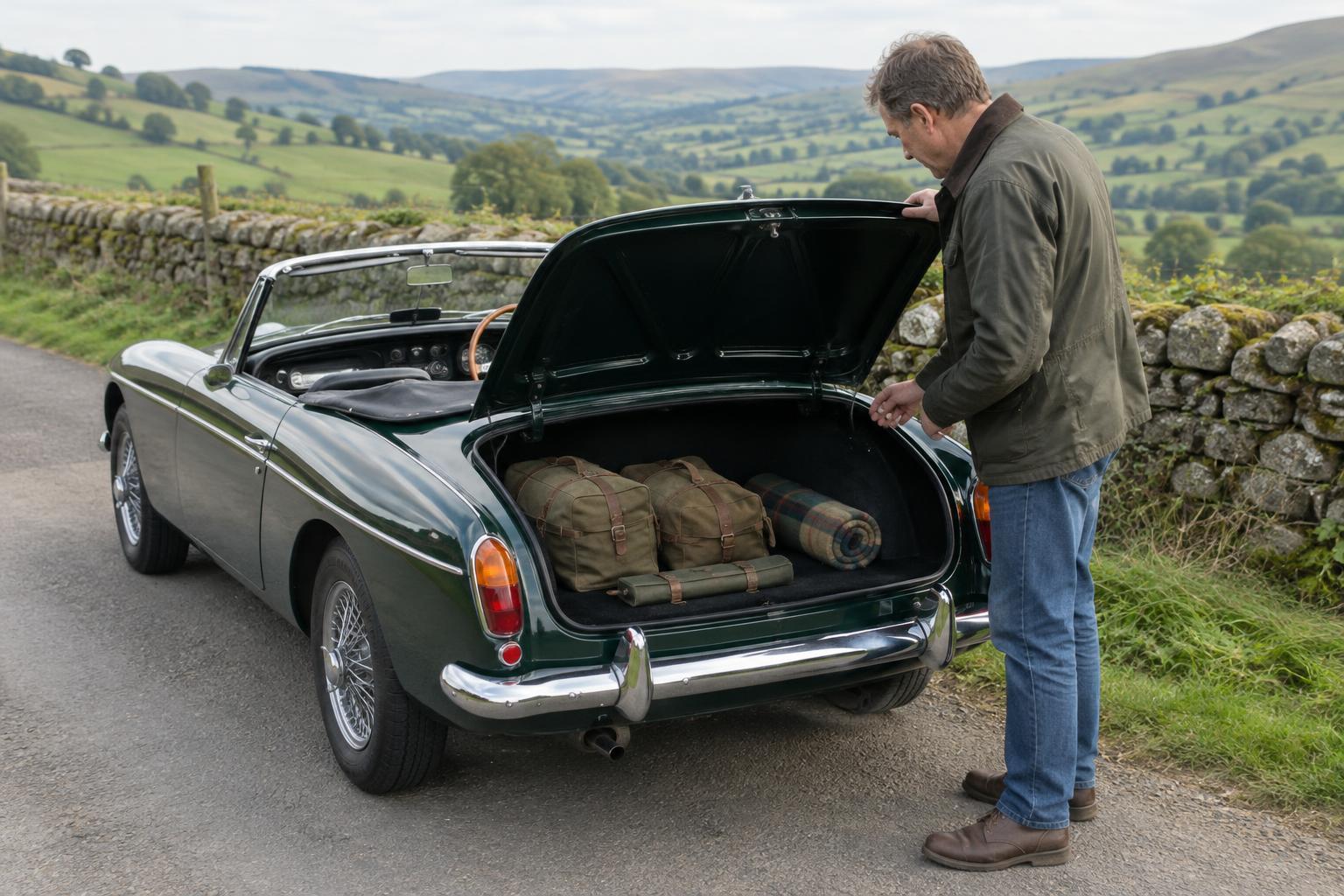
Before setting off, check that the hood can be raised without a struggle. Learn the order in which its frame, catches and rear fastenings should move, using the instructions appropriate to your car. Make sure luggage will not obstruct the mechanism, and keep any loose cabin items secure. If you have not used the hood recently, a calm practice run at home is better than a first attempt in a lay-by with rain approaching.
Watch for changes along the route
A few drops of rain may pass quickly, but the useful question is what lies ahead. Darkening skies, spray from other vehicles or a route that climbs into exposed country are good reasons to stop early. On some cars, water can enter around side screens or seals even with the hood raised; putting it up is a way to improve comfort, not a promise of a dry cabin. If you expect sustained rain, leave extra time for slower roads and consider a sheltered break.
Wind matters just as much as rainfall. A gentle breeze on a quiet lane can become tiring on a faster road, especially for a passenger who cannot easily adjust their position. Dust and road grit can also make an uncovered cabin less pleasant. Raise the hood when the conditions start taking your attention away from the route, rather than waiting until you are cold, wet or frustrated.
Use comfort as a touring tool
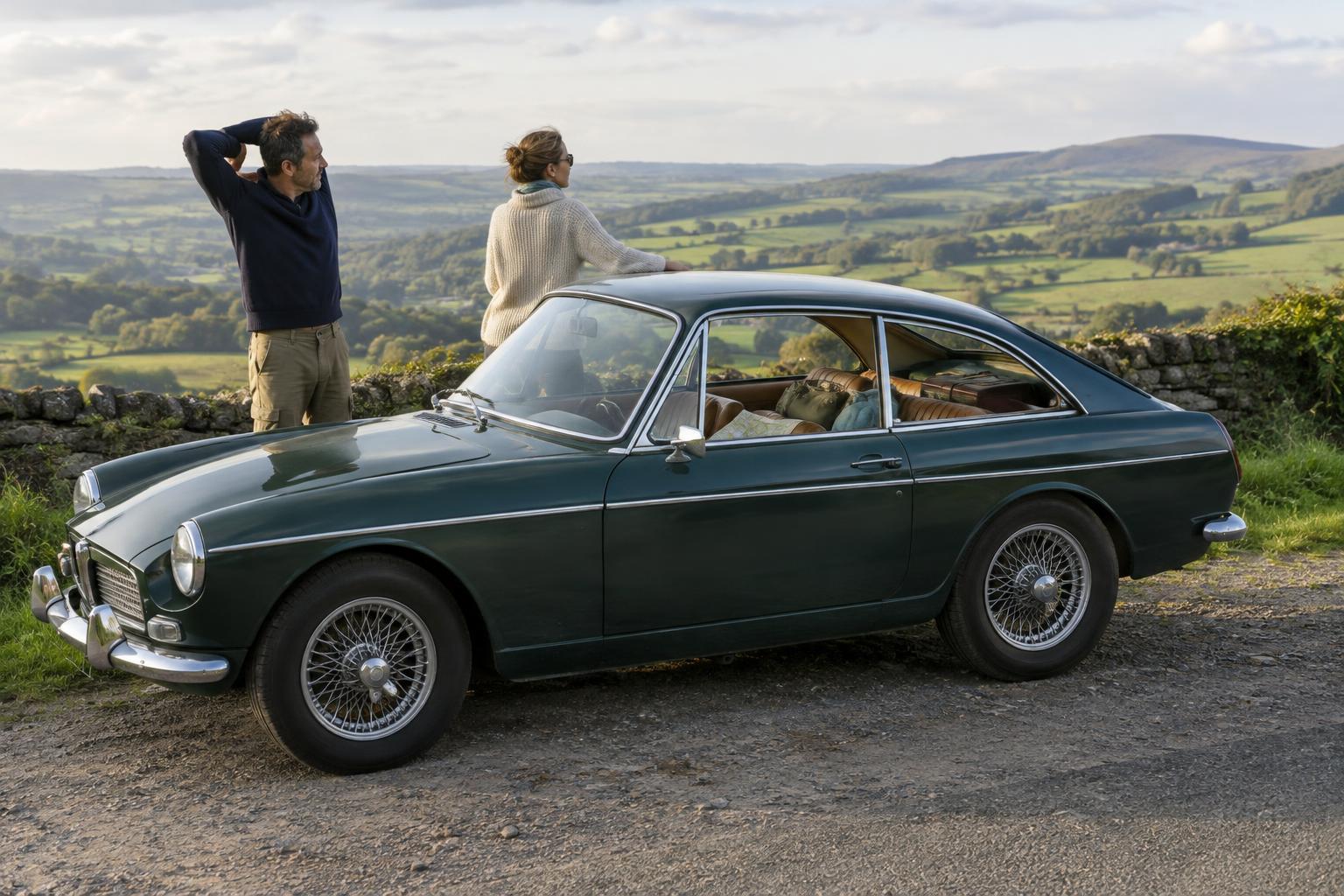
Sunshine is not always a reason to stay open. Bright glare, prolonged exposure and a hot cabin at low speeds can make the hood a welcome source of shade. Equally, an open car that feels comfortable for a short morning drive may feel chilly after hours on the road or when the sun drops. Carry layers that are easy to reach, and ask your passenger how they are faring; the driver and passenger may experience the airflow differently.
There is no need to make one decision for the whole day. A scenic stretch might be ideal with the hood down, while a long connecting road is more comfortable with it raised. Planning regular stops gives you natural opportunities to reassess without turning the change into an interruption. If putting the hood up feels like admitting defeat, think of it instead as adjusting the car to suit the journey.
Stop somewhere safe to change it
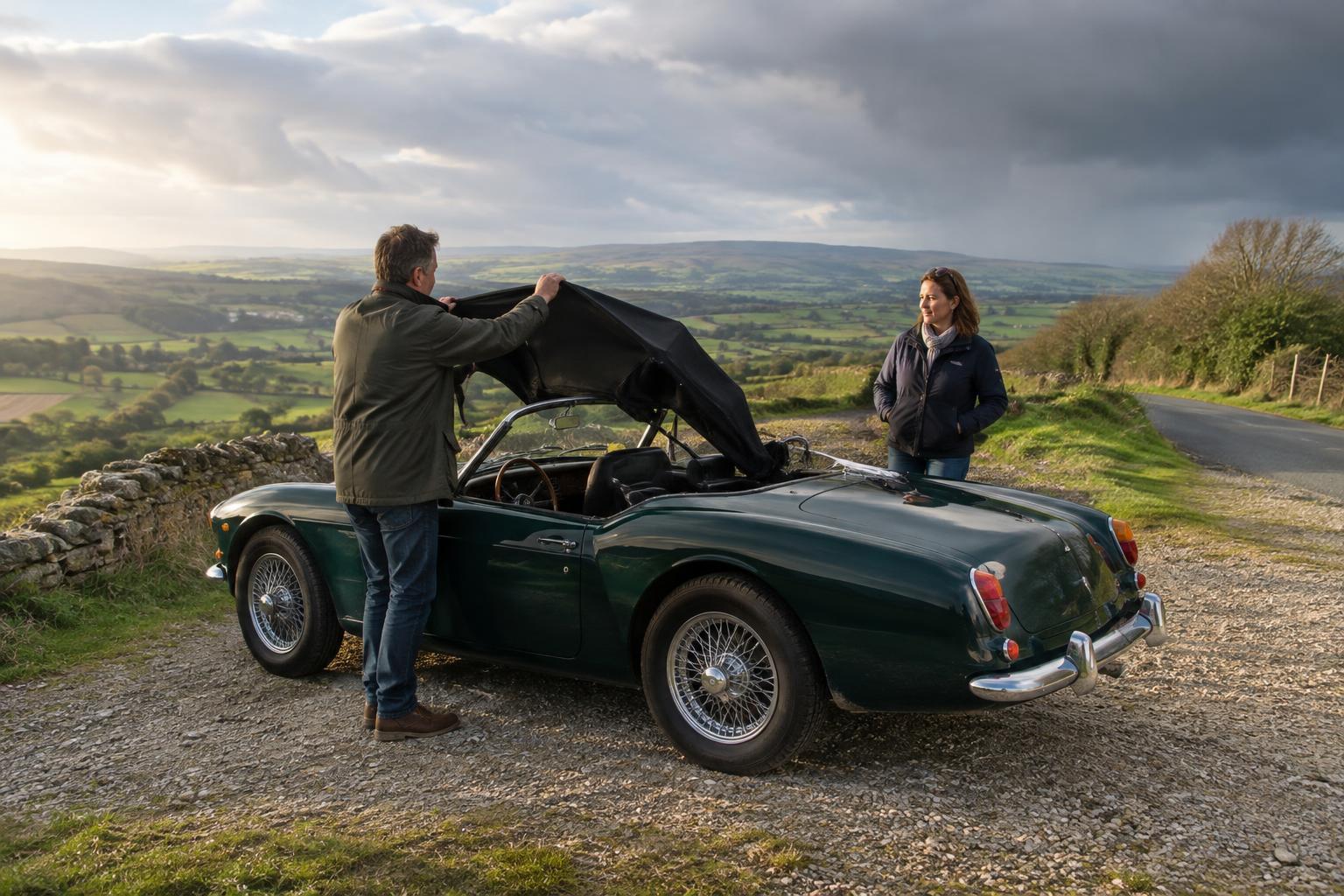
Choose a suitable place to pull off the road before touching the hood, and never try to adjust it while moving. Look for enough room to open the doors and work without standing close to traffic. A proper parking area or quiet pull-in is preferable to a narrow verge or the shoulder of a busy road. If conditions deteriorate before you find a safe stop, drive according to the visibility and road conditions rather than rushing to reach shelter.
Take your time with the frame and fastenings. Older mechanisms may need guidance, but forcing a reluctant joint or latch can turn a simple stop into a repair job. Keep fingers clear of folding points, check that both sides are seated properly and make sure your view remains clear before setting off. If the hood has a rear window that folds, follow the handling guidance for its material to avoid creasing or scratching it.
Finish the day with the next trip in mind
If the hood was raised in rain, inspect the cabin and luggage when you arrive. Remove damp items, wipe up standing water and give the interior a chance to dry where practical. A wet hood should not be packed away for extended storage if you can avoid it; let it dry in an appropriate setting first, following the care guidance for its fabric and window. This small pause helps you notice loose fastenings or leaks before the next tour.
The best hood-down miles are the ones you can relax into. Decide early, stop safely and treat the hood as useful touring equipment rather than a last resort. That approach leaves room for the pleasures of open-air driving without asking the weather—or your passenger—to cooperate all day.