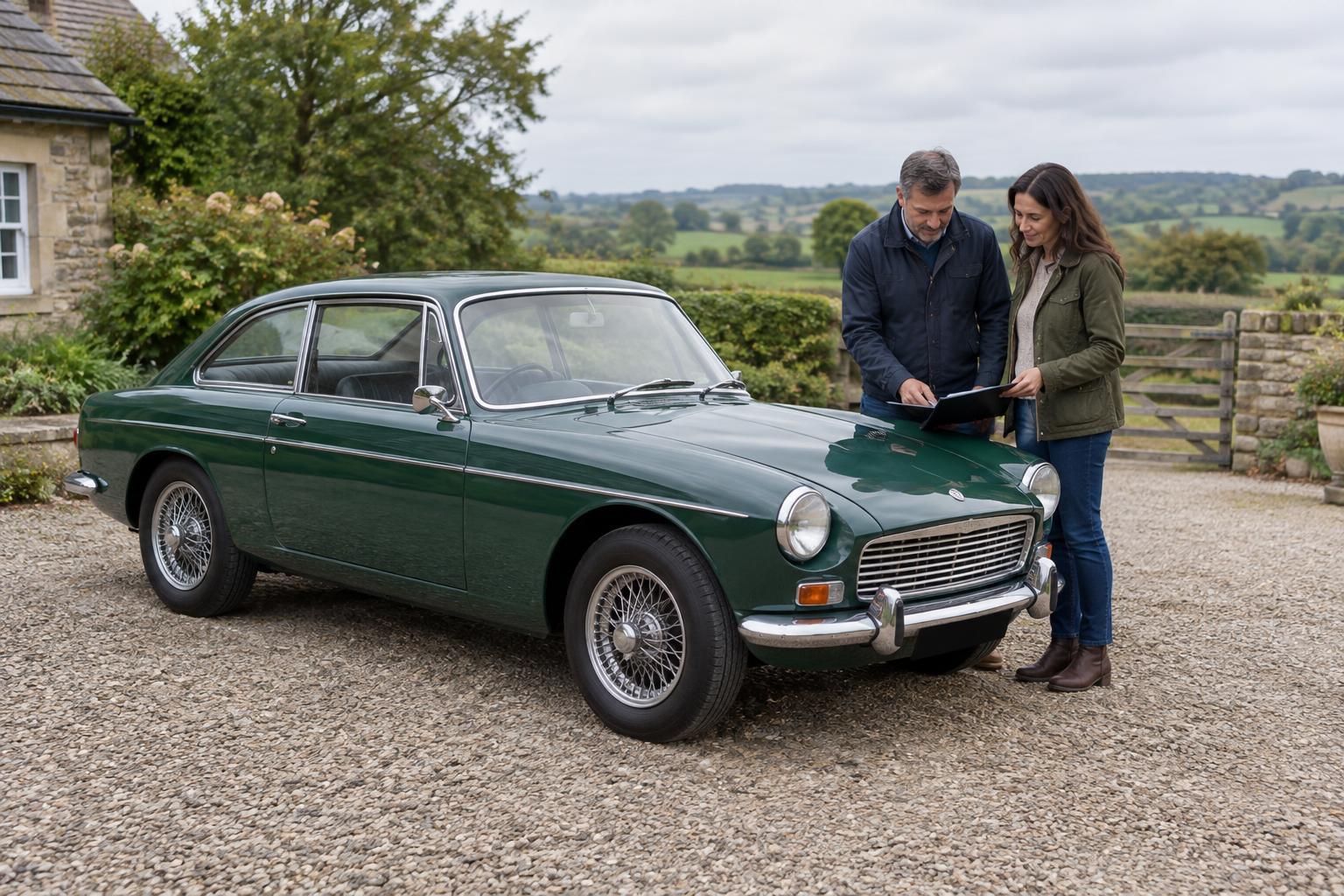
Start with two separate rules
For an owner of an older British car, “historic” can describe a cherished machine, an insurance category or a formal vehicle-tax class. Those meanings are not interchangeable. MOT exemption and historic vehicle tax are separate matters, with different eligibility tests and administrative steps. A car may qualify for one before its records or circumstances allow you to use the other.
The rules also move with the calendar, so avoid relying on an old list of eligible registration years. Before making a declaration, check the current government guidance against your car’s recorded details. If you are unsure when a car was built, first registered or substantially altered, resolve that uncertainty rather than assuming its appearance tells the whole story.
When is a historic car exempt from an MOT?
In Great Britain, a car may be exempt from the routine MOT requirement if it was built or first registered more than 40 years ago and has not been substantially changed in the preceding 30 years. Both parts of that test matter. A period-looking car with a recent major alteration may need an MOT even if its basic model is old enough. Conversely, ordinary maintenance and like-for-like repairs are not the same thing as rebuilding a vehicle into a materially different one.
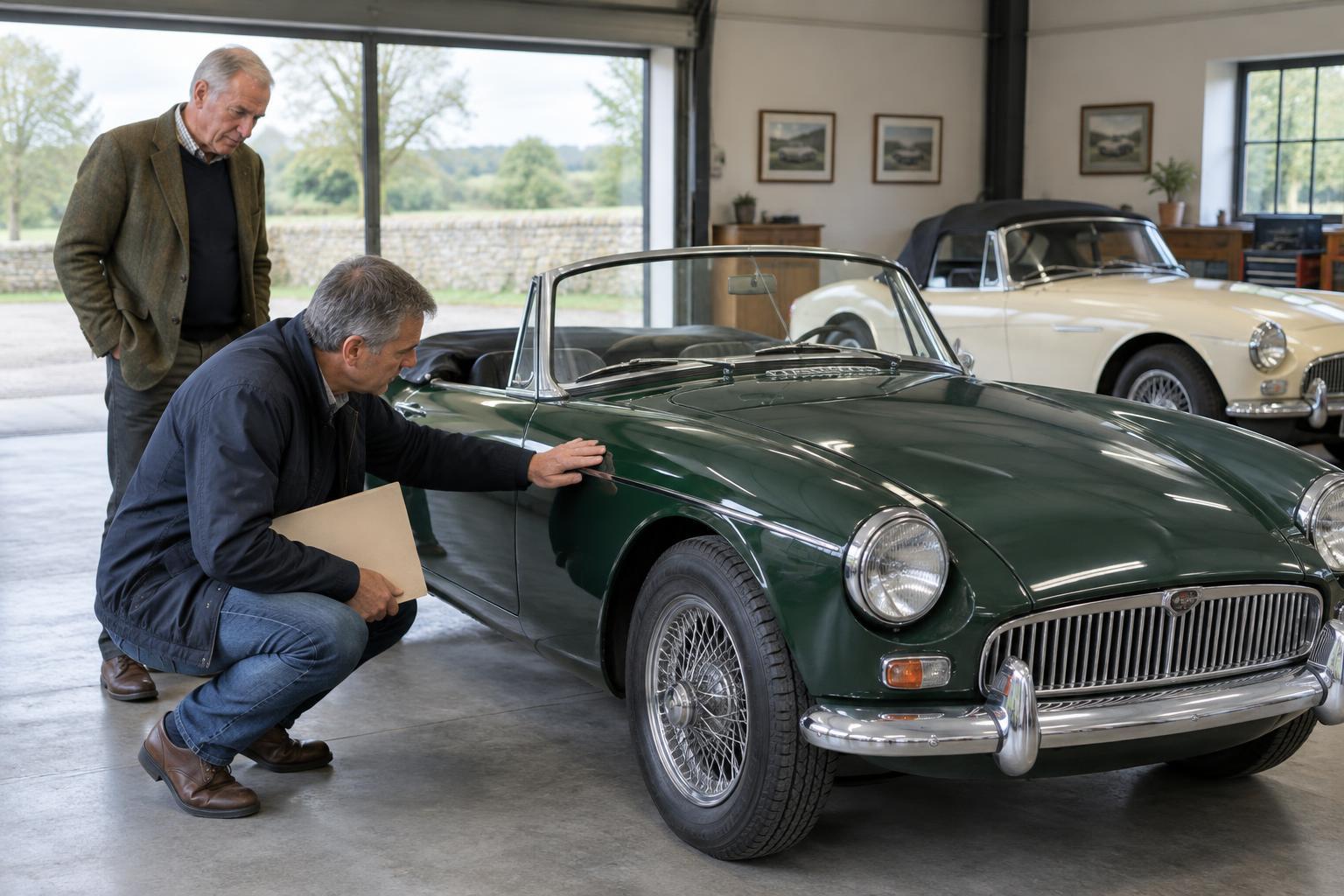
Changes to major components, such as the chassis, engine, suspension or steering, deserve particular attention. Whether a change counts as substantial depends on the published criteria and the circumstances; it is not safely decided by a general claim that an upgrade makes the car better to drive. Keep a record of work carried out, including dates and descriptions of parts fitted. That record can make a later eligibility check less of a guessing exercise.
An eligible owner generally declares MOT exemption when taxing the vehicle, rather than simply letting an MOT expire and assuming the system will recognise its age. An optional MOT remains possible, and some owners value the independent inspection. Northern Ireland has its own vehicle-testing arrangements, so owners there should check the applicable guidance instead of assuming every Great Britain MOT procedure carries over unchanged.
How the historic vehicle-tax class works
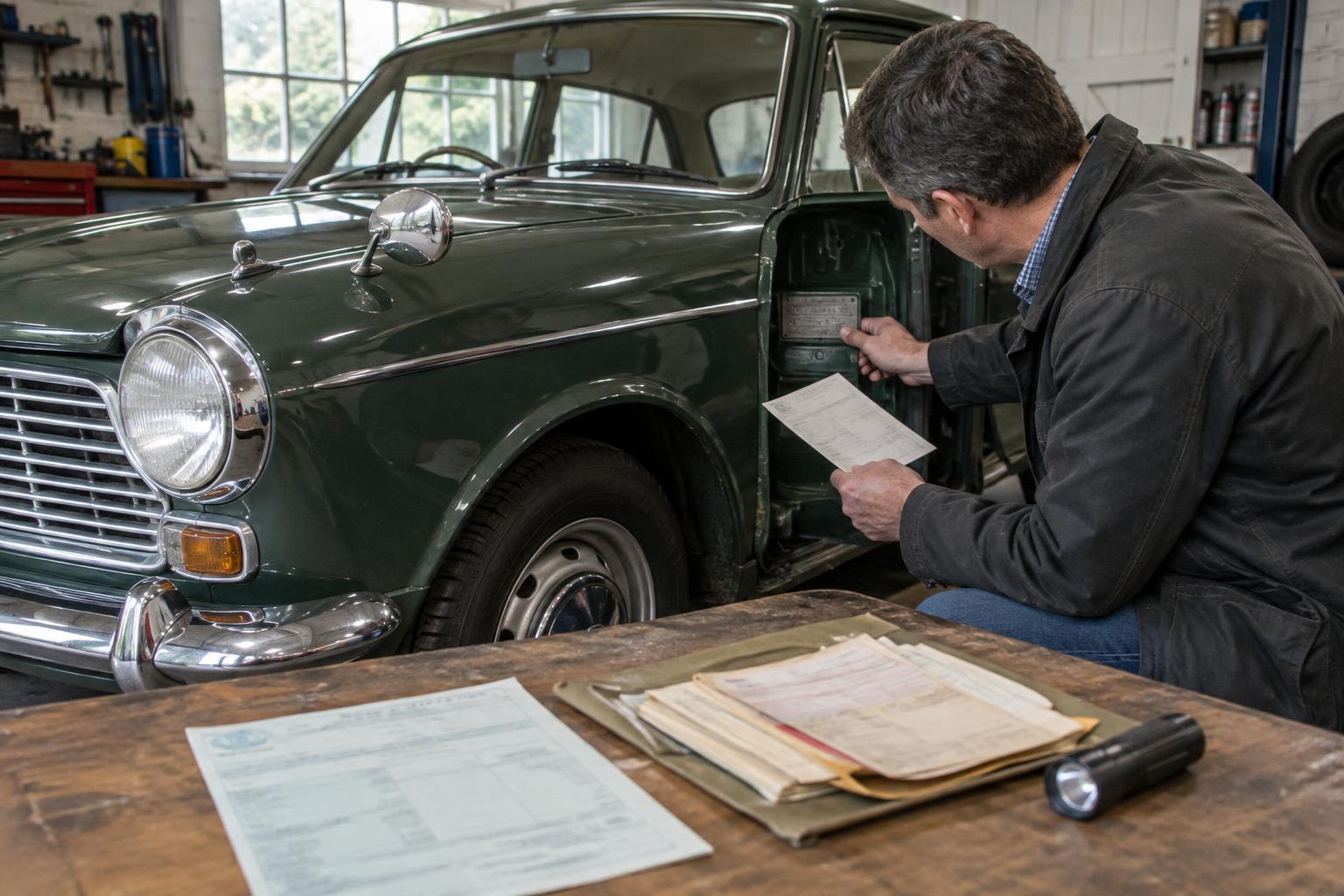
Historic vehicle tax has a rolling age threshold tied to the vehicle’s build date and a calendar-year cut-off. Reaching an anniversary does not necessarily make the tax class change automatically that day. The date recorded for the car, the relevant cut-off and the steps for changing its tax class all need checking. The V5C registration certificate is a useful starting point, but its first-registration date may not tell the full story for an imported car or one registered well after it was built.
A qualifying car must still be taxed for road use, even where the historic class results in no vehicle tax to pay. “Nothing to pay” is not the same as “nothing to do.” If the car is kept off public roads and not in use, a Statutory Off Road Notification, or SORN, may be appropriate instead. Returning a SORN car to the road requires the necessary tax arrangements before it is used there. Keep the V5C details current, and check what evidence is required if you need to correct a build date or apply to change the tax class.
Exemption is not a roadworthiness certificate
MOT exemption removes a periodic test requirement; it does not remove the duty to keep the car in a roadworthy condition. Brakes, tyres, lights, steering, seat belts where fitted, and structural condition still matter. Age can make small faults easy to excuse as “character,” but a pulling brake or perished tyre is a practical safety concern whether or not an annual test is due.
Build a simple routine around use. Check lights, tyre condition and fluid levels before a longer run; investigate new noises or changes in handling; and arrange a competent inspection when a concern exceeds your experience. Cars that cover few miles can still suffer from deterioration while standing. If you choose a voluntary MOT, treat the result as one useful check rather than a substitute for ongoing care.
A practical check before the next drive
Gather the V5C, any evidence of the build date and a concise history of significant modifications. Check the current official MOT-exemption criteria and historic tax-class guidance separately. Confirm that the vehicle is correctly taxed or declared SORN as appropriate, that it is insured for its intended use, and that its condition is fit for the road. If documentation is unclear or the car has been extensively modified, seek clarification before declaring an exemption.
This approach leaves room to enjoy what historic motoring is for: driving a well-kept car, not merely managing its paperwork. Knowing which rules apply makes ownership planning easier, while regular checks help preserve the car for the journeys ahead.