Start with a record, not a shopping list
The first days with a classic car are full of possibilities. A damp carpet suggests a new seal; a hesitant start tempts you to order ignition parts; faded paint makes a full restoration seem urgent. Resist turning every observation into a job. Your first task is to establish what you have bought and how it behaves.
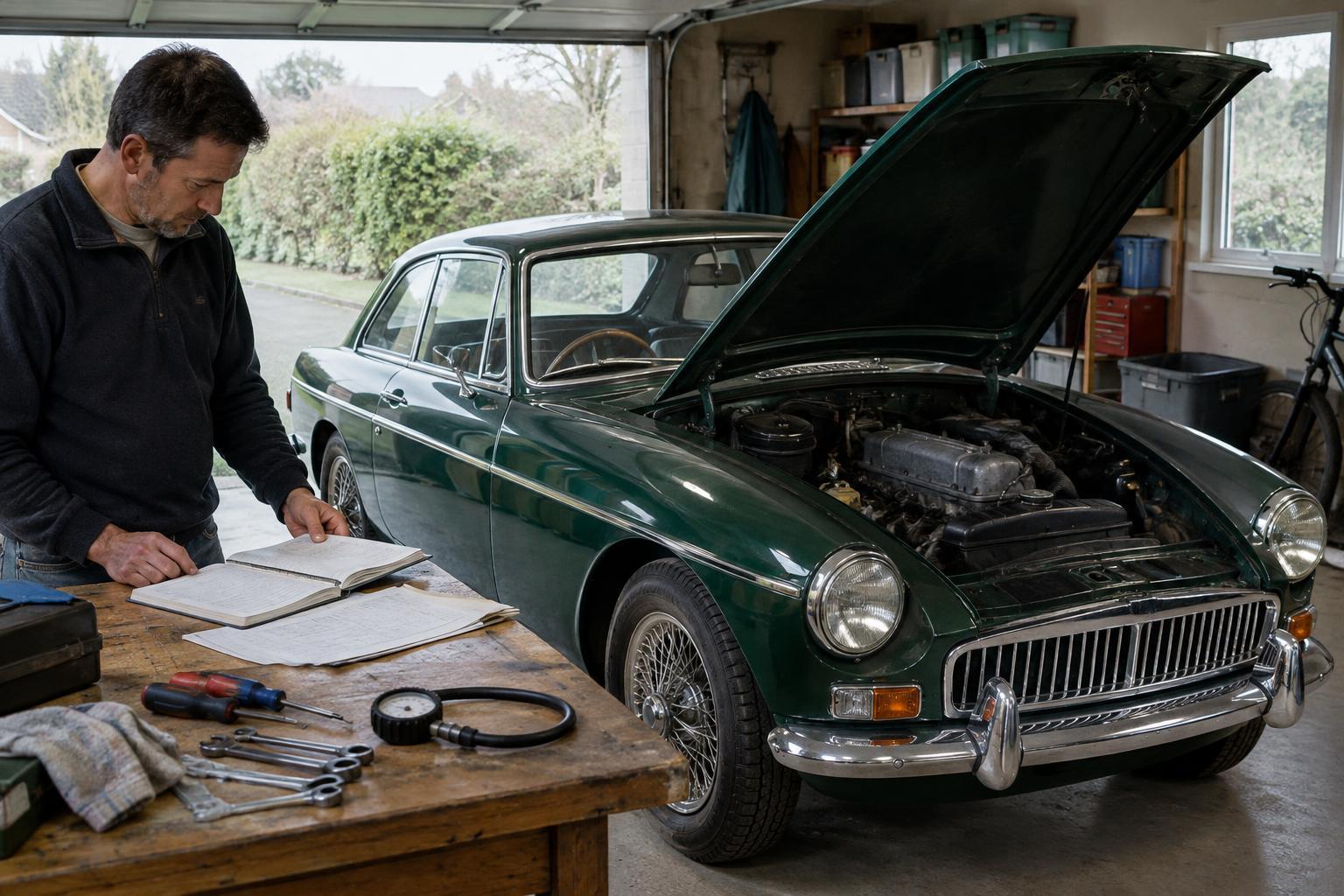
Put the paperwork in one place: purchase documents, manuals, past invoices, parts receipts and any notes from the previous keeper. Record the mileage shown, fluid levels, tyre condition and any obvious leaks. Take clear photographs of the engine bay, underside where safely accessible, interior and existing blemishes. These notes give you a baseline, not a verdict. They also help you distinguish a new fault from a long-standing quirk later on.
Start a simple log with the date, journey length, conditions and anything you noticed. Keep three lists: safety concerns, reliability concerns and cosmetic wishes. A noisy trim panel belongs in a different conversation from a brake pedal that feels inconsistent.
Put safety ahead of originality and appearance
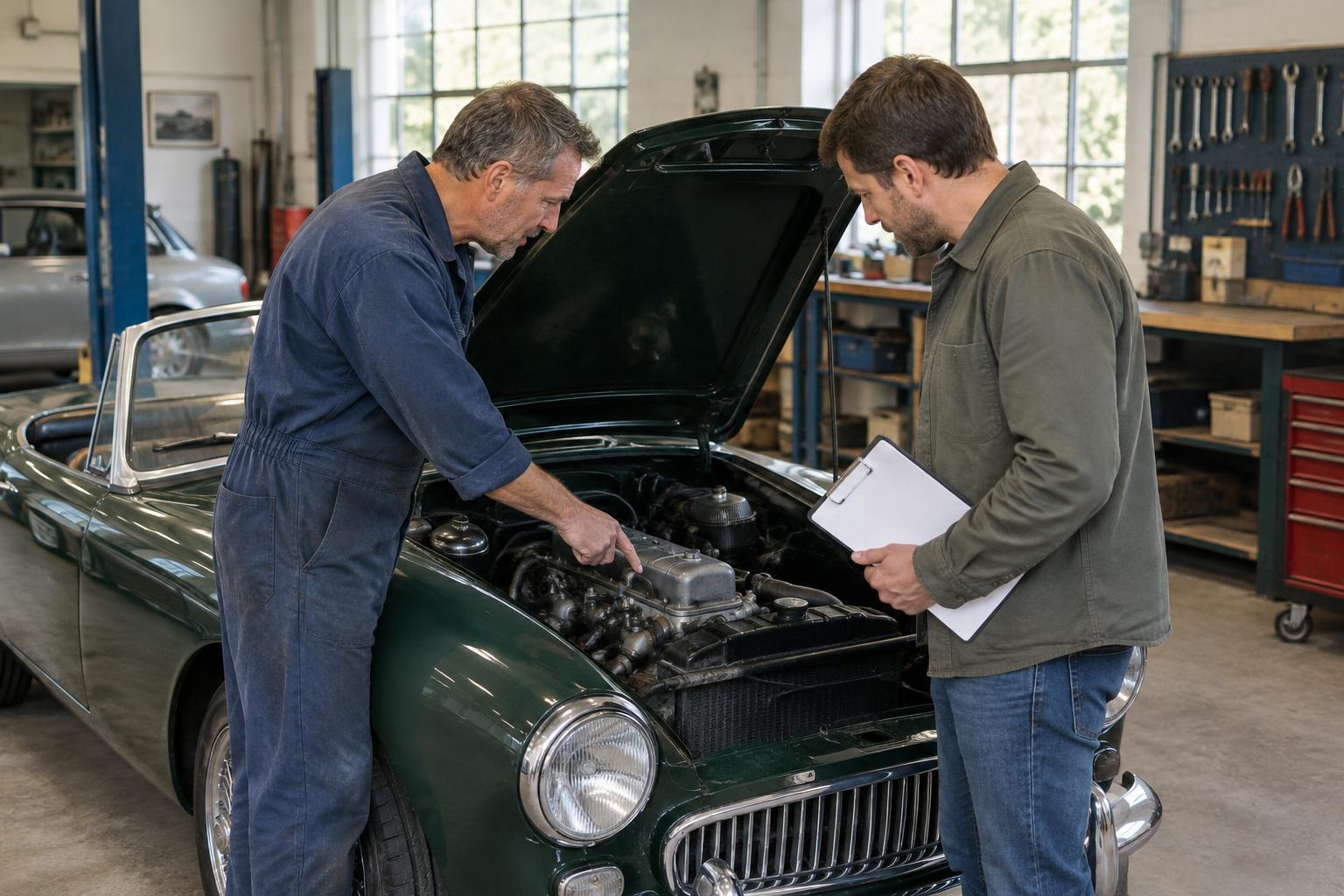
Before planning a long drive, attend to the parts that help the car stop, steer and remain visible. Check tyres for condition as well as tread, and confirm that lights, wipers, horn and seat belts work as expected. Look for fluid leaks and damaged hoses without assuming that a clean engine bay proves everything beneath it is sound. If you are uncertain about brakes, steering, suspension, fuel lines or the car's roadworthiness, ask a competent classic-car specialist to inspect it before using it further.
Prioritising safety does not mean replacing every old-looking component on sight. A thorough inspection can separate urgent faults from service items and harmless signs of age. Ask anyone assessing the car to explain what they found, why it matters and whether a repair is needed before driving. Keep the findings with your records, including jobs you choose to defer.
This is also a good time to make sure your insurance and other road-use arrangements match how you intend to use the car. Requirements vary by vehicle and location, so check the rules that apply to yours rather than relying on a previous owner's habits.
Use short journeys to learn its normal behaviour
Once the car is fit to use, build familiarity in stages. Begin with local journeys that leave you an easy route home. Notice how it starts from cold and warm, where the temperature gauge usually settles, how the clutch and gearbox feel, and whether any noise changes with speed, braking or cornering. Some classics feel and sound different from modern cars; familiarity helps you notice a change without dismissing it as character.
After each outing, look underneath for fresh drips and check relevant fluid levels as the handbook directs. Note what happened rather than jumping to a diagnosis: “hesitated after ten minutes in slow traffic” is more useful than “needs a new carburettor”. If a symptom affects safe control or becomes pronounced, stop using the car until it has been assessed.
Keep early trips modest even if the car drove well on the journey home. A longer scenic run will be more enjoyable once you trust its cooling, charging and starting behaviour and know what to carry for the sort of touring you plan.
Build a maintenance baseline before changing things
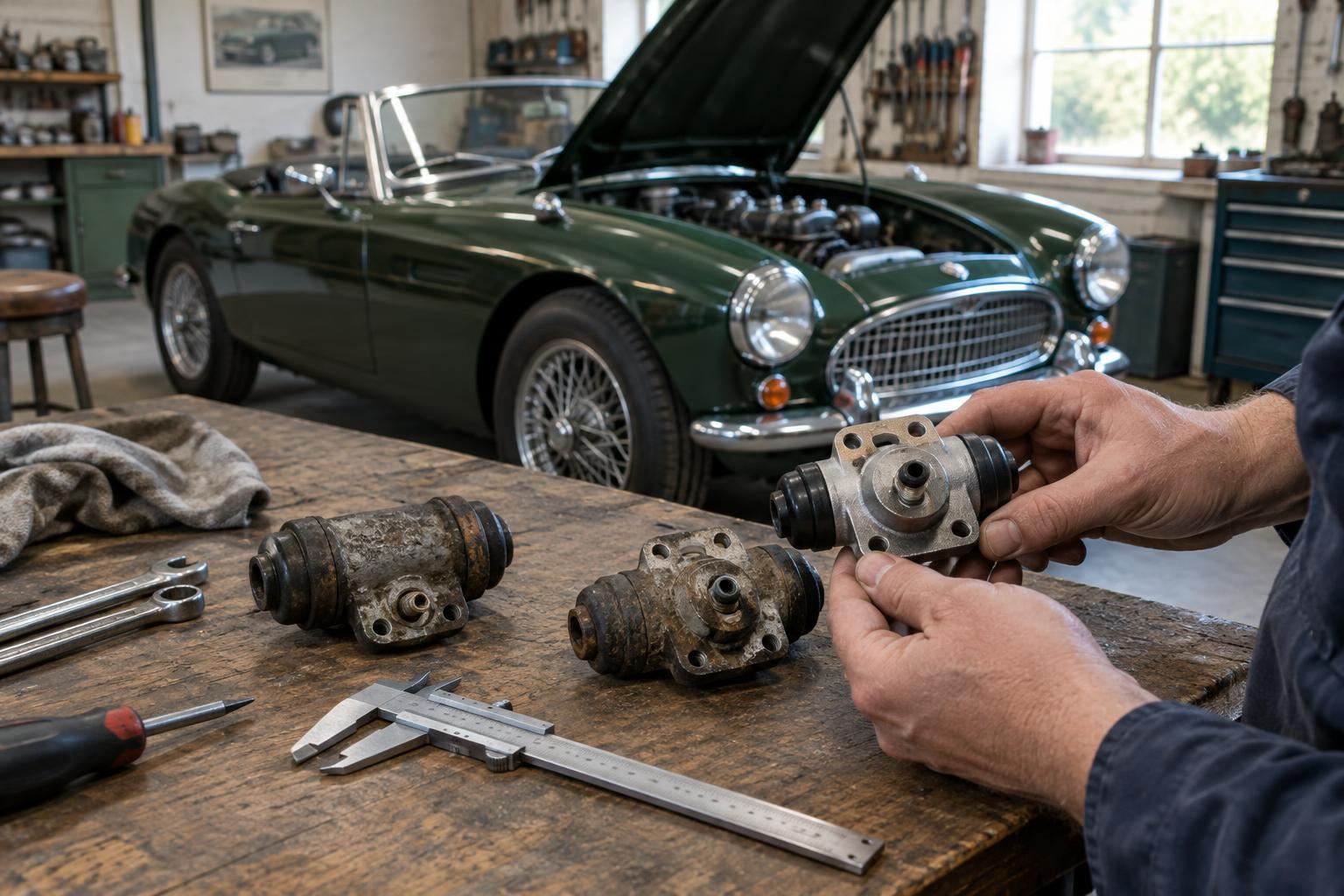
During the middle weeks, compare your observations with the service history and the maintenance schedule appropriate to the model. If the date or specification of a fluid, filter or ignition component is unknown, plan sensible routine work rather than assuming it was done recently. Confirm specifications before buying supplies: similar-looking classic models can differ by year or by modifications made over decades.
Work methodically and change one thing at a time where practical. That makes it easier to tell whether an adjustment improved the car or introduced a new problem. Label removed parts, photograph unfamiliar assemblies and keep receipts. If you do not have the tools, space or experience for a task, booking help is often less frustrating than learning under pressure with an immobile car on the drive.
Do not let routine care quietly become a full strip-down. A usable classic can teach you more over several ordinary journeys than one dismantled for a collection of loosely related improvements.
Make the 90-day review a decision point
Near the end of three months, read back through your log. Which symptoms repeated? Which supposed faults never returned? Group proposed jobs by safety, prevention, reliability, comfort and appearance. Then consider dependencies: there is little value in choosing expensive upholstery before understanding the cause of a wet floor, or refinishing a panel before deciding how underlying corrosion will be addressed.
Set a realistic order for the next phase, with room in your time and budget for discoveries. You might choose a few dependable-driving improvements and leave the patina alone; another car may need to rest while a larger repair is planned. Neither outcome is a failure. The aim of the first 90 days is not to finish a classic car, but to replace first impressions with evidence and begin an ownership plan you can enjoy.